
TL;DR
Homes & Gardens published a shopping roundup of 16 bee hotels made from natural materials, with designs for hanging, fence mounting or ground placement. The report says bee hotels can offer nesting shelter to bees and may also be used by other insects; it does not provide evidence that every design is suitable for every species or quantify their effect on pollinator populations.
Homes & Gardens has selected 16 bee hotel designs made from natural materials for gardeners seeking shelter structures for nesting bees. The shopping roundup features different shapes and installation styles, and says some models include spaces intended for butterflies or a water tray; it is a product guide, not a study measuring effects on pollinator populations.

Get garden gear delivered free with Prime
- Fast, free delivery on millions of items
- Prime Video, Amazon Music and more included
- Member-only deals all year
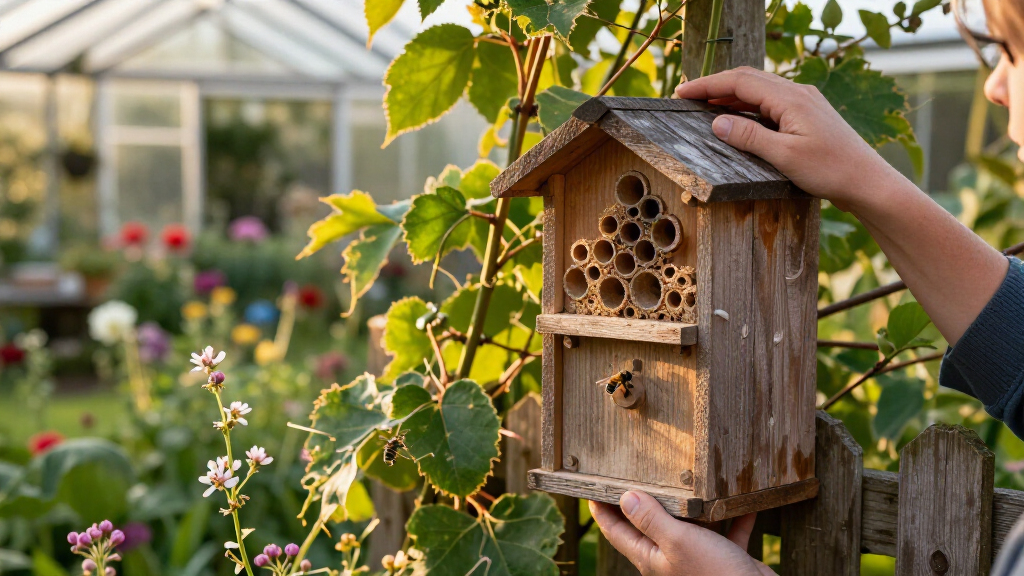
The collection includes wooden houses, bamboo designs and a beeswax-coated mason bee house, according to the Homes & Gardens report. Some products use a conventional house shape, while another is described as a teardrop-shaped bamboo shelter. The roundup also includes options intended to be hung, attached to a fence post or placed in the ground using a stake.
Several products have additional features. One wooden model is described as having a water tray, while a hotel listed by Walmart has a section with narrow openings that the report identifies as a butterfly house. A hexagonal mason bee house is among the specialized designs; the article also points readers to replacement tunnel refills for mason bee houses.
The report characterizes bee hotels as shelter and nesting places for bees and says butterflies and other insects may use some structures. It does not provide product testing, prices, availability details, or independent verification of materials and durability. The 16 items are presented as the publication’s shopping selections, not as a ranking based on a stated scientific assessment.
Adding Nesting Shelter to Gardens
For readers planning a wildlife-friendly garden, the roundup offers a range of ready-made shelter formats alongside the option of building a hotel themselves. The varied installation methods may help gardeners choose a design that fits a yard, fence or available ground space. But selecting a product alone does not establish that it will benefit every pollinator: the source does not report species-specific results or measure how many bees use the featured models.
The article also places bee hotels among several garden measures rather than presenting them as a stand-alone solution. It recommends flowering plants that provide nectar later in the growing season and leaving some fallen leaves and garden debris in place. Those suggestions broaden the focus from buying an accessory to providing food and shelter across the garden, though the report does not compare the impact of these approaches.
Products Worth Considering

Orbit B-hyve XD 4-Port Smart Hose Watering Timer with Wi-Fi Hub
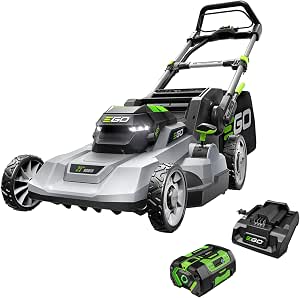
EGO POWER+ 21 Cordless Electric Lawn Mower with Battery, Charger – LM2114

Orbit B-hyve XR 8-Zone Indoor/Outdoor Smart Sprinkler Controller
As an affiliate, we earn on qualifying purchases.
What the Garden Roundup Covers
The Homes & Gardens piece is a shopping guide focused on natural materials. Its stated reason for selecting these products is that some bee hotels on the market can appear cheap or gimmicky, particularly plastic models. The report does not name a publication date in the supplied material, give a detailed selection method, or say that the listed products have been tested in the publication’s own gardens.
Its examples range from general-purpose insect hotels to a dedicated mason bee design. That distinction matters because the article presents different structures and openings, rather than describing one standard product for all bees. It also mentions DIY construction as an alternative, but does not set out building specifications or instructions in the supplied text.
““A bee hotel is one of the most charming garden accessories you can get your hands on.””
— Homes & Gardens
Product Claims and Practical Limits
The supplied report does not identify the publication date, prices, current stock status or testing process for the 16 products. It also does not provide evidence comparing the featured hotels with one another, or data on their use by bees, butterflies or other insects. Product descriptions and claims about materials or lasting quality are presented in the shopping roundup, without supporting test results in the supplied material.
It remains unclear which bee species each general-purpose model is designed to accommodate, how the hotels should be maintained, and whether particular placements or conditions are required. The source does not establish that every hotel will be used by pollinators or provide measured conservation outcomes. Readers should treat the collection as a product guide rather than evidence of a guaranteed ecological benefit.
Choosing and Checking a Hotel
The next step for readers is to compare the listed designs with their garden space and the product details available from retailers. The roundup points to hanging, fence-mounted and stake-based options, as well as specialized mason bee houses and replacement tunnels. Prices and availability may change, and the supplied article does not specify when retailers last confirmed the listings.
Homes & Gardens also suggests complementary garden actions: grow plants that bloom later in the season and avoid clearing all fallen leaves and garden debris. The source gives no schedule for updates to its 16-product collection or further findings on use and performance, so any such developments remain unreported.
Key Questions
What did Homes & Gardens publish?
It published a shopping roundup of 16 bee hotel designs made from natural materials for garden use.
What materials and styles are featured?
The report describes wooden and bamboo designs, including house-shaped and teardrop-shaped options, plus a hexagonal mason bee house coated in beeswax.
Can bee hotels shelter insects besides bees?
The report says other insects, including butterflies, may use some hotels. One featured design has a section with narrow openings described as a butterfly house. The source does not report measured use.
Does the roundup show that these hotels increase pollinator numbers?
No. It is a product guide and provides no population data, comparative testing or quantified evidence of effects on pollinators.
What other garden steps does the article recommend?
It suggests planting flowers that provide nectar later in the growing season and leaving some fallen leaves and garden debris to offer shelter for insects and other small wildlife.
Source: rss