
TL;DR

Get garden gear delivered free with Prime
- Fast, free delivery on millions of items
- Prime Video, Amazon Music and more included
- Member-only deals all year
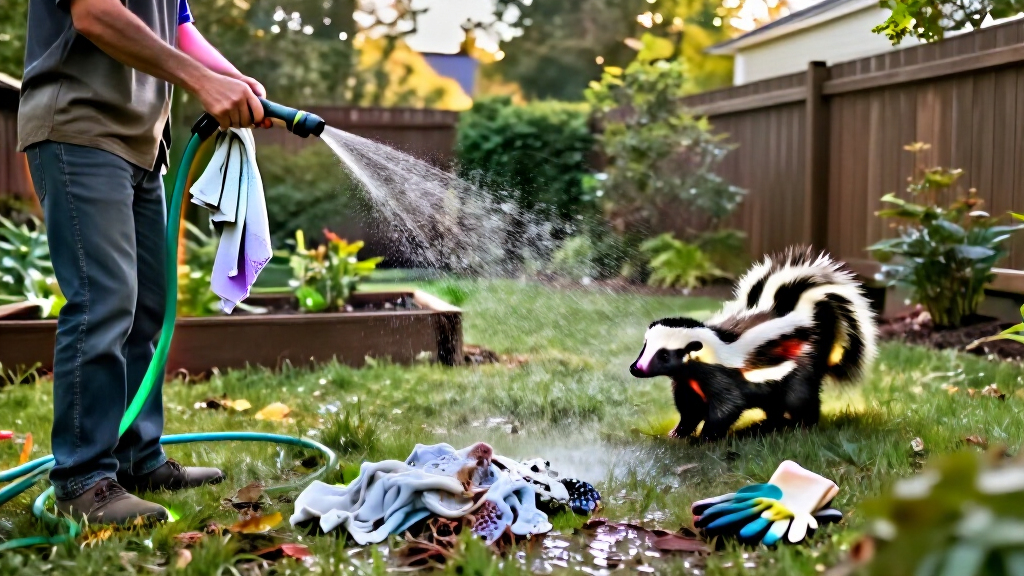
Wildlife expert Peter Gros says skunks generally spray when they feel cornered, after giving warning signals such as stomping, raising the tail or hissing. If spray gets in your eyes, flush them with water for 15 minutes; people with asthma or other respiratory conditions may be more sensitive to inhaled spray.
A Country Living report featuring wildlife expert Peter Gros explains that skunks generally spray when they feel threatened or cornered, and describes steps people can take to avoid an encounter and respond to exposure. Gros, cohost of Mutual of Omaha’s Wild Kingdom Protecting the Wild, says a direct spray is usually more irritating than dangerous for most people, but eye exposure can cause intense burning and tearing.
Skunks have two scent glands near the base of the tail that produce and store an oily liquid. Gros says a skunk can aim its spray at a perceived threat, usually from around 10 feet away and sometimes farther. The spray contains sulfur compounds called thiols, which contribute to its strong smell.
Spraying is a limited defense, not something a skunk can readily repeat. According to Gros, it can take as long as two weeks for a skunk’s supply to replenish. He says that loss of a major defense helps explain why skunks typically use it only when necessary. Before spraying, they may stomp their front feet, raise their tail, hiss or turn their hindquarters toward a threat.
Gros advises people who encounter a skunk to give it space and move away, rather than approach or corner it. To make a property less attractive, he recommends securing garbage, bringing pet food inside at night, cleaning up spilled birdseed and limiting access to compost. Before sealing a space beneath a deck or shed, check that no skunk is denning there. If one has settled in, Gros recommends contacting a local wildlife professional to arrange humane removal.
Reducing Risk Around Homes and Gardens
Knowing the skunk’s warning behavior can help people avoid turning a close encounter into a spray incident. The practical advice also matters for households with pets: food left outdoors, unsecured rubbish and accessible denning spaces can attract wildlife. Removing those attractants may reduce the chance of an encounter without harming the animal.
The guidance calls for care, not indiscriminate exclusion. Closing a den while an animal is inside could trap a skunk family or separate a mother from her young. Gros says this is a particular concern in spring and early summer, when female skunks may have kits that are born blind and depend on their mother near the den.
As an affiliate, we earn on qualifying purchases.
A Limited Defense With Clear Warnings
Skunks use their spray to deter predators, including coyotes, bobcats and foxes, according to the report. Their black-and-white markings also serve as warning coloration, Gros says. He notes that North America has several kinds of skunks, including striped, spotted, hooded and hog-nosed skunks; spotted skunks can raise themselves into a handstand when threatened.
The report also describes skunks as useful around gardens because they eat pests such as beetles, grasshoppers and grubs. That does not mean every skunk near a home is harmless or welcome, but it provides context for the recommendation to address attractants and use humane help rather than trapping animals in a den.
“There’s a real survival advantage to using it only when necessary.”
— Peter Gros, wildlife expert and cohost of Mutual of Omaha’s Wild Kingdom Protecting the Wild, as quoted by Country Living
Exposure Effects Vary by Person
The source report says skunk spray is more irritating than dangerous for most people, but it does not provide medical guidance for every type of exposure or individual health condition. It says concentrated spray can irritate the nose and lungs or cause nausea, and that people with asthma or other respiratory conditions may be more sensitive. The full set of cleanup instructions after exposure is not included in the supplied source material.
The report does not specify a particular wildlife agency, removal method or local rules for handling an occupied den. Those details depend on location and should be confirmed with a qualified local wildlife professional.
Immediate Steps After Spray Exposure
If spray gets directly into the eyes, Gros advises flushing them with water for 15 minutes. People with breathing irritation, asthma or another respiratory condition should take symptoms seriously and seek appropriate medical advice if needed. The source does not provide a complete treatment protocol for other effects.
For prevention, check sheltered areas before blocking access, especially during spring and early summer. If an animal is already denning there, Gros’s advice is to contact a local wildlife professional, then remove food sources and secure the space after the skunk has been moved on humanely.
Key Questions
Why do skunks spray?
According to wildlife expert Peter Gros, skunks spray as a defense when they feel seriously threatened or cornered. Because their supply can take up to two weeks to replenish, they generally reserve it for situations they cannot avoid.
What warning signs may come before a skunk sprays?
Gros says a skunk may stomp its front feet, raise its tail, hiss or turn its hindquarters toward a perceived threat. The safest response is to give it space and move away.
What should I do if skunk spray gets in my eyes?
Flush your eyes with water for 15 minutes, as Gros advises in the report. A direct hit can cause intense burning and tearing.
How can I make my property less attractive to skunks?
Secure garbage, bring pet food inside at night, clean up spilled birdseed and make compost difficult to access. Check beneath sheds and decks before sealing openings so you do not trap an animal or separate a mother from her young.
Should I close off a den if I find a skunk?
No. Gros advises contacting a local wildlife professional if a skunk has settled in. A den may contain young, particularly in spring and early summer, so blocking access without checking could trap or separate the family.
Source: rss
Columbus Day / Indigenous Peoples' Day Picks
long weekend sales
As an affiliate, we earn on qualifying purchases.