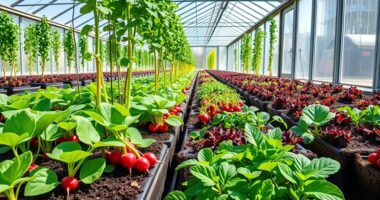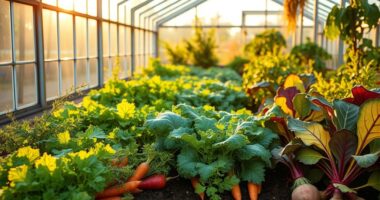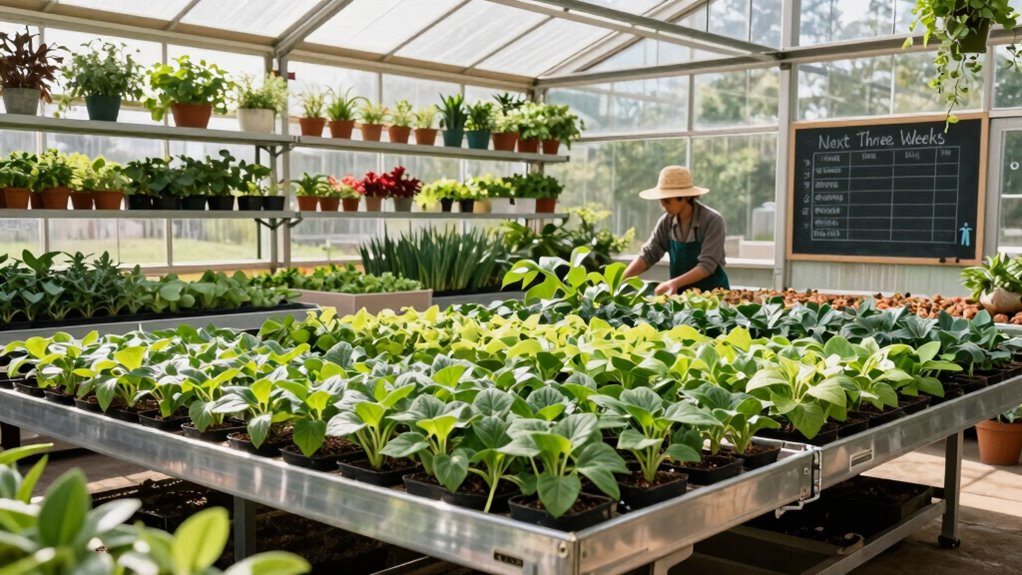

The “Next Three Weeks” method helps you stay flexible and focused by planning short-term goals for your greenhouse. You assess your crops regularly, adjust your actions based on pest activity or growth stages, and rotate crops to maintain soil health. This approach allows you to respond quickly to changing conditions like weather or pests. Keep a weekly review, and you’ll find it easier to stay on track and improve your greenhouse management over time.

Get garden gear delivered free with Prime
- Fast, free delivery on millions of items
- Prime Video, Amazon Music and more included
- Member-only deals all year
Key Takeaways
- Focus on short-term goals within a 3-week window to enhance flexibility and respond quickly to environmental changes.
- Regularly evaluate current crops to determine harvest readiness and plan crop rotation for soil health.
- Incorporate pest and disease prevention strategies proactively, using organic methods and ecological balance.
- Maintain soil health through organic amendments and crop rotation to boost plant resilience and reduce pest risks.
- Conduct weekly reviews to adjust plans, manage space efficiently, and time harvests and treatments effectively.
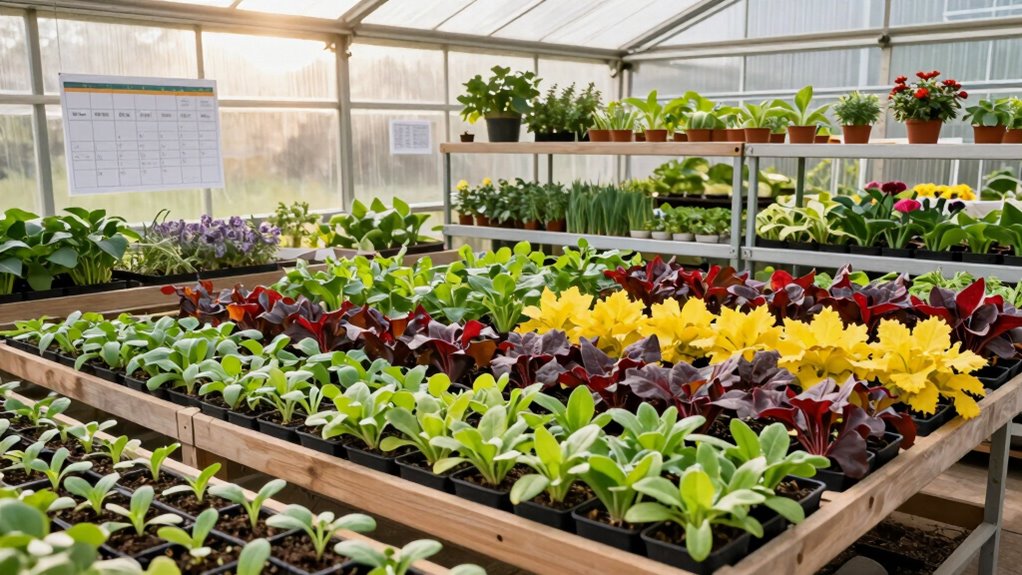
Planning your greenhouse for the upcoming weeks can seem overwhelming, but the Next Three Weeks Method simplifies it by breaking it down into manageable steps. Instead of trying to plan everything months in advance, you focus on a short, actionable window, which keeps things flexible and realistic. This approach allows you to adapt quickly to changing conditions, whether it’s weather, plant growth, or unexpected pests.
Within this timeframe, you start by evaluating what crops are currently in your greenhouse and what’s coming next. You decide which plants need more attention and which can be harvested or rotated out. Crop rotation becomes a vital part of this plan because it helps maintain soil health and prevents soil-borne diseases from building up. You want to rotate crops so that nutrient demands and pest vulnerabilities are balanced. For example, if you’ve been growing leafy greens, you might switch to legumes or root vegetables in the next cycle to restore soil nitrogen levels and disrupt pest and disease cycles. This proactive crop rotation reduces the need for chemical pest management and keeps your plants healthier naturally.
Rotate crops every three weeks to enhance soil health and prevent pests naturally.
Speaking of pest management, the Next Three Weeks Method encourages you to stay vigilant and integrate preventive measures into your planning. Instead of waiting until pests become a big problem, you plan regular inspections and early interventions. You can introduce beneficial insects, use row covers, or apply organic treatments as needed. Since pests and diseases often spread quickly in a greenhouse environment, this short-term planning allows you to stay ahead of issues and minimize damage. You also consider sanitation strategies, such as cleaning tools and removing plant debris, to reduce pest habitats. Additionally, understanding the importance of biodiversity in your greenhouse can contribute to natural pest control by encouraging a balanced ecosystem. Incorporating diverse plant species can further promote resilience and ecological balance. Recognizing the role of soil health is essential, as healthy soil supports stronger plants that are better equipped to resist pests and diseases. Maintaining soil fertility through composting and organic amendments can further enhance plant resilience and productivity. Moreover, promoting soil microbial activity can help improve nutrient uptake and plant defenses naturally.
Every week, you review your previous actions and adjust your plan for the upcoming days. If you notice pest activity or signs of disease, you incorporate specific treatments into your schedule. If certain crops are ready for harvest, you plan for their removal and prepare the space for the next planting. The key is to keep your planning cycle short enough to remain flexible but focused enough to make tangible progress.
organic pest control for greenhouses
As an affiliate, we earn on qualifying purchases.
As an affiliate, we earn on qualifying purchases.
Frequently Asked Questions
How Do I Adapt the Method for Different Climate Zones?
To adapt the method for different climate zones, you need to take into account climate adaptation and zone considerations. Adjust your planting schedule based on your local growing season, frost dates, and temperature fluctuations. In colder zones, start seeds indoors earlier or use protective covers, while in warmer zones, you can extend the growing season. Research zone-specific planting guides and modify your plan to guarantee ideal growth and harvest times.
What Tools Are Best for Tracking Weekly Progress?
Think of tracking weekly progress as your greenhouse’s heartbeat—keeping you in tune with growth metrics and pest management. Use digital tools like spreadsheets or garden-specific apps to log data, monitor trends, and set alerts. Visual charts make patterns clear, helping you adapt quickly. Regular updates ensure you catch issues early and celebrate successes, turning your greenhouse into a thriving, well-oiled machine that responds swiftly to each week’s needs.
Can This Method Be Used for Indoor Gardening?
Yes, you can adapt this method for indoor gardening by focusing on indoor adaptation and growth monitoring. Keep track of your plants’ progress weekly, adjusting your care routine based on their development. Use a journal or digital tool to record watering, lighting, and nutrient schedules. This approach helps you stay organized, guarantees excellent plant growth, and allows you to respond quickly to any issues that arise indoors.
How Do I Handle Unexpected Weather Changes?
Unexpected weather changes are like surprise guests crashing your garden party. To handle them, stay flexible with your plans and monitor weather forecasts closely. Use pest prevention strategies to protect your plants from sudden pests caused by weather shifts, and guarantee soil preparation includes proper drainage to prevent waterlogging. Keep emergency supplies ready, like row covers or heaters, so you can quickly adapt and keep your plants thriving despite surprises.
What Are Common Mistakes to Avoid With This Method?
You should avoid overwatering issues by sticking to a consistent watering schedule and checking soil moisture first. Don’t neglect pest management; regularly inspect plants and act quickly on any signs of pests. Also, avoid rushing your planning, which can lead to overlooked details. Keep track of weather forecasts to adapt plans accordingly, and guarantee proper airflow to prevent mold and overwatering problems. This helps you maintain healthy, productive greenhouse conditions.
Conclusion
By mastering the “next three weeks” method, you’ll turn your greenhouse into a buzzing, unstoppable powerhouse of growth. No more guesswork or last-minute scrambling—your plants will practically grow themselves! Imagine having your entire season perfectly planned out, so you can kick back and enjoy the fruits of your labor without breaking a sweat. Get ready to become the gardening superhero you’ve always dreamed of, wielding your calendar like a green-thumbed wizard!
Columbus Day / Indigenous Peoples' Day Picks
long weekend sales
As an affiliate, we earn on qualifying purchases.