TL;DR
Gardening Know How advises inspecting plants that spent summer outdoors before bringing them inside in fall, when scale insects can spread and continue breeding on houseplants. The report recommends isolation, physical removal for small infestations, and label-directed treatment and repeat checks for heavier ones.
Gardening Know How is advising gardeners to inspect and treat plants that spent the summer outdoors before bringing them inside for fall, because scale insects can travel with potted plants and keep reproducing indoors. The report recommends isolating affected plants, removing small numbers of insects by hand and following product labels when treatment is needed.

Get garden gear delivered free with Prime
- Fast, free delivery on millions of items
- Prime Video, Amazon Music and more included
- Member-only deals all year
Scale insects feed by inserting a thin, straw-like mouthpart into leaves or stems. Adults often sit under a hard or waxy cover and stay in place, which can make them look like bumps on a plant. The report says soft scale may leave sticky honeydew, and sooty mold can grow on the residue. Yellowing leaves, leaf drop and stunted growth can occur with heavier infestations.
Inspection should focus on stems, leaf veins and leaf undersides, particularly on plants kept close together outdoors. A magnifying glass can help reveal insects and young crawlers, which are small and may move between plants where leaves touch or on hands and tools. Gardening Know How lists citrus, jade, hibiscus, ficus, bay laurel, oleander and orchids among common hosts, while noting that other houseplants can also be affected.
For a small number of insects, the report recommends scraping them off or rubbing them with a cotton swab dipped in isopropyl alcohol, after testing a leaf and waiting to check for damage. It says the insect’s cover must be removed, and that alcohol may not reach eggs beneath it. For heavier infestations, horticultural oil or insecticidal soap may be used if the product is appropriate for the plant and applied according to its label. The report says repeat applications are often needed because newly hatched crawlers can appear after treatment.
Preventing Pests From Spreading Indoors
Moving a plant indoors can also bring its pests into a space where outdoor predators and cold nights no longer limit them, according to the report. Once inside, crawlers can spread to nearby plants, turning an overlooked outdoor infestation into a winter problem across a collection of houseplants.
Early inspection matters because adult scale’s covering can make sprays less effective. Finding and removing insects before the move can reduce the chance that repeated treatment will be needed later. The report also cautions that plants such as citrus and bay laurel may be edible; gardeners should use only products whose labels permit application to the intended plant and use.
Products Worth Considering
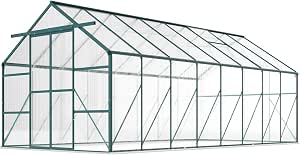
Outsunny 16.4 ft × 8 ft Walk-In Polycarbonate Greenhouse

HOOYEAH 6 x 6 ft Polycarbonate Walk-In Greenhouse

Greenworks 60V 21-Inch Self-Propelled Cordless Lawn Mower with Two 4.0Ah Batteries
As an affiliate, we earn on qualifying purchases.
Why Fall Inspections Matter
The report describes a recurring seasonal risk: plants that spend warmer months on porches, decks or patios may carry scale when they come back indoors. Outdoors, cold nights can slow the insects, and lady beetles and small wasps may eat some of them. Indoors, the report says, scale can continue breeding through winter.
Scale is difficult to manage partly because the visible adults are not the stage most vulnerable to sprays. Newly hatched crawlers lack the adult cover, but they emerge over time rather than in one predictable hatch. That is why the report recommends beginning control outdoors, then checking plants regularly after they have been moved inside.
Treatment Results Vary by Plant
The report offers general guidance, not a diagnosis of any particular plant or a guarantee that a treatment will work. The scale species, severity of infestation and plant’s sensitivity can affect what is appropriate. It advises testing products on a small area first; it specifically warns that insecticidal soap can damage jade plants and ferns.
How long an affected plant should remain isolated depends on whether new insects appear during follow-up checks. The report recommends keeping it apart until several weekly inspections find no new scale, but does not set a single isolation period for every case. Dead insects can remain attached for months, so a bump’s presence alone does not show whether it is still alive.
Inspect and Recheck Through Winter
Before cold weather prompts the move indoors, examine each outdoor plant closely and treat any scale while the plant is still outside, following the product label. For a heavy infestation, Gardening Know How describes two or three treatment rounds spaced 10 to 16 days apart as a common schedule, while stressing that the label takes precedence.
After the move, keep affected plants isolated and inspect them and nearby plants weekly through winter, checking new growth, leaf joints and undersides. Wash hands and tools after handling an infested plant. The report says a heavily encrusted plant may be better discarded, rather than kept with other houseplants.
Key Questions
How can I tell if a bump is scale?
Look for small brown, tan, white or black bumps on stems, leaf veins and leaf undersides. A magnifier can help. The report says pressing a bump with a toothpick may leave a wet smear if the scale is alive; dead scale can remain attached for months.
Should I spray every plant before bringing it indoors?
The report recommends inspecting plants before the move and treating those with scale. It does not call for routine spraying of every plant. Use a treatment only when appropriate for the plant and according to the product label.
Why might one treatment not be enough?
Adult scale may be protected by a waxy or hard cover, while more exposed crawlers are more susceptible. Eggs can hatch after a treatment, so repeat applications may be needed; follow the label’s directions and timing.
How long should an infested plant stay isolated?
Gardening Know How advises keeping it separate until several weekly checks in a row find no new scale. The report does not give one fixed isolation period for every plant or infestation.
Source: rss