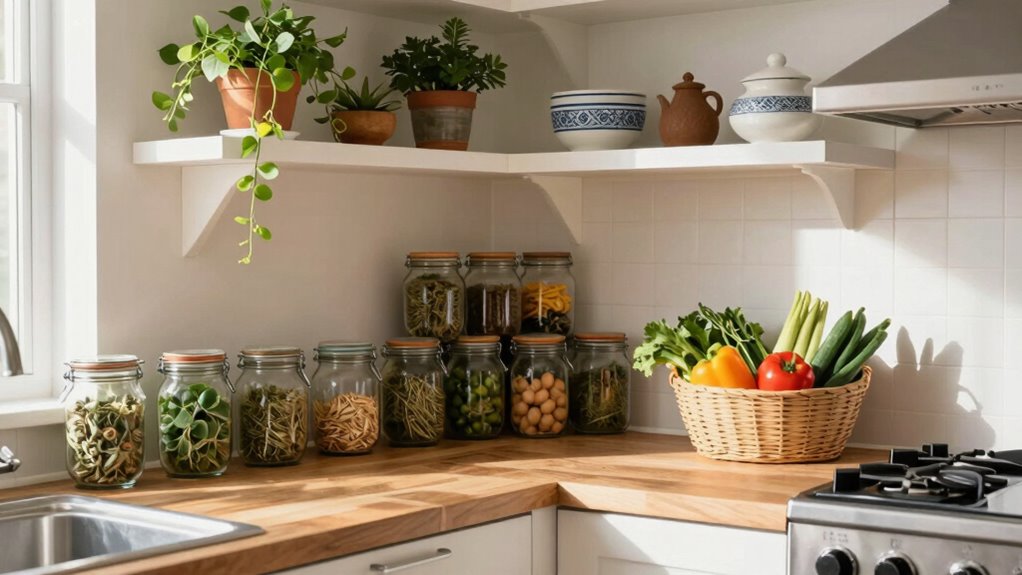

To make your homegrown lifestyle more organized and less idealistic, set realistic goals based on your space and resources, and focus on gradual improvement. Use composting, water-saving techniques, and diversify your garden for resilience. Stay adaptable, plan long-term, and celebrate small wins to keep motivated. Sharing your journey with neighbors and joining community groups can boost support and accountability. Keep emphasizing progress over perfection—maintaining flexibility and community ties helps create a sustainable routine that works for you.

Get garden gear delivered free with Prime
- Fast, free delivery on millions of items
- Prime Video, Amazon Music and more included
- Member-only deals all year
Key Takeaways
- Set realistic, incremental goals aligned with your space and resources to prevent overwhelm.
- Use planning tools or digital apps to organize seasonal tasks and track progress.
- Focus on sustainable habits and continuous learning rather than perfection.
- Share resources and knowledge within your community to foster support and reduce isolation.
- Celebrate small achievements to stay motivated and maintain a practical, authentic approach.

Creating a homegrown lifestyle often feels inspiring, but it can also lead to cluttered spaces and unrealistic expectations. When you’re dedicated to growing your own food and living sustainably, it’s easy to get caught up in the ideal of perfection—perfect harvests, immaculate gardens, and a self-sufficient life. However, this mindset can make your space feel overwhelmed or unsustainable if you’re not careful. The key to making your homegrown living more organized and realistic is to incorporate sustainable practices that fit your actual capacity and to engage with your community. These steps help you stay grounded, reduce overwhelm, and create a lifestyle that’s both fulfilling and manageable.
First, focus on sustainable practices that work for you. This means setting realistic goals based on your available space, time, and resources. Instead of aiming for a perfect, sprawling garden, start small. Use composting to reduce waste and improve soil health, and implement water-saving techniques like drip irrigation or rain barrels. These practices make your gardening more efficient and environmentally friendly without requiring a massive overhaul. By adopting sustainability in a practical way, you’re less likely to feel overwhelmed and more likely to see steady progress. Remember, sustainability isn’t about perfection; it’s about consistency and making gradual improvements that align with your lifestyle. Incorporating biodiversity into your garden can also enhance ecosystem health and resilience, making your efforts more sustainable and enjoyable. Embracing practical sustainability helps you develop habits that are sustainable over the long term rather than fleeting trends. Additionally, understanding the importance of adaptability allows you to adjust your methods as your circumstances change, which is crucial for maintaining a realistic approach. Recognizing that long-term planning is essential can help you set achievable milestones and avoid burnout. Moreover, cultivating a mindset of continuous learning can help you adapt and refine your techniques as you gain more experience and knowledge.
Community involvement is another essential element. You don’t have to do everything alone, and sharing knowledge or resources with neighbors can boost your efforts and keep you motivated. Joining local gardening groups or community-supported agriculture programs helps you stay connected and gain new ideas. Sharing surplus produce with neighbors or exchanging gardening tips can foster a sense of collaboration rather than competition. This involvement not only reduces your workload but also reinforces the idea that homegrown living is about community, not just personal achievement. It helps you stay realistic about your expectations and reminds you that a thriving, organized lifestyle is built through shared effort and support.
Finally, keep your expectations aligned with reality. Celebrate small victories and learn from setbacks. An organized, less idealistic approach means acknowledging that some days will be messier or less productive than others. Use tools like planners or digital apps to track your progress and stay on top of seasonal tasks. Maintaining flexibility and patience allows you to enjoy the process without feeling like you’re falling short of an impossible ideal. By blending sustainable practices with active community involvement, you create a homegrown lifestyle that’s sustainable, manageable, and genuinely fulfilling—one that feels organized and authentic, not just idealistic.
As an affiliate, we earn on qualifying purchases.
Frequently Asked Questions
How Can I Maintain Organization During Busy Seasons?
During busy seasons, you can stay organized by sticking to simple decorating routines and maintaining consistent cleaning schedules. Prioritize quick, effective tasks like decluttering daily and setting aside time for weekly tidying. Use checklists to keep track of your routines, and don’t hesitate to delegate chores when possible. This approach helps you avoid overwhelm, keeps your space functional, and guarantees your home remains organized even when your schedule gets hectic.
What Affordable Storage Solutions Work Best for Small Spaces?
You should explore creative storage options like under-bed bins, wall-mounted shelves, and multi-purpose furniture to maximize small spaces. Budget-friendly solutions include foldable storage bins, hanging organizers, and repurposing everyday items like baskets or jars. These options keep your belongings organized without breaking the bank, making your home feel less cluttered and more functional. Prioritize versatile, space-saving pieces that fit your lifestyle and budget for the best results.
How Do I Involve Family Members in Organizing Efforts?
You involve family members in organizing by encouraging family participation and assigning shared responsibilities. Make it fun by setting up a schedule or challenge and praising everyone’s efforts. Clearly communicate what needs to be done and listen to everyone’s ideas. By sharing the workload, you create a sense of teamwork and ownership, making organization feel less like a chore and more like a collective effort that benefits everyone in your home.
What Are Quick Fixes for Clutter Buildup?
Clutter’s a sneaky thief of calm, but quick fixes can restore order. Grab decorative baskets for quick storage, grouping similar items together, and use label tags for easy identification. These small steps make your space feel instantly tidier, turning chaos into control. By implementing these simple solutions, you’ll see clutter vanish faster than you thought, giving your home a fresh, organized feel without hours of effort.
How Can I Stay Motivated to Keep My Home Organized?
You can stay motivated by setting small, achievable goals daily, which reinforce your organizational habits. Keep motivational tips like rewarding yourself for maintaining order or visualizing the benefits of a tidy space. Remind yourself why you started and track your progress to stay inspired. Regularly declutter to prevent overwhelm, and create routines that make organization effortless. Consistency and positive reinforcement will help you maintain motivation and establish lasting organizational habits.
Conclusion
By embracing the imperfect charm of homegrown living, you turn chaos into character and clutter into comfort. Remember, perfection is a mirage, and true harmony blooms in authenticity. So, don’t chase an ideal — let your space reflect your real, vibrant life. When you accept the beautiful mess, you’ll find that organization isn’t about control but about creating a sanctuary where your soul can truly thrive. After all, isn’t life at its best when it’s genuine?
Halloween Picks
halloween
As an affiliate, we earn on qualifying purchases.