The Endless Summer BloomStruck Reblooming Hydrangea earns the top spot among the best hydrangea plants because it flowers on both old and new wood, delivering color from early summer into fall even after a hard winter knocks back the stems. Gardeners who want dramatic, low-fuss structure should look at the Limelight Hydrangea, a hardy panicle type that tolerates sun and cold better than any bigleaf in this lineup, while the Proven Winners Let’s Dance Skyview stands out for fuller container size and refined blooms straight out of the box. The main tradeoff you’ll face is between bigleaf hydrangeas, which offer the classic blue and pink mopheads but demand consistent moisture and afternoon shade, and panicle hydrangeas, which are tougher and sun-tolerant but limited to white-to-pink color shifts. Plant size at delivery varies widely here too, from 4-inch starters to full 3-gallon shrubs, which affects both price of entry and how quickly you see mature blooms. Keep reading for the full breakdown of all twelve options.

Get garden gear delivered free with Prime
- Fast, free delivery on millions of items
- Prime Video, Amazon Music and more included
- Member-only deals all year
Complete the kit


Key Takeaways
- Reblooming genetics were the biggest differentiator: the Endless Summer BloomStruck varieties and Let’s Dance Skyview flower on new wood, so a late frost or pruning mistake doesn’t wipe out an entire season the way it can with old-wood-only bigleaf types.
- Panicle hydrangeas (Limelight, Vanilla Strawberry, Spring Sizzle) consistently beat bigleaf types on sun tolerance, cold hardiness, and beginner-friendliness, but none of them can produce the blue flowers bigleaf growers covet.
- Container size predicted satisfaction more than variety did: the 4-6 inch French Macrophylla starter and the 5-9 inch Pink White bush need one to two full seasons before showing true mature form, while the 2-3 gallon Proven Winners and First Editions shrubs look garden-ready immediately.
- Dark-foliage and cascading picks (Eclipse, Fairytrail Bride) are specialty purchases: gorgeous in the right setting, but they carry narrower climate tolerances and higher per-plant cost than the mainstream rebloomers.
- Flower color is not guaranteed on bigleaf hydrangeas: the pink/purple BloomStruck listings and the unnamed Pink White bush will shift color based on your soil pH, so buyers wanting a specific hue need to plan for soil amendments.
| Endless Summer BloomStruck Reblooming Hydrangea Shrub, Purple, #2 Size Container |  | Best Overall | Plant Type: Hydrangea macrophylla | Container Size: #2 (approx. 2 gallons) | Mature Height: 3-4 ft | VIEW LATEST PRICE | See Our Full Breakdown |
| Proven Winners 2 Gal. Let’s Dance Skyview Hydrangea Shrub |  | Best Compact Pick | Brand: Proven Winners | Container Size: 2 gallons | Mature Size: 24-48 in. W x 24-36 in. H | VIEW LATEST PRICE | See Our Full Breakdown |
| First Editions 3 Gal. Vanilla Strawberry Hydrangea Shrub |  | Best for Cut Flowers | Botanical Name: Hydrangea paniculata ‘Renhy’ PP20,670 | Container Size: 3 gallons | Mature Size: 60-72 in. W x 72-96 in. H | VIEW LATEST PRICE | See Our Full Breakdown |
| Limelight Hydrangea Plant Live, 6-10″ Tall in a Quart Pot |  | Best Value for Beginners | Brand: GINGERGLOW | Plant Height: 6-10 inches on arrival | Pot Size: 1 quart | VIEW LATEST PRICE | See Our Full Breakdown |
| Endless Summer BloomStruck Bigleaf Hydrangea, Live Flowering Shrub, 3 Gallon |  | Best Premium Established Plant | Botanical Name: Hydrangea macrophylla ‘PIIHM-II’ (PP# 25566) | Pot Size: 3 gallons | Mature Size: 3-4 ft tall, 4-5 ft wide | VIEW LATEST PRICE | See Our Full Breakdown |
| Fire Hydrangea Live Plant, 8-14 Inch Tall, Quart Pot |  | Best Budget Starter Plant | Height at shipping: 8-14 inches | Mature height: 3-6 feet | Pot size: Quart pot | VIEW LATEST PRICE | See Our Full Breakdown |
| Pink White Hydrangea Bush Live Plant, 5-9 Inch Tall |  | Best Bare-Root Value | Height at arrival: 5-9 inches | Mature height: 3-6 feet | Sunlight exposure: Full sun | VIEW LATEST PRICE | See Our Full Breakdown |
| Endless Summer Bloomstruck Hydrangea Plant – Pink and Purple Blooming Perennial Shrub (3 Gallon Pot) |  | Best for Longest Bloom Season | Pot size: 3 gallon | Flower color: Pink and purple | Mature height: 3-6 feet | VIEW LATEST PRICE | See Our Full Breakdown |
| Proven Winners 2 Gal. Fairytrail Bride Cascade Hydrangea Shrub |  | Best for Containers and Hanging Baskets | Mature size: 48 in. W x 48 in. H | Pot size: 2 gallon | Flower color: White | VIEW LATEST PRICE | See Our Full Breakdown |
| First Editions Spring Sizzle Panicle Hydrangea Shrub, 2 Gallon |  | Best for Cold Climates | Botanical name: Hydrangea paniculata ‘Bailpanthree’ PPAF | Pot size: 2 gallons | Mature size: 4-5 ft W x 4-6 ft H | VIEW LATEST PRICE | See Our Full Breakdown |
| First Editions Eclipse Bigleaf Hydrangea – Live Plant, Full Gallon Pot |  | Best for Dramatic Foliage | Botanical Name: Hydrangea macrophylla ‘Bailmacseven’ PP34,544 | Mature Height: 3-5 feet | Mature Width: 3-5 feet | VIEW LATEST PRICE | See Our Full Breakdown |
| French Hydrangea Macrophylla Live Plant, 4-6 Inch Tall Starter with Mophead Blooms |  | Best Budget Starter for Patient Gardeners | Plant Type: Flowering Shrub (Hydrangea macrophylla) | Height at Arrival: 4-6 inches | Blooming Period: Spring to Summer | VIEW LATEST PRICE | See Our Full Breakdown |
| hydrangea plant | Sunlight Exposure | Blooming Period | Pot Size | USDA Hardiness Zones |
|---|---|---|---|---|
| Endless Summer BloomStruck Reb | Full sun to shade | Spring through fall | — | — |
| Proven Winners 2 Gal. Let’s Da | — | — | — | 4-9 |
| First Editions 3 Gal. Vanilla | Full sun to partial shade | Spring to fall | — | 3-8 |
| Limelight Hydrangea Plant Live | Full sun | Spring to summer | 1 quart | — |
| Endless Summer BloomStruck Big | — | — | 3 gallons | — |
| Fire Hydrangea Live Plant | Full sun to partial shade | Spring to Summer | Quart pot | 5-9 |
| Pink White Hydrangea Bush Live | Full sun | — | — | — |
| Endless Summer Bloomstruck Hyd | Full sun to partial shade | — | 3 gallon | 5 to 9 |
| Proven Winners 2 Gal. Fairytra | Full sun to part sun | Summer | 2 gallon | 6-9 |
| First Editions Spring Sizzle P | — | — | 2 gallons | 3-8 |
| First Editions Eclipse Bigleaf | — | Spring to Fall | 1 gallon | — |
| French Hydrangea Macrophylla L | Full Sun / Part Shade | Spring to Summer | — | — |
More Details on Our Top Picks
Endless Summer BloomStruck Reblooming Hydrangea Shrub, Purple, #2 Size Container
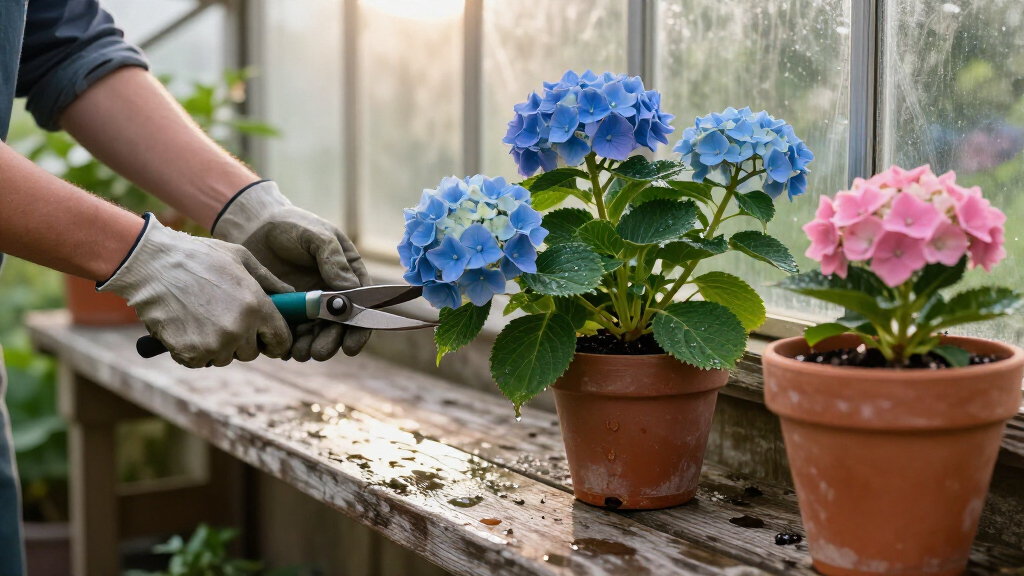
Endless Summer BloomStruck earns the top spot because it solves the single biggest frustration with hydrangeas: a bloom cycle that ends too early. Unlike the Vanilla Strawberry, which puts on one long show from midsummer onward, BloomStruck flowers on both old and new wood, so a late cold snap that zaps early buds doesn’t wipe out the season. The red stems add winter interest that most bigleaf varieties lack, and its tolerance of both sun and shade makes placement far less fussy than fussier macrophyllas. The tradeoff is that flower color shifts with soil pH, so the purple you order may arrive pink or blue once planted. Compared with the smaller Let’s Dance Skyview, it grows larger, so give it room to hit 4 feet in both directions.
Pros:- Reblooms on old and new wood for multiple flushes per season
- Tolerates both sunny and shaded spots
- Distinctive red stems add off-season interest
- Cold hardy down to zone 4
Cons:- Flower color varies with soil pH, so blooms may not match expectations
- Ships dormant with no leaves from late fall through winter
Best for: Gardeners in zones 4-8 who want season-long color and can’t predict late spring frosts
Not ideal for: Small-space gardeners or container growers — at 3-4 feet wide it will outgrow tight foundation beds
- Plant Type:Hydrangea macrophylla
- Container Size:#2 (approx. 2 gallons)
- Mature Height:3-4 ft
- Mature Spread:3-4 ft
- USDA Zones:4-8
- Sunlight Exposure:Full sun to shade
- Blooming Period:Spring through fall
Our verdict“Buy this if you want the most forgiving, longest-blooming hydrangea in the lineup and have the space for a full-size shrub.”
Proven Winners 2 Gal. Let’s Dance Skyview Hydrangea Shrub
Where the Endless Summer BloomStruck demands a 4-foot footprint, Let’s Dance Skyview stays in the 2-3 foot range, which changes what’s possible: narrow side yards, mixed borders, and container plantings all become realistic. This pick makes the most sense for anyone who wants a polished hydrangea without the sprawl, and its zone 4-9 hardiness range actually beats BloomStruck on the warm end. The two-gallon container also means a more established root system at planting than the quart-size Limelight, so you skip the slow starter phase. The flip side is expectation management — it arrives at just 10-14 inches and may be trimmed before shipping, so the box will look underwhelming even though the plant is healthy. Dormant winter shipping is standard but still surprises first-time buyers.
Pros:- Compact 24-36 inch mature height suits containers and tight beds
- Hardy across a wide zone 4-9 range
- Established 2-gallon root system establishes faster than quart-size alternatives
- Handles both full sun and partial shade
Cons:- Ships dormant with no foliage in winter and early spring
- Plants may be trimmed prior to shipping, arriving smaller than expected
Best for: Small-space gardeners and container growers who want a manageable, hardy shrub with a proven pedigree
Not ideal for: Anyone wanting instant impact — the compact habit and small shipping size mean it takes a season or two to fill in
- Brand:Proven Winners
- Container Size:2 gallons
- Mature Size:24-48 in. W x 24-36 in. H
- USDA Hardiness Zones:4-9
- Light Requirements:Full sun to partial shade
- Recommended Spacing:24 inches
- Shipping Condition:Dormant, 10-14 inches tall
Our verdict“The right call for balconies, patios, and narrow beds where a full-size hydrangea would overwhelm the space.”
First Editions 3 Gal. Vanilla Strawberry Hydrangea Shrub
This option stands out for one thing the bigleaf varieties can’t match: flower heads that evolve from creamy white to strawberry red over months, often showing three colors on a single plant at once. Compared with the Limelight, Vanilla Strawberry is the arrangement gardener’s choice — its panicles hold their color beautifully when dried, and the sturdy red stems keep those enormous blooms upright rather than flopping after rain. The three-gallon container delivers a substantially more developed plant than the quart-pot Limelight, which matters if you’re paying for a statement shrub. Be honest about scale, though: at 6-8 feet tall and up to 6 feet wide, this is the largest plant in the batch by a wide margin, and it will swallow a small yard planted too close to a walkway.
Pros:- Color-changing white-to-pink-to-red blooms provide months of visual interest
- Excellent in both fresh and dried arrangements
- Extreme cold hardiness down to zone 3
- Large 3-gallon plant arrives more mature than quart-size options
Cons:- Very large mature size requires careful placement and spacing
- Ships dormant and may be trimmed before shipping
Best for: Cut-flower enthusiasts and gardeners with room for a large, dramatic focal shrub
Not ideal for: Small properties or low borders — its 72-96 inch mature height and 60-inch spread demand serious space
- Botanical Name:Hydrangea paniculata ‘Renhy’ PP20,670
- Container Size:3 gallons
- Mature Size:60-72 in. W x 72-96 in. H
- USDA Hardiness Zones:3-8
- Flower Color:White to pink to strawberry red
- Blooming Period:Spring to fall
- Sunlight Exposure:Full sun to partial shade
Our verdict“Pick this if vases full of dried blooms are the goal and you have the square footage to let it reach full size.”
Limelight Hydrangea Plant Live, 6-10″ Tall in a Quart Pot
This is the low-stakes entry point. While the First Editions Vanilla Strawberry arrives as a hefty three-gallon shrub, this quart-pot Limelight ships small at 6-10 inches — and that’s precisely the point for anyone testing their green thumb or planting a whole hedge on a budget. Limelight is famously forgiving: hardy across zones 3-9, tolerant of routine care once established, and its color-changing blooms deliver the same seasonal drama as pricier panicle varieties. The tradeoff is patience. Expect a full season or two before the plant resembles the photos, and live small-starter shipping means condition on arrival can vary between plants, so it’s worth unpacking and watering immediately. Compared with the Let’s Dance Skyview, you give up a developed root ball but gain a much lower commitment per plant.
Pros:- Very affordable per plant for mass planting and hedges
- Forgiving, low-maintenance variety well suited to first-time growers
- Hardy across an exceptionally wide zone 3-9 range
- Color-changing blooms match the appeal of larger panicle varieties
Cons:- Arrives small (6-10 inches) and takes seasons to reach mature size
- Live starter plants may vary in condition on delivery
Best for: Beginners and budget-conscious gardeners planting multiples for a hedge or mass planting
Not ideal for: Anyone wanting a finished landscape look this season — the 6-10 inch starter size needs a year or more to mature
- Brand:GINGERGLOW
- Plant Height:6-10 inches on arrival
- Pot Size:1 quart
- USDA Hardiness Zone:3-9
- Sunlight Exposure:Full sun
- Blooming Period:Spring to summer
- Moisture Needs:Regular watering
Our verdict“A smart, low-risk buy if you’re willing to trade instant gratification for the cheapest path to a Limelight display.”
Endless Summer BloomStruck Bigleaf Hydrangea, Live Flowering Shrub, 3 Gallon
Think of this as the grown-up version of the #2 container BloomStruck — same celebrated reblooming genetics, but delivered in a three-gallon pot that puts you one full growing season ahead from day one. That head start is the entire value proposition: where the quart-pot Limelight needs years to matter visually, this plant fills a gap in the landscape almost immediately. Like its smaller sibling, it blooms on old and new wood from late spring into fall, and the pH-dependent rose, violet, or blue mopheads let gardeners literally engineer their color with soil amendments. Two real catches: the bloom color is genuinely unpredictable until your soil speaks, and the shipping exclusion list covers 14 western states — a dealbreaker if you garden in California, Colorado, or anywhere on that list.
Pros:- Large 3-gallon size delivers immediate landscape impact
- Reblooms on old and new wood for continuous flowering into fall
- Bloom color can be steered pink, violet, or blue via soil pH
- Low-maintenance and adaptable to varied conditions
Cons:- Cannot ship to 14 western and non-contiguous states
- Bloom color is soil-dependent and unpredictable at purchase
Best for: Gardeners in eligible states who want an established, near-instant landscape presence without waiting years
Not ideal for: Buyers in the 14 excluded western and non-contiguous states — it simply cannot ship to you
- Botanical Name:Hydrangea macrophylla ‘PIIHM-II’ (PP# 25566)
- Pot Size:3 gallons
- Mature Size:3-4 ft tall, 4-5 ft wide
- Hardiness Zones:4-9
- Bloom Color:Rose-pink, violet, blue-purple (pH-dependent)
- Bloom Type:Mophead, reblooming on old and new wood
- Sun Exposure:Partial sun
- Bloom Season:Late spring to early fall
Our verdict“Worth the premium if you’re in a shippable state and want the fastest route to a mature, season-long bloomer.”
Fire Hydrangea Live Plant, 8-14 Inch Tall, Quart Pot
Gardeners who want a hydrangea without a big upfront commitment will find a lot to like here. The Fire Hydrangea arrives in an affordable quart pot, yet still delivers the color-changing pink-to-red blooms that make hydrangeas famous. Compared with the Endless Summer Bloomstruck in its 3-gallon pot, this plant starts much smaller and will take an extra season or two to fill out — that’s the core tradeoff. What you give up in instant impact, you gain in planting flexibility: it acclimates quickly to beds, borders, or containers. Like most bigleaf-type hydrangeas, it demands consistent moisture and well-draining soil, and bloom color shifts with soil chemistry, so expect some variation from year to year.
Pros:- Affordable entry point for hydrangea gardening
- Color-changing blooms add season-to-season visual interest
- Cold hardy and adaptable across USDA zones 5-9
- Versatile in beds, borders, foundation plantings, and containers
Cons:- Requires constant watering and well-draining soil to thrive
- Flower color can be unpredictable depending on soil conditions
Best for: Budget-conscious gardeners and patient beginners who don’t mind waiting a season for a full display
Not ideal for: Anyone wanting immediate curb appeal or a gift-worthy plant — the small quart size arrives looking modest
- Height at shipping:8-14 inches
- Mature height:3-6 feet
- Pot size:Quart pot
- Bloom color:Pink/Red (varies with soil)
- Blooming period:Spring to Summer
- Sunlight exposure:Full sun to partial shade
- USDA hardiness zones:5-9
Our verdict“A low-risk way to get color-changing hydrangea blooms if you’re willing to wait for maturity.”
Pink White Hydrangea Bush Live Plant, 5-9 Inch Tall
This is the pick for gardeners comfortable with a hands-on start. Arriving 5-9 inches tall with no pot included, it’s the most bare-bones option in the lineup — even more minimal than the Fire Hydrangea’s quart pot. The upside is a well-rooted shrub that establishes quickly once planted directly in the ground, skipping any transplant shock from container growing. The tradeoff is presentation: it ships dormant in winter, so don’t expect foliage or blooms on arrival, and you’ll need your own pot or a prepared planting spot ready. Compared with potted alternatives like the Fairytrail Bride, there’s no instant container display — this is purely a plant-first investment for patient growers.
Pros:- Well-rooted system establishes quickly after planting
- Cold-hardy perennial for zones 5-9
- Long-lasting color-changing pink and white blooms
- Works in borders, patio containers, indoors or outdoors
Cons:- Ships without a pot, so you need a planting plan on arrival day
- Dormant in winter — may arrive without visible foliage or blooms
Best for: Experienced gardeners who want to plant directly into beds and don’t need a potted, presentation-ready plant
Not ideal for: Gift buyers or container gardeners — it arrives bare-root and dormant, with no pot and possibly no visible foliage
- Height at arrival:5-9 inches
- Mature height:3-6 feet
- Sunlight exposure:Full sun
- Moisture needs:Moderate watering
- Hardiness zones:5 to 9
- Bloom color:Pink White
- Pot included:No
Our verdict“A solid bare-root choice for gardeners who prioritize root health over presentation.”
Endless Summer Bloomstruck Hydrangea Plant – Pink and Purple Blooming Perennial Shrub (3 Gallon Pot)
If your priority is flowers all season, this is the standout. The Bloomstruck reblooms from early summer through fall, and because it flowers on both old and new wood, a late frost won’t wipe out the whole show — a reliability advantage over once-blooming options like the Spring Sizzle panicle hydrangea. The 8-inch mophead blooms in shifting pink and purple are among the largest in this roundup, and the 3-gallon pot means real garden presence on day one, unlike the smaller quart-pot Fire Hydrangea. Two honest caveats: color still depends on soil pH, and a shrub that reaches 6 feet wide needs a committed spot with consistent moisture — this isn’t a set-and-forget plant.
Pros:- Reblooms multiple times from early summer through fall
- Blooms on both old and new wood for frost-resistant flowering
- Large mophead flowers up to 8 inches across
- Works in garden beds or large patio containers
Cons:- Flower color varies with soil pH
- Can reach 6 feet wide and needs active size management
- Demands consistent moisture in well-draining soil
Best for: Gardeners who want months of continuous color and are willing to maintain consistent watering and occasional pruning
Not ideal for: Small-space gardeners — its 6-foot spread can quickly overwhelm a tight bed or cramped patio corner
- Pot size:3 gallon
- Flower color:Pink and purple
- Mature height:3-6 feet
- Bloom size:Up to 8 inches
- Bloom period:Early summer through fall
- Sunlight exposure:Full sun to partial shade
- USDA hardiness zones:5 to 9
- Features:Reblooming, drought tolerant, container friendly
Our verdict“The best pick for a season-long flower show, provided you have the space and watering discipline it asks for.”
Proven Winners 2 Gal. Fairytrail Bride Cascade Hydrangea Shrub
Every other hydrangea in this roundup grows upward — this one cascades. As the first Cascade Hydrangea available in North America, Fairytrail Bride produces trailing stems covered in white, deckle-edged blooms, making it the clear choice for hanging baskets, retaining walls, and containers where a standard upright shrub like the Spring Sizzle would look stiff. It’s also refreshingly low-maintenance: no deadheading required, and it blooms generously over a long summer period. The tradeoffs are real, though. It’s limited to USDA zones 6-9, so northern gardeners should look at the cold-hardier Spring Sizzle instead, and it ships dormant in winter through early spring, so the dramatic effect takes patience to appear.
Pros:- Unique cascading habit unlike any upright hydrangea
- Extremely floriferous with a long summer bloom period
- No deadheading necessary
- Versatile in hanging baskets, containers, walls, and mixed beds
Cons:- Limited to USDA zones 6-9
- Ships dormant without foliage in winter through early spring
- Deciduous — bare stems in winter reduce off-season interest
Best for: Container gardeners, balcony growers, and anyone styling hanging baskets or cascading wall plantings
Not ideal for: Gardeners in zones 5 or colder — it simply won’t overwinter reliably outside its 6-9 range
- Mature size:48 in. W x 48 in. H
- Pot size:2 gallon
- Flower color:White
- Blooming period:Summer
- Sunlight exposure:Full sun to part sun
- USDA hardiness zones:6-9
- Moisture needs:Regular watering
- Plant type:Deciduous shrub
Our verdict“The only pick here that spills gracefully over edges, ideal for container-focused gardeners in mild climates.”
First Editions Spring Sizzle Panicle Hydrangea Shrub, 2 Gallon
Northern gardeners get the best deal here. With hardiness down to USDA zone 3, the Spring Sizzle out-cold-hardies everything else in this lineup — the Fairytrail Bride taps out at zone 6, and the Bloomstruck at zone 5. As a panicle hydrangea, it also sidesteps the biggest bigleaf frustration: white blooms turn deep red reliably, even in warm regions, because color doesn’t depend on soil pH the way the Fire Hydrangea’s does. The strong stems resist flopping, keeping the plant tidy in hedges and foundation plantings without staking. Its limits are seasonal rather than structural: it blooms only once per season unlike the reblooming Bloomstruck, ships dormant in winter, and may arrive pre-trimmed, so don’t judge it by its shipping size.
Pros:- Hardy to USDA zone 3 — the coldest tolerance in this roundup
- Reliable white-to-deep-red color even in warm climates
- Strong stems hold blooms upright without flopping
- One of the earliest blooming panicle hydrangeas
Cons:- Blooms once per season rather than reblooming
- Ships dormant and possibly pre-trimmed, arriving without foliage in winter
Best for: Cold-climate gardeners in zones 3-5 who want predictable red color and a sturdy hedge or foundation plant
Not ideal for: Gardeners in hot southern zones above 8, or anyone wanting reblooming color all summer
- Botanical name:Hydrangea paniculata ‘Bailpanthree’ PPAF
- Pot size:2 gallons
- Mature size:4-5 ft W x 4-6 ft H
- USDA hardiness zones:3-8
- Sunlight:Full sun to part shade
- Average shipping height:12-18 inches
- Recommended spacing:36 inches
- Foliage type:Deciduous
Our verdict“The safest choice for northern yards, trading repeat blooms for unmatched cold hardiness and dependable red color.”
First Editions Eclipse Bigleaf Hydrangea – Live Plant, Full Gallon Pot
Most hydrangeas in this roundup are grown for their flowers alone, but Eclipse flips that script — its near-black purple foliage delivers drama from spring until frost, whether or not it’s blooming. Compared with the Endless Summer BloomStruck, which offers reblooming flowers over ordinary green leaves, Eclipse keeps its intensity even in warm climates where other dark-leaf varieties fade. The amethyst and cranberry mopheads are lovely, but the foliage is the real event.
The tradeoffs are real, though. Flowers aren’t guaranteed on arrival, and orders placed November through April may show up dormant and bare, which can feel like a letdown if you expect instant impact. At 3-5 feet wide, it also demands more space than the compact Proven Winners Fairytrail Bride.
Pros:- First true dark-leaf mophead with season-long purple-black foliage
- Holds leaf color even in warm climates where dark foliage often fades
- Works equally well as a garden focal point or in large containers
- Blooms from spring through fall in amethyst or cranberry tones
Cons:- Flowers are not guaranteed at time of purchase
- May arrive dormant when ordered November through April
- 3-5 foot spread demands more garden space than compact alternatives
Best for: Gardeners who want a foliage-first statement plant that looks striking even between bloom cycles
Not ideal for: Impatient buyers expecting flowers out of the box, or anyone ordering in winter who’ll be unsettled by a dormant, leafless arrival
- Botanical Name:Hydrangea macrophylla ‘Bailmacseven’ PP34,544
- Mature Height:3-5 feet
- Mature Width:3-5 feet
- Exposure:Morning sun, part shade to shade
- Hardiness Zones:5-9
- Blooming Period:Spring to Fall
- Pot Size:1 gallon
Our verdict“Buy this for the foliage, treat the blooms as a bonus, and don’t panic if it arrives dormant.”
French Hydrangea Macrophylla Live Plant, 4-6 Inch Tall Starter with Mophead Blooms
This is the pick for anyone who values a low cost of entry over instant gratification. The starter arrives just 4-6 inches tall, so unlike the 3-gallon Endless Summer BloomStruck or the 2-gallon Proven Winners Let’s Dance Skyview, you’re buying potential rather than a finished shrub. What you get in exchange is a well-rooted, cold-hardy macrophylla with the classic soil-pH trick: blue flowers in acidic soil, pink in alkaline.
Be honest with yourself about the timeline — blooms will take at least a season or two to develop, and the plant needs rich, well-draining soil with consistent watering to establish. Compared with the similarly small Limelight Hydrangea starter, this one trades panicle blooms for big round mopheads and that color-shifting novelty.
Pros:- Color-changing blooms shift between blue and pink based on soil pH
- Cold-hardy and reliably returns each year after winter dormancy
- Well-rooted starter establishes faster than a bare-root alternative
- Low maintenance once established and tolerates partial shade
Cons:- Arrives as a small 4-6 inch starter, so blooms take a season or more to develop
- Requires consistent watering and rich, well-draining soil to thrive
Best for: Budget-minded gardeners and hydrangea hobbyists who enjoy nurturing a small starter into a mature shrub and experimenting with soil pH
Not ideal for: Anyone planting for a wedding, party, or instant curb appeal — this tiny starter won’t bloom meaningfully for a season or more
- Plant Type:Flowering Shrub (Hydrangea macrophylla)
- Height at Arrival:4-6 inches
- Blooming Period:Spring to Summer
- Sunlight Exposure:Full Sun / Part Shade
- USDA Hardiness Zone:6-9
- Moisture Needs:Regular Watering
- Brand:GINGERGLOW
Our verdict“A cheap, rewarding project plant for patient gardeners — skip it if you need flowers this year.”

How We Picked
I evaluated each hydrangea on five buyer-relevant criteria: reblooming reliability (whether the plant flowers on old wood, new wood, or both), climate fit (cold hardiness and sun tolerance relative to the average US garden), size and maturity at delivery (a quart-pot starter and a 3-gallon shrub are very different purchases), maintenance demands (watering sensitivity, pruning complexity, and color-management needs), and versatility (how many garden situations and skill levels the plant suits). Plants that forgive mistakes ranked higher for most buyers than plants with spectacular but fragile blooms.
The ranking logic favors shrubs that perform across the widest range of conditions first, then rewards specialty picks for excelling within their niche. That’s why reblooming bigleaf hydrangeas in larger containers sit near the top, sun-proof panicle varieties fill the middle of the list, and the bargain starter plants and narrow-use specimens (the Eclipse dark-foliage plant and the Fairytrail Bride cascade) round out the bottom despite being excellent at what they do. Delivery size was weighted heavily because it directly determines whether you get flowers in season one or season three.
| hydrangea plant | Sunlight Exposure | Blooming Period |
|---|---|---|
| Endless Summer BloomStruck Reb | Full sun to shade | Spring through fall |
| Proven Winners 2 Gal. Let’s Da | — | — |
| First Editions 3 Gal. Vanilla | Full sun to partial shade | Spring to fall |
| Limelight Hydrangea Plant Live | Full sun | Spring to summer |
| Endless Summer BloomStruck Big | — | — |
| Fire Hydrangea Live Plant | Full sun to partial shade | Spring to Summer |
| Pink White Hydrangea Bush Live | Full sun | — |
| Endless Summer Bloomstruck Hyd | Full sun to partial shade | — |
| Proven Winners 2 Gal. Fairytra | Full sun to part sun | Summer |
| First Editions Spring Sizzle P | — | — |
| First Editions Eclipse Bigleaf | — | Spring to Fall |
| French Hydrangea Macrophylla L | Full Sun / Part Shade | Spring to Summer |
Factors to Consider When Choosing Best Hydrangea Plants
Choosing between hydrangea varieties comes down to matching the plant’s biology to your climate, light, and patience level. These are the factors that actually change outcomes in the garden.Old Wood vs. New Wood Blooming
This single genetic difference explains most hydrangea heartbreak. Varieties that bloom only on old wood set their flower buds the previous summer, so a late spring frost, an ambitious pruning session, or a harsh winter can eliminate the entire bloom season even though the plant leafs out happily. New-wood bloomers, including all the reblooming Endless Summer and Let’s Dance types in this roundup, set fresh buds through the season, which means mistakes and weather damage cost you weeks of flowers rather than the whole year. If you garden in a cold zone, prune at the wrong time, or are simply new to hydrangeas, new-wood blooming should be non-negotiable. The tradeoff is that some old-wood varieties produce larger, denser mopheads, which is why experienced gardeners in mild climates still grow them.
Sun Exposure and Species Type
Buyers routinely plant the wrong hydrangea for their light, and it’s the most common reason a new shrub fails. Bigleaf and mountain hydrangeas want morning sun and afternoon shade; in full afternoon sun their large leaves scorch and wilt even when the soil is moist. Panicle hydrangeas like Limelight and Vanilla Strawberry handle six-plus hours of direct sun and actually bloom better with it, making them the right call for open, sunny yards. Smooth hydrangeas sit in between and tolerate partial shade well. Before ordering, honestly audit your yard at different times of day, remembering that a bare winter nursery photo won’t show you the summer shade pattern once trees leaf out.
Plant Size at Delivery
Mail-order hydrangeas arrive as everything from 4-inch plugs to 3-gallon established shrubs, and the gap in results is bigger than the gap in cost suggests. A small starter spends its first season growing roots and may not bloom at all until year two, while a 2-3 gallon container plant typically flowers the summer you plant it. Small sizes do have real advantages: they establish faster in some climates, ship more cheaply, and suffer less transplant shock. The mistake to avoid is ordering a 5-inch starter in June and expecting summer flowers. If you’re filling a foundation border for a party next month, pay for the gallon size; if you’re planting a long-term hedge and buying multiples, starters make economic sense.
Flower Color and Soil pH
Bigleaf hydrangea color is chemistry, not genetics alone. In acidic soil (pH around 5.5 or lower) aluminum becomes available to the roots and blooms shift blue to purple; in alkaline soil the same plant produces pink flowers. This means the pink-and-purple labels on bigleaf listings describe possibilities, not promises. Achieving true blue usually requires soil acidification with aluminum sulfate or elemental sulfur, applied months ahead, while pinks need garden lime in acidic regions. Panicle hydrangeas sidestep the issue entirely: they open white or lime-green and age to pink regardless of soil chemistry. Know your soil pH before falling in love with a catalog color.
Mature Size and Placement
Hydrangeas range from 2-foot compact rebloomers to 8-foot panicle giants, and cramped placement causes thelegginess, disease, and brutal pruning cycles that ruin otherwise healthy plants. Check the mature width, not just height, because a wide hydrangea planted against a walkway will need constant trimming that removes next year’s old-wood buds. Also plan for airflow: crowded hydrangeas in humid climates develop powdery mildew and leaf spot. The compact rebloomers in this roundup suit small yards and container growing, while Vanilla Strawberry and Limelight need real estate. Measure your space, add two feet of buffer, and buy accordingly.
Water Commitment
All hydrangeas are thirsty in their first season, but their long-term needs differ sharply by type. Bigleaf hydrangeas with large leaves can wilt daily in summer heat even when established, and dry soil during bud formation directly reduces flowering the following year. Panicle and smooth types are meaningfully more drought-tolerant once rooted in. If you travel frequently, have sandy soil, or face watering restrictions, choose the tougher species or plan drip irrigation from the start. A thick mulch layer around the root zone cuts water needs substantially for every variety in this list.
Frequently Asked Questions
Which hydrangea in this roundup is most likely to bloom reliably in a cold climate?
The Limelight Hydrangea and the reblooming Endless Summer BloomStruck varieties are the safest cold-climate choices, but for different reasons. Limelight is a panicle hydrangea hardy into zone 3, and its buds form on new growth each spring, so winter kill simply doesn’t threaten the flower display. BloomStruck survives colder winters than most bigleaf types and carries the backup of new-wood blooming, meaning even if the stems die back to the ground, the regrowth still flowers. Old-wood-only bigleaf types are the riskiest in zones 5 and colder because a single late frost can take the entire season. If reliable yearly bloom matters more than blue flowers, lean panicle.
Should I buy the small starter plants or pay more for a gallon-size shrub?
It depends on your timeline. A 4-6 inch starter like the French Macrophylla or the Pink White bush is a one-to-two-year project: the first season goes to root establishment, and meaningful blooms usually arrive in year two. A 2 or 3 gallon shrub typically flowers in its first summer in your garden and gives you immediate structure. Starters win on cost per plant, ship with less damage risk, and often catch up to larger plants by year three because younger roots adapt faster. Buy gallon sizes for visible impact this season, and starters when you’re planting multiples or don’t mind waiting. The mistake is buying a starter and judging the variety by its first-year performance.
Why did my pink hydrangea bloom blue (or vice versa)?
Bigleaf hydrangeas change color based on soil pH and aluminum availability, not the color on the label. Acidic soil frees aluminum for uptake, pushing flowers blue and purple; alkaline soil locks aluminum out, producing pink. The unnamed Pink White bush and the BloomStruck pink-and-purple listings are especially likely to shift because their final hue depends entirely on your ground. To push blue, apply aluminum sulfate or elemental sulfur starting months before bloom season; for pink, add garden lime. White-flowering panicle types like Limelight and Vanilla Strawberry are immune to this and will not change color no matter what you add to the soil, so pick those if you want a predictable hue.
Is the Fairytrail Bride cascade hydrangea worth the premium over a standard mophead?
Only if you have the right spot for its trailing habit. Fairytrail Bride produces white lacecap flowers on stems that spill outward and downward, which makes it stunning over retaining walls, in tall containers, or cascading from slopes, but awkward as a conventional rounded foundation shrub. Compared with a mophead like BloomStruck, it offers a lighter, more delicate look rather than dense balls of color, and it carries a higher per-plant price typical of newer introductions. It’s also less forgiving of drought in its first years while the long stems establish. Buy it as a deliberate design element, not as a default hydrangea, and the premium makes sense.
Can these hydrangeas grow in pots permanently?
Yes, but variety choice matters more than most buyers realize. The compact rebloomers, including Let’s Dance Skyview and BloomStruck, adapt best to containers because they stay manageable and flower on new wood, so any winter dieback is cosmetic rather than bloom-ending. Large panicle varieties like Vanilla Strawberry outgrow most pots within two or three seasons unless you size up aggressively. Containers dry out far faster than garden beds, and thirsty bigleaf hydrangeas may need daily summer watering, so plan for a large pot with drainage and consistent irrigation. In cold zones, container roots experience colder temperatures than ground-planted roots, so either choose a hardy variety or plan to shelter the pot in winter.
Conclusion
For most gardeners, the Endless Summer BloomStruck in the larger container is the best overall choice: it reblooms all season, tolerates mistakes, and delivers the classic pink-to-purple mophead flowers people picture when they hear the word hydrangea. The Limelight Hydrangea quart pot is the best value in the lineup, offering proven hardiness and sun tolerance at an entry-level price if you can wait a season for full impact. For a premium purchase, the Proven Winners Fairytrail Bride or the First Editions Eclipse reward experienced gardeners with foliage and form you won’t find anywhere else. Beginners should start with panicle types like Vanilla Strawberry or Spring Sizzle, which forgive pruning errors and full sun, before graduating to pH-sensitive bigleaf varieties. If you’re filling a large sunny border on a budget, buy multiple Limelight starters; if you want one statement shrub that flowers this year, buy the gallon-size BloomStruck or Skyview. Match the plant to your light, zone, and patience, and any of these twelve can thrive.
Columbus Day / Indigenous Peoples' Day Picks
long weekend sales
As an affiliate, we earn on qualifying purchases.