The best cover crop seeds overall in this lineup are the No-Till Cover Crop 13-Seed Mix, 1 lb, for gardeners who want a varied blend without buying a large quantity. For focused goals, Sow Right Seeds Driller Daikon Radish suits gardeners seeking a single-species root crop, while the TnT Peas, Oats, and Vetch mix combines several cool-season crops in one bag. The main tradeoffs are variety versus control, small packs versus bulk quantities, and choosing a crop that fits your planting season and garden plan. A seed mix can save selection effort, but single-species seeds make it easier to target a specific function. Read on for the full breakdown and guidance on choosing seeds for your conditions.

Get garden gear delivered free with Prime
- Fast, free delivery on millions of items
- Prime Video, Amazon Music and more included
- Member-only deals all year
Complete the kit


Key Takeaways
- The 1 lb No-Till 13-Seed Mix is the most balanced starting point: it offers a multi-species blend in a manageable pack, while the ½ lb and 5 lb versions suit smaller and larger planting areas.
- Single-species seeds give gardeners more control: driller daikon radish, winter oats, hairy vetch, and crimson clover each let buyers focus on a narrower crop choice instead of accepting a preset mix.
- Pack size changes the value equation: the 5 lb blends and single-crop bags make more sense for repeated or broad sowing, while smaller collections can reduce leftovers for trial plots.
- Several products overlap in crop purpose but differ in convenience: the two TnT peas, oats, and vetch options share a crop combination, with the 1 lb pack offering a smaller commitment than the 5 lb version.
- Collections favor exploration over precision: the 5-variety, 9-variety, and nitrogen-fixing collections give gardeners multiple seed types, but buyers should check whether each included crop matches their planting window and goals.
| 5-Variety Cover Crop Seed Collection |  | Best for Small Gardens and Raised Beds | Varieties: Oats, buckwheat, white clover, crimson clover, hairy vetch | Number of packs: 5 | Planting season: Spring to fall | VIEW LATEST PRICE | See Our Full Breakdown |
| Sow Right Seeds Driller Daikon Radish Cover Crop Seeds |  | Best for Deep Soil Loosening and Nutrient Collection | Seed count: About 950 | Coverage: 8 × 4 ft garden bed | Germination time: 3–8 days | VIEW LATEST PRICE | See Our Full Breakdown |
| TnT Seed Company Peas, Oats, and Vetch Cover Crop Mix, 5 lb |  | Best for Nitrogen Fixation and Organic Matter Building | Weight: 5 lb | Coverage: 3,000–3,750 sq ft | Seeding rate: 60–70 lb per acre | VIEW LATEST PRICE | See Our Full Breakdown |
| No-Till Farm and Garden Cover Crop Mix Seeds, 1 lb |  | Best for No-Till and Minimal Disturbance Gardens | Weight: 1 lb | Seeds in blend: Hairy vetch, daikon radish, forage collards, triticale | Germination rate: High | VIEW LATEST PRICE | See Our Full Breakdown |
| Outsidepride Gardenway Cover Crop Seed Mix, 10 lb | 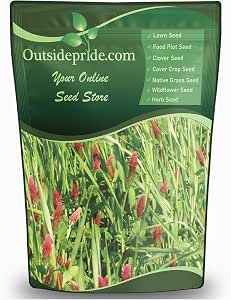 | Best for Large-Scale and Erosion Control | Weight: 10 lb | Seed mix: Triticale, peas, oats, hairy vetch, annual ryegrass, crimson clover, lentils | Expected plant height: 2 feet | VIEW LATEST PRICE | See Our Full Breakdown |
| No-Till Cover Crop 13-Seed Mix, 1 lb |  | Best Broad-Spectrum Mix | Seed varieties: 13 | Clover content: 50% | Bag weight: 1 lb | VIEW LATEST PRICE | See Our Full Breakdown |
| No-Till Cover Crop 13-Seed Mix, ½ lb |  | Best for Raised Beds and Containers | Seed varieties: 13 | Seed mix: 50% clovers, plus fenugreek, vetch, flax, cowpeas, buckwheat, forage peas, millet, and lentils | Weight: 8 oz (½ lb) | VIEW LATEST PRICE | See Our Full Breakdown |
| Sow Right Seeds Nitrogen Fixing Cover Crop Seed Collection |  | Best for Beginners | Seed types: Austrian Winter Pea, Hairy Vetch, Crimson Clover | Packets included: 3 | Coverage per packet: One 8 × 4 ft garden bed | VIEW LATEST PRICE | See Our Full Breakdown |
| Outsidepride Hairy Vetch Cover Crop Seeds, 5 lb |  | Best for Winter-Hardy Single-Species Planting | Seed type: Hairy vetch | Weight: 5 lb (80 oz) | USDA hardiness zones: 3–10 | VIEW LATEST PRICE | See Our Full Breakdown |
| Sow Right Seeds Winter Oats Cover Crop Seeds |  | Best for Seasonal Bed Protection | Plant species: Avena sativa (winter oats) | Packet quantity: Minimum 14 g (about 500 seeds) | Coverage: One 8 × 4 ft garden bed | VIEW LATEST PRICE | See Our Full Breakdown |
| Groundio Crimson Clover Seeds, 2 lb |  | Best Single-Species Nitrogen Fixer | Seed weight: 2 lb. | Coverage: Up to 1,000 sq. ft. | Plant type: Annual crimson clover (Trifolium incarnatum) | VIEW LATEST PRICE | See Our Full Breakdown |
| No-Till Cover Crop 13-Seed Mix, 5 lb |  | Best for No-Till Diversity | Weight: 5 lb. (80 oz.) | Seed varieties: 13 | Mix composition: 50% clovers, plus fenugreek, vetch, flax, cowpeas, buckwheat, forage peas, millet, and lentils | VIEW LATEST PRICE | See Our Full Breakdown |
| Sow Right Seeds Cover Crop Seed Collection, 9 Varieties |  | Best for Small Garden Beds | Packet count: 9 | Seed varieties: Annual buckwheat, crimson clover, Dutch white clover, hairy vetch, yellow mustard, winter oats, Austrian winter pea, daikon radish, and winter rye | Coverage per packet: One 8-by-4-foot garden bed | VIEW LATEST PRICE | See Our Full Breakdown |
| TnT Seed Company Peas, Oats, and Vetch Cover Crop Seeds, 1 lb | | Best for Spring and Fall Soil Cover | Weight: 1 lb. (16 oz.) | Coverage: 600–750 sq. ft. | Blend: Peas, oats, and vetch | VIEW LATEST PRICE | See Our Full Breakdown |
| TnT Seed Company 5 lb All-Purpose Garden Cover Crop Seed Mix |  | Best Bulk Mix for Larger Gardens | Weight: 5 lb. | Blend: 15 species | Coverage: Approximately 3,000–3,750 sq. ft. | VIEW LATEST PRICE | See Our Full Breakdown |
More Details on Our Top Picks
5-Variety Cover Crop Seed Collection
This heirloom seed collection stands out for offering five different cover crop varieties in one package, making it ideal for gardeners seeking diverse soil benefits without the complexity of mixing multiple seeds. Compared with larger-scale mixes like Outsidepride Gardenway, this set is tailored to small-scale plots, providing a manageable and targeted approach to soil health. Its non-GMO, untreated seeds and detailed planting instructions help ensure successful establishment, especially in raised beds or small gardens. However, its focus on small areas means it isn’t suitable for large-scale farm use, and the varying planting seasons require attention to each seed type’s schedule. This pick makes the most sense for home gardeners prioritizing soil improvement in limited spaces while maintaining heirloom quality.
Pros:- Offers five different cover crop varieties in one collection
- Helps improve soil structure, suppress weeds, and support beneficial microbes
- Ideal for raised beds and small gardens with detailed instructions
Cons:- Limited to small planting areas, not suitable for large-scale coverage
- Growing seasons and instructions vary by seed type, requiring careful planning
Best for: Home gardeners with raised beds or small garden plots wanting a diverse, easy-to-use cover crop mix.
Not ideal for: Large-scale farmers seeking extensive soil coverage, as this collection is designed for small gardens and may not provide enough volume for bigger plots.
- Varieties:Oats, buckwheat, white clover, crimson clover, hairy vetch
- Number of packs:5
- Planting season:Spring to fall
- Expected plant height:24 inches
- Sunlight exposure:Full sun
- USDA hardiness zone:3–9
Our verdict“This collection is best suited for small-scale garden enthusiasts looking for diversity and soil benefits without the hassle of managing multiple seed types separately.”
Sow Right Seeds Driller Daikon Radish Cover Crop Seeds
This set of heirloom, non-GMO daikon radish seeds is designed to develop deep taproots that effectively loosen compacted soils—a trait that makes it stand out compared to shallower cover crops like oats or clover. Its roots grow up to 20 inches deep, providing excellent soil aeration and nutrient access, especially beneficial for gardeners facing heavy clay or dense soil. While it’s an excellent choice for soil health, it requires full sun and consistent watering to thrive, which may be a challenge in drier or shadier locations. Unlike the more diverse mix from Outsidepride, this single-species approach focuses solely on soil disruption, making it less suitable if you want multiple benefits like nitrogen fixing or erosion control. This pick makes the most sense for growers prioritizing soil structure improvement over diverse crop benefits.
Pros:- Deep taproots help loosen compacted soil effectively
- Leaves provide soil cover and weed suppression
- Drought-tolerant and winter-hardy for extended use
Cons:- Requires full sun and regular watering to establish well
- Primarily a soil improvement crop, not ideal for nutrient addition or erosion control
Best for: Gardeners aiming to break up compacted soil and improve nutrient cycling in a specific bed or area.
Not ideal for: Those seeking a multi-purpose cover crop with weed suppression and nitrogen fixation, as it focuses solely on soil disruption with radish roots.
- Seed count:About 950
- Coverage:8 × 4 ft garden bed
- Germination time:3–8 days
- Root depth:10–20 in
- Days to maturity:50–60 days
- USDA hardiness zones:2–11
Our verdict“This radish seed set is perfect for gardeners focused on improving soil structure in specific, problematic areas.”
TnT Seed Company Peas, Oats, and Vetch Cover Crop Mix, 5 lb
This seed mix from TnT Seed Company combines peas, oats, and vetch to create a dense ground cover that both suppresses weeds and enriches soil through nitrogen fixation. It offers a versatile approach, suitable for broadcast planting or light incorporation, and can be mowed or tilled after establishing. Compared to more ornamental mixes like Outsidepride Gardenway, this blend emphasizes organic matter and fertility, making it ideal for vegetable beds or farm fields. Its seeding rate is higher, which may require careful measurement, and it needs sufficient moisture to establish successfully. Because it’s a broad mix, it may not be as fast-growing or uniform as single-species options, but it provides reliable cover and nutrient benefits. This makes it a strong choice for growers seeking a balanced, multi-beneficial cover crop.
Pros:- Helps fix nitrogen and adds organic matter to soil
- Dense growth suppresses weeds and prevents erosion
- Flexible planting options—broadcast or lightly incorporate
Cons:- Requires adequate moisture to establish well
- Seeding rates may need precise measurement for even coverage
Best for: Vegetable farmers or serious gardeners looking to fix nitrogen and build organic matter quickly.
Not ideal for: Gardeners with limited space or those seeking quick cover without the need for nitrogen fixation, as the mix takes longer to establish and requires proper moisture management.
- Weight:5 lb
- Coverage:3,000–3,750 sq ft
- Seeding rate:60–70 lb per acre
- Planting season:Spring, summer, fall
- Expected plant height:24 inches
- USDA hardiness zones:Full sun to partial shade
Our verdict“This mix is well-suited for those prioritizing soil fertility and weed suppression in larger or vegetable-focused plots.”
No-Till Farm and Garden Cover Crop Mix Seeds, 1 lb
This non-GMO, open-pollinated seed mix from Mountain Valley Seed Company offers a blend of hairy vetch, daikon radish, forage collards, and triticale, designed specifically for no-till systems. Its diverse composition supports soil health without disturbing established beds, making it ideal for organic or low-impact growers. While the mix is versatile and boasts a high germination rate, the full composition isn’t fully listed, which might concern those wanting precise control over each species. It’s an annual crop, so it doesn’t overwinter, limiting its use to a single season. Compared to larger, multi-pack options, this blend’s smaller size makes it more suitable for specific beds rather than extensive fields. This pick suits growers committed to no-till practices seeking a balance of soil improvement and weed suppression.
Pros:- Includes several cover crop varieties for multiple soil benefits
- Non-GMO and open-pollinated with high germination potential
- Designed for no-till systems to minimize soil disturbance
Cons:- Annual crop, not suitable for overwintering
- Full seed mix composition is not specified, limiting precise planning
Best for: Organic growers practicing no-till methods who want a diverse, soil-friendly cover crop mix for annual planting.
Not ideal for: Farmers needing overwintering cover crops or those seeking detailed seed type specifications, as the full mix composition isn’t disclosed.
- Weight:1 lb
- Seeds in blend:Hairy vetch, daikon radish, forage collards, triticale
- Germination rate:High
- Crop duration:Annual
- Seeds type:Non-GMO, open-pollinated
- ASIN:B0FCSHMG64
Our verdict“This blend is a good choice for organic, no-till growers wanting a flexible, soil-enhancing cover crop that fits into annual planting routines.”
Outsidepride Gardenway Cover Crop Seed Mix, 10 lb
This outdoor seed mix from Outsidepride combines triticale, peas, oats, hairy vetch, ryegrass, crimson clover, and lentils to create a substantial, multi-species cover crop designed to improve soil fertility, water retention, and erosion resistance on larger plots. Its broad species diversity supports pollinators and natural pest control, making it suitable for farms or extensive gardens. Unlike smaller or more specialized mixes, this 10-pound bag offers enough seed for broad coverage, but its planting and blooming periods are limited to summer, which could restrict year-round use depending on local climate. The mix’s effectiveness depends heavily on proper application and local conditions, and results may vary. It’s an excellent choice for those seeking a comprehensive, large-scale cover crop solution.
Pros:- Includes multiple cover crop species for diverse benefits
- Supports soil fertility, water retention, and erosion control
- Large quantity suitable for extensive planting and pollinator attraction
Cons:- Limited to summer planting and blooming periods
- Results can vary depending on local conditions and application practices
Best for: Farmers or large-scale gardeners aiming to improve soil health, reduce erosion, and attract pollinators over extensive areas.
Not ideal for: Small garden owners or those seeking a quick, simple cover crop, as the large seed quantity and summer focus may be overkill for limited spaces or off-season planting.
- Weight:10 lb
- Seed mix:Triticale, peas, oats, hairy vetch, annual ryegrass, crimson clover, lentils
- Expected plant height:2 feet
- Usage:Outdoor
- USDA hardiness zone:3
- Material features:GMO free
Our verdict“This mix is ideal for large-scale projects where soil improvement, erosion control, and pollinator support are priorities, with some variability in results based on conditions.”
No-Till Cover Crop 13-Seed Mix, 1 lb
I’d choose this mix when variety matters more than tailoring the planting to a single goal. Its 13 seed types include legumes such as clovers, vetch, cowpeas, and forage peas alongside buckwheat, flax, and millet, giving a garden bed a broader mix of plant forms than a single-species option like Outsidepride Hairy Vetch. The listed 50% clover content makes clover a major part of the blend, while nitro coating is a useful seed treatment for buyers who want coated seed rather than an untreated packet. At 1 lb, it offers more seed than the matching ½ lb No-Till mix, but less information is provided about coverage or planting conditions. That makes it harder to calculate how much to buy for a particular plot, and a diverse blend may not suit gardeners seeking precise control over crop composition.
Pros:- Combines 13 cover crop varieties in one bag.
- Clovers make up 50% of the listed seed mix.
- Nitro-coated seeds offer a stated seed treatment.
- USA-sourced seed is specified.
Cons:- No coverage or sowing rate is provided, making area planning difficult.
- The blend’s many species make it less suitable when a gardener wants control over the crop composition.
Best for: Gardeners with a small-to-medium bed who want a varied, clover-heavy cover crop blend instead of planting one species.
Not ideal for: Buyers who need a precise coverage rate, want a single crop for a specific purpose, or prefer an inoculation detail to be stated explicitly.
- Seed varieties:13
- Clover content:50%
- Bag weight:1 lb
- Seed coating:Nitro-coated
- Origin:USA
- Listed varieties:Clovers, fenugreek, vetch, flax, cowpeas, buckwheat, forage peas, lentils, and millet
Our verdict“Choose this 1 lb blend for a clover-heavy mix of many cover crop species, but pick a single-species seed if you need a tightly targeted planting.”
No-Till Cover Crop 13-Seed Mix, ½ lb
This 8-ounce, 13-variety blend suits gardeners who want a mixed cover crop planting without buying the 1 lb No-Till version. It includes 50% clovers alongside fenugreek, vetch, flax, cowpeas, buckwheat, peas, millet, and lentils; the Rhizobium inoculation is a distinguishing detail for buyers focused on a legume-rich mix. Its listing specifically names raised beds and no-till container gardening, giving it a clearer small-space use case than Outsidepride Hairy Vetch, which is presented as a 5 lb single-species seed for broader plantings. The tradeoff is that the smaller bag may not stretch far, and its product data lists sandy soil and moderate watering without establishing that those conditions suit every garden. I’d check the planting guidance against the actual bed before choosing it.
Pros:- Combines 13 cover crop varieties in an 8-ounce bag.
- Rhizobium-inoculated mix is specified.
- Listed as non-GMO and all-natural.
- Raised beds and no-till container gardening are named uses.
Cons:- The half-pound quantity may be insufficient for larger plots.
- Listed soil and watering details may not match every garden.
- No area coverage or sowing rate is provided.
Best for: Raised-bed and no-till container gardeners who want a small quantity of inoculated, mixed cover crop seed.
Not ideal for: Gardeners planting a large area, or those whose soil and watering conditions differ from the listing’s sandy-soil and moderate-watering details.
- Seed varieties:13
- Seed mix:50% clovers, plus fenugreek, vetch, flax, cowpeas, buckwheat, forage peas, millet, and lentils
- Weight:8 oz (½ lb)
- Inoculation:Rhizobium
- Material features:GMO-free and natural
- Listed soil type:Sandy soil
- Listed water needs:Moderate watering
- USDA hardiness zones:1–11
Our verdict“Pick this smaller inoculated blend for a raised bed or container, and choose the 1 lb No-Till mix if you need more seed.”
Sow Right Seeds Nitrogen Fixing Cover Crop Seed Collection
I’d point first-time cover-crop growers toward this collection because its three separate packets make the crop choices easier to understand than a single blended bag. Austrian Winter Pea, Hairy Vetch, and Crimson Clover each have a defined identity, and the supplied planting instructions give buyers a starting point. Each packet is listed to cover an 8 × 4 ft garden bed, a helpful planning detail absent from the No-Till 13-Seed mixes. The collection is intended for outdoor planting and fall-to-spring growth, with full sun and regular watering listed. Its focused selection is less varied than a 13-seed blend, and packet-level coverage may be limiting if you need to protect a larger plot. I’d favor it for a small garden where clear instructions matter more than buying seed in bulk.
Pros:- Includes Austrian Winter Pea, Hairy Vetch, and Crimson Clover as separate seed types.
- Each packet is listed to cover an 8 × 4 ft bed.
- Planting instructions and customer support are included.
- Seeds are described as non-GMO heirloom varieties and backed by a germination guarantee.
Cons:- Each packet covers a relatively small garden area.
- The collection is intended for outdoor use only.
- Full sun and regular watering may not fit every planting site.
Best for: New gardeners covering one or more small outdoor beds who want three named nitrogen-fixing crops and planting instructions.
Not ideal for: Growers covering a large field or seeking a broad multi-species blend in one bag.
- Seed types:Austrian Winter Pea, Hairy Vetch, Crimson Clover
- Packets included:3
- Coverage per packet:One 8 × 4 ft garden bed
- Use:Outdoor
- Listed blooming period:Fall to spring
- Sunlight:Full sun
- Material features:GMO-free and heirloom
- Watering:Regular
Our verdict“Choose this collection for an instructed, small-bed start with three named crops; select a larger mix for more coverage or species variety.”
Outsidepride Hairy Vetch Cover Crop Seeds, 5 lb
For growers who want to plant one crop across a larger area, this 5 lb hairy vetch bag offers a more focused alternative to the mixed No-Till 13-Seed blend. Vetch is listed for soil improvement and erosion control, and its USDA zones 3–10 range gives it a broad stated climate fit. The 1–3 ft taproots and livestock-forage use add potential value beyond ground cover, while summer flowers can attract pollinators. That single-species format also means less control over crop diversity than a blend, and the stated 20–50 lb per acre sowing rate could make the bag insufficient for substantial acreage. It is listed for spring planting, loam, and little to no watering; buyers should match those details to their site rather than assume the seed fits every soil or season.
Pros:- A 5 lb quantity is suited to larger plantings than small garden packets.
- Listed for USDA hardiness zones 3–10.
- Hairy vetch is described as useful for soil improvement, erosion control, and livestock forage.
- Purple flowers can attract pollinators, and taproots are listed at 1–3 ft deep.
Cons:- Single-species seed offers less crop diversity than the No-Till 13-Seed mix.
- The stated sowing rate of 20–50 lb per acre may limit coverage on larger areas.
- Listed soil type is loam, which may not match every planting site.
Best for: Gardeners or small-scale growers in zones 3–10 who want a larger quantity of hairy vetch for erosion control, soil cover, or forage.
Not ideal for: Buyers seeking a mixed-species planting, or those covering acreage where the stated sowing rate calls for more seed than this bag contains.
- Seed type:Hairy vetch
- Weight:5 lb (80 oz)
- USDA hardiness zones:3–10
- Expected plant height:3 ft
- Planting period:Spring
- Blooming period:Summer
- Sunlight:Full sun
- Sowing rate:20–50 lb per acre
- Listed soil moisture needs:Little to no watering
Our verdict“Choose this bag for a substantial, single-species hairy vetch planting in its listed zones, but use a diverse mix if you want several crop types.”
Sow Right Seeds Winter Oats Cover Crop Seeds
This packet makes the most sense for gardeners who want a straightforward winter cover for a defined bed rather than a multi-species planting. The listed quantity—at least 14 g, about 500 seeds—is matched to one 8 × 4 ft bed, and winter oats can help suppress weeds, reduce erosion, and leave residue for mulch or added organic matter. The 55–65 day maturity gives a planning reference that the No-Till 13-Seed mix does not provide, while the single-species format is simpler to manage than a blend. Its main limitation is climate: the listing gives USDA zones 8b–10a, far narrower than Outsidepride Hairy Vetch’s zones 3–10. Full sun and regular watering are also specified, so I’d skip this packet where those conditions are hard to provide.
Pros:- Packet quantity is tied to one 8 × 4 ft bed.
- Winter oats can reduce erosion, suppress weeds, and provide residue for mulch or soil organic matter.
- Maturity is listed at 55–65 days, aiding seasonal planning.
- Non-GMO heirloom seed includes planting instructions.
Cons:- Listed USDA hardiness range is limited to zones 8b–10a.
- Full sun and regular watering are specified.
- One packet is intended for only one 8 × 4 ft bed.
Best for: Gardeners in USDA zones 8b–10a who want winter oats to protect one full-sun, 8 × 4 ft bed during the off-season.
Not ideal for: Gardeners outside the listed zones, with shaded or dry beds, or those who need more than one bed’s worth of seed.
- Plant species:Avena sativa (winter oats)
- Packet quantity:Minimum 14 g (about 500 seeds)
- Coverage:One 8 × 4 ft garden bed
- Germination time:7–14 days at soil temperatures of 60°F
- Planting depth:1 in
- Plant spacing:3 in
- Maturity:55–65 days
- USDA hardiness zones:8b–10a
- Watering:Regular
Our verdict“Choose this packet for a single off-season bed in its listed climate range, and choose hairy vetch for a broader stated zone range or a larger planting.”
Groundio Crimson Clover Seeds, 2 lb
Groundio Crimson Clover is a focused choice for gardeners who want one legume to cover soil, suppress weeds, and support pollinators. Its nitrocoated, inoculated seed is prepared for nitrogen fixation, while the stated coverage of up to 1,000 sq. ft. makes this bag easier to size for a defined bed or patch than the small Sow Right Seeds Cover Crop Seed Collection packets. The tradeoff is less functional variety: unlike the No-Till Cover Crop 13-Seed Mix, it does not combine clover with grains, brassicas, or other plant types. Crimson clover is annual, so continued cover can require reseeding, and plants may reach 20 inches—taller than many lawn-focused buyers want. I’d choose it for a straightforward clover stand, not a mixed seasonal rotation.
Pros:- Nitrocoated and inoculated to support nitrogen fixation
- Covers up to 1,000 sq. ft. per 2 lb. bag
- Can help suppress weeds and attract pollinators
- Listed for USDA zones 2–10
Cons:- Annual growth may require reseeding for continued coverage
- Can reach 20 inches, which may be too tall for some lawn uses
Best for: Gardeners who want an inoculated annual legume for a defined area and can allow clover to grow up to 20 inches
Not ideal for: Buyers seeking a varied cover crop blend, permanent clover coverage, or a short, lawn-like ground cover
- Seed weight:2 lb.
- Coverage:Up to 1,000 sq. ft.
- Plant type:Annual crimson clover (Trifolium incarnatum)
- USDA hardiness zones:2–10
- Expected plant height:12–20 inches
- Seed treatment:Nitrocoated and inoculated
- Germination time:7–14 days
- Sun exposure:Full sun to partial shade
Our verdict“Choose Groundio for a broad-zone, single-species clover cover when you want a simple nitrogen-fixing stand and accept annual reseeding.”
No-Till Cover Crop 13-Seed Mix, 5 lb
For gardeners who want several plant types working in one sowing, the No-Till Cover Crop 13-Seed Mix brings clovers, fenugreek, vetch, flax, cowpeas, buckwheat, forage peas, millet, and lentils together. Its 13 varieties offer a broader mix than Groundio’s single-species crimson clover, which may suit beds where varied cover is the priority. Rhizobium inoculation supports the legume portion, and the product is listed for raised beds and no-till container gardening. There is a meaningful fit limitation: the supplied specs identify sandy soil and USDA zone 3, so I would not assume it suits other conditions without checking local guidance. The mix also makes it harder to tailor the stand to one specific job, such as a clover-only nitrogen cover. This is the lineup’s diversity pick, with site fit to verify.
Pros:- Combines 13 cover crop varieties
- Rhizobium-inoculated
- Listed for raised beds and no-till container gardening
- Natural and GMO-free according to the product data
Cons:- Product specs list sandy soil and USDA zone 3, limiting confidence for other sites
- A diverse blend is less tailored than single-species options such as Groundio Crimson Clover
Best for: No-till gardeners with raised beds or containers who want a multi-species cover and whose site matches the listed growing conditions
Not ideal for: Gardeners who need a single-purpose species or are outside the listed sandy-soil, USDA zone 3 conditions
- Weight:5 lb. (80 oz.)
- Seed varieties:13
- Mix composition:50% clovers, plus fenugreek, vetch, flax, cowpeas, buckwheat, forage peas, millet, and lentils
- Inoculation:Rhizobium
- USDA hardiness zone:3
- Listed soil type:Sandy soil
- Material features:Natural and GMO-free
- Brand:No-Till Solutions
Our verdict“Pick this mix for multi-species no-till coverage if your soil and zone align with its listed specifications.”
Sow Right Seeds Cover Crop Seed Collection, 9 Varieties
The Sow Right Seeds Cover Crop Seed Collection is built around experimentation on a small scale: its nine packets each cover an 8-by-4-foot bed, letting gardeners choose among buckwheat, clovers, vetch, mustard, oats, winter pea, daikon radish, and rye. That packet format offers more control than the bulk TnT Seed Company 5 lb All-Purpose Garden Cover Crop Seed Mix, which is sized for thousands of square feet but gives less separation between species. Instructions with each packet also help newer growers match a crop to a bed and planting window. The limitation is scale: nine packets do not translate to broad acreage, and the listed winter planting period plus regular watering may not suit every schedule or climate. I’d pick this for a compact garden learning which covers work best, rather than a large area needing one economical sowing.
Pros:- Nine varieties spanning legumes, grains, brassica, and broadleaf crops
- Each packet is sized for an 8-by-4-foot bed
- Growing instructions are included with each packet
- Listed as non-GMO heirloom seed
Cons:- Coverage per packet is limited to a small garden bed
- Regular watering is recommended
- Listed planting period is winter, which may not match every local growing calendar
Best for: Small-bed gardeners who want to try several cover crop species separately and value packet-level growing instructions
Not ideal for: Growers covering large plots or those unable to provide regular watering during establishment
- Packet count:9
- Seed varieties:Annual buckwheat, crimson clover, Dutch white clover, hairy vetch, yellow mustard, winter oats, Austrian winter pea, daikon radish, and winter rye
- Coverage per packet:One 8-by-4-foot garden bed
- Planting period:Winter
- Sunlight exposure:Full sun
- Soil types:Sandy or clay
- Watering needs:Regular watering
- Seed attributes:Non-GMO and heirloom
Our verdict“Choose this collection to test different cover crops in small beds, but select a bulk mix for larger coverage needs.”
TnT Seed Company Peas, Oats, and Vetch Cover Crop Seeds, 1 lb
TnT Peas, Oats, and Vetch pairs legumes with oats for gardeners who want a more targeted seasonal cover than the Sow Right Seeds nine-packet collection. Peas and vetch can fix nitrogen, while the mix’s dense growth is intended to add biomass, suppress weeds, and shield bare soil from erosion. At 600–750 sq. ft. per pound, it is a practical size for a garden-scale sowing, and the seed can be broadcast or lightly incorporated. The tradeoff arrives at bed turnover: this growth may reach 24 inches and needs mowing, tilling, or time to break down before planting the next crop. Compared with the 5 lb TnT all-purpose blend, this smaller bag has fewer species and a more defined peas-oats-vetch role. Choose it when that seasonal combination fits your rotation.
Pros:- Peas and vetch can fix nitrogen while the mix adds biomass
- Stated coverage is 600–750 sq. ft. per pound
- Suitable for spring, late summer, and fall planting
- Can be broadcast or lightly incorporated
Cons:- Needs adequate moisture to establish
- May reach 24 inches and requires a termination step or breakdown time
- One-pound quantity offers less coverage than the 5 lb TnT all-purpose mix
Best for: Gardeners covering bare beds in spring, late summer, or fall who want legumes plus oats and can plan for termination
Not ideal for: Growers who need a low-growing lawn cover, minimal-moisture establishment, or an immediately plantable bed
- Weight:1 lb. (16 oz.)
- Coverage:600–750 sq. ft.
- Blend:Peas, oats, and vetch
- Planting seasons:Spring, late summer, and fall
- Planting depth:1/2 inch or less
- Sunlight:Full sun to partial shade
- Expected plant height:24 inches
- Moisture needs:Moderate watering
Our verdict“Choose this mix for seasonal garden cover when nitrogen-fixing legumes and oats suit your rotation and you have a plan to clear the growth.”
TnT Seed Company 5 lb All-Purpose Garden Cover Crop Seed Mix
For gardeners covering several beds or a larger growing area, the TnT 5 lb All-Purpose Mix states coverage of roughly 3,000–3,750 sq. ft. Its 15 species span legumes, grains, brassicas, and broadleaf plants, giving it a wider crop mix than the smaller TnT Peas, Oats, and Vetch bag. That breadth suits buyers seeking varied soil cover across spring, summer, or fall plantings, with broadcast or light incorporation as options. The tradeoff is less crop-by-crop control: a blend is harder to tailor than the nine separate packets in Sow Right Seeds’ collection. Despite the listed low-to-no watering need, establishment still depends on suitable moisture, and the stand must be mowed, tilled, or winterkilled before resetting the garden. I’d choose this for broad coverage when species diversity matters more than managing each crop separately.
Pros:- Fifteen species combine legumes, grains, brassicas, and broadleaf plants
- One jug covers approximately 3,000–3,750 sq. ft.
- Listed for spring, summer, and fall planting
- Can be broadcast or lightly incorporated, with mowing, tilling, or winterkill as termination options
Cons:- Mixed species offer less control than separate packets in the Sow Right Seeds collection
- Establishment still depends on proper moisture
- The cover must be terminated or winterkilled before the garden is reset
Best for: Gardeners with multiple beds or larger plots who want a broad seasonal blend and can manage crop termination
Not ideal for: Small-bed growers who want separate species trials or buyers who need a cover crop that requires no reset before replanting
- Weight:5 lb.
- Blend:15 species
- Coverage:Approximately 3,000–3,750 sq. ft.
- Coverage per pound:600–750 sq. ft.
- Seeding depth:1/4 inch or less
- Planting seasons:Spring, summer, and fall
- Sunlight:Full sun to partial shade
- Expected plant height:20 inches
Our verdict“Pick this bulk blend for broad, varied garden coverage when you can accommodate its mixed growth and termination needs.”

How We Picked
I ranked these cover crop seed options by how clearly they serve a garden need, how practical their pack size is for the likely buyer, and how much flexibility they offer. I gave multi-species mixes credit for convenience and broader choice, while single-species products scored better for gardeners who want a more targeted planting. I also weighed whether a product seems suited to a small trial bed, repeated sowing, or a larger area based on its stated package size.
The ranking favors useful balance over variety count alone: a manageable mix with a clear role comes ahead of a collection whose best use depends on sorting through several crop types. Larger packs rank well for established plans, but not automatically above smaller ones, since excess seed can be a poor fit for a first-time buyer. The list also separates products that share a crop blend by pack size and intended scale, rather than treating them as interchangeable.
Factors to Consider When Choosing Best Cover Crop Seeds
Choosing cover crop seeds starts with your garden plan, not the longest ingredient list. I would match the crop to the season, the area you can sow, and how you plan to manage the planting before comparing pack sizes or collections.
Match the Crop to Your Planting Window
Cover crops are tied closely to the season in which you can establish them, so check the seed packet’s planting guidance against your local frost dates and available growing time. A winter-oriented crop such as oats may fit a different schedule from a summer planting, while a mixed collection can contain crops with different timing needs. A common mistake is buying a blend because it sounds versatile without checking whether all its components suit the same sowing window. If your planting date is uncertain, a clearly labeled single-crop option can be easier to plan around. Local climate and garden conditions still matter, so use the product instructions as a starting point rather than assuming one calendar works everywhere.
Choose a Mix or a Single Species Based on Your Goal
A mix saves time and brings several crop types together, which can appeal to gardeners who want a broader planting without sourcing each seed separately. A single-species bag offers more control over what grows and can be the better route when you have a specific crop in mind, such as daikon radish or crimson clover. Collections with five or nine varieties may offer breadth, but more varieties do not automatically mean a better fit for one bed. Check the listed contents and think about whether you can use every component. If you want a particular result, choose by the actual crop ingredients rather than the word “all-purpose” on the package.
Estimate Area Before Choosing Pack Size
Pack size affects how much ground you can sow, how often you can replant, and how much seed may remain unused. The ½ lb and 1 lb products in this roundup suit buyers who want to test a mix or cover a limited area, while 5 lb options are more relevant to larger plots or repeat plantings. Do not compare package weights alone: seed size and the product’s recommended sowing rate affect how far a bag goes. Read the coverage guidance when available, then measure the bed or plot you intend to plant. Buying a large bag before confirming your plan can leave you with more seed than you can use responsibly.
Think Through How You Will Manage the Crop
Before sowing, decide how you expect to handle the cover crop when its growing period ends. Your approach may depend on available tools, the crop’s growth habit, and whether the area is a garden bed or a larger field. A dense or varied mix may take more planning to manage than a small, clearly defined single-species planting. One frequent error is focusing only on germination and overlooking the work needed to cut, incorporate, or otherwise clear the crop before planting the next crop. If you have limited equipment or time, begin with a smaller area and follow the seed supplier’s guidance for termination and timing.
Read Collection Labels for Ingredients and Purpose
Product names can signal a goal, but the ingredient list is what tells you what you are actually buying. A nitrogen-fixing collection, for example, should be checked for its included species and sowing instructions rather than selected on its name alone. The same applies to broad garden blends: seed ratios and crop combinations can vary, and the label may clarify whether the product is suited to a particular season or use. If you need predictable results in a small bed, a collection with undisclosed or unclear proportions may be harder to plan than a single crop. Compare the label details with your garden conditions before treating several products as equivalent.
Decide When Variety Is Worth Paying For
A larger or more varied product can make sense when you already know how you will use its contents across beds or seasons. It may be a poor fit for a beginner who has one small plot and no clear plan for each crop. Smaller packs are useful for trials, but repeated purchases can be less practical once you have settled on a seed mix that works for your routine. I would spend more on quantity or variety only when the added seed has a defined place in the garden plan. Otherwise, prioritize clear ingredients, manageable coverage, and planting instructions over a bigger assortment.
Frequently Asked Questions
Which cover crop seeds make the most sense for a first trial bed?
I would start with a smaller pack of a clearly labeled product, such as the ½ lb No-Till 13-Seed Mix or a single-species option suited to your plan. A limited quantity lets you learn how the crop establishes and how much management it needs before you sow a larger area. If you want to compare several crop types, a small collection can work, but check that its varieties match your planting season. Avoid choosing a large bag solely because it contains more seed. Your first trial should be easy to measure, monitor, and clear when the planting period ends.
Should I buy a cover crop mix or a single crop seed?
Choose a mix when convenience and a combination of crop types matter more than precise control over each species. Choose a single crop when you have a specific planting goal, a narrow sowing window, or a preference for knowing exactly what is in the bed. This roundup includes both approaches: multi-species blends such as the No-Till mixes and focused products such as winter oats, hairy vetch, and daikon radish. A mix is not automatically more effective, since its ingredients and proportions must suit your conditions. Read the label before deciding, especially if you need every crop to fit the same schedule.
How do I choose between the ½ lb, 1 lb, and 5 lb versions of a mix?
Start with the area you intend to sow and the package’s recommended seeding rate, not weight alone. A ½ lb pack can suit a small trial, while 1 lb may offer a middle ground for a home garden; a 5 lb pack fits a larger or repeated planting plan. The lineup includes the No-Till 13-Seed Mix in all three sizes, making pack scale a direct point of comparison. Seed size and blend composition affect coverage, so the same weight does not always cover the same area across products. If you have not planted the mix before, a smaller quantity can limit leftover seed while you learn how it performs in your garden.
Can I plant a cover crop mix without checking each seed’s season?
I would not rely on the word “mix” as proof that every included crop fits your timing. Check the label for planting season, local sowing guidance, and any instructions about temperature or frost. Collections with several varieties may include crops whose schedules differ, so knowing the ingredients can help you decide whether to sow everything together. If the information is unclear, contact the seed seller or choose a single-species product with more direct planting guidance. Matching timing to your local climate can prevent a useful seed purchase from becoming a poorly timed planting.
Is a larger seed collection a better choice than a focused mix?
Not necessarily: a collection gives you more crop types, but that variety only helps if you have a plan for using them. The 5-variety and 9-variety collections may appeal to gardeners who want to experiment across beds or seasons, while a focused mix is simpler when you need one planting for one purpose. More ingredients can make sowing rates and crop timing harder to interpret if the label is not clear. Compare the contents, pack size, and instructions rather than ranking products by variety count. For a single small bed, a focused option may be easier to manage and less likely to leave unused seed.
Conclusion
For most gardeners seeking a balanced starting point, I recommend the No-Till Cover Crop 13-Seed Mix, 1 lb as the best overall pick: it pairs a varied blend with a manageable quantity. The best value by scale is the 5 lb version of that mix or the TnT Peas, Oats, and Vetch 5 lb option when you already have a larger planting plan. For beginners, I would choose the ½ lb No-Till mix or a focused single-crop product to keep the first trial easier to manage. The best premium-style choice for breadth is the Sow Right Seeds Cover Crop Seed Collection, 9 Varieties, provided you have a use for its range. For specific needs, choose by crop: Driller Daikon Radish for a single-species planting, Winter Oats for a winter-oriented option, Hairy Vetch or Crimson Clover for a focused legume choice, and the Peas, Oats, and Vetch mix for a ready-made combination. Match the product to your season, space, and crop-management plan before settling on pack size.