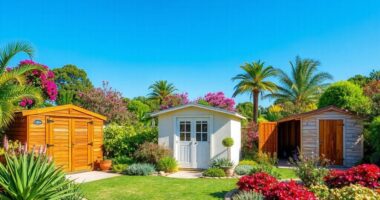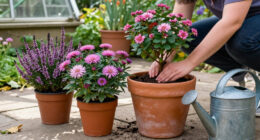
When it comes to bonsai greenhouse designs, the goal is to create a controlled environment that nurtures delicate trees while fitting your space and budget. The best overall pick offers a balance of durability, climate control, and ease of assembly. Compact models excel for small spaces, but may lack advanced features, while premium designs deliver superior energy efficiency at a higher price. The main tradeoffs revolve around size, automation, and cost, making it essential to match your specific needs. Continue reading for a detailed breakdown of the top options in 2026.

Get garden gear delivered free with Prime
- Fast, free delivery on millions of items
- Prime Video, Amazon Music and more included
- Member-only deals all year
Complete the kit


Key Takeaways
- The top-ranked bonsai greenhouse balances durability with user-friendly assembly and climate control features.
- Size and space constraints significantly influence the best choice, with compact designs fitting small areas but limiting capacity.
- Energy-efficient greenhouse options tend to be more expensive upfront but save money over time through lower operating costs.
- Automation features like ventilation and heating controls are a key differentiator among higher-end models.
- Budget considerations often require tradeoffs between premium features and basic functionality, making clear priorities essential.
| Bonsai (DK Eyewitness Books) |  | Best for Beginners and Enthusiasts Seeking In-Depth Art Knowledge | Type: Reference book | Focus: Artistic bonsai techniques | Recommended for: Beginners and enthusiasts | VIEW ON AMAZON | See Our Full Breakdown |
| The Forest Garden Greenhouse: How to Design and Manage an Indoor Permaculture Oasis |  | Best for Sustainable Indoor Garden Enthusiasts | Focus: Permaculture and ecology | Application: Indoor greenhouse management | Technical detail: Limited | VIEW ON AMAZON | See Our Full Breakdown |
| The Art of Bonsai Design |  | Best for Serious Bonsai Cultivators and Design Enthusiasts | Type: Design and care guide | Focus: Aesthetic bonsai shaping | Suitable for: Intermediate to advanced bonsai growers | VIEW ON AMAZON | See Our Full Breakdown |
| Greenhouse Types, Designs, and Energy Management |  | Best for Greenhouse Architects and Technicians | Type: Design and energy management | Application: Large-scale or sustainable greenhouses | Technical detail: Conceptual | VIEW ON AMAZON | See Our Full Breakdown |
| The Year-Round Solar Greenhouse: How to Design and Build a Net-Zero Energy Greenhouse |  | Best for Eco-Conscious Builders and Energy Enthusiasts | Type: Design and construction guide | Focus: Net-zero energy greenhouse | Construction detail: Extensive | VIEW ON AMAZON | See Our Full Breakdown |
| How to Build Your Own Greenhouse: Designs and Plans to Meet Your Growing Needs |  | Best for DIY Gardeners and Customization | Content Type: Greenhouse building plans and designs | Intended Audience: DIY gardening enthusiasts | Format: Printed book | VIEW ON AMAZON | See Our Full Breakdown |
| bonsai greenhouse design | Focus | Type | Technical detail |
|---|---|---|---|
| Bonsai | Artistic bonsai techniques | Reference book | — |
| The Forest Garden Greenhouse: | Permaculture and ecology | — | Limited |
| The Art of Bonsai Design | Aesthetic bonsai shaping | Design and care guide | Design-focused |
| Greenhouse Types | Design variety and energy strategies | Design and energy management | Conceptual |
| The Year-Round Solar Greenhous | Net-zero energy greenhouse | Design and construction guide | — |
| How to Build Your Own Greenhou | Custom greenhouse construction | — | — |
More Details on Our Top Picks
Bonsai (DK Eyewitness Books)
This reference book stands out for providing a thorough understanding of bonsai as an art form, making it ideal for serious hobbyists and newcomers alike. Compared with the more technical The Art of Bonsai Design, this book emphasizes aesthetic principles and historical context, which can inspire creative bonsai greenhouse designs. However, it lacks specific guidance on greenhouse construction or climate control, meaning it’s better suited for those focusing solely on tree styling rather than greenhouse setup. Its detailed illustrations and historical insights make it a valuable resource for understanding the cultural significance of bonsai, but less useful if you need practical, build-specific advice.
Pros:- Rich historical and cultural context enhances artistic appreciation
- Detailed illustrations support understanding of bonsai techniques
- Ideal for beginners wanting foundational knowledge
Cons:- Does not include practical greenhouse construction details
- Lacks information on climate management or environmental control
- Focuses more on art than on horticultural infrastructure
Best for: Beginners or hobbyists interested in the artistic and cultural aspects of bonsai, who want to deepen their knowledge without immediate focus on greenhouse design.
Not ideal for: Greenhouse builders seeking technical construction guidance or energy management strategies.
- Type:Reference book
- Focus:Artistic bonsai techniques
- Recommended for:Beginners and enthusiasts
- Illustrations:Yes
- Cultural content:Extensive
- Construction guidance:None
Our verdict“This book is perfect for enthusiasts interested in the artistic side of bonsai, but it falls short as a guide for greenhouse design or climate optimization.”
The Forest Garden Greenhouse: How to Design and Manage an Indoor Permaculture Oasis
Compared with specialized bonsai books like The Art of Bonsai Design, this guide offers a broad approach focused on creating sustainable, productive indoor environments. It excels at helping those interested in permaculture principles optimize space and ecological health within a greenhouse, making it ideal for eco-conscious growers. Nonetheless, it doesn’t delve into specific greenhouse structures or climate control details, which limits its usefulness for someone needing technical construction guidance. This book’s strength lies in its holistic management advice, but it may leave advanced users wanting more detailed step-by-step instructions on greenhouse setup.
Pros:- Comprehensive coverage of indoor permaculture principles
- Practical tips for ecological management and space utilization
- Suitable for a broad skill level, from novices to experienced growers
Cons:- Lacks detailed technical specifications for greenhouse construction
- No step-by-step building instructions or technical schematics
- Focuses more on ecological management than on physical design
Best for: Indoor permaculture growers seeking sustainable, eco-friendly greenhouse management strategies, from beginners to intermediate gardeners.
Not ideal for: Bonsai enthusiasts looking for styling or pruning techniques, as the focus is on permaculture design principles rather than bonsai care.
- Focus:Permaculture and ecology
- Application:Indoor greenhouse management
- Technical detail:Limited
- Skill level:Beginner to intermediate
- Design emphasis:Sustainability
- Construction guidance:Minimal
Our verdict“This book is a solid choice for those aiming to create sustainable, productive indoor greenhouses, but it doesn’t provide detailed building plans.”
The Art of Bonsai Design
This book is distinguished by its detailed guidance on bonsai styling and design, making it ideal for growers wanting to craft aesthetically pleasing bonsai arrangements. Unlike the more general Bonsai (DK Eyewitness Books), it emphasizes specific techniques like wiring, pruning, and shaping, which are crucial for creating a visually harmonious bonsai greenhouse. Its lack of technical guidance on climate control or greenhouse construction means it’s best suited for those already planning their greenhouse environment or willing to seek additional resources. This focus on art and technique makes it less suitable for beginners who need foundational horticultural knowledge.
Pros:- Extensive coverage of bonsai styling techniques
- Suitable for both beginners and advanced growers interested in design
- Focuses on aesthetic harmony and artistic principles
Cons:- No technical details on greenhouse structure or climate control
- Requires prior knowledge or additional resources for setup
- Limited practical guidance on greenhouse environmental management
Best for: Experienced bonsai enthusiasts or professionals seeking advanced design techniques to improve their greenhouse displays.
Not ideal for: Complete beginners or those who need practical greenhouse construction or environmental management advice.
- Type:Design and care guide
- Focus:Aesthetic bonsai shaping
- Suitable for:Intermediate to advanced bonsai growers
- Technical detail:Design-focused
- Climate control:Not covered
- Construction:Not addressed
Our verdict“This book makes sense for serious bonsai growers wanting to refine their design skills, but it doesn’t cover greenhouse construction or climate optimization.”
Greenhouse Types, Designs, and Energy Management
Compared with books focused on specific plant types like bonsai, this publication offers a broad overview of greenhouse design and operational efficiency. It covers various types—from lean-to to freestanding—along with energy management strategies, making it especially valuable for those planning large or energy-efficient greenhouses. However, it lacks detailed technical specifications or practical building instructions, which could limit its usefulness for DIY builders or hobbyists. This book excels at providing conceptual frameworks and sustainability ideas but falls short on step-by-step guidance or detailed engineering data, making it more suited for professionals or serious planners.
Pros:- Wide coverage of greenhouse types and design considerations
- Insight into energy efficiency and sustainability strategies
- Useful for planning large-scale or eco-friendly greenhouses
Cons:- No detailed technical specifications or plans
- Lacks practical, step-by-step construction instructions
- More conceptual than hands-on
Best for: Greenhouse designers, engineers, and serious hobbyists interested in understanding different types and energy strategies for large-scale or sustainable greenhouses.
Not ideal for: Beginners or hobbyists seeking simple, ready-to-build greenhouse plans or detailed construction guides.
- Type:Design and energy management
- Application:Large-scale or sustainable greenhouses
- Technical detail:Conceptual
- Focus:Design variety and energy strategies
- Build instructions:Not included
- Target audience:Professionals and serious planners
Our verdict“This book is perfect for professionals or advanced planners focused on design and energy efficiency, but it’s less helpful for DIY builders or hobbyists seeking detailed plans.”
The Year-Round Solar Greenhouse: How to Design and Build a Net-Zero Energy Greenhouse
This guide makes a compelling case for designing greenhouses that operate year-round with minimal energy input, setting it apart from more general design books. It provides detailed instructions on constructing energy-efficient, net-zero greenhouses, which can be highly beneficial for those interested in sustainable, off-grid solutions. Compared with Greenhouse Types, Designs, and Energy Management, it offers practical building techniques and real-world examples, but it doesn’t cover specific product features or physical specifications. Its focus on sustainability makes it less suitable for those solely interested in decorative or traditional greenhouse designs. This book is ideal for environmentally-minded builders prepared to implement advanced energy-saving techniques.
Pros:- Provides detailed, step-by-step construction guidance
- Focuses on sustainable, energy-efficient design principles
- Useful for both DIY enthusiasts and professional builders
Cons:- Lacks specific product features or physical specifications
- Requires understanding of energy principles for full benefit
- Less focused on aesthetic design details
Best for: Eco-conscious builders and energy enthusiasts eager to create sustainable, net-zero greenhouses for year-round use.
Not ideal for: Beginners or hobbyists looking for simple greenhouse plans without an emphasis on energy efficiency or sustainability.
- Type:Design and construction guide
- Focus:Net-zero energy greenhouse
- Construction detail:Extensive
- Sustainability:High
- Technical complexity:Moderate to advanced
- Target audience:Eco-conscious builders and professionals
Our verdict“This book is essential for those committed to building energy-efficient, sustainable greenhouses, though it’s less suited for purely decorative or traditional designs.”
How to Build Your Own Greenhouse: Designs and Plans to Meet Your Growing Needs
This book stands out for its detailed, step-by-step greenhouse building plans, making it an ideal resource for DIY enthusiasts who want to tailor their greenhouse to specific bonsai needs. Unlike ready-made greenhouse designs, it offers the flexibility to create a structure perfectly suited to your space and climate, but it requires considerable time, effort, and some construction skills. The plans emphasize practicality and customization, enabling you to incorporate features like proper ventilation and light management crucial for bonsai cultivation. However, as a non-product guide, it lacks specifics on materials or technical features found in physical greenhouse options. This pick is best for individuals comfortable with DIY projects who prefer a highly personalized greenhouse solution.
Pros:- Provides comprehensive, detailed building plans
- Allows customization to fit specific bonsai needs and space constraints
- Suitable for those with DIY skills and patience
Cons:- Requires significant time investment and technical skill
- No information on specific materials or durability features
Best for: Experienced DIY gardeners seeking custom greenhouse plans tailored to bonsai cultivation
Not ideal for: Beginners or those wanting a ready-made greenhouse with minimal construction effort
- Content Type:Greenhouse building plans and designs
- Intended Audience:DIY gardening enthusiasts
- Format:Printed book
- Difficulty Level:Moderate to advanced
- Focus:Custom greenhouse construction
- Coverage:Designs and plans for various greenhouse types
Our verdict“This book is a perfect choice for DIY gardeners who want to design a bespoke greenhouse suited specifically for bonsai growth and are prepared for hands-on building.”

How We Picked
Our selection process focused on evaluating each bonsai greenhouse design based on durability, ease of setup, climate control capabilities, energy efficiency, and overall value. We considered the versatility of each model for different space sizes and maintenance levels, emphasizing how well they support healthy bonsai growth. The ranking reflects a balance between performance and affordability, prioritizing designs that offer reliable construction and user-friendly features while acknowledging tradeoffs like size or cost. Our aim was to identify options suitable for a range of buyers, from beginners to seasoned growers, ensuring each choice provides clear advantages in its category.| bonsai greenhouse design | Type | Focus | Technical detail |
|---|---|---|---|
| Bonsai | Reference book | Artistic bonsai techniques | — |
| The Forest Garden Greenhouse: | — | Permaculture and ecology | Limited |
| The Art of Bonsai Design | Design and care guide | Aesthetic bonsai shaping | Design-focused |
| Greenhouse Types | Design and energy management | Design variety and energy strategies | Conceptual |
| The Year-Round Solar Greenhous | Design and construction guide | Net-zero energy greenhouse | — |
| How to Build Your Own Greenhou | — | Custom greenhouse construction | — |
Factors to Consider When Choosing Bonsai Greenhouse Designs
Choosing the right bonsai greenhouse design requires understanding several key factors that influence growth, maintenance, and long-term investment. Beyond just appearance, consider how climate control, size, and energy use align with your specific needs. This guide highlights crucial considerations to help you make an informed decision and avoid common pitfalls, such as overestimating space or underestimating maintenance needs.Size and Space Requirements
Size is often the most immediate concern. Smaller greenhouses fit limited spaces and are easier to maintain but may restrict the number of bonsai trees you can grow. Larger models provide more room for multiple trees and better airflow but require more space and higher initial investment. Carefully assess your available area and future expansion plans to select a design that offers enough capacity without overwhelming your space.
Climate Control and Ventilation
Maintaining stable temperature and humidity levels is vital for healthy bonsai development. Look for designs with adjustable ventilation, heating, and shading options. Automated climate control systems simplify maintenance but tend to increase upfront costs. Failing to include proper ventilation can lead to mold, pests, or temperature fluctuations, undermining your bonsai’s health.
Energy Efficiency and Sustainability
Energy-efficient features like solar panels or insulation can significantly reduce ongoing costs, especially for larger or more automated greenhouses. While these options often come with higher initial prices, they provide long-term savings and environmental benefits. Balance your budget with the desire for sustainability, considering if energy-saving features align with your long-term goals.
Ease of Assembly and Maintenance
Easy-to-assemble designs save time and reduce frustration, especially for beginners. Consider the complexity of construction and the availability of clear instructions. Maintenance features such as accessible cleaning points, durable materials, and automated systems can ease ongoing care. Overly complex setups may discourage regular upkeep, risking health issues for your bonsai.
Budget and Long-Term Value
Deciding how much to invest depends on your goals and budget. While cheaper models might seem appealing, they often lack durability or advanced features, leading to higher replacement or upgrade costs later. Premium designs offer superior longevity and features but require a bigger initial outlay. Prioritize what matters most—durability, energy savings, or automation—to find the best value for your needs.
Frequently Asked Questions
What is the ideal size for a bonsai greenhouse?
The ideal size depends on how many bonsai trees you intend to grow and your available space. For hobbyists with a few trees, a small to medium-sized greenhouse—around 4×6 feet—can suffice. Larger setups, suitable for serious enthusiasts or collections, might require 8×10 feet or more. Always leave enough room for proper airflow and maintenance access, as overcrowding can lead to health issues for your bonsai.
Should I prioritize energy efficiency over initial cost?
Prioritizing energy efficiency can lead to significant savings over time, especially if your greenhouse is large or automated. While energy-efficient models often have a higher upfront cost, they reduce ongoing utility bills and are more environmentally friendly. If your budget is tight, consider a balanced approach—select a reasonably efficient design and supplement it with climate control accessories as needed. Long-term savings can outweigh initial expenses in most cases.
How important is automation in bonsai greenhouse designs?
Automation enhances consistency in climate control, reducing the daily effort needed to maintain optimal conditions. Features like automatic ventilation, shading, and heating can improve plant health and simplify care, especially if you travel or have a busy schedule. However, automation typically increases the price and complexity of setup. If you’re a beginner or prefer manual control, simpler models may be more suitable, though they require more hands-on management.
What materials are best for durability and insulation?
Materials like polycarbonate panels provide excellent durability and insulation compared to traditional glass, reducing temperature fluctuations and protecting your bonsai from pests. Metal frames, especially aluminum, resist rust and are lightweight, making assembly easier. Avoid cheap plastics or thin materials, which can degrade quickly or fail to insulate properly, leading to higher maintenance costs and less stable growing conditions.
Can I build my own bonsai greenhouse, or should I buy a pre-made design?
Building your own greenhouse offers customization and potential cost savings but requires DIY skills and time investment. Pre-made designs are more reliable in terms of structure and climate control but may be less tailored to your specific needs. Consider your experience level, available space, and long-term plans. For beginners or those short on time, buying a ready-made design with support and warranty can provide peace of mind and a more predictable setup.
Conclusion
For those just starting out or with limited space, a compact and easy-to-assemble greenhouse—like the top-rated model—serves as a practical entry point. Serious bonsai enthusiasts seeking long-term savings and advanced climate control will benefit from premium, energy-efficient designs. If you prioritize durability and customization, building your own may be the best route. Overall, the best choice depends on your experience, space, and budget, with clear options for every type of buyer in this roundup.
As an affiliate, we earn on qualifying purchases.Fall yard work Picks
leaf blowers