TL;DR
Gardeners should perform six vital tasks in July to sustain healthy tomato plants and maximize harvests. These include watering, pruning, supporting, pest control, fertilizing, and monitoring for diseases.
Gardeners should focus on six key tasks in July to ensure their tomato plants remain healthy and productive. These practices are confirmed to promote better fruit yields and reduce common problems such as diseases and pests, according to horticultural experts.
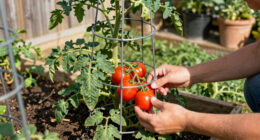
First, consistent watering is crucial, especially during hot, dry spells, to prevent blossom end rot and cracking. Experts recommend deep, regular watering at the base of plants, avoiding wetting the foliage. Second, pruning suckers and excess foliage helps improve air circulation and sunlight penetration, reducing the risk of fungal infections. Third, providing support through staking or cages keeps plants upright, minimizing damage and making harvesting easier.
Fourth, vigilant pest control is essential; common pests like tomato hornworms and aphids can severely damage plants if not managed promptly. Organic options such as neem oil or insecticidal soap are recommended. Fifth, fertilizing with a balanced, high-potassium fertilizer encourages fruit development. Lastly, monitoring for signs of diseases such as early blight or fusarium wilt allows for timely intervention, including removing affected leaves or applying appropriate fungicides.
Why July Gardening Tasks Impact Tomato Yields
Performing these six tasks in July directly influences the health and productivity of tomato plants. Proper watering and support prevent physical damage, while pest and disease management reduce crop loss. These practices help gardeners achieve a bountiful harvest, making the effort worthwhile. As horticultural experts emphasize, timely care during this critical month can significantly increase fruit quality and quantity, ensuring gardeners enjoy fresh tomatoes throughout the season.

Legigo 6-Pack Tomato Cage for Garden Plant Support- Up to 48inch Garden Stakes Tomato Cage, Tomato Trellis for Potted Plants, Tomato Cages Plant Stakes for Climbing Vegetables Plants Flowers
- Complete Garden Support Kit: Includes stakes, arms, pipes, and ties
- Durable High-Quality Material: Made of sturdy, long-lasting PP plastic
- Customizable and Easy to Assemble: Adjust height and shape quickly and easily
As an affiliate, we earn on qualifying purchases.
As an affiliate, we earn on qualifying purchases.
July is a Critical Month for Tomato Care
Tomato plants are at a peak growth stage in July, requiring attentive care to sustain fruit production. Historically, neglecting watering, pruning, or pest control during this period leads to reduced yields and increased disease incidence. Recent gardening guides, including advice from experts, reinforce the importance of these six tasks as part of standard summer maintenance. This period aligns with the plant’s flowering and fruit-setting phase, making timely interventions essential for a successful harvest.
“Consistent watering and proper pruning in July are key to preventing common problems and maximizing your tomato harvest.”
— Horticultural expert Jane Smith
Uncertainties About Pest and Disease Risks in July
While the recommended tasks are well-established, the specific impact of weather variability on pest and disease prevalence remains uncertain. Local conditions, such as unexpected rainfall or heatwaves, can alter pest activity and disease outbreaks, making it difficult to predict exact threats. Ongoing research aims to better understand these dynamics, but gardeners should remain vigilant and adapt practices accordingly.
Next Steps for Gardeners After July Care
After completing these tasks, gardeners should continue monitoring plants for new issues, especially as weather conditions change. As the season progresses, additional tasks such as harvesting ripe tomatoes, applying late-season fertilization, and preparing for fall planting become relevant. Gardeners are encouraged to keep records of their practices to refine their care routines for future seasons.
Key Questions
How often should I water my tomato plants in July?
Deep, consistent watering at least once or twice a week is recommended, especially during hot, dry weather. Adjust frequency based on rainfall and soil moisture levels.
What are the best organic methods for controlling pests on tomatoes?
Organic options include neem oil, insecticidal soap, and introducing beneficial insects like ladybugs. Regular inspection helps catch pests early.
When should I start pruning my tomato plants in July?
Pruning should begin early in the month, removing suckers and excess foliage to improve airflow and reduce disease risk.
Can I fertilize tomatoes during July, and what type is best?
Yes, a balanced, high-potassium fertilizer supports fruit development. Apply according to package instructions, typically every 2-3 weeks.
What signs indicate my tomato plants are developing diseases?
Look for spots, wilting, yellowing leaves, or mold. Early detection allows for prompt treatment to prevent crop loss.
Source: rss