
TL;DR

Get garden gear delivered free with Prime
- Fast, free delivery on millions of items
- Prime Video, Amazon Music and more included
- Member-only deals all year
Gardening experts recommend specific planting techniques for fall lettuce to maximize yield and quality. Proper timing, soil preparation, and protection are essential for success. This advice aims to help gardeners extend their growing season and improve harvests.
Gardening experts advise that planting lettuce in the fall can yield a larger, more robust harvest if proper techniques are followed. These tips address timing, soil preparation, and protection measures, making fall an ideal season for cool-weather greens.
According to horticultural specialists, the best time to plant lettuce in most regions is approximately 6-8 weeks before the first expected frost. This ensures seedlings develop fully before cold weather sets in. Experts recommend selecting cold-tolerant lettuce varieties, such as romaine or butterhead, which can withstand lower temperatures.
Soil preparation is critical; gardeners should amend beds with compost to improve drainage and nutrient content, as well as ensure the soil pH is between 6.0 and 7.0. Planting in raised beds can also help prevent waterlogging during rainy fall periods.
Protection measures, including row covers or cold frames, are advised to extend the growing season and prevent frost damage. These coverings can also moderate temperature fluctuations, promoting steady growth.
Why Fall Lettuce Planting Boosts Your Garden Yield
Implementing fall planting strategies can significantly extend the gardening season, allowing gardeners to harvest fresh lettuce well into late fall and early winter. This not only increases overall yield but also provides access to nutritious greens during months when fresh produce is scarce. For urban and small-scale gardeners, optimizing fall planting can make the most of limited space and time, reducing reliance on store-bought vegetables.
As an affiliate, we earn on qualifying purchases.
Fall Gardening Trends and Past Successes
In recent years, interest in extending growing seasons has increased among home gardeners, especially in regions with mild winters. Historically, lettuce has been considered a cool-season crop, but recent advances in protective gardening techniques have made fall planting more viable. Previous studies and anecdotal reports indicate that with proper care, lettuce can thrive in cooler temperatures, often resulting in crisper leaves and better flavor.
Local gardening centers have reported increased demand for cold-tolerant lettuce varieties and season extension tools, reflecting a growing awareness of fall gardening opportunities.
“Timing is everything. Planting lettuce about two months before the first frost gives it enough time to mature, especially if you use protective coverings.”
— Jane Smith, horticultural expert
Uncertainties About Regional Variations and Frost Timing
While general guidelines exist, specific planting dates and protection strategies may vary depending on regional climate, first frost dates, and local weather patterns. It is not yet clear how these variables impact the success rate of fall lettuce planting across different areas.
Further research and localized advice are needed to optimize planting schedules and protection methods for diverse climates.
Next Steps for Gardeners Planning Fall Lettuce Planting
Gardeners are encouraged to check local frost dates and select appropriate lettuce varieties suited to cooler weather. Implementing soil amendments and protective coverings ahead of the first expected frost can improve outcomes. Monitoring weather forecasts and adjusting protection measures accordingly will be essential.
Experts suggest documenting planting dates and harvest results to refine techniques for future seasons, and local gardening groups may offer workshops or advice tailored to regional conditions.
Key Questions
What are the best lettuce varieties for fall planting?
Cold-tolerant varieties such as romaine, butterhead, and crisphead are recommended for fall planting due to their ability to withstand lower temperatures.
When is the ideal time to plant lettuce in the fall?
Plant about 6-8 weeks before the first expected frost in your area to ensure maturity before cold weather impacts growth.
How can I protect my lettuce from frost?
Using row covers, cold frames, or mulch can help insulate plants and extend the harvest season into late fall and early winter.
Does soil preparation impact fall lettuce success?
Yes, amending soil with compost and ensuring proper drainage and pH levels improves plant health and yields.
Can lettuce be grown in containers during fall?
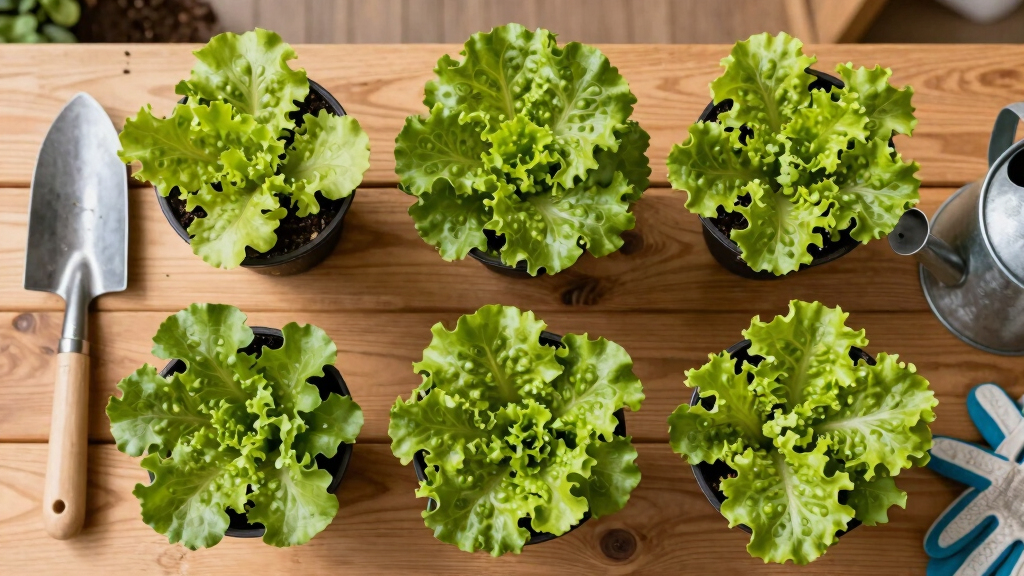
Yes, container gardening with appropriate protection can be effective, especially for gardeners with limited space or in regions with unpredictable weather.
Source: rss
Fall yard work Picks
leaf blowers
As an affiliate, we earn on qualifying purchases.