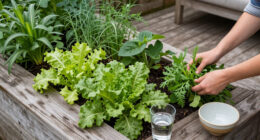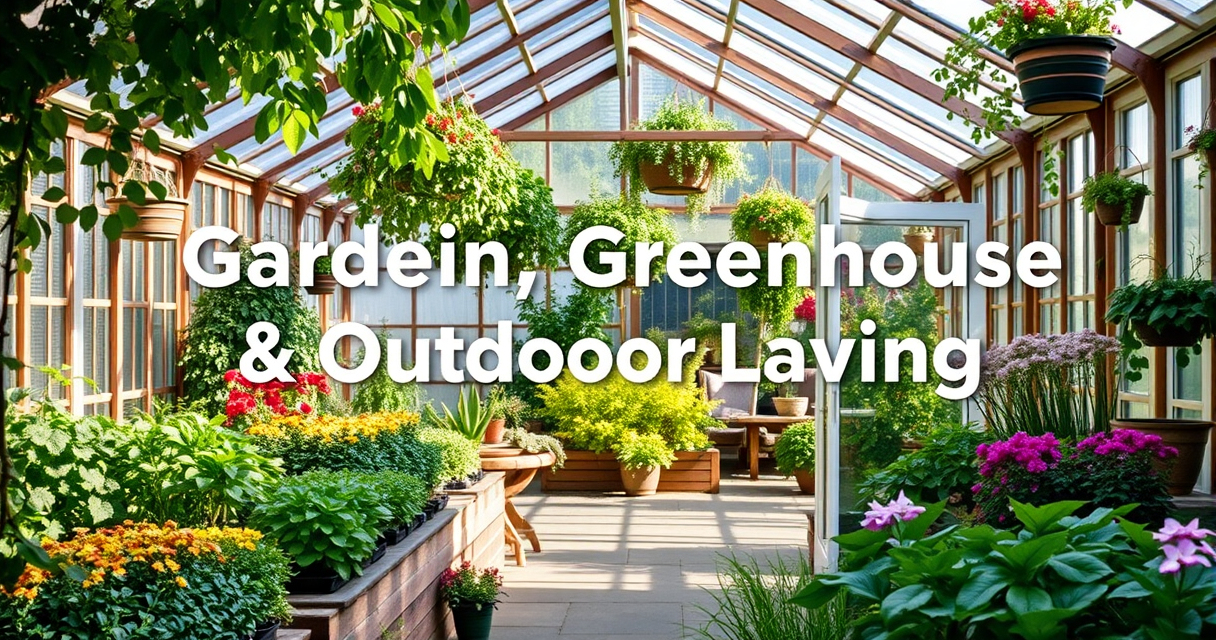
A rewarding outdoor space is more than a collection of plants. It is a connected environment where growing conditions, garden design, seasonal care, wildlife, and everyday comfort all work together. Whether you have a large backyard, a compact patio, or a greenhouse dedicated to year-round projects, the best place to begin is with a clear understanding of what you want the space to do.

Get garden gear delivered free — and shop member deals
- Fast, free delivery on millions of items
- Access to Prime Big Deal Days deals on October 6–7
- Prime Video, Amazon Music and more included
This guide provides a practical roadmap for creating and maintaining that space. It covers greenhouse growing, plant selection, soil fertility, screening, wildlife-friendly gardening, hydroponics, seasonal decoration, and outdoor comfort. Use it as an orientation page, then follow the linked guides when you are ready to compare options for a particular project.
Start With the Purpose of Your Space
Before choosing plants or equipment, decide how you want to use each part of your garden. One area might produce vegetables, another might provide privacy, and a third might serve as a place to sit outdoors. A greenhouse can extend the growing season, support seed starting, or house plants that need more controlled conditions.
It helps to divide the property into functional zones:
- A productive zone for vegetables, herbs, fruit, or greenhouse crops
- An ornamental zone for flowers, shrubs, and foliage
- A habitat zone offering food, water, or shelter for wildlife
- A utility zone containing equipment, bins, hoses, or an air-conditioning unit
- A living zone for dining, relaxing, and entertaining
These zones can overlap. A flowering perennial border may be ornamental while also supporting pollinators. Fast-growing shrubs can define an outdoor room while softening wind and creating wildlife cover. Thinking in functions prevents isolated purchases and helps the whole landscape feel intentional.
As an affiliate, we earn on qualifying purchases.
Understand Your Growing Conditions
Successful gardening begins with the conditions you actually have, not the conditions pictured on a plant label or inspiration board. Observe how sunlight moves across the property during the day. Note which areas remain damp after rain, where wind is strongest, and whether buildings or fences create warmer pockets.
Light and temperature
Track direct sun, partial shade, and deep shade in both warm and cool seasons. The pattern can change considerably as the sun shifts and deciduous trees gain or lose their leaves. Inside a greenhouse, sunlight may be abundant while temperatures fluctuate more quickly than expected. Ventilation, shading, and air circulation therefore deserve attention alongside light.
Soil and drainage
Garden soil influences water availability, root development, and nutrient uptake. Rather than treating every plant problem as a fertilizer problem, first consider drainage, compaction, moisture, and soil structure. Raised beds and containers provide more control, but they also tend to dry out faster and rely more heavily on regular feeding.
Water and maintenance
Match the garden to the amount of care you can realistically provide. Grouping plants with similar water needs makes irrigation simpler. Mulch can reduce evaporation and moderate soil temperatures, while accessible paths make routine watering, pruning, harvesting, and inspection less burdensome.
Build a Strong Seed-Starting System
Starting plants from seed offers control over timing and variety, but young seedlings need a stable combination of moisture, warmth, light, and airflow. A basic setup may include containers or cell trays, a suitable growing medium, labels, and a way to water without washing seeds out of place.
Different gardeners need different levels of structure. Someone starting a few herbs on a windowsill may want a compact arrangement, while a greenhouse grower planning multiple beds may value trays designed for larger batches. The guide to greenhouse seed-starting kits is a useful next step when comparing complete setups.
Once seeds germinate, light becomes especially important. Weak or stretched growth can occur when seedlings do not receive adequate light intensity or when the light source is too far away. Natural greenhouse light may be sufficient at certain times, but short days, cloudy weather, or indoor propagation can make supplemental lighting useful. Explore the guide to greenhouse grow lights for seedlings for options designed around this stage of growth.
Choose Plants for Long-Term Structure
Garden design becomes easier when you select structural plants before filling every gap with seasonal color. Trees and shrubs establish height, boundaries, shade, and visual rhythm. Perennials return over multiple growing seasons and can provide recurring foliage and flowers without requiring complete replanting each year.
Shrubs for screens and boundaries
Shrubs can soften fences, divide garden rooms, frame views, and increase privacy. Growth speed matters, but so do mature size, pruning needs, climate suitability, and available root space. A plant that grows quickly but becomes too large for its location can create additional work. Begin with the overview of fast-growing shrubs, then check the needs of any candidate against your site.
Perennials for reliable garden beds
Perennials form the recurring backbone of mixed borders. Combine plants with different flowering periods, forms, and foliage textures so the bed remains interesting beyond a single peak season. Consider mature width when spacing them, and leave room for air movement and future growth. The guide to perennial garden plants can help you explore choices for a lasting planting scheme.
Use Plants to Integrate Utility Areas
Outdoor equipment often sits exactly where it is most visible. Strategic planting can reduce its visual impact, but screening should never interfere with equipment access or airflow. This is especially important around air-conditioning units, which need clear space to operate and be serviced.
Choose plants whose mature size fits the location, and account for branches bending under rain or snow. Avoid crowding the unit, blocking service panels, or placing plants where fallen leaves and debris will accumulate against it. For landscaping ideas tailored to this challenge, see the guide to plants for hiding AC units.
The same principle applies to bins, storage boxes, hose reels, and greenhouse utilities: screen the view while preserving safe, convenient access. A short section of trellis or a carefully positioned shrub may work better than a dense planting that turns routine maintenance into a struggle.
Feed Plants According to Their Needs
Fertilizer can support plant growth, but more is not automatically better. Product choice should follow the plant, growing medium, and stage of growth. Seedlings, flowering plants, leafy crops, container gardens, and established landscape plants may have different nutrient demands.
Before feeding, look for other sources of stress. Overwatering, drought, unsuitable soil pH, root damage, temperature extremes, and poor light can resemble nutrient problems. Follow label directions carefully, measure rather than guess, and avoid applying fertilizer when plants are severely stressed unless the product instructions support doing so.
The site’s guide to garden fertilizers provides a starting point for comparing formulations and application styles. Keep records of what you apply and when; this makes it easier to adjust your approach without repeatedly adding inputs.
Create a Garden That Supports Wildlife
A wildlife-friendly garden does not need to look unmanaged. It needs layers, resources, and fewer hazards. Trees and shrubs can provide cover, flowers can offer seasonal forage, and water can support birds and beneficial insects. Native plants are often valuable because local wildlife may already be adapted to them, although suitability still depends on your region and site.
A balanced habitat may include:
- Flowers with overlapping bloom periods
- Shrubs or dense planting for shelter
- A clean, safely positioned water source
- Seed heads or leaf litter retained where appropriate
- Reduced reliance on broad-spectrum pesticides
- Safe nesting or feeding features suited to local species
Place wildlife features where animals have escape cover and where you can maintain them hygienically. Feeders and water containers require cleaning, while nesting structures need suitable orientation and placement. For ideas beyond planting alone, review these wildlife garden products.
Explore Hydroponic Growing
Hydroponics grows plants using nutrient solutions rather than traditional garden soil. It can suit indoor spaces, greenhouses, and gardeners who want a more controlled growing system. However, it shifts attention toward water quality, nutrient concentration, lighting, cleanliness, and equipment reliability.
Beginners should start with a manageable number of plants and learn one system before expanding. Choose crops compatible with the available space and light, keep the reservoir and growing area clean, and monitor plants regularly for signs of stress. The comparison of hydroponic garden kits can help you understand the range of starter formats available.
Hydroponics does not have to replace soil gardening. It can complement it: seedlings might begin in a controlled setup while outdoor beds handle larger seasonal crops, or an indoor unit might provide fresh herbs when the outdoor garden is dormant.
Make Greenhouses and Patios Comfortable
Outdoor living depends on human comfort as much as plant health. Heat can build quickly in greenhouses, sheltered patios, and covered seating areas. Passive measures should come first: create cross-ventilation, open greenhouse vents and doors when appropriate, use shade strategically, and schedule demanding tasks for cooler parts of the day.
Moving air can make occupied spaces feel more comfortable, while misting may be useful in certain dry, well-ventilated settings. Humid conditions require more caution because additional moisture may be less effective and could be undesirable around some plants, surfaces, or electronics. If portable cooling is part of your plan, the guide to cordless misting fans offers a focused place to compare designs.
Plan for Seasonal Interest Indoors and Out
A garden changes constantly, and seasonal decorating can bridge periods when flowers or foliage are limited. Containers, wreaths, branches, dried materials, and reusable decorative foliage can bring seasonal color to porches, greenhouse workspaces, and indoor rooms.
Artificial foliage can be practical where natural materials would wilt quickly or create unwanted cleanup. Still, check whether an item is intended for indoor, covered, or exposed outdoor use before placing it. For autumn arrangements, browse the guide to faux fall foliage.
Turn the Big Picture Into a Practical Plan
A garden develops over time, so prioritize projects that improve the conditions for everything that follows. Begin by observing light, drainage, wind, and access. Next, establish paths, beds, irrigation, greenhouse infrastructure, and major structural plants. Add perennials, habitat features, and decorative details once the framework is working.
For an achievable first season, choose one project from each category: one growing project, one landscape improvement, and one comfort or habitat upgrade. You might start seeds for a new bed, plant a shrub screen, and add a water source for wildlife. Review the results before expanding.
The strongest gardens are not the ones with the most products or plants. They are the ones in which each choice suits the site, supports a clear purpose, and can be maintained over the long term. Use this hub to identify your next priority, then move into the relevant guide for deeper comparison and planning.
Fall yard work Picks
leaf blowers
As an affiliate, we earn on qualifying purchases.