TL;DR

Get garden gear delivered free — and shop member deals
- Fast, free delivery on millions of items
- Access to Prime Big Deal Days deals on October 6–7
- Prime Video, Amazon Music and more included
Gardening Know How has published a guide recommending nine spring-flowering bulbs to plant in October, including parrot tulips, double anemones and unusual alliums. The report says these varieties need little maintenance once matched to the right spot, mainly full sun and good drainage.
Gardening Know How has published a guide recommending nine spring-flowering bulbs to plant in October, arguing that gardeners can achieve a striking spring display with unusually little effort. The report, aimed at both experienced and beginner gardeners, highlights less common varieties — including parrot tulips, double anemones and sculptural alliums — chosen for their distinctive flowers and forgiving growing requirements.
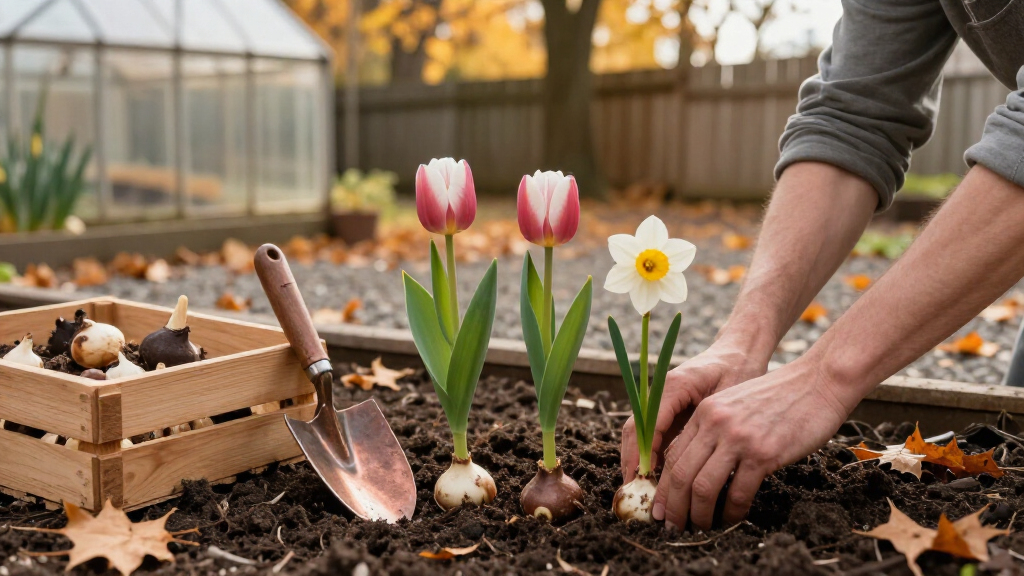
The guide’s central claim is that newer bulb varieties offer showier flowers than standard tulips and daffodils without added difficulty. According to the report, the key is matching each bulb to conditions it naturally prefers, which the author says usually comes down to good drainage and plentiful sunshine. Once planted in fall, the bulbs establish roots before winter and, in the right spot, return each spring with minimal intervention.
Among the recommended varieties are parrot tulips, which flower in mid to late spring with dramatically cut, twisted and feathered petals. The report says they are useful for extending the spring display into May, bridging the gap between early bulbs and summer blooms. Recommended cultivars include ‘Black Parrot’, ‘Flamingo Queen’ and mixed parrot collections. Parrot tulips suit zones 3-8, grow 18-24 inches tall, and prefer full sun with sharply drained soil sheltered from wind.
The report also recommends double-flowered anemones, including the newer Fullstar series, which it describes as producing densely packed, ruffled blooms up to roughly 4 inches across on compact plants suited to containers and rock gardens. Unlike true bulbs, anemones grow from woody corms that should be soaked in tepid water for up to 24 hours before fall planting, according to the guide. They suit zones 7-10 in full sun to partial shade and need very well-drained soil, as they are sensitive to wet conditions while dormant.
The third highlighted group is ornamental alliums with unusual forms, such as ‘Hair’ with wiry green tendrils and ‘Schubertii’ with starburst flowerheads that can reach a foot across. The report says alliums thrive in hot, dry, sunny borders, attract pollinators, and their dried seedheads add structure after flowering. Damp ground is identified as the main cause of failure.
Why October Planting Matters for Spring
October is the practical deadline for planting most spring-flowering bulbs in many temperate regions, because bulbs need weeks of root establishment before the ground freezes. For readers planning a spring garden, the timing of the guide matters more than the individual varieties: bulbs planted now flower from March through May, while those planted late may bloom weakly or not at all.
The report’s focus on low-maintenance varieties also reflects a broader gardening trend toward plant-and-forget schemes. If the guide’s claims hold, beginners could get reliable spring color without the staking, spraying or dividing that some perennials demand — though the report itself acknowledges that varieties such as parrot tulips can be less reliable repeat performers, particularly in hot, humid summer climates.
Beyond Standard Tulips and Daffodils
Spring-flowering bulbs such as tulips and daffodils are long-standing garden staples. The Gardening Know How report positions its nine recommendations as alternatives with what it calls more standout flowers, intriguing shapes and personality, while claiming they are no harder to grow than familiar varieties. The guide also notes that plant breeders continue to release new varieties with larger or more elaborate blooms, citing the Fullstar anemone series as an example of compact plants with bigger flowers.
For practical planting, the report suggests using a bulb planter tool — it names the Berry&Bird planter sold via Amazon and a long-handled Colwelt tool stocked by Walmart for larger jobs. These are product mentions within the original article rather than independent recommendations.
“The trick is to choose the right bulb for the right spot and give them conditions they naturally enjoy – which is usually as simple as good drainage and plentiful sunshine.”
— Gardening Know How
What the Guide Leaves Open
The source material provided covers only three of the nine recommended bulbs in detail — parrot tulips, double anemones and alliums. The remaining six varieties and the full reasoning behind them are not included in the available excerpts, so this article cannot describe them. The performance claims, such as bloom sizes and reliability, come from the publication itself rather than independent trials, and the article includes affiliate product links, which is a commercial consideration readers may want to weigh. Results will also vary by local climate, soil and drainage conditions regardless of the guide’s zone ratings.
Before the Ground Freezes
Gardeners intending to follow the guide’s advice have a limited window: bulbs generally need to be in the ground several weeks before the soil freezes, making the coming weeks the practical cutoff in most regions. The next visible milestone is spring itself, when October-planted bulbs begin flowering — parrot tulips and alliums among the later arrivals, from mid spring into May. Readers can consult the full Gardening Know How report for the six bulb varieties not covered in the excerpts.
Key Questions
Why plant spring bulbs in October specifically?
According to Gardening Know How, fall planting gives bulbs time to settle in and establish roots before winter. Bulbs generally need several weeks in the ground before the soil freezes, making October the practical window in many temperate regions.
Are these bulbs suitable for beginner gardeners?
The guide says yes, provided each bulb is matched to a suitable spot. Its stated requirements are usually full sun and well-drained soil, after which the bulbs are described as returning each spring with little intervention.
Do anemones need special preparation before planting?
Yes. The report notes that anemones grow from small woody corms rather than true bulbs and should be soaked in tepid water for up to 24 hours before fall planting.
What is the most common reason these bulbs fail?
The guide identifies damp or poorly drained ground as the main cause of failure, particularly for alliums and dormant anemones. Full sun and sharply drained soil are its consistent recommendations.
Will parrot tulips come back every year?
Not reliably, according to the report. It states that parrot tulips can be less dependable repeat performers than some other tulips, particularly in climates with hot, humid summers, and recommends full sun and sharply drained, sheltered soil to improve results.
Source: rss
Fall Picks
fall essentials
As an affiliate, we earn on qualifying purchases.