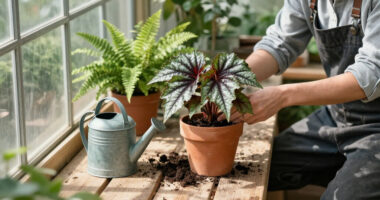

The best hypoallergenic houseplants for an allergy-conscious home are generally non-flowering foliage plants, though no plant can be guaranteed allergy-free. I’d put the Rattlesnake Calathea first for its pollen-light foliage and distinctive look, while the Bonnie Curly Spider Plant stands out for easier care and the Cat Palm for a larger statement plant. The main tradeoffs are maintenance, space, and whether a plant is safe around pets; “pet safe” does not mean allergy-proof. Plant mold, dust, sap, and individual sensitivities can matter as much as pollen. Read on for how these nine options compare and which one best fits your home.

Get garden gear delivered free with Prime
- Fast, free delivery on millions of items
- Prime Video, Amazon Music and more included
- Member-only deals all year
Complete the kit


Key Takeaways
- Rattlesnake Calathea ranks first as a single-plant pick because its foliage gives a strong decorative payoff without relying on flowers.
- The Bonnie Curly Spider Plant is the more forgiving option for buyers who value easier care over the Calathea group’s more particular moisture preferences.
- Four-pack assortments trade selection for consistency: the Calathea and pothos packs can furnish several spots at once, but bring more plants, soil, and maintenance into the home.
- The Cat Palm is the scale pick, not the simplest pick; its larger size suits open rooms but asks for more space and attention than a four-inch nursery plant.
- The two Lemon Lime Marantas offer a practical format choice—a nursery pot or a white pot—so compare presentation and transplant plans rather than expecting different allergy performance.
| Rattlesnake Calathea Live Plant (Calathea Lancifolia) |  | Best Overall | Plant name: Rattlesnake Calathea (Calathea lancifolia) | Use: Indoor | Listed height: 9 inches | VIEW LATEST PRICE | See Our Full Breakdown |
| Bonnie Curly Spider Plant, Variegated Curly Leaves, Pet-Friendly, Air Purifying, Easy to Care and Grow in 4-inch Pot |  | Best for Beginners | Pot size: 4 inches | Light: Indirect light, from low to bright conditions | Soil type: Loam | VIEW LATEST PRICE | See Our Full Breakdown |
| Live Calathea Houseplant Collection, 3-Pack in 4-Inch Pots |  | Best Calathea Variety Pack | Plant count: 3 | Pot size: 4 inches each | Plant type: Grower-selected Calathea assortment; varieties may vary | VIEW LATEST PRICE | See Our Full Breakdown |
| Lemon Lime Maranta Prayer Plant in 4-Inch Nursery Pot |  | Best Compact Prayer Plant | Plant type: Lemon Lime Maranta prayer plant | Plant height: Approximately 12–16 inches; expected height 14 inches | Pot size: 4-inch nursery pot | VIEW LATEST PRICE | See Our Full Breakdown |
| Purple Prayer Plant (Calathea roseopicta) in 6-Inch Grower Pot |  | Best Premium Foliage Statement | Plant type: Calathea roseopicta ‘Purple Rose’ | Pot size: 6-inch grower pot | Use: Indoor | VIEW LATEST PRICE | See Our Full Breakdown |
| Live Pothos Plants 4-Pack Indoor Houseplants – Money Plant, Devil’s Ivy, Pet Safe |  | Best for Low-Fuss Variety | Quantity: 4 plants | Plant height: 8–10 inches | Pot size: 4 inches | VIEW LATEST PRICE | See Our Full Breakdown |
| Pet Safe Calathea Plant 4-Pack, Live Prayer Plants Houseplants in 4-inch Pots |  | Best Pet-Safe Multi-Plant Set | Quantity: 4 plants | Plant type: Calathea (Prayer Plant) | Listed varieties: Makoyana, Rattlesnake, Freddie, and Orbifolia | VIEW LATEST PRICE | See Our Full Breakdown |
| Costa Farms Cat Palm Live Indoor Plant, 32 Inches Tall in 10-Inch Decorative Pot |  | Best Statement Plant | Plant type: Cat Palm | Height at dispatch: Approximately 32 inches | Pot size: 10 inches | VIEW LATEST PRICE | See Our Full Breakdown |
| Lemon Lime Maranta Prayer Plant in 4-Inch White Pot |  | Best Compact Pet-Friendly Pick | Plant type: Lemon Lime Maranta Prayer Plant | Height: Approximately 12–16 inches | Pot size: 4 inches | VIEW LATEST PRICE | See Our Full Breakdown |
| hypoallergenic houseplant | Light | Pot size | Watering | Plant type |
|---|---|---|---|---|
| Rattlesnake Calathea Live Plan | Partial sun / indirect light | — | — | — |
| Bonnie Curly Spider Plant | Indirect light, from low to bright conditions | 4 inches | About weekly or when soil is nearly dry 2 inches down | — |
| Live Calathea Houseplant Colle | Partial sun to medium or bright indirect light; tolerates low light | 4 inches each | — | Grower-selected Calathea assortment; varieties may vary |
| Lemon Lime Maranta Prayer Plan | Bright indirect light; partial shade | 4-inch nursery pot | Every 1–2 weeks when the top half of the soil is dry | Lemon Lime Maranta prayer plant |
| Purple Prayer Plant | Partial sun; low to bright indirect light | 6-inch grower pot | — | Calathea roseopicta ‘Purple Rose’ |
| Live Pothos Plants 4-Pack Indo | Low to bright indirect light | 4 inches | Water regularly; allow soil to dry between waterings | — |
| Pet Safe Calathea Plant 4-Pack | Medium to bright indirect light | 4 inches | Regular watering; keep soil evenly moist | Calathea (Prayer Plant) |
| Costa Farms Cat Palm Live Indo | Bright indirect light; 5 or more hours | 10 inches | Approximately 2–3 cups once a week; drain excess water | Cat Palm |
| Lemon Lime Maranta Prayer Plan | Bright indirect light; partial sun | 4 inches | Every 1–2 weeks when the top half of the soil feels dry | Lemon Lime Maranta Prayer Plant |
More Details on Our Top Picks
Rattlesnake Calathea Live Plant (Calathea Lancifolia)
Rattlesnake Calathea is my strongest single-plant pick for shoppers seeking a pet-conscious, foliage-led houseplant: its patterned leaves bring visual interest without relying on flowers or pollen. The listing identifies it as a prayer plant and describes it as air-purifying, though that claim is not a substitute for ventilation or filtration. Compared with the Bonnie Curly Spider Plant, this Calathea offers more dramatic leaf markings, while the spider plant is the more adaptable choice for variable indoor light and easier propagation. The tradeoff is care: this plant prefers indirect light, moderate watering, and humidity, so dry rooms or sunny windows may be a poor match. Its listed 9-inch height also makes it a smaller accent rather than a floor-filling statement.
Pros:- Distinctive patterned foliage adds color without showy blooms
- Compact listed height suits shelves and smaller rooms
- Leaves fold at night, adding movement and interest
- Care guidance includes watering and seasonal fertilizing
Cons:- Needs humidity that may be difficult to maintain in dry homes
- Direct sunlight can damage its leaves
- Less adaptable to changing light than the Bonnie Curly Spider Plant
Best for: Households wanting one compact, pet-conscious foliage plant for a warm room with indirect light and some humidity.
Not ideal for: People with dry indoor air, strong direct sun, or little time to monitor watering and leaf condition.
- Plant name:Rattlesnake Calathea (Calathea lancifolia)
- Use:Indoor
- Listed height:9 inches
- Light:Partial sun / indirect light
- Moisture:Moderate watering
- Special features:Prayer plant; described as air-purifying
- Care:Water weekly or when topsoil is dry; fertilize monthly from spring to fall
Our verdict“Choose this Rattlesnake Calathea for compact, patterned foliage if you can provide indirect light and a humid setting.”
Bonnie Curly Spider Plant, Variegated Curly Leaves, Pet-Friendly, Air Purifying, Easy to Care and Grow in 4-inch Pot
For a first houseplant, I’d favor the Bonnie Curly Spider Plant over the humidity-loving Calatheas in this group. Its curly, variegated leaves tolerate a wider range of indirect light, and the plantlets it produces give beginners a simple way to propagate new plants. The listing also describes it as pet-friendly, a useful distinction for households comparing it with plants whose pet suitability is not specified. Its semi-drought tolerance offers some leeway, although the care notes still call for watering when the soil is nearly dry about two inches down. The tradeoff is presentation: the 4-inch pot and possible bare-root shipping can mean a smaller-looking arrival than expected. It is less of a dramatic centerpiece than the Purple Prayer Plant, but more forgiving for everyday care.
Pros:- Tolerates low to bright indirect light
- Produces plantlets that can be propagated
- Described as pet-friendly
- Semi-drought tolerant compared with the Calathea options
Cons:- Plant size and appearance may vary from listing images
- Bare-root shipping may make it look smaller on arrival
- Still needs watering when the soil is nearly dry
Best for: New plant owners and pet-owning households seeking an adaptable plant that can produce cuttings for sharing.
Not ideal for: Buyers wanting a large, immediately full display plant or a plant that needs no regular watering checks.
- Pot size:4 inches
- Light:Indirect light, from low to bright conditions
- Soil type:Loam
- Moisture:Moderate
- Watering:About weekly or when soil is nearly dry 2 inches down
- Foliage color:Lemon lime, variegated and curly
- Special features:Produces plantlets; described as pet-friendly and air-purifying
Our verdict“Pick the Bonnie Curly Spider Plant if adaptable care and easy propagation matter more than a dramatic, large-scale display.”
Live Calathea Houseplant Collection, 3-Pack in 4-Inch Pots
I’d choose this three-plant Calathea assortment when variety across a room matters more than picking a specific cultivar. The grower may send rattlesnake, orbifolia, or pinstripe types, so it offers a broader foliage mix than the single Rattlesnake Calathea but gives buyers less control over exactly what arrives. All three plants come rooted in 4-inch pots, making the set a ready-made starting point for grouping or spacing around the home. The listing says the plants tolerate low light and are non-toxic to cats and dogs, but they still prefer medium to bright indirect light, regular watering, and humidity. That care load is a sharper tradeoff than with the Bonnie Curly Spider Plant, which is more forgiving if your routine or indoor conditions vary.
Pros:- Includes three rooted plants in individual 4-inch pots
- Potential variety in leaf patterns and cultivars
- Tolerates low light, according to the listing
- Described as non-toxic to cats and dogs
Cons:- Grower-selected varieties may differ from a buyer’s preferred mix
- Regular watering and added humidity may be needed
- Less forgiving of inconsistent care than the Bonnie Curly Spider Plant
Best for: Plant owners who want several pet-conscious Calatheas for a coordinated indoor display and can manage regular watering.
Not ideal for: Buyers who need a specific Calathea variety, have a dry home, or want a low-attention plant.
- Plant count:3
- Pot size:4 inches each
- Plant type:Grower-selected Calathea assortment; varieties may vary
- Use:Indoor
- Light:Partial sun to medium or bright indirect light; tolerates low light
- Temperature:65–85°F
- Moisture:Regular watering; warm, humid conditions preferred
- Pet safety:Described as non-toxic to cats and dogs
Our verdict“Choose this assortment for three varied Calatheas if you accept grower-selected varieties and can maintain warm, humid conditions.”
Lemon Lime Maranta Prayer Plant in 4-Inch Nursery Pot
The Lemon Lime Maranta is the compact prayer-plant choice for a desk, shelf, or windowsill, with a listed height of roughly 12–16 inches and leaves that fold upward at night. Compared with the Rattlesnake Calathea, its bright lemon-lime pattern is a more vivid color accent, while the Calathea’s listed 9-inch height is smaller and its leaf markings are more intricate. This Maranta is described as pet-safe, but neither plant is a good match for direct sun or a persistently dry room. The care guidance is relatively specific—water every one to two weeks when the top half of the soil is dry—and helps avoid a rigid schedule. Its main compromise is that warm, humid conditions are still preferred, and the plant’s color and shape can vary.
Pros:- Listed at approximately 12–16 inches tall for a compact display
- Vivid lemon-lime leaves with dark-green veins
- Leaves fold upward at night
- Watering guidance uses soil dryness rather than a fixed weekly schedule
Cons:- Prefers warm, humid conditions
- Direct sunlight is not suitable
- Color and shape may vary from the listing images
Best for: People furnishing a desk, shelf, or windowsill who want colorful foliage and can provide bright indirect light.
Not ideal for: Buyers seeking a no-fuss plant for a dry room, direct-sun window, or display that must match an exact photo.
- Plant type:Lemon Lime Maranta prayer plant
- Plant height:Approximately 12–16 inches; expected height 14 inches
- Pot size:4-inch nursery pot
- Light:Bright indirect light; partial shade
- Watering:Every 1–2 weeks when the top half of the soil is dry
- Temperature:65–75°F (18–24°C)
- Pet suitability:Described as pet-safe
Our verdict“Choose this Maranta for a compact, colorful shelf plant if you can offer bright indirect light and some humidity.”
Purple Prayer Plant (Calathea roseopicta) in 6-Inch Grower Pot
With a 6-inch grower pot and purple undersides framed by deep green leaves, this Purple Prayer Plant is the lineup’s strongest choice for a more substantial foliage display. Its larger pot distinguishes it from the 4-inch Lemon Lime Maranta and the single 9-inch Rattlesnake Calathea, though pot size alone does not guarantee mature or dense growth. The listing describes it as non-toxic to cats and dogs and says it tolerates low to bright indirect light, making it flexible within those limits. That does not make it a low-care plant: it still prefers regular watering and may benefit from added humidity. Compared with the Bonnie Curly Spider Plant, this Calathea offers richer color but less tolerance for lapses in care. Choose it for foliage impact, not neglect-proof convenience.
Pros:- Purple undersides and vivid centers create distinctive foliage contrast
- Supplied in a larger 6-inch grower pot than the 4-inch options
- Tolerates low to bright indirect light, according to the listing
- Described as non-toxic to cats and dogs
Cons:- Requires regular watering
- May need added humidity
- Less forgiving of inconsistent care than the Bonnie Curly Spider Plant
Best for: Plant owners seeking a larger-pot, richly colored indoor foliage plant for a warm room with indirect light.
Not ideal for: Beginners who want a forgiving watering routine, or anyone whose space has dry air or strong direct sun.
- Plant type:Calathea roseopicta ‘Purple Rose’
- Pot size:6-inch grower pot
- Use:Indoor
- Light:Partial sun; low to bright indirect light
- Moisture:Regular watering
- Temperature:65–85°F
- Pet suitability:Described as non-toxic to cats and dogs
- Special features:Purple and deep green foliage; described as air-purifying
Our verdict“Choose the Purple Prayer Plant for a striking, larger-pot foliage display if you can keep its watering and humidity needs in view.”
Live Pothos Plants 4-Pack Indoor Houseplants – Money Plant, Devil’s Ivy, Pet Safe
I’d choose this four-pack for a beginner who wants several trailing plants without needing bright windows or exacting care. The assortment may include Marble Queen, Silver Satin Scindapsus, Golden Pothos, Neon, or Hawaiian Pothos, so it offers more visual variation than the single Lemon Lime Maranta Prayer Plant. Its plants arrive rooted in individual 4-inch pots and tolerate low to bright indirect light; letting the soil dry between waterings also makes care less demanding than the Calathea collection’s evenly moist soil preference. The tradeoff is significant for a hypoallergenic-and-pet-conscious roundup: these pothos are toxic if ingested, despite the title’s “Pet Safe” wording, and the varieties may vary or repeat. I’d skip this set in homes where curious pets can reach the foliage.
Pros:- Four rooted plants arrive in ready-to-display 4-inch pots.
- Low to bright indirect light suits a range of indoor locations.
- Allowing soil to dry between waterings is relatively forgiving for beginners.
- Variegated varieties provide more foliage variety than a single-plant purchase.
Cons:- Toxic if ingested, so it is a poor fit for accessible spaces with pets.
- The assortment may include duplicates or differ from the listed varieties.
- The 8–10-inch plants may not provide the immediate height of the Cat Palm.
Best for: New plant owners who want several adaptable, trailing plants for rooms with low to bright indirect light and can keep them away from pets.
Not ideal for: Households with cats or dogs that can reach plants, or buyers who need guaranteed varieties and a pet-safe option.
- Quantity:4 plants
- Plant height:8–10 inches
- Pot size:4 inches
- Varieties:Assortment may include Marble Queen, Silver Satin Scindapsus, Golden Pothos, Neon, and Hawaiian Pothos
- Light:Low to bright indirect light
- Watering:Water regularly; allow soil to dry between waterings
- Pet toxicity:Toxic if ingested
Our verdict“Pick this assortment for adaptable, varied greenery if you can reliably keep the toxic foliage out of pets’ reach.”
Pet Safe Calathea Plant 4-Pack, Live Prayer Plants Houseplants in 4-inch Pots
For readers prioritizing pet safety while filling several spots at once, I’d put this Calathea set ahead of the Pothos 4-Pack: it is described as safe for cats and dogs, while pothos is toxic if ingested. Four plants in 4-inch biodegradable pots can also bring varied foliage through a room, with Makoyana, Rattlesnake, Freddie, and Orbifolia among the listed varieties. The compromise is care: these prayer plants prefer evenly moist soil, medium to bright indirect light, and suitable humidity. That makes them less forgiving for someone who often forgets watering than the pothos assortment. Compared with the single Lemon Lime Maranta, this pack offers more plants and named variety options, but it also needs more space and repeated care. I’d choose it for pet-safe foliage, not for a neglect-tolerant collection.
Pros:- Described as pet-friendly for cats and dogs.
- Includes four plants in separate 4-inch pots.
- Offers several Calathea varieties for foliage diversity.
- Biodegradable pots and stated support for animal shelter adoption initiatives.
Cons:- Evenly moist soil and humidity needs call for steadier care than the Pothos 4-Pack.
- Direct sunlight is unsuitable.
- Four pots require more display space than the single Lemon Lime Maranta.
Best for: Cat and dog owners who want several leafy houseplants, have medium to bright indirect light, and can keep soil evenly moist.
Not ideal for: Busy owners who often miss watering, rooms with direct sun, or buyers looking for one compact plant rather than four.
- Quantity:4 plants
- Plant type:Calathea (Prayer Plant)
- Listed varieties:Makoyana, Rattlesnake, Freddie, and Orbifolia
- Pot size:4 inches
- Pot material:Biodegradable
- Light:Medium to bright indirect light
- Watering:Regular watering; keep soil evenly moist
- Pet suitability:Pet-friendly for cats and dogs
- USDA hardiness zone:10–11
Our verdict“Choose this set if pet-safe variety matters more than having the easiest watering routine.”
Costa Farms Cat Palm Live Indoor Plant, 32 Inches Tall in 10-Inch Decorative Pot
I’d rank this Cat Palm for buyers who want a substantial, ready-to-display plant rather than a cluster of small pots. At about 32 inches tall in a 10-inch pot, it makes a bigger visual contribution than the 12–16-inch Lemon Lime Maranta or the 8–10-inch Pothos plants. That scale brings a practical cost in placement: it needs bright, indirect light for at least five hours, which limits where it is likely to suit a room. The pot has no drainage holes, so the suggested weekly watering calls for care to avoid leaving excess water around the roots. Unlike the Calathea and Maranta products, the supplied details do not confirm pet safety; I wouldn’t treat it as a pet-safe choice based on this listing alone. Choose it for height and presence, not minimal fuss.
Pros:- Approximately 32 inches tall for a more immediate room-filling effect than the smaller Maranta options.
- Arrives planted in a 10-inch decorative pot.
- Slow-growing habit can suit buyers who want less rapid change in plant size.
- Care guidance specifies light and weekly watering.
Cons:- The pot has no drainage holes, making watering less forgiving.
- Needs bright, indirect light for five or more hours.
- The supplied information does not establish that it is safe for pets.
Best for: Plant buyers with a bright, indirect-light location who want one larger indoor focal point that arrives potted.
Not ideal for: Pet owners who need confirmed non-toxic plants, dim rooms, or anyone who prefers a pot with drainage holes.
- Plant type:Cat Palm
- Height at dispatch:Approximately 32 inches
- Pot size:10 inches
- Container material:Plastic
- Drainage:No drainage holes
- Light:Bright indirect light; 5 or more hours
- Watering:Approximately 2–3 cups once a week; drain excess water
- Growth rate:Slow-growing
- USDA hardiness zone:9b–11
Our verdict“Choose the Cat Palm for a taller indoor focal point if you have bright indirect light and can manage a pot without drainage.”
Lemon Lime Maranta Prayer Plant in 4-Inch White Pot
This Maranta is my compact pick for a desk, shelf, or windowsill where pet safety and distinctive leaves matter more than height. The listing describes it as non-toxic to cats and dogs, an important contrast with the Pothos 4-Pack, which is toxic if ingested. At about 12–16 inches tall in a 4-inch white pot, it takes up less room than the 32-inch Cat Palm while still offering a clear foliage feature: its leaves fold upward at night. Care is not completely hands-off, though. It prefers bright, indirect light, moderate watering when the top half of the soil feels dry, and a warm environment around 65–75°F. Compared with the four-plant Calathea set, this is simpler to place and buy as a single specimen, but it won’t fill several spots. I’d skip it for cold or dry rooms.
Pros:- Described as non-toxic to cats and dogs.
- Compact 4-inch pot suits desks, shelves, and windowsills.
- Leaves fold upward at night for a distinctive daily display.
- Watering is guided by soil dryness rather than a fixed schedule.
Cons:- Needs a warm environment and can be a poor fit for cool rooms.
- Direct sunlight should be avoided.
- One plant offers less coverage than the four-plant Calathea set.
Best for: Cat or dog owners seeking one compact, visually distinctive plant for a warm desk, shelf, or bright-indirect-light windowsill.
Not ideal for: People with cold or dry indoor conditions, direct-sun-only windows, or a need to furnish several locations with one purchase.
- Plant type:Lemon Lime Maranta Prayer Plant
- Height:Approximately 12–16 inches
- Pot size:4 inches
- Pot color:White
- Light:Bright indirect light; partial sun
- Watering:Every 1–2 weeks when the top half of the soil feels dry
- Soil type:Loam
- Temperature:65–75°F (18–24°C)
- Pet suitability:Described as non-toxic to cats and dogs
Our verdict“Pick this Maranta for a compact, pet-friendly display if you can provide warmth and bright indirect light.”

How We Picked
I ranked these plants by how well their known characteristics fit allergy-conscious indoor growing, not by treating any plant as medically hypoallergenic. I gave priority to foliage-focused options that are not typically chosen for showy blooms, then weighed pet-safety information where supplied, care demands, plant size, pot format, and how useful each listing is for a particular buyer. Because airborne irritants can also come from potting mix, dust, and damp conditions, I treated low-pollen potential as one part of the decision rather than a guarantee.
The order favors useful all-around choices first, then options with a narrower strength or a higher care, space, or quantity commitment. The Rattlesnake Calathea leads as a distinctive single plant; the spider plant follows for a simpler-care alternative. Multi-plant packs rank lower for buyers seeking one easy addition because they require more room and upkeep, though they can be better value for filling several locations. The Cat Palm earns a specific large-plant role, while the near-duplicate Marantas are separated by their pot presentation, not by unsupported claims about allergy differences.
| hypoallergenic houseplant | Watering | Plant type |
|---|---|---|
| Rattlesnake Calathea Live Plan | — | — |
| Bonnie Curly Spider Plant | About weekly or when soil is nearly dry 2 inches down | — |
| Live Calathea Houseplant Colle | — | Grower-selected Calathea assortment; varieties may vary |
| Lemon Lime Maranta Prayer Plan | Every 1–2 weeks when the top half of the soil is dry | Lemon Lime Maranta prayer plant |
| Purple Prayer Plant | — | Calathea roseopicta ‘Purple Rose’ |
| Live Pothos Plants 4-Pack Indo | Water regularly; allow soil to dry between waterings | — |
| Pet Safe Calathea Plant 4-Pack | Regular watering; keep soil evenly moist | Calathea (Prayer Plant) |
| Costa Farms Cat Palm Live Indo | Approximately 2–3 cups once a week; drain excess water | Cat Palm |
| Lemon Lime Maranta Prayer Plan | Every 1–2 weeks when the top half of the soil feels dry | Lemon Lime Maranta Prayer Plant |
Factors to Consider When Choosing Best Hypoallergenic Houseplants
Choosing a plant for an allergy-conscious home is about managing likely irritants and care conditions, not finding a plant with a guaranteed medical label. I’d weigh the room, household sensitivities, and willingness to maintain the plant before choosing by appearance alone.
Treat “Hypoallergenic” as a Relative, Not a Guarantee
Houseplants may release pollen, but pollen is only one possible trigger. A person can also react to plant sap, debris, dust on leaves, or mold growing in persistently wet potting mix. Online descriptions such as “air purifying” or “pet safe” do not establish that a plant is allergy-proof. If you have a known plant allergy or significant symptoms, check with a qualified clinician before bringing a new species indoors. For a cautious trial, start with one plant, keep it out of sleeping areas, and watch for a response before adding more.
Choose a Plant That Matches Your Care Habits
Care mismatch can create problems beyond a wilted plant: frequent watering and poor drainage can leave soil damp enough to encourage mold. Before buying, check the plant’s light needs and whether your routine suits its watering preferences. If you often forget plant care, a larger collection of moisture-sensitive foliage plants may be a poor first choice even when the plants themselves have appealing traits. Avoid watering on a rigid schedule without checking the soil, and use pots with drainage. A healthy, appropriately watered plant is easier to keep tidy than one struggling in unsuitable conditions.
Account for Pets and Household Contact
Pet safety and human allergy suitability are separate questions. A listing marked pet safe can help narrow choices for a home with curious cats or dogs, but it says nothing about an individual person’s sensitivity. Also think about where pets can chew leaves, where children can reach the plant, and whether pruning or repotting will put sap on skin. Check plant identity and care information before purchase, especially when a product title groups multiple plants under broad common names. If anyone in the home has a history of reactions, keep new plants separate while you monitor for symptoms.
Plan for Plant Count, Room, and Potting Mix
A multi-plant pack can fill several shelves, but it also multiplies the amount of soil, watering, and leaf cleaning in the room. That may be worthwhile for a buyer furnishing a larger space, but it is a bigger commitment than one four-inch plant. Large specimens such as a palm need floor space and room for their mature spread; a small nursery pot is easier to place but may need a new container as it grows. Check whether the listed pot is decorative or intended for growing, and confirm drainage before watering. More foliage does not automatically mean better indoor air or fewer allergy triggers.
Reduce Dust and Moisture-Related Irritants
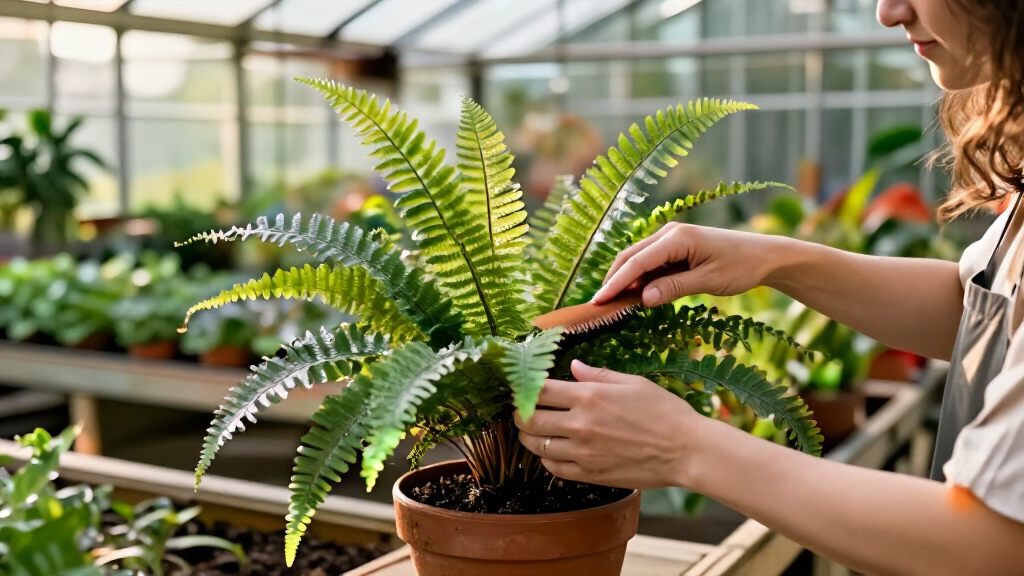
Leaf surfaces can collect household dust, which may be a concern even when a plant produces little pollen. Choose foliage you can reach and gently clean without damaging it, and remove dead leaves promptly. Use a clean pot and fresh, suitable potting mix rather than leaving decomposing material on the surface. Do not let water sit in an outer pot or saucer, since stagnant moisture can contribute to odor and microbial growth. If maintaining several plants makes cleaning and watering harder, a single well-placed plant may be the more comfortable choice.
Decide Whether Presentation or Flexibility Matters More
A nursery pot usually gives you flexibility to choose a cachepot later, while a decorative pot may be ready to display but still require checking for drainage. The two Lemon Lime Maranta listings illustrate this practical difference: their titles distinguish pot presentation, not a different allergy profile. Before choosing a bundled set, consider whether you want variety, repeated plants, or simply one specimen to test at home. Buying fewer plants at first can limit both care demands and exposure if a household member reacts. Spend more only when the plant size, container, or assortment solves a real need in your space.
Frequently Asked Questions
Can a houseplant be guaranteed hypoallergenic?
No houseplant can be guaranteed not to trigger an individual reaction. A plant that produces little noticeable pollen may still cause issues through sap, leaf debris, dust, or mold in damp soil. Sensitivity varies by person, and product labels do not replace medical advice. If you are unsure, try one plant in a low-traffic room before adding more. Stop keeping it indoors if symptoms appear and seek clinical guidance for persistent or serious reactions.
Are plants labeled pet safe also safe for people with allergies?
Not necessarily: pet safety refers to risk to animals, not allergy response in people. A pet-safe plant can still irritate someone who is sensitive to its pollen, sap, or other plant material. Likewise, a plant that seems suitable for an allergy-conscious household may not be safe for a pet that chews leaves. Check both concerns independently, and confirm the plant’s identity rather than relying on a broad listing title. Placement out of reach can reduce pet contact but does not remove airborne or soil-related irritants.
Should I choose one plant or a multi-plant pack?
Choose one plant if you are testing household sensitivity, have limited space, or want to keep watering and cleaning simple. Packs can make sense when you already know the plants suit your home and you have suitable light and room for each one. More pots also mean more soil to manage, more surfaces to dust, and more chances for overwatering. A pack is not inherently more allergy-friendly than a single plant. If you are uncertain, start small and add plants only after you know how the household responds.
Does a decorative pot make a plant a better choice for an allergy-conscious home?
A decorative pot mainly changes presentation and convenience, not the plant’s allergy characteristics. The key practical question is drainage: a container without drainage can trap excess water and leave soil wet for longer. If you prefer a decorative outer pot, keep the plant in a draining nursery pot inside it and empty standing water after watering. A nursery pot may be less polished but makes it easier to inspect moisture and repot. Choose the format that helps you maintain dry, tidy conditions rather than assuming one pot style is healthier.
What should I do if I react after bringing a plant home?
Move the plant away from the affected person’s usual spaces and note when symptoms occur, while avoiding direct contact with leaves or soil. Dust, potting mix, and a damp saucer can be relevant, so check the area and remove standing water without stirring up dry soil. If symptoms continue, remove the plant from the home and consult a healthcare professional; serious breathing symptoms need prompt medical attention. Do not rely on online plant labels to identify the cause. A clinician can help distinguish plant sensitivity from other indoor triggers.
Conclusion
For most buyers seeking a distinctive foliage plant, I’d choose the Rattlesnake Calathea as the best overall, while recognizing that it is not a medical guarantee and may suit attentive plant owners better than hands-off ones. The Bonnie Curly Spider Plant is my best value-style single-plant pick for someone prioritizing easier care, and the Cat Palm is the premium statement choice for a roomy interior. Beginners should start with one manageable plant rather than a multi-plant pack; the spider plant is the clearest fit here. For buyers furnishing several locations, compare the Calathea and pothos bundles against the extra space and soil care they require. If you want a compact, coordinated look, pick between the two Lemon Lime Marantas by pot format, then introduce any new plant gradually.