TL;DR

Get garden gear delivered free with Prime
- Fast, free delivery on millions of items
- Prime Video, Amazon Music and more included
- Member-only deals all year
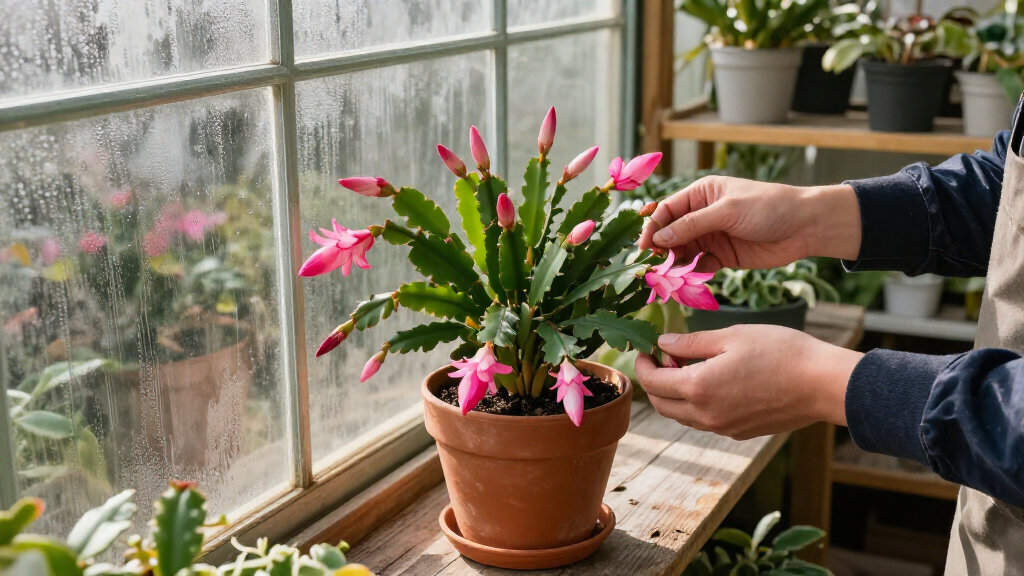
Country Living reports that Christmas cacti are more likely to set buds when they receive 12 to 14 hours of uninterrupted darkness each night for about six weeks in early fall, along with cooler nights. Once buds form, keep the plant’s light, temperature and watering steady to reduce the risk of bud drop.
Long, uninterrupted nights and cooler fall temperatures can encourage a Christmas cactus to form buds, according to a Country Living gardening report. The suggested routine is to provide 12 to 14 hours of darkness each night for about six weeks, while keeping the plant cool but away from frost; after buds appear, steady conditions can help prevent them from dropping.
Holiday cacti respond to shorter days and longer nights. Country Living recommends starting the dark period in early fall and maintaining it for roughly six weeks. A closet can provide darkness, or the plant can be covered at night and uncovered in the morning. Artificial light after dark, including light from a nearby lamp or streetlamp, may interrupt the routine. During the day, keep the plant in bright, indirect light.
Cool conditions during bud-setting are also part of the report’s advice: target nighttime temperatures of about 55 to 60°F and daytime temperatures around 65 to 70°F. A cool room or protected porch may work, but the plant should not be exposed to frost, cold drafts or sudden temperature changes. Once buds form, move it to the place where it is meant to flower and avoid shifting it repeatedly or placing it near heating vents, fireplaces or drafty doors.
For watering, check the top inch of potting mix and water thoroughly when it feels dry, allowing excess water to drain; see these Christmas cactus care products for other care essentials. Do not leave the pot sitting in water, which can keep the soil soggy and damage roots. The plant may need less water in cooler, darker months, but the soil should not dry out completely. After buds appear, maintain consistent care and avoid strong direct afternoon sun, which can scorch the stems.
Small Care Changes Can Affect Buds
For people hoping to have flowers during the holiday season, the advice focuses on conditions that can be controlled at home: nighttime light, fall temperatures and watering. The dark period needs to be genuinely uninterrupted, so a plant left near a lit room or exposed to a lamp overnight may not receive the conditions described in the report.
Consistency matters after buds form. A plant moved repeatedly between locations or exposed to abrupt changes in temperature or light may drop buds, according to the report. That makes the timing of care relevant: the cooler, dark routine is for encouraging bud formation, while the later priority is to keep the plant’s surroundings stable.
Products Worth Considering

Orbit B-hyve XD 4-Port Smart Hose Watering Timer with Wi-Fi Hub

Orbit B-hyve Smart Indoor/Outdoor 12-Zone Sprinkler Controller

Orbit B-hyve XR 16-Zone Indoor/Outdoor Smart Sprinkler Controller
As an affiliate, we earn on qualifying purchases.
A Tropical Holiday Cactus
A Christmas cactus belongs to the genus Schlumbergera and is native to the shady forests of Brazil, the Country Living report says. It therefore needs bright, indirect light and more regular watering than desert cacti. Its common name can also be imprecise: plants sold as Christmas cacti may be Thanksgiving cacti, which often bloom earlier. The report says the steps for encouraging flowers are much the same for both.
The article’s recommendations are seasonal rather than a guarantee that a plant will bloom on a particular date. In practical terms, the dark-and-cool period should begin in early fall, before the expected holiday flowering period. If a plant did not bloom, the report identifies light exposure at night and warm fall temperatures as common reasons and suggests starting the routine earlier the following year.
Bloom Timing Can Still Vary
The guidance describes conditions that can encourage flowering, but it does not guarantee that every plant will set buds or bloom on a fixed schedule. The report does not specify how quickly an individual plant should respond, and the exact timing may vary. It also does not establish whether a particular plant is a Christmas cactus or a Thanksgiving cactus; identification may affect when flowers appear.
If buds are already present, the report advises keeping conditions consistent rather than restarting the dark-period routine. It does not give a specific recovery method for buds that have already dropped. In that case, growers can check for changes in light, temperature and watering, but the source does not promise that correcting them will restore the lost buds.
Set Up the Fall Routine
For the next flowering cycle, start in early fall by choosing a place that can provide 12 to 14 hours of darkness nightly while still giving the plant bright, indirect daytime light. Keep nighttime temperatures near the report’s suggested range, protect the plant from frost and drafts, and check the soil before watering.
When buds appear, place the cactus where it will stay through flowering and avoid abrupt changes in light or temperature. Keep it away from heat sources, allow water to drain, and continue monitoring the soil. These are the report’s practical steps; whether they produce blooms, and when those blooms appear, remains dependent on the plant’s response.
Key Questions
How long should a Christmas cactus be kept in darkness?
The Country Living report recommends 12 to 14 hours of uninterrupted darkness each night for about six weeks, beginning in early fall. Keep it in bright, indirect light during the day.
What temperatures help a Christmas cactus set buds?
The suggested range during bud-setting is 55 to 60°F at night and about 65 to 70°F during the day. Protect the plant from frost, drafts and abrupt temperature changes.
How often should I water it while it is setting buds?
Check the top inch of potting mix and water thoroughly when it feels dry. Let excess water drain, and do not leave the pot standing in water; the plant should not be allowed to dry out completely.
Why has my Christmas cactus not bloomed?
The report names light at night and warm fall temperatures as common reasons a holiday cactus may not set buds. Check for lamps or other overnight light and consider starting the dark-and-cool routine earlier next fall.
Should I move the plant after buds appear?
Move it to its intended flowering spot once buds form, then keep conditions as steady as possible. Repeated moves and abrupt changes in light or temperature can lead to bud drop, according to the report.
Source: countryliving.com