
TL;DR
December planting depends on local soil and weather as well as USDA hardiness zone. Gardeners can consider dormant bare-root plants, bulbs, winter flowers and cool-season crops, but should wait if the ground is frozen or waterlogged.
A December planting guide identifies five options for gardeners—dormant bare-root trees and shrubs, late bulbs, winter flowers, and cool-season crops—while emphasizing that soil condition and local forecasts, not hardiness zone alone, determine whether planting is practical. The advice ranges from protected sowings in colder Zones 3–5 to outdoor vegetable planting in mild Zones 9–10.

Get garden gear delivered free with Prime
- Fast, free delivery on millions of items
- Prime Video, Amazon Music and more included
- Member-only deals all year
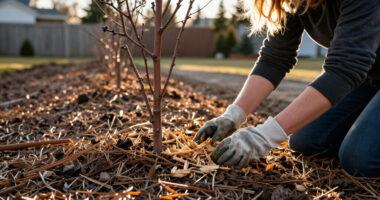
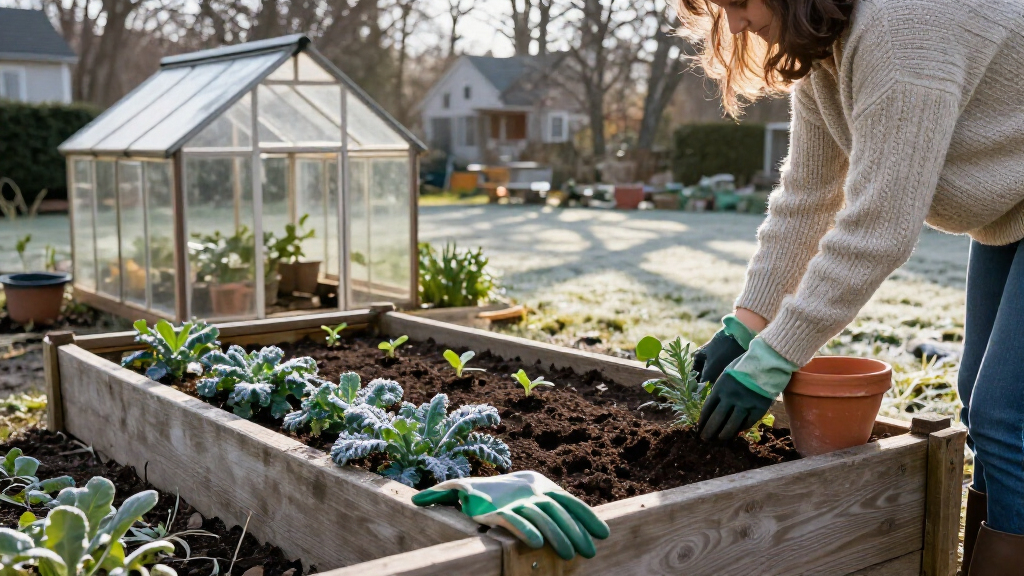
The first step is to check the ground. Planting may be possible when soil is workable and drains well; frozen or saturated soil is a reason to wait. A USDA hardiness zone describes a plant’s tolerance of winter minimum temperatures once established, but does not guarantee that a newly planted root system will cope with freezing and thawing. Keep new plants watered during dry spells, and apply mulch after the soil cools while leaving space around stems.
Bare-root trees and shrubs are one option where the ground remains open. In Zones 6–8, examples include fruit trees, currants, gooseberries, raspberries and hardy ornamental shrubs. In Zones 3–5, the window may close earlier; choose locally hardy plants and protect roots if planting must wait. For bare-root stock, soak dry roots, spread them naturally in a wide hole and set the plant at its nursery soil mark. The guide describes container-grown shrubs as a safer choice in Zones 9–10, where a full dormant season may be lacking.
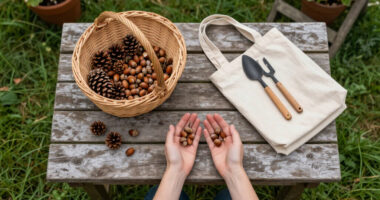
Tulip bulbs can still go into workable soil in many temperate areas. Plant them point-up at a depth about two to three times their height, in freely draining soil. If colder-zone ground has frozen, the guidance is to pot bulbs and store them somewhere cool and protected rather than force them into hard soil. In warm-winter zones, choose climate-suited or pre-chilled bulbs and follow supplier instructions. Other options include established pansies or violas in milder areas, suitable hellebores and winter shrubs, and cool-season crops under cover or outdoors in mild regions.
December planting starts with the soil
Hardiness zones offer a starting point, but local weather, drainage, and workable ground determine what you can plant.
Check conditions first
Plant only when soil is workable and drains well.
- Soil is open and workable
- Drainage is good
- Local weather suits the plant
- Ground is frozen
- Soil is saturated
Five December options
Choose plants suited to your zone, site, and current conditions.
Bare-root trees and shrubs
Plant while the ground is open; suit varieties to local conditions.
Tulip bulbs
Use workable, freely draining soil; pot and store bulbs if ground has frozen.
Winter flowers
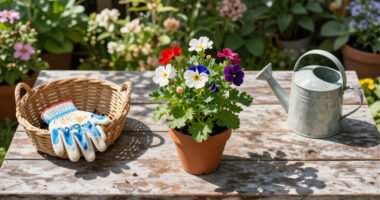
Consider established pansies or violas in milder areas, plus suitable hellebores and winter shrubs.
Cool-season crops
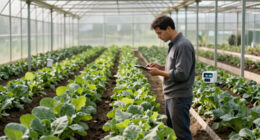
Grow under cover or outdoors where mild conditions allow.
Adapt by zone
Zone guidance is broad; local exposure, soil, and forecasts can change what is practical.
| Hardiness zone | Guide’s approach | Keep in mind |
|---|---|---|
| Zones 3–5 | Hardy dormant plants and protected sowings | Plant while soil remains workable |
| Zones 6–8 | Broader window for bare-root plants | Check drainage and local forecast |
| Zones 9–10 | Cool-season crops and flowers; container-grown shrubs | Choose plants suited to warm winters |
Plant with care
Follow plant-specific directions and protect new roots through changing conditions.
Wait if the ground is frozen or waterlogged.
Use local hardiness, exposure, and drainage to guide your choice.
Water new plants during dry spells; mulch after soil cools and leave space around stems.
Why December Conditions Matter
The advice gives gardeners a way to use a short winter planting window without treating every December as the same. Timing affects establishment: a dormant plant may settle before spring growth if roots can be placed in workable soil, while a waterlogged site can leave roots struggling and a frozen bed can make planting impractical. Choosing by zone alone risks overlooking those immediate conditions.
The options also offer different benefits. Bare-root fruit trees and shrubs can establish a long-term planting, bulbs prepare for spring color, and winter-flowering plants can add interest during colder months. In mild regions, cool-season vegetables extend outdoor growing. Matching the plant to the site—including drainage, exposure and local temperatures—helps avoid spending time and money on a planting that conditions do not support.
Products Worth Considering

EGO POWER+ 21-Inch Self-Propelled Cordless Lawn Mower Kit, LM2135SP

EGO POWER+ 56V Cordless Leaf Blower with 5.0Ah Battery, 765 CFM (LB7654)

Solo Stove Basecamp 24-Inch Smokeless Wood-Burning Fire Pit with Stand
As an affiliate, we earn on qualifying purchases.
How Zones Shape Winter Planting
December spans very different climates. The source guide contrasts frozen ground in parts of the Upper Midwest with mild but wet conditions in the Pacific Northwest and suitable outdoor vegetable weather in parts of the South. Those examples explain why a zone number is only a starting point: local weather and drainage can make two gardens in broadly comparable zones behave differently.
The guide groups colder Zones 3–5 around hardy dormant plants and protected sowings, describes Zones 6–8 as offering a broader planting window, and notes that warmer Zones 9–10 can still support cool-season vegetables and flowers outdoors. These are broad recommendations, not guarantees for every garden or variety. Exposure, soil type and the forecast may change what is practical in a particular yard.
Local Conditions Set the Limits
The guide does not give a specific planting calendar for each location, and no single date works across every zone. It also does not identify particular cultivars for individual microclimates or provide a full list of suitable cool-season vegetables. Gardeners will need to check local forecasts, drainage and plant-specific instructions before acting.
Whether a plant survives a newly planted winter is not assured by its hardiness rating alone. The source says establishment depends on conditions such as freeze-thaw cycles and wet soil; it does not report trial results or quantify success rates for the five options. The recommendations should be read as seasonal guidance rather than a guarantee of performance.
Check Soil Before Planting
Before buying or planting, check whether the soil is frozen, saturated or workable, and review the local forecast. If the ground is ready, choose a plant suited to the zone and site, follow nursery or bulb-supplier directions, and water new plantings during dry spells. Wait when soil is frozen or waterlogged; a delayed planting is preferable to putting roots into unsuitable ground.
For colder regions, the next opportunity may come when the soil opens again; bulbs that cannot be planted outdoors can be potted and kept cool and protected. In milder areas, gardeners can continue with suitable flowers and cool-season crops while conditions allow. The guide sets no further dated milestone, so the next step is determined by local weather and soil conditions.
Key Questions
Can I plant anything in the garden in December?
Yes, if local conditions allow. Options include dormant bare-root plants, bulbs, winter flowers and cool-season crops, but frozen or waterlogged soil is a reason to wait.
What should gardeners in Zones 3–5 plant?
The guide recommends hardy dormant plants and protected sowings. Plant only while the soil remains workable, and choose varieties rated for the local area.
Can tulips be planted in December?
In many temperate areas, tulips can be planted if the soil is not frozen or waterlogged. Use freely draining soil and plant bulbs point-up at about two to three times their height.
Should I plant when the ground is wet?
No. The guide advises waiting if soil is saturated, frozen or sticking to the shovel in heavy slabs. Poor drainage can leave new roots in unsuitable conditions.
Does my hardiness zone tell me exactly what to plant?
No. A zone describes a plant’s tolerance of winter minimum temperatures once established. Check the forecast, soil condition, drainage and plant-specific guidance as well.
Source: homesandgardens.com