Yes, waste gases from industries like steel and paper mills can potentially replace fossil fuels in products. They can be repurposed into sustainable fuels and materials, reducing harmful emissions significantly. This shift could lower greenhouse gas footprints and help meet net-zero goals. While there are challenges, such as higher production costs and hydrogen availability, advancements in technology could make it viable. If you stick around, you'll discover more about this exciting transformation in sustainable innovation.
Listen free for 30 days with Audible
Thousands of audiobooks and originals — cancel anytime.
As an affiliate, we earn on qualifying purchases.
Key Takeaways
- Waste gases from industries can be repurposed into sustainable fuels and surfactants, potentially replacing fossil fuels in various products.
- Repurposing waste gases could significantly reduce greenhouse gas emissions, aligning with net-zero targets and addressing global warming concerns.
- The growing consumer demand for sustainable products presents a market opportunity for waste gas utilization to meet eco-friendly preferences.
- Economic challenges, such as higher production costs and hydrogen availability, must be addressed for waste gas alternatives to compete with fossil fuels.
- Technological advancements and investment in carbon capture and renewable energy are essential for enhancing the viability of waste gas repurposing.
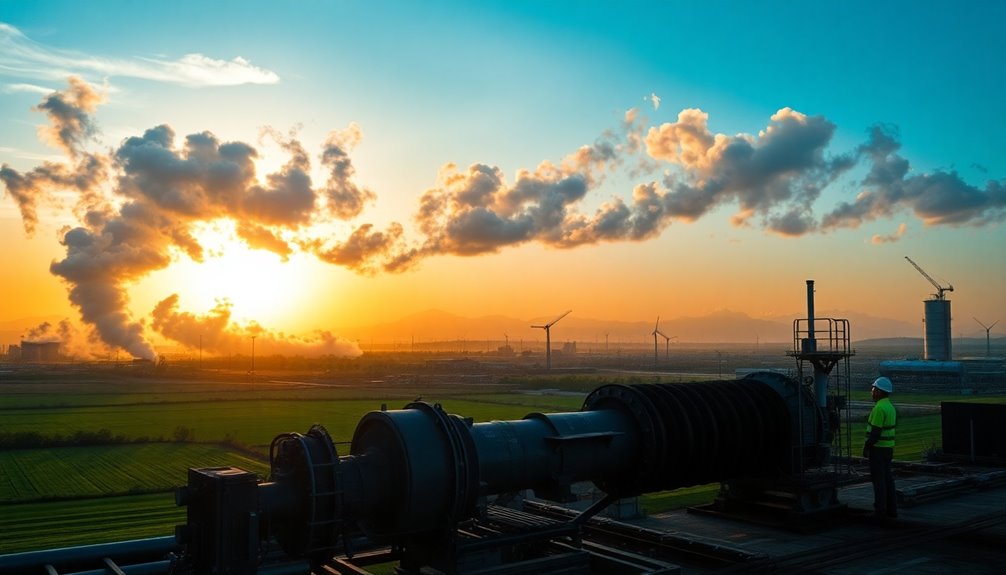
As industries continue to expand, understanding the impact of waste gases from sectors like steel and paper mills becomes crucial. These waste gases, often seen as a nuisance, have potential applications that could revolutionize how we create everyday products. Imagine that instead of releasing harmful emissions, industries could repurpose these gases into surfactants for shampoos or detergents, and even into sustainable fuels.
The environmental benefits of this process are significant. By converting waste gases into useful products, you could reduce global warming potential by up to 82% compared to traditional fossil fuel methods. Unlike fossil fuels, which emit large amounts of CO2 and other pollutants, waste gas repurposing can help lower greenhouse gas footprints and align with net-zero targets. Additionally, a shift towards renewable energy sources is necessary to fully capitalize on the environmental advantages of waste gas utilization. Using solar energy and other renewables can enhance the sustainability of the production processes involved.
With the UK consumer industry alone valued at over £73 billion, there's a growing market for these sustainable innovations.
However, this promising approach faces technological challenges. The current production costs for CO2-based products are higher than fossil-derived options, and producing them requires substantial amounts of hydrogen, which isn't always easy to obtain.
As demand for sustainable products rises, it could bridge the cost gap, making waste gas repurposing more economically viable.
Moreover, the environmental impact of fossil fuels isn't just limited to air pollution; it extends to water pollution from coal extraction and acid rain from combustion.
Transitioning to renewable alternatives is vital for reducing these adverse effects. By investing in carbon capture technology and exploring alternative feedstocks, industries can harness the potential of waste gases.
eco-friendly surfactants for shampoo
As an affiliate, we earn on qualifying purchases.
As an affiliate, we earn on qualifying purchases.
Frequently Asked Questions
What Types of Waste Gases Can Be Used for Fuel Production?
When considering waste gases for fuel production, you'll find several types that stand out.
Still gas from petroleum refining contains valuable hydrocarbons like ethane and propane.
Blast furnace gas, produced in iron and steel production, is great for combined heat and power.
Then there's coke oven gas, which has lower emissions than natural gas.
Lastly, biogas from organic matter breakdown offers methane and CO2, making it a versatile option for fuel.
How Do Waste Gases Impact Air Quality Compared to Fossil Fuels?
Waste gases can improve air quality compared to fossil fuels.
When you repurpose these gases, you significantly reduce harmful emissions like CO₂ and NOx that fossil fuels release.
While fossil fuel combustion contributes to air pollution and health issues, managing waste gases with advanced technologies can help mitigate these effects.
Are There Any Economic Incentives for Using Waste Gases?
Imagine a garden thriving under the sun, nurtured by financial incentives that help it grow.
When you consider using waste gases, think of grants and tax credits as the water that fuels this growth. These economic incentives encourage companies to adopt cleaner technologies, making it financially viable to reduce emissions.
With caps on pollution and subsidies for innovation, you're witnessing a shift toward sustainability that benefits both the environment and the economy.
What Technologies Are Required to Convert Waste Gases Into Usable Energy?
To convert waste gases into usable energy, you'll need several key technologies.
Start with gasification, which transforms waste into syngas.
Anaerobic digestion can help you create biogas from organic materials.
You might also consider carbon capture and utilization to turn CO2 into fuels.
Additionally, look into emerging innovations like solar-powered reactors that can convert waste into sustainable energy.
These technologies can significantly reduce waste while providing alternative energy sources.
How Does the Efficiency of Waste Gases Compare to Traditional Fossil Fuels?
Imagine your favorite vintage car, running on fumes while wasting energy.
When comparing waste gases to traditional fossil fuels, you'll find waste gases can significantly reduce emissions and energy waste. They may lack the historical efficiency of fossil fuels, but advancements are changing that.
As technologies improve, waste gases could become more economical and environmentally friendly, pushing fossil fuels to the sidelines in a world craving sustainability and efficiency.
Conclusion
As we stand at the crossroads of innovation and sustainability, harnessing waste gases from industry could be the key to a greener future. By transforming these emissions into valuable resources, we can turn the tide against fossil fuel dependence. Imagine a world where the very air we breathe fuels our progress, creating cleaner products and a healthier planet. Embracing this change isn't just an option; it's our responsibility to ensure a brighter, cleaner tomorrow for generations to come.
Labor Day sales Picks
labor day deals
As an affiliate, we earn on qualifying purchases.