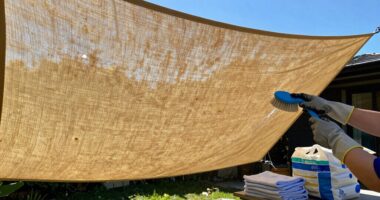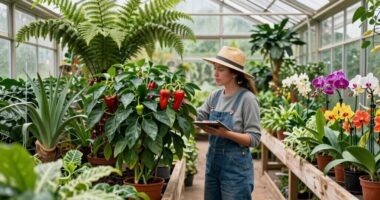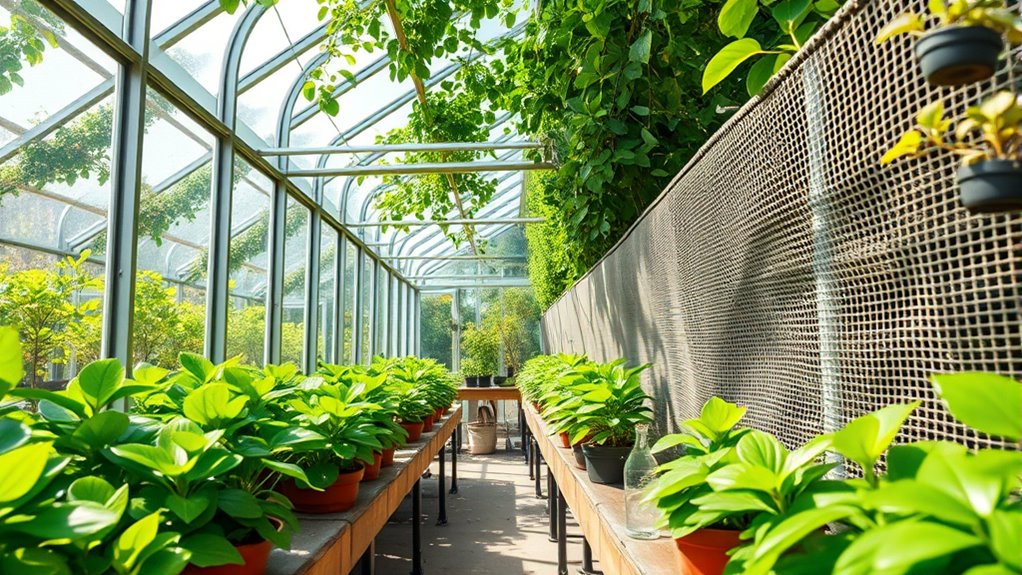

To prevent pests in your greenhouse, combine biological controls like beneficial insects, with diligent sanitation by cleaning plant debris and tools regularly. Maintain proper watering, temperature, and humidity to create an environment pests dislike. Conduct frequent inspections to catch issues early and act swiftly. Installing physical barriers like insect screens also helps keep pests out. Staying consistent with these practices builds a strong defense. Keep exploring these strategies to ensure your greenhouse stays pest-free and healthy.
Listen free for 30 days with Audible
Thousands of audiobooks and originals — cancel anytime.
As an affiliate, we earn on qualifying purchases.
Key Takeaways
- Implement biological control by introducing natural predators to regulate pest populations naturally.
- Maintain strict sanitation by cleaning debris, tools, and disposing of infested material properly.
- Conduct regular inspections to detect early pest signs and respond promptly.
- Control environmental factors like humidity, temperature, and ventilation to make conditions less favorable for pests.
- Keep plants healthy through proper watering, fertilizing, and pruning to strengthen their resistance against pests.

Are pests sneaking into your home unnoticed? If you’re running a greenhouse, the chances are high that pests could be making their way inside without you realizing it. Keeping pests out requires more than just reacting when you spot damage; it demands proactive pest prevention maintenance. One of the most effective strategies is integrating biological control methods. This involves introducing natural predators or beneficial insects that target specific pests, helping to keep populations in check without resorting to chemicals. By fostering a balanced ecosystem within your greenhouse, you can reduce pest problems considerably. But biological control alone isn’t enough. You also need to implement strict sanitation practices. Regularly cleaning and removing plant debris, fallen leaves, and any visible pest hideouts minimizes potential breeding sites. Sanitation disrupts the pests’ lifecycle and prevents infestations from taking hold.
Start by inspecting your greenhouse regularly. Look for signs of pests or damage and act quickly before they multiply. Ensure that your tools and equipment are sanitized regularly to prevent transferring pests from one plant to another. Properly dispose of any infested plant material outside the greenhouse, away from your healthy crops. Keep your greenhouse floors, benches, and surfaces clean to eliminate hiding spots for pests and their eggs. Also, monitor your plants closely for early signs of pest activity, so you can intervene before infestations become severe. Incorporating integrated pest management strategies can further enhance your efforts by combining multiple control methods into an effective plan.
You should also control humidity and temperature levels since many pests thrive in humid, warm environments. Good ventilation helps reduce excess moisture, making the environment less inviting for pests. Additionally, use physical barriers like insect screens on vents and windows to prevent pest entry. These simple steps create a hostile environment for pests and help maintain a healthier, pest-free greenhouse.
Maintaining healthy plants through proper watering, fertilizing, and pruning also plays a crucial role. Stressed plants are more susceptible to pests, so giving your plants ideal care makes them more resistant to invasions. When combined with biological control and sanitation practices, these measures build a multi-layered defense system.
In essence, keeping pests out of your greenhouse is about vigilance and consistency. By integrating biological control, practicing good sanitation, maintaining ideal environmental conditions, and regularly inspecting your plants, you create an environment that’s inhospitable to pests. This proactive approach minimizes the need for chemical interventions and ensures your plants stay healthy and productive. Pest prevention isn’t a one-time effort; it’s an ongoing process that, when done correctly, keeps your greenhouse thriving without unwanted intruders.

BioLogic's Scanmask Steinernema Feltiae (Sf) Beneficial Nematodes for Natural Insect Pest Control, 5 Million Size
- Natural Pest Control: Kills over 230 pests safely
- Premium U.S. Quality: Produced and shipped with care
- Broad Pest Targeting: Effective against fleas, gnats, grubs
As an affiliate, we earn on qualifying purchases.
As an affiliate, we earn on qualifying purchases.
Frequently Asked Questions
How Often Should Greenhouse Inspections for Pests Be Conducted?
You should conduct greenhouse inspections for pests at least once a week. Maintaining a consistent pest monitoring schedule helps you catch issues early and prevent infestations. Regular inspections allow you to identify signs of pests quickly, so you can act promptly. Adjust the inspection frequency based on your greenhouse’s specific conditions and history, but weekly checks are generally effective for keeping pests under control and ensuring healthy plant growth.
What Natural Pest Deterrents Are Most Effective in Greenhouses?
You’ll find that companion planting and biological controls are your ultimate pest-fighting heroes. Companion planting creates an invisible shield, confusing and repelling pests before they even arrive. Biological controls, like beneficial insects, act as relentless warriors, hunting down pests naturally. Together, they form a powerful, eco-friendly defense system that keeps your greenhouse pest-free without harmful chemicals—making your plants thrive and your greenhouse an unstoppable fortress of growth.
Can Pest Prevention Methods Harm the Plants?
Pest prevention methods can pose chemical risks that might harm your plants if not used carefully. You could unintentionally damage plant health by applying harsh chemicals or overusing natural deterrents. To avoid this, always follow label instructions and choose gentle, plant-safe options. Regular monitoring helps you catch issues early, ensuring pests stay out without risking your plants’ well-being. Proper prevention safeguards both your plants and their environment.
Are There Specific Pests That Are More Common in Certain Climates?
You’ll find climate-specific pests often arrive unexpectedly, aligning with regional pest patterns. In humid areas, aphids and whiteflies thrive, while in dry climates, spider mites become more common. It’s no coincidence that certain pests are more prevalent in specific regions; the climate creates perfect conditions for them to flourish. By understanding these patterns, you can tailor your pest prevention efforts to effectively protect your greenhouse.
How Do I Identify Early Signs of Pest Infestations?
To identify early signs of pest infestations, stay vigilant for pest indicators like tiny holes in leaves, sticky residue, or webbing. Regularly inspect your plants closely, especially the undersides of leaves and stems. Early detection is vital; look for abnormal spots, discolored foliage, or wilting. By catching these pest indicators early, you can take prompt action to prevent a full-blown infestation and protect your greenhouse.
Conclusion
By regularly inspecting and maintaining your greenhouse, you create an environment less inviting to pests. It’s no coincidence that diligent upkeep often coincides with healthier plants and fewer infestations. When you stay ahead with preventative measures, pests are less likely to find a cozy spot. So, remember, consistent pest prevention isn’t just about avoiding trouble — it’s about ensuring your greenhouse remains a thriving, pest-free haven for your plants to flourish.
College move-in / dorm season Picks
dorm essentials
As an affiliate, we earn on qualifying purchases.