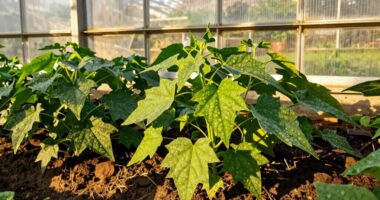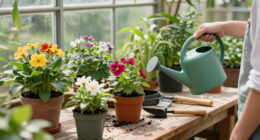
Knowing your area’s frost dates is crucial to avoid planting too early or too late. These dates mark the last spring frost and first fall frost, helping you plan your garden with confidence. Accurate frost dates prevent damage, improve crop success, and guide your planting schedule. Rely on trusted sources like local extension offices or weather tools to get precise info. Keep exploring to discover how to protect your plants and optimize your garden’s growth.
Open a free Amazon Business account
Business pricing, bulk buying and tax-exempt orders.
As an affiliate, we earn on qualifying purchases.
Key Takeaways
- Know your region’s last spring frost and first fall frost dates to time planting and harvesting properly.
- Use trusted sources like local extension offices or online tools to find accurate, region-specific frost data.
- Plan soil preparation and seed starting around the frost-free window to avoid damage and maximize growth.
- Protect vulnerable plants with covers or bring potted plants indoors during unexpected frosts.
- Stay informed about weather updates and climate changes that may shift traditional frost dates, adjusting your gardening plans accordingly.

JUNKOGO Plant Freeze Protection Cover, 7×100 FT Floating Row Cover
- Complete Winter Garden Protection: Protects plants from frost, wind, and cold
- Breathable and Lightweight Material: Allows air, moisture, and sunlight to pass through
- Reusable and Customizable Cover: Easily cut to fit and reuse for multiple seasons
As an affiliate, we earn on qualifying purchases.
As an affiliate, we earn on qualifying purchases.
What Are Frost Dates and Why Are They Important for Gardeners

Frost dates mark the last spring frost and the first fall frost in your area, helping you determine the safe planting and harvesting times. Knowing these dates is vital because plants have varying frost tolerance levels; some can withstand light frosts, while others need protection or should be planted after frost risks pass. Proper soil preparation is also essential, as it ensures your plants grow healthy and are better equipped to handle unexpected cold snaps. When you understand your frost dates, you can select plants suited to your climate and schedule your garden work accordingly. This knowledge prevents early planting that could be damaged by frost or late planting that shortens your growing season. Additionally, understanding climate factors that influence frost dates can further refine your planting schedule and increase your garden’s resilience. Being aware of seasonal variations helps you adapt your gardening practices to changing weather patterns, ultimately improving your success. Recognizing microclimates within your yard can also help you identify areas that may have different frost timings, giving you an advantage in planning your garden. Being familiar with regional weather patterns can also help you anticipate unexpected temperature fluctuations. Ultimately, frost dates give you confidence to plan effectively and protect your garden’s success.
How to Find the First and Last Frost Dates in Your Area
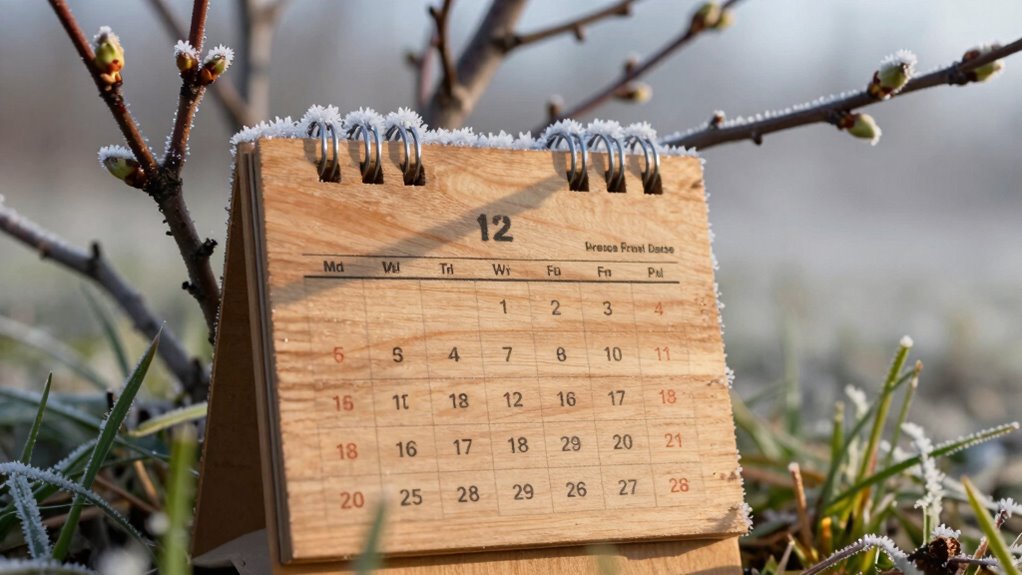
To find the first and last frost dates in your area, start by checking reliable sources such as local extension offices, weather websites, or specialized gardening tools. These sources often provide historical frost data specific to your region. Additionally, consider soil testing to determine your soil’s readiness and risk factors for pest management, which can be influenced by frost timing. Understanding these dates helps you plan planting schedules accurately. You can also:
Check local sources and soil tests to determine your area’s frost dates for better planting timing.
- Review local gardening calendars
- Use online frost date calculators
- Consult experienced local gardeners
- Check regional agricultural reports
- Verify trusted resources for accurate frost date information. Knowing the frost dates prevents planting too early or too late, reducing crop damage and optimizing your garden’s success. This information ensures you plant with confidence, knowing your garden is protected from unexpected frosts.
How Growing Seasons Depend on Frost Dates

Your growing season directly depends on frost dates because they determine the safe window for planting and harvesting. Knowing these dates helps you plan soil preparation, ensuring you start early enough to give plants a head start without risking frost damage. It also guides pest management, as pests often emerge after the last frost, so timing interventions can prevent infestations. If you plant too early, frost can kill seedlings, wasting effort and resources. Conversely, waiting too long shortens your season and limits crop choices. Understanding frost dates allows you to optimize your planting schedule, improve soil health, and manage pests effectively. Accurate frost date information helps you make informed decisions and avoid unnecessary setbacks. Additionally, being aware of local plant ecosystems can enhance your foraging knowledge and support sustainable practices. Recognizing climatic factors that influence frost patterns can further improve your planting success. Being mindful of microclimates around your property can also help you fine-tune your planting schedule for better results. Moreover, tracking historical frost trends can provide insights for future planting strategies.
Planning Your Garden Calendar Using Frost Dates
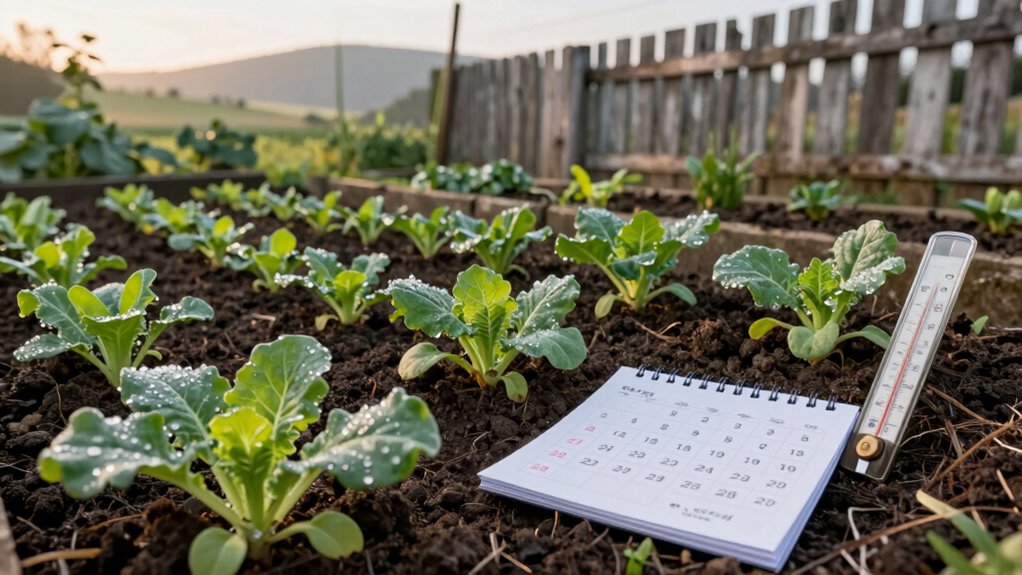
Planning your garden calendar around frost dates guarantees you plant at the most suitable times for healthy growth and a bountiful harvest. Use frost dates to schedule soil preparation early in spring, ensuring your soil is ready before planting. Knowing the last frost date helps you time pest management strategies, like planting resistant varieties or applying organic controls in advance. Additionally, understanding garden planning principles can optimize your planting schedule for maximum success. To maximize your garden’s success:
Plan your planting schedule around frost dates for healthier crops and better harvests.
- Start soil preparation weeks before the last frost date
- Time seed sowing indoors or in protected areas
- Schedule transplanting outdoors after the danger of frost passes
- Plan for early pest management to prevent damage
- Familiarize yourself with credit card insights to manage seasonal expenses effectively during planting season. Being aware of frost prediction methods can further improve your planning accuracy.
Tips for Protecting Your Plants From Unexpected Frosts

Unexpected frosts can catch gardeners off guard, even when the forecast suggests warmer weather. To protect your plants, consider their plant hardiness zone and how susceptible they are to frost. Use frost protection methods like covering vulnerable plants with blankets, burlap, or row covers before nightfall. Mulching around the base of plants helps insulate roots and retain soil warmth. If you have potted plants, move them indoors or to a sheltered spot during cold nights. Keep an eye on local weather updates, especially if a sudden cold snap is forecasted. Quick action can prevent frost damage and save your plants. Being aware of frost dates and how they vary by region can help you plan better and avoid unnecessary damage. By understanding your garden’s plant hardiness and employing frost protection techniques, you’ll give your garden a better chance to thrive despite unexpected frosts. Regularly monitoring weather patterns can help you anticipate frost events and act proactively.
Common Frost Date Planning Mistakes to Avoid
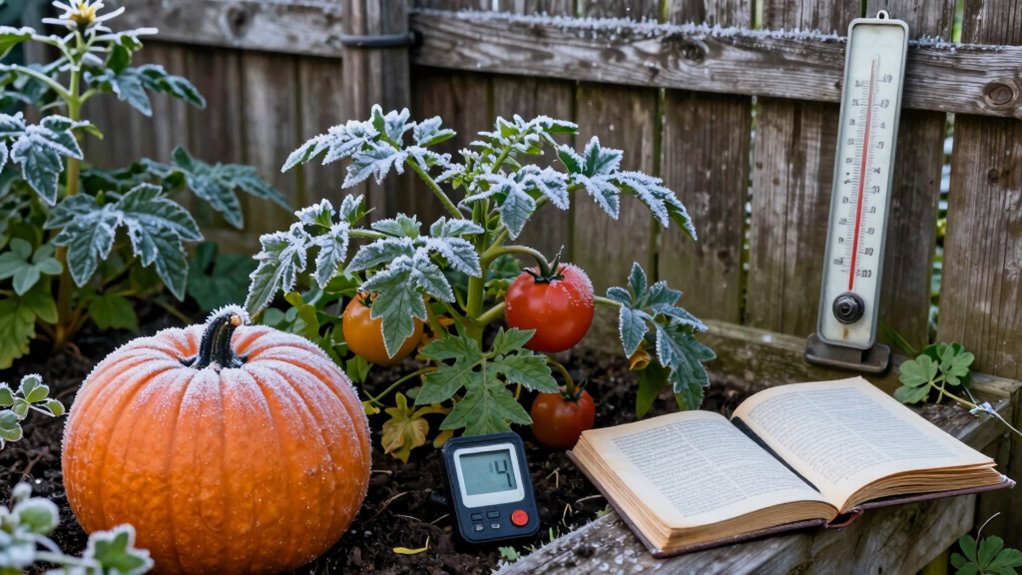
Many gardeners underestimate how important it is to accurately determine their last spring frost date. Relying on frost date myths or planting on hope often leads to disappointment or damaged crops. Common mistakes include assuming frost dates are exact, ignoring local microclimates, and delaying planting too long. These errors can cause you to start too early or too late, risking frost damage or missed planting windows. To avoid these pitfalls, always use trusted sources for frost dates, consider your area’s unique conditions, and plan conservatively. Remember, frost dates are estimates, not guarantees. Understanding microclimates in your area can significantly improve your frost date accuracy. Additionally, proper planning involves monitoring weather forecasts closely and adjusting your planting schedule accordingly, which can help you better manage planting risks. Recognizing the impact of microclimates can help fine-tune your planting timeline further.
Best Crops to Plant Before and After the Last Frost Date
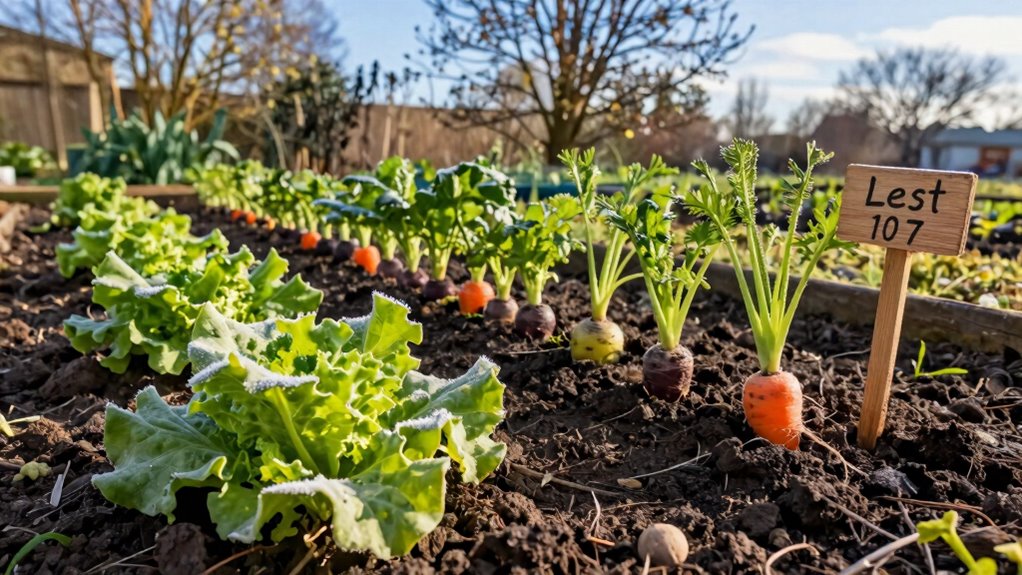
Timing your planting around the last frost date is crucial for a successful garden. Before the frost date, plant hardy crops like lettuce, peas, and broccoli, which tolerate cooler temperatures. Use companion planting to boost growth and deter pests—pair carrots with onions or beans with corn. Proper soil preparation is necessary; enrich your soil with compost to guarantee healthy seedlings. After the last frost, you can plant warm-season crops such as tomatoes, peppers, and summer squash. These thrive once the danger of frost passes. Extending your growing season with cold frames or row covers helps protect tender plants early or late in the season. Planning your planting schedule around frost dates maximizes crop success and minimizes the risk of frost damage. Understanding frost dates can help gardeners fine-tune their planting timetable for optimal results.
How Climate Change Is Changing Frost Dates and What It Means for Your Garden
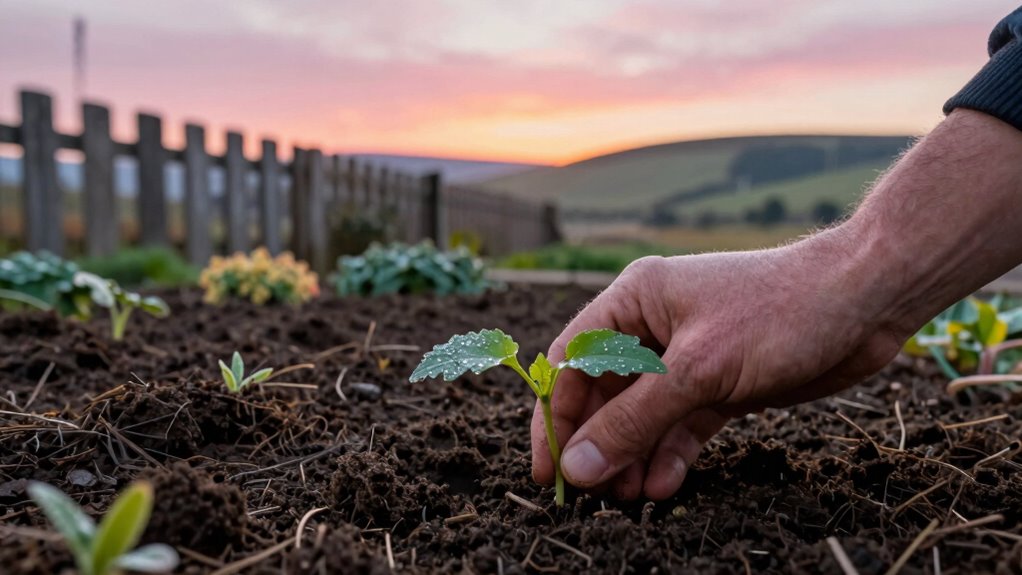
Climate change is causing frost dates to shift, often leading to longer frost seasons and unpredictable spring warmth. This makes planning your garden more challenging since traditional planting calendars may no longer apply. Staying aware of these changes helps you adapt and protect your plants effectively. Being informed about climate change impacts can also inspire you to choose eco-friendly and ethically sourced gardening supplies, contributing to a more sustainable garden environment. Recognizing changing seasonal patterns allows gardeners to better time planting and harvests for optimal growth.
Extended Frost Seasons
As temperatures rise and weather patterns shift, frost seasons are extending beyond their traditional windows, catching gardeners off guard. Climate change causes microclimate variations, making local frost dates less predictable. This challenges common frost date myths, where fixed dates no longer apply. You might find frost lingering later in spring or arriving earlier in fall, depending on your location. To adapt, track local weather patterns and observe your garden’s microclimate. Keep in mind that frost risk can vary even within a neighborhood, so relying solely on traditional dates can lead to surprises. Staying flexible and monitoring real-time conditions helps you better plan your planting schedule and protect tender plants. Recognizing these extended frost seasons is key to avoiding damage and ensuring a successful garden.
Unpredictable Spring Warmth
Unpredictable spring warmth is transforming the way frost dates behave, making it harder for gardeners to plan ahead. With early bursts of spring warmth, you might be tempted to start planting sooner, but beware of unexpected frosts that can wipe out tender plants. Climate change causes irregular temperature patterns, leading to fluctuating spring warmth and sudden cold snaps. These unpredictable swings increase the risk of damage from unexpected frosts even after the traditional last frost date has passed. To stay ahead, monitor local weather forecasts closely and consider using protective covers or cold frames. Recognizing that spring warmth can be unreliable helps you adapt your planting schedule and avoid costly losses, ensuring your garden’s success despite these changing conditions.
Tools and Resources to Track Frost Dates Year-Round
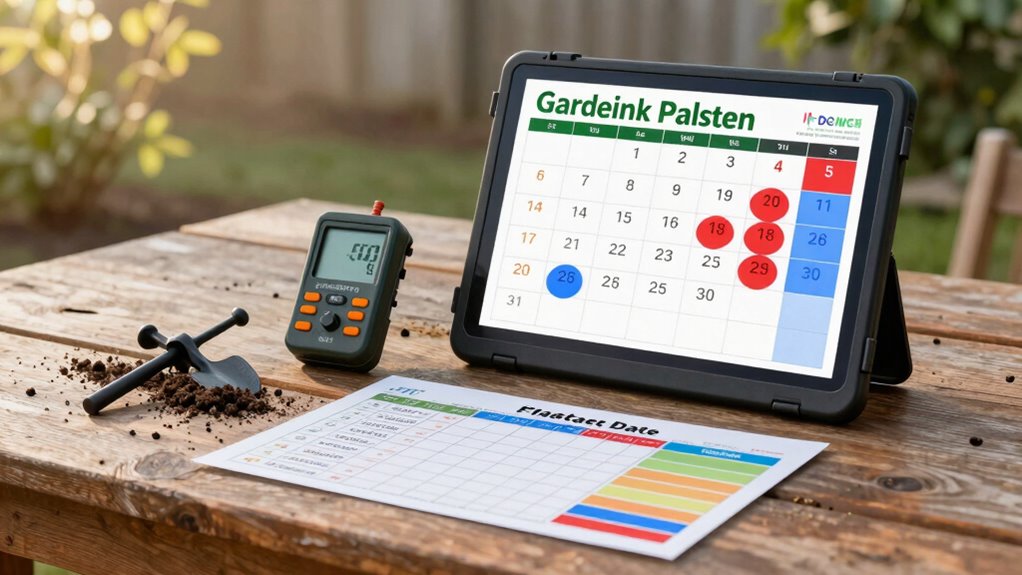
Tracking frost dates throughout the year is essential for planning your planting schedule and protecting your garden. Using the right tools and resources helps you stay ahead of seasonal gardening challenges and implement effective frost protection techniques. Reliable sources include local extension office reports, online climate databases, and gardening apps that offer tailored frost date forecasts. You can also keep a gardening journal to note actual frost occurrences and improve your planning over time. Weather websites often provide weekly updates, and smartphone alerts can notify you of upcoming frosts. These resources enable you to adapt quickly, avoid planting too early, and safeguard tender plants. By staying informed, you’ll reduce the risk of frost damage and cultivate a thriving garden year-round.
Tracking frost dates helps you plan, protect plants, and grow a thriving garden year-round.
- Local extension office reports
- Gardening apps with frost date forecasts
- Online climate databases
- Weather alert notifications
Why Following Frost Dates Leads to a Successful Garden
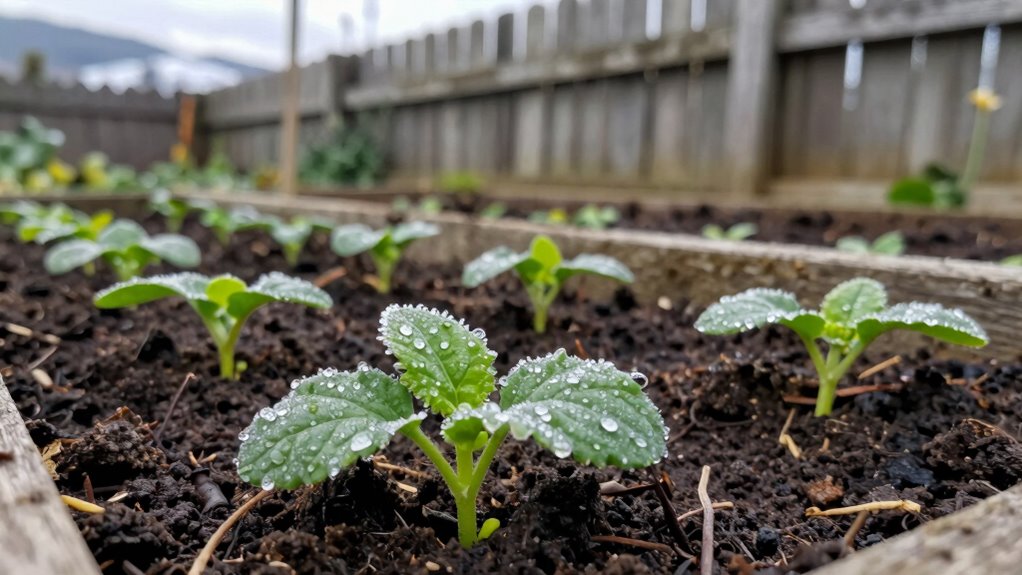
Following frost dates is essential because it helps you plan your planting schedule carefully, ensuring you don’t start too early or too late. Many frost date myths suggest you can ignore these dates or use guesswork, but that often leads to poor germination or plant damage. By sticking to accurate frost dates, you set realistic timelines for when to sow seeds or transplant seedlings, reducing the risk of cold injury. A reliable planting schedule based on frost dates gives your garden the best chance to thrive, allowing plants to develop fully before the first frost or after the last frost. Following these dates removes guesswork and helps you make informed decisions, leading to a more successful, bountiful garden.
Frequently Asked Questions
Can Frost Dates Vary Significantly Within the Same Region?
Yes, frost dates can vary considerably within the same region due to microclimate variations and regional discrepancies. You might find that areas near bodies of water, urban environments, or sheltered spots freeze later or earlier than the surrounding landscape. In order to guarantee successful planting, it’s vital to take into account these local differences and adjust your planting schedule accordingly, rather than relying solely on regional frost date averages.
How Do Microclimates Affect Local Frost Dates?
Microclimate variations can substantially affect local frost dates, making them different from general regional estimates. You’ll notice local temperature nuances caused by factors like nearby bodies of water, urban heat islands, or elevation changes. These elements can cause frost to arrive earlier or later than expected. To avoid planting surprises, track your specific microclimate’s conditions, monitor local weather reports, and consider using protective measures during unpredictable cold spells.
Are Frost Dates Different for Indoor Versus Outdoor Gardening?
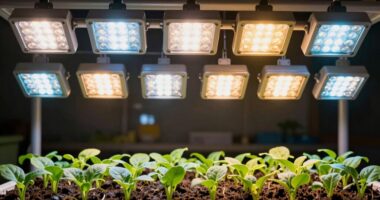
Indoor gardening isn’t affected by frost dates, unlike outdoor gardening. Think of your indoor space as a cozy greenhouse that offers season extension year-round. You can grow plants anytime with frost protection techniques like heating mats or grow lights. Outdoors, you need to watch for frost dates to prevent damage, but indoors, you control the environment, making it a safe haven for your plants regardless of the season.
How Reliable Are Online Frost Date Calculators?
Online frost date calculators are generally helpful, but their reliability can vary due to climate change impacts and historical data accuracy. You should use them as a guideline rather than a strict rule, because shifting weather patterns may cause frost dates to change unexpectedly. To improve accuracy, consider local weather reports and long-term climate data, adjusting your planting schedule accordingly so you don’t risk frost damage.
What Are the Best Methods for Extending the Growing Season?
To extend your growing season, you should use frost protection techniques like row covers, cold frames, or hoop houses. These methods create a microclimate that shields plants from frost, allowing you to grow crops longer. Additionally, planning for season extension by choosing hardy varieties and starting plants indoors can help you maximize your harvest. Regularly monitor weather forecasts to adjust your frost protection strategies effectively.
Conclusion
Knowing your frost dates can boost your gardening success by up to 70%, helping you avoid planting too early or too late. By planning ahead, you’ll enjoy healthier plants and better yields—saving time and money. Remember, climate change is shifting these dates, so stay updated with reliable tools. Embrace the knowledge, and your garden will thrive, turning hope into harvest and making every growing season more predictable and rewarding.
Baby shower & registry season Picks
baby registry must-haves
As an affiliate, we earn on qualifying purchases.