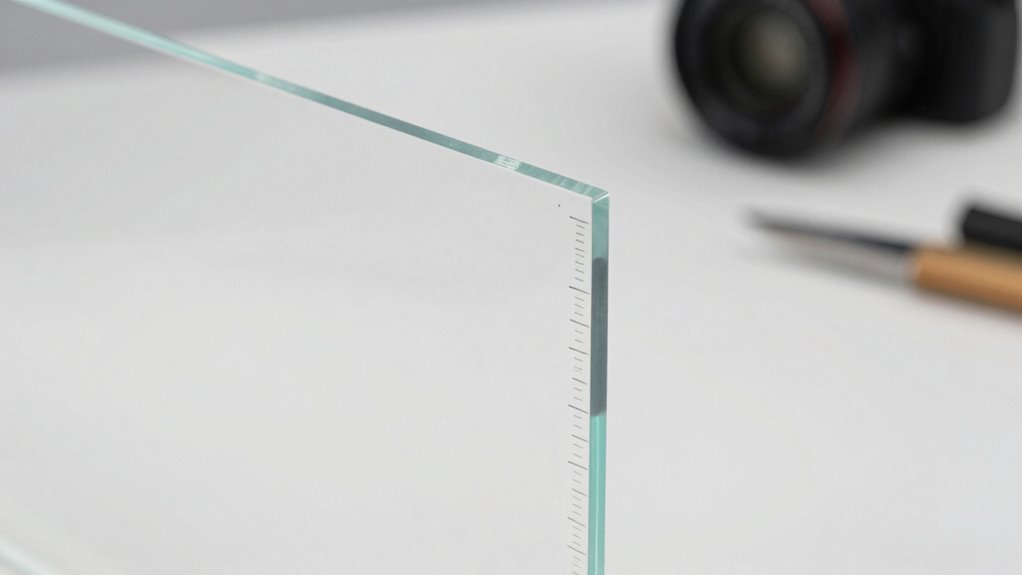

Choosing the right polycarbonate thickness depends on your needs for durability, impact resistance, and light transmission. Thinner panels are flexible and cost-effective for decorative uses, while thicker ones offer better durability and UV protection for safety or greenhouse applications. Consider environmental exposure, security, and cost when selecting a panel. If you want to guarantee you pick the best option, you’ll find valuable tips and insights below to guide your decision.

Get garden gear delivered free — and shop member deals
- Fast, free delivery on millions of items
- Access to Prime Big Deal Days deals on October 6–7
- Prime Video, Amazon Music and more included
Key Takeaways
- Thicker polycarbonate panels offer better impact resistance, UV protection, and thermal insulation, suitable for safety and energy efficiency.
- Thinner panels are lightweight, flexible, and ideal for decorative uses with minimal impact requirements.
- Choose panel thickness based on application needs, environmental exposure, and load-bearing requirements.
- Increased thickness may reduce light transmission slightly but enhances durability and UV protection.
- Consider cost, handling, and installation implications, balancing performance needs with budget constraints.
As an affiliate, we earn on qualifying purchases.
Why Choosing the Right Polycarbonate Thickness Matters
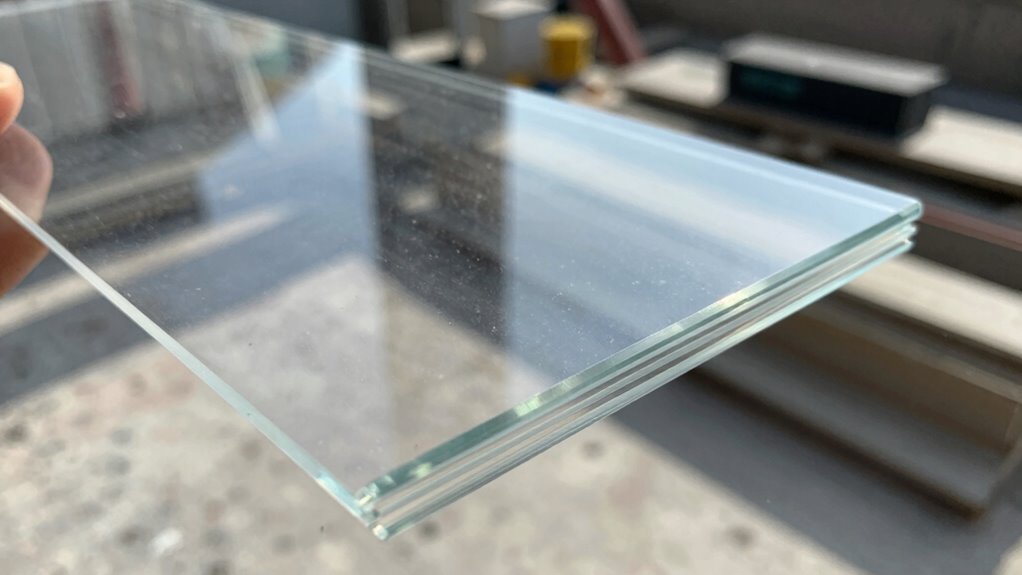
Choosing the right polycarbonate thickness is essential because it directly affects the durability, safety, and performance of your application. Thicker panels generally offer better UV protection, shielding your space from harmful rays and preventing yellowing or degradation over time. They also provide improved thermal insulation, helping to maintain consistent indoor temperatures and reduce energy costs. Additionally, selecting an appropriate thickness can enhance energy efficiency by optimizing insulation properties and reducing heating or cooling demands. If you select a panel that’s too thin, you risk insufficient UV protection and poor thermal performance, which can lead to faster wear and higher maintenance. Conversely, overly thick panels might add unnecessary weight and cost. By understanding your specific needs, you can choose a thickness that balances UV protection and thermal insulation, ensuring your project remains safe, efficient, and durable for years to come.
What Are the Common Thickness Options for Polycarbonate Panels?
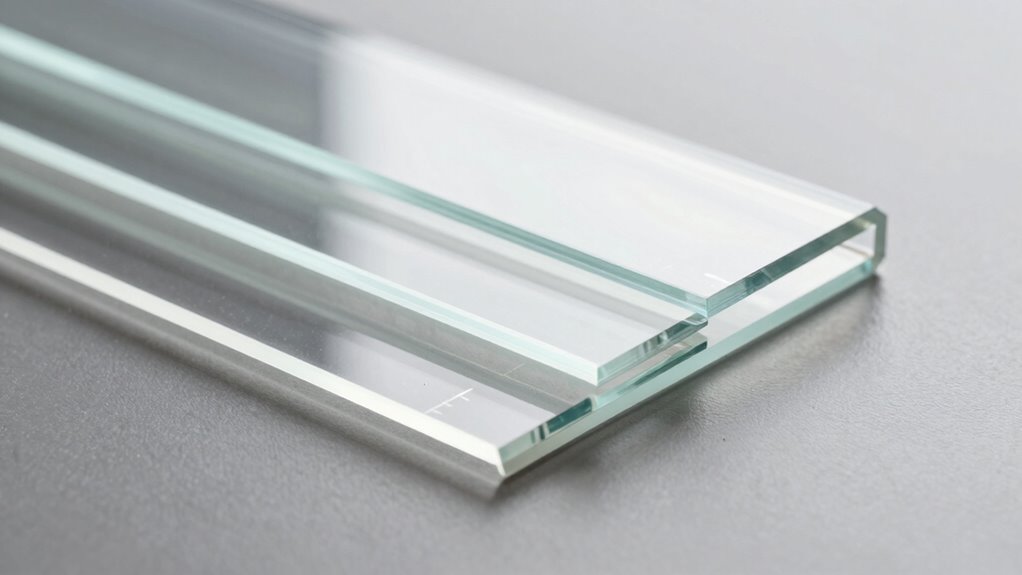
Polycarbonate panels come in a variety of thicknesses to suit different needs. You’ll often see common measurements like 0.060 inches, 0.118 inches, and 0.177 inches. These options are used for applications ranging from skylights to safety barriers, depending on the required strength and clarity. European cloud innovation emphasizes energy-efficient solutions that can be integrated with modern building materials.
Common Thickness Measurements
Have you ever wondered what thickness options are available for polycarbonate panels? Common thickness measurements typically range from 0.030 inches to 1.25 inches, with 0.093 inches and 0.177 inches being popular choices. Thinner panels, like 0.030 inches, are lightweight and flexible, ideal for color options and decorative uses. Thicker panels, such as 0.177 inches, provide increased durability and impact resistance, making them suitable for panel installation in high-traffic or outdoor environments. Your choice depends on your specific needs—whether you prioritize light transmission, strength, or ease of handling. Understanding these common measurements helps you select the right panel for your project, ensuring excellent performance and longevity. Rendering lard knowledge can also inspire DIY projects to enhance self-sufficiency and reduce reliance on store-bought fats.
Typical Panel Applications
Different thicknesses of polycarbonate panels are suited for various applications, depending on the level of strength, impact resistance, and transparency required. Thinner panels, around 0.118 to 0.177 inches, are ideal for decorative designs and light shielding, providing aesthetic appeal without sacrificing clarity. Thicker options, such as 0.236 inches or more, are better for solar energy applications, where durability and impact resistance are critical. These panels can withstand harsh weather conditions and support solar panel mounting. For roofing or skylights, medium thicknesses balance light transmission with strength. Understanding these typical thickness options helps you select the right polycarbonate panel for your specific project, whether you’re focusing on enhancing visual appeal or maximizing impact resistance for solar installations. Polycarbonate strength plays a key role in determining the most suitable panel thickness for your needs.
How Does Thickness Impact Durability and Impact Resistance?
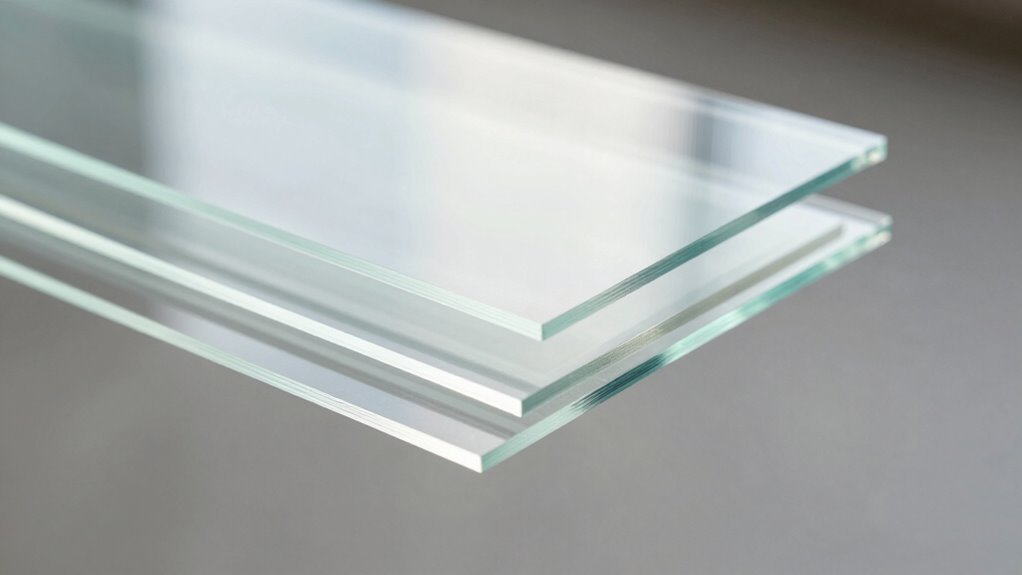
As thickness increases, polycarbonate panels become more resistant to impacts and long-term wear. Thicker panels offer enhanced durability, absorbing more energy during impacts, which reduces the risk of cracks or breaks. This makes them ideal for high-traffic or demanding environments. Additionally, increased thickness improves UV resistance, protecting the panel’s integrity and appearance over time. Thicker panels also provide better thermal insulation, helping to maintain interior temperatures and reduce energy costs. However, keep in mind that extra thickness can add weight and cost. Choosing the right thickness balances impact resistance, durability, and your specific application needs. Overall, a thicker polycarbonate panel will serve you better in situations requiring durability and long-lasting performance. Gold IRA Markets offer insights into choosing durable and reliable investment options, similar to selecting the right panel thickness for longevity.
How Does Thickness Affect Light Transmission and Clarity?
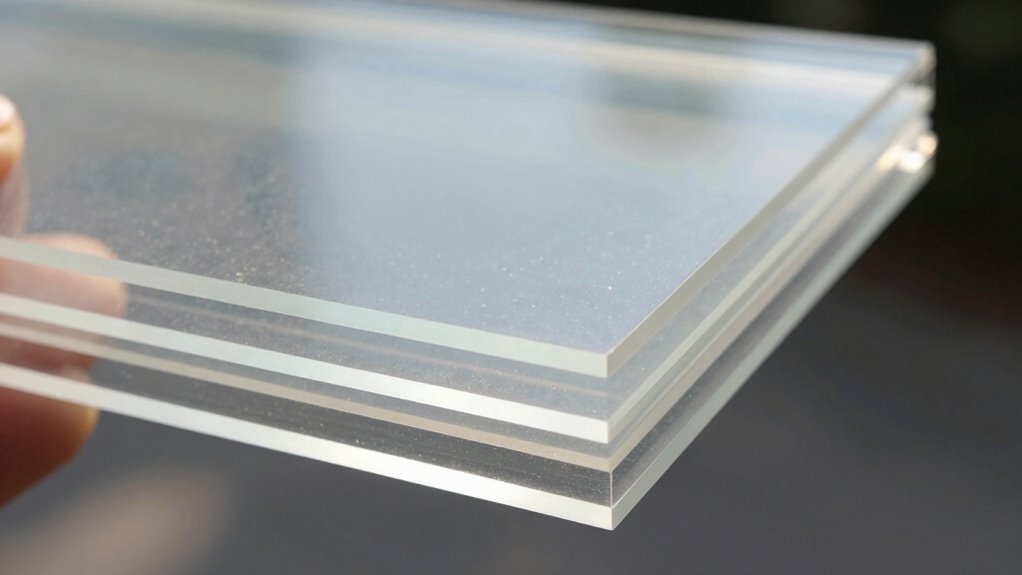
Ever wondered how thickness influences the clarity of polycarbonate panels? Thicker panels can slightly reduce light transmission, but they often offer better UV protection and thermal insulation. Here’s what happens:
- Thicker panels tend to filter out more UV rays, protecting your space and improving clarity over time.
- Light diffusion increases with thickness, which can slightly diminish brightness but enhance overall clarity.
- Enhanced thermal insulation in thicker panels helps maintain consistent indoor conditions, reducing glare and fogging, which improves visibility.
- Additionally, the material’s properties play a role in how thickness impacts overall transparency and durability.
While increasing thickness might reduce some light transmission, it often results in clearer, more protected panels that block harmful UV rays and insulate better. This balance ensures you get the best clarity without sacrificing UV protection or thermal benefits.
Which Thickness Is Best for Greenhouses and Skylights?

Choosing the right polycarbonate thickness for greenhouses and skylights depends on balancing light transmission with durability and insulation. Thicker panels, like 6mm or 8mm, provide better UV protection, shielding plants and interiors from harmful rays. They also offer enhanced thermal insulation, keeping heat inside during colder months and reducing energy costs. If you prioritize maximum natural light, thinner options like 3mm may suffice, but they trade off some UV protection and insulation. For most greenhouses and skylights, 4mm to 6mm thickness strikes a good balance, offering sufficient UV protection and insulation without sacrificing too much light. Your choice should align with your climate, plant needs, and energy efficiency goals to ensure ideal growth and comfort, and considering polycarbonate panel properties can help you make an informed decision.
When Should You Choose Thicker Panels for Safety and Security?
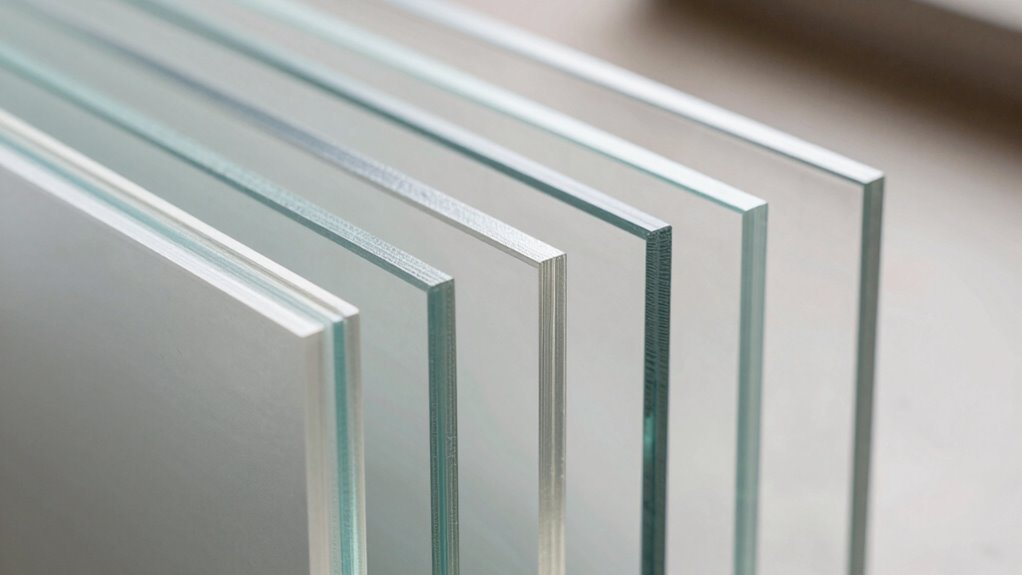
If safety and security are top priorities, thicker polycarbonate panels provide better impact resistance and durability. They’re ideal when you need added protection against vandalism, break-ins, or harsh weather conditions. Consider upgrading to thicker panels whenever security concerns outweigh the need for lighter, more flexible options. Additionally, Free Floating designs benefit from increased thickness to support structural stability and longevity.
Impact Resistance Benefits
When safety and security are top priorities, selecting thicker polycarbonate panels can considerably enhance impact resistance. Thicker panels are more resistant to cracks and breaks, providing better protection against vandalism, accidental impacts, or severe weather. This is especially important if you’re integrating solar energy systems that require durable, impact-resistant surfaces. Additionally, thicker panels improve thermal insulation, helping maintain indoor comfort and reducing energy costs.
Consider these impact resistance benefits:
- Greater durability against physical threats like hail or debris.
- Enhanced security for valuable assets or sensitive areas.
- Longer-lasting panels that withstand harsh environmental conditions, reducing maintenance costs.
- Understanding impact resistance ratings helps you choose the most suitable panel thickness for your specific safety needs.
Choosing the right thickness ensures your investment provides reliable safety, energy efficiency, and peace of mind.
Enhanced Security Measures
Thicker polycarbonate panels substantially boost security by resisting forced entry and vandalism. If safety is a top priority, especially in high-risk areas, opting for thicker panels makes sense. They provide a stronger barrier, deterring break-ins and damage. Additionally, thicker panels are better suited for installations involving solar energy systems, ensuring durability against impacts from weather or accidental impacts. Despite their robustness, they can still feature decorative design elements, maintaining aesthetic appeal without compromising security. When you need enhanced protection for sensitive assets or public spaces, choosing thicker polycarbonate panels is a wise move. This ensures both safety and visual appeal, making your space more secure while allowing flexibility in design choices. Polycarbonate properties also play a crucial role in determining the optimal thickness for specific applications.
What Are the Cost Differences Between Thinner and Thicker Polycarbonate?
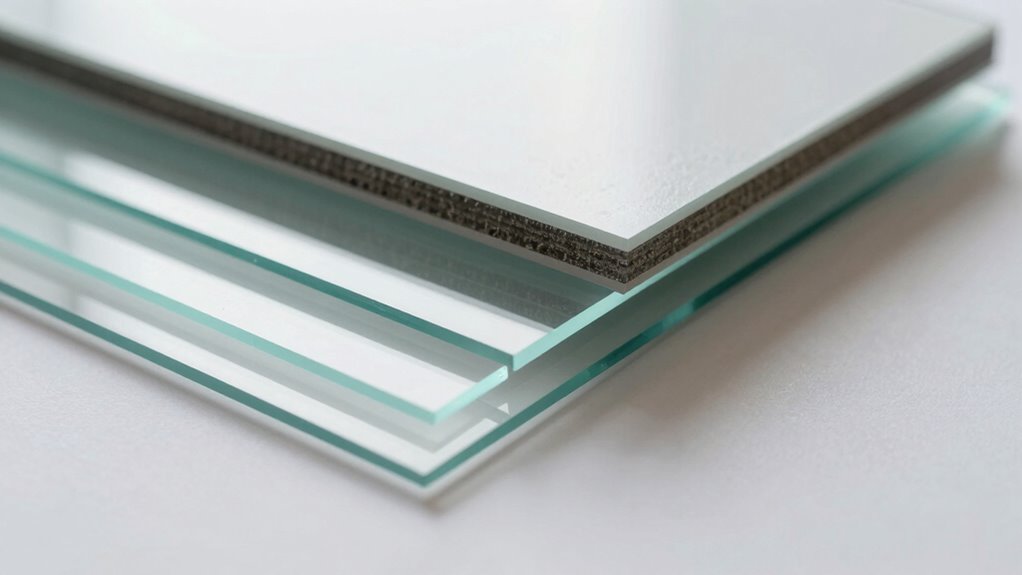
Choosing between thinner and thicker polycarbonate often comes down to cost, as the material’s thickness directly influences expenses. A clear cost comparison helps you stay within your budget considerations. Typically, thinner panels cost less upfront, making them ideal for budget-conscious projects. Thicker polycarbonate, however, tends to have a higher price per sheet due to increased material use. To paint a picture:
Thinner polycarbonate panels are more budget-friendly, while thicker sheets cost more due to additional material and handling.
- Thinner panels (around 0.75mm to 1.5mm) are usually 20-40% cheaper.
- Thicker panels (above 2mm) can cost up to 50% more.
- The increased cost also accounts for additional handling and installation needs.
Understanding these differences helps you balance your project’s needs with your financial limits, ensuring you choose the right thickness without overspending.
How Do You Measure and Decide the Appropriate Panel Thickness?
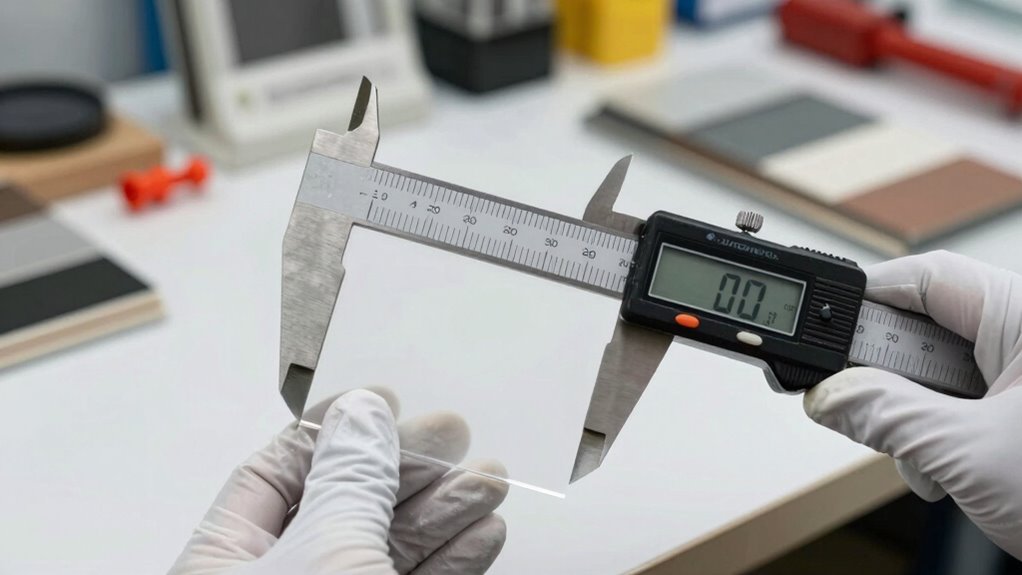
Determining the right polycarbonate panel thickness involves understanding your project’s specific requirements and how the material will be used. To do this, start by reviewing installation guidelines, which specify recommended thicknesses for various applications like roofing or glazing. Consider the load your panels will bear and exposure to elements, as thicker panels often provide better durability and impact resistance. Measure the span between supports and evaluate the expected stress on the panels. Once you’ve selected a thickness, keep maintenance tips in mind—thicker panels may require less frequent cleaning or repairs. Ultimately, your choice depends on balancing structural needs with ease of installation and ongoing maintenance, ensuring you pick a panel thickness that offers both safety and longevity.
Expert Tips for Matching Polycarbonate Thickness to Your Project Needs
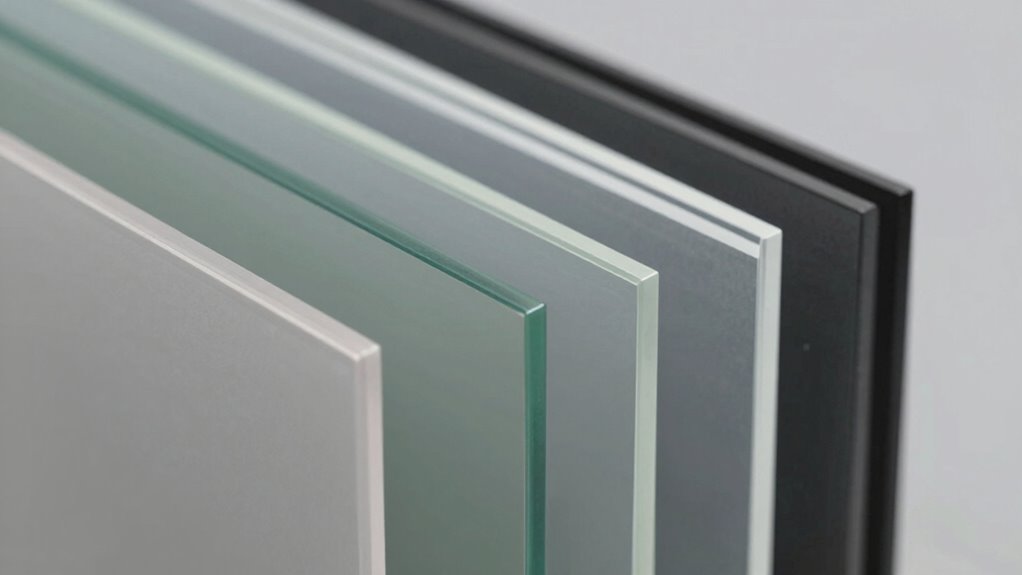
To guarantee your polycarbonate panels meet your project’s needs, it’s crucial to match their thickness accurately to the specific application. Consider these expert tips:
- Assess your desired color options—thicker panels often come in more options, affecting light transmission and aesthetic appeal.
- Choose appropriate installation techniques—thinner panels are easier to install in tight spaces, while thicker ones offer better durability and impact resistance.
- Match thickness with your project’s environment—areas exposed to harsh weather or heavy loads benefit from increased thickness for added strength.
Final Checklist: How to Pick the Perfect Polycarbonate Panel Thickness
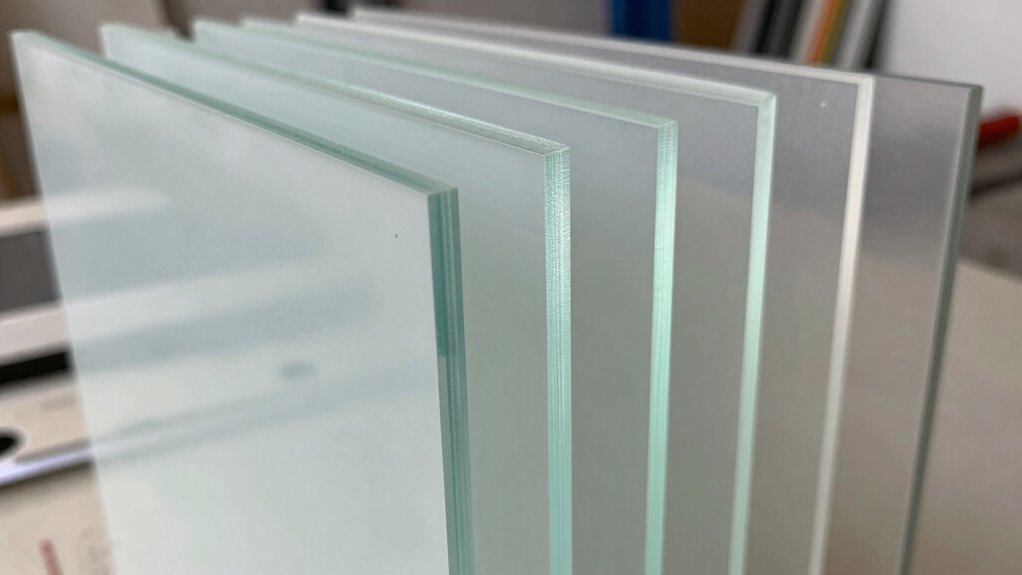
Selecting the right polycarbonate panel thickness is essential to guarantee your project’s success. First, consider the material’s flexibility; thinner panels offer greater flexibility, making them ideal for curved designs, while thicker panels provide durability for heavy-duty applications. Next, evaluate your installation techniques—if you’re using simple fastening methods, a moderate thickness ensures stability without compromising flexibility. For projects requiring more complex installation, thicker panels may be necessary to prevent sagging or damage. Also, think about your climate and exposure to elements—thicker panels resist impacts and UV damage better. Finally, confirm that your chosen thickness aligns with local building codes and safety standards. By balancing material flexibility, installation methods, and environmental factors, you’ll confidently select the perfect polycarbonate panel thickness for your project.
Frequently Asked Questions
Can Polycarbonate Thickness Affect Insulation Properties?
Yes, polycarbonate thickness affects insulation properties. Thicker panels provide better thermal insulation, helping you keep heat in or out more effectively. Additionally, increased thickness enhances UV protection and mechanical strength, making your panels more durable and resistant to damage. When choosing, consider your insulation needs and whether you want improved UV protection or strength, as thicker panels generally offer superior performance in these areas.
How Does Climate Influence the Ideal Polycarbonate Thickness?
Climate influences the ideal polycarbonate thickness like a tailor fitting a suit. For hot, sunny areas, choose a thinner panel to optimize thermal regulation and reduce heat transfer. In colder or harsh weather, thicker panels provide better structural strength and insulation. Your choice impacts how well your space stays comfortable, balancing thermal regulation and durability based on climate. So, consider your local weather to pick the right polycarbonate thickness for your needs.
Are Thicker Panels More UV Resistant?
Thicker polycarbonate panels generally offer better UV resistance and improved panel durability. When you choose a thicker panel, it provides a more robust barrier against UV rays, helping prevent degradation over time. This means your panels will last longer and stay clearer, especially in harsh sunlight. So, if you want enhanced UV resistance and increased durability, opting for thicker panels is a smart choice, especially in sunny or demanding environments.
What Maintenance Considerations Vary With Panel Thickness?
Think of thicker panels as sturdy shields that require less frequent maintenance, helping you keep their clarity and strength over time. You’ll find that thicker panels boost durability, making them more resistant to scratches and impacts, but they can pose installation challenges due to their weight. To maximize their lifespan, regularly clean them with gentle solutions and inspect for any damage, ensuring your investment stays resilient and visually appealing.
Is There an Industry Standard for Minimum Polycarbonate Thickness?
Yes, there is an industry standard for minimum polycarbonate thickness, typically around 0.118 inches (3mm), but it varies based on manufacturing tolerances and application needs. You should consider installation techniques as well, since proper handling and support help maintain panel integrity. Always check manufacturer specifications and industry guidelines to guarantee you’re selecting the right thickness for your project’s durability and safety requirements.
Conclusion
Choosing the right polycarbonate thickness is like finding the perfect suit—fit matters. By understanding your project’s needs, from durability to clarity, you can select a panel that not only performs but also saves you money. Remember, the right thickness isn’t just a detail; it’s the backbone of your project’s success. So, take your time, measure twice, and pick a panel that will stand the test of time like a sturdy oak in a storm.
Fall yard work Picks
leaf blowers
As an affiliate, we earn on qualifying purchases.