
TL;DR
A late-fall gardening guide recommends mulching newly planted perennials, roses, young hydrangeas, spring bulbs, strawberries and hardy garden mums as the soil begins to freeze. The supplied source does not identify the four plants in the headline that should be left uncovered, so that part of the advice cannot be verified from the available material.
A late-fall gardening guide recommends adding protective mulch around six groups of plants as soil begins to freeze: newly planted perennials, roses, young hydrangeas, spring-flowering bulbs, strawberries and hardy garden mums. The advice is intended to moderate soil-temperature swings and help protect roots, but the supplied source does not identify the four plants to leave uncovered promised in its headline.

Get garden gear delivered free with Prime
- Fast, free delivery on millions of items
- Prime Video, Amazon Music and more included
- Member-only deals all year
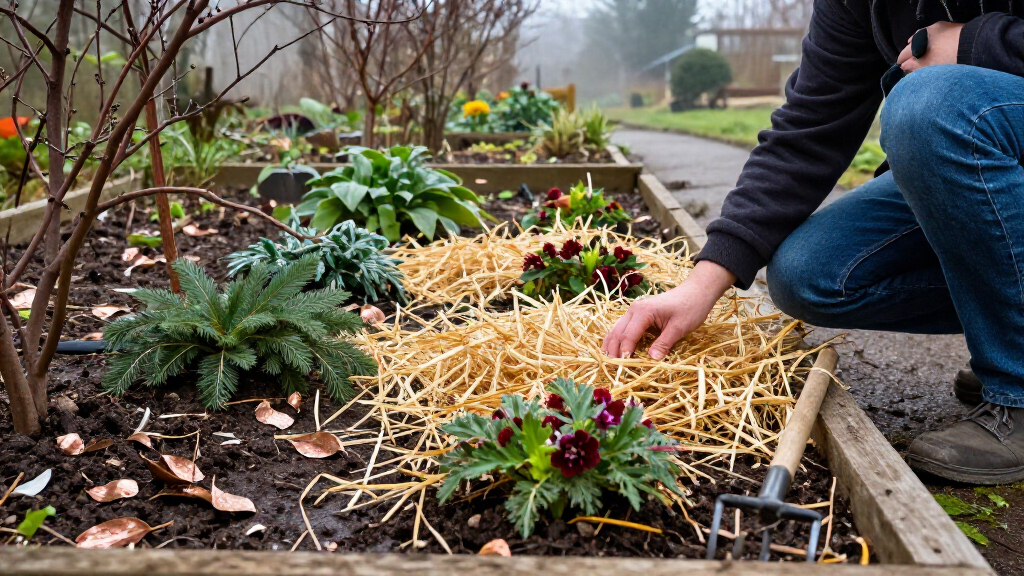
The suggested timing is as the ground begins to freeze, rather than simply on a particular date in November. A natural, plant-based mulch—such as compost, shredded leaves or bark—can insulate soil while gradually breaking down. The guide advises spreading mulch over the soil and keeping it away from plant stems, where trapped moisture may contribute to rot. It also says to use undyed material and that mulch binder or glue is unnecessary.
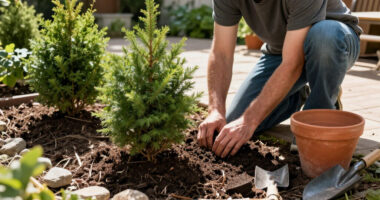
For newly planted perennials, the guide suggests a loose layer of 3 to 4 inches, with extra attention to plants that are borderline hardy in the local growing region. For roses, it recommends 8 to 12 inches of compost, organic mulch or loose soil around the base, while leaving a gap of a couple of inches around stems. Those amounts are source recommendations, not a universal prescription for every variety or climate.
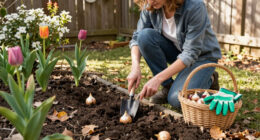
For young hydrangeas, the recommended depth is 2 to 6 inches, adjusted for winter severity. The guide says established, reliably hardy hydrangeas may not need the same protection. It recommends 2 to 3 inches of light, loose mulch over spring bulbs, including tulips, crocuses, daffodils and hyacinths. Bulbs planted in November can be mulched after planting, according to the source.
For strawberries, the guide calls for a loose 3-to-4-inch layer of organic mulch, with weed-free straw offered as an example. It says to pull the straw back in spring as new growth appears, while leaving some between rows or along bed edges. For hardy garden mums, it advises leaving the foliage intact and placing a few inches of loose organic mulch under and around the leaves. The guidance refers to mums grown as perennials, not all plants sold as seasonal fall annuals.
Mulch six plant groups as soil begins to freeze
The guide recommends loose, natural mulch to help protect vulnerable roots. Its promised list of four plants to leave uncovered is missing from the supplied material.
Six groups to protect
The guide’s recommendations cover newly planted or winter-vulnerable plants.
Newly planted
Use a loose 3–4 inch layer, especially for plants borderline hardy in your region.
Insulate the base
The guide suggests 8–12 inches around the base, with a gap around stems.
Young plants
Apply 2–6 inches, adjusted for winter severity. Root mulch does not protect buds.
Spring flowers
Cover tulips, crocuses, daffodils and hyacinths with 2–3 inches of light mulch.
Loose straw layer
Use 3–4 inches of organic mulch; pull straw back as spring growth appears.
Hardy perennials
Leave foliage intact and place a few inches of loose mulch under and around leaves.
Timing and materials
Use local conditions and plant needs to guide the work.
Apply mulch as the ground begins to freeze, rather than relying on a fixed November date.
Use undyed compost, shredded leaves, bark or loose straw where appropriate.
Spread mulch over soil without piling it against stems; the guide says binder or glue is unnecessary.
Check the limits
Mulch can moderate soil temperature swings, but the right protection depends on the plant and local winter.
- Root protection is the focus.
- Depths vary by plant group.
- For hydrangeas flowering on old wood, it suggests considering burlap for buds during cold snaps.
- The four plants to leave uncovered are not named.
- No region, frost dates or plant varieties are specified.
- The recommendations are not attributed to a named horticultural specialist.
Protecting Roots Through Freeze-Thaw
The recommendations focus on root protection, especially for recently planted or shallow-rooted plants. Repeated freezing and thawing can shift soil and expose or disturb roots, while cold conditions can damage plants before spring growth begins. A layer of mulch can moderate those fluctuations; it does not guarantee a plant will survive winter or protect every part of it.
The advice may be useful to gardeners deciding whether to cover an entire bed or concentrate on vulnerable plants. It also highlights that mulch depth and timing vary: the guide gives different ranges for roses, bulbs, strawberries and other plants, and ties application to the soil starting to freeze. For hydrangeas that flower on old wood, the source says root mulch alone will not shield buds; it suggests considering burlap during cold snaps.
Products Worth Considering

Rachio 3 Smart Sprinkler Controller, 16-Zone

Blackstone OTG Propane Tabletop Griddle with Dual Heat Zones, Black, 22 in

IDEALHOUSE 6 x 9 ft Polycarbonate Greenhouse with Lockable Door, Adjustable Roof Vent, and Gutters
As an affiliate, we earn on qualifying purchases.
How November Mulching Is Timed
The source frames mulching as one task in late-fall garden preparation. It says natural materials can both insulate soil and add organic matter as they decompose, while also helping suppress weeds and keeping beds tidy. These are general gardening benefits stated by the source; how much protection a particular plant needs depends on its hardiness, establishment, site and local winter conditions.
The headline promises a list of four plants to leave uncovered, but the supplied article text contains only the six plants described above and general cautions about keeping mulch off stems. It does not provide the names or reasons for the four exceptions. No specific expert, university extension service or other independent authority is quoted in the supplied material, so the recommendations should be read as the guide’s advice rather than as independently verified findings.
The Four Exceptions Are Missing
The most prominent gap is the missing list of four plants to leave uncovered. Without their names or the reasons for excluding them, readers cannot use the supplied source to assess that part of the headline. The material also does not specify a geographic region, local frost dates or plant varieties, all of which can affect the appropriate timing and amount of winter protection.
The recommendations provide ranges rather than a single standard depth, and the source does not explain how to choose within each range for a particular garden. It also does not say whether the advice has been reviewed by a named horticultural specialist. Gardeners should check guidance suited to their local climate and plant varieties before applying unusually deep mulch, particularly around plant crowns and stems.
Check Local Conditions Before Mulching
Gardeners considering the advice should watch for the point when soil begins to freeze, then check local recommendations for each plant before applying mulch. Use loose, natural material, keep it clear of stems, and avoid treating the stated depths as interchangeable across plant types. For hydrangeas that flower on old wood, the source separately suggests considering burlap around buds during cold snaps.
In spring, the guide says to pull strawberry straw back when new growth appears, while leaving some between rows or around the bed edges. The missing four-plant list would need to be supplied before the headline’s “leave uncovered” advice can be assessed; until then, the available material supports only the six recommendations detailed here.
Key Questions
When should I apply November mulch?
The guide recommends applying it as the soil begins to freeze. Local weather and growing conditions matter more than the month alone.
Which six plants does the guide recommend mulching?
It names newly planted perennials, roses, young hydrangeas, spring-flowering bulbs, strawberries and hardy garden mums. Its advice varies by plant, including different suggested mulch depths.
What mulch materials does the source recommend?
It favors natural, undyed materials, such as compost, shredded leaves, bark or loose straw where appropriate. It says to keep mulch away from stems and does not recommend using mulch binder or glue.
Which four plants should be left uncovered?
The supplied source does not name them. Although its headline promises four exceptions, the article text provided lists only six plants to mulch and does not give a leave-uncovered list.
Does root mulch protect hydrangea buds?
No. The guide says mulch protects roots, not buds on old wood, and suggests considering a burlap wrap during cold snaps for those buds.
Source: gardeningknowhow.com