
TL;DR

Get garden gear delivered free with Prime
- Fast, free delivery on millions of items
- Prime Video, Amazon Music and more included
- Member-only deals all year
Garden greenhouse kits offer a quick, customizable way to extend your growing season. Picking the right kit depends on your space, climate, and plants. Proper placement and setup are key to thriving plants year-round.
You’ve probably seen those sleek, bubble-like structures tucked into backyards or urban rooftops. Greenhouse kits have become the secret weapon for gardeners who want control over their crop calendar. They’re a shortcut—ready-made shelters that turn any patch of land into a mini, climate-controlled paradise.
But with so many options, how do you pick the right one? What features matter most? In this guide, you’ll learn exactly how to select a greenhouse kit that suits your space, climate, and gardening goals — and how to get the most out of your investment.
Match your greenhouse type and size to your space, climate, and crop goals.
Choose glazing and framing materials based on durability, light needs, and weather conditions.
Proper placement, foundation, and anchoring are essential for safety and longevity.
Ventilation and heating are critical to prevent overheating and keep plants warm at night.
Stay updated on market innovations—modern kits now include smart automation and energy-efficient designs.
What kind of greenhouse kit fits your space and needs?
Greenhouse kits come in a surprising variety, each designed for different goals and spaces. For example, a lean-to attaches to your house wall, saving space and sharing heat. Perfect if you want quick access and don’t have a lot of room. Or, go for a freestanding model if you want flexibility—place it anywhere, from a sunny corner to a backyard.
Then there’s the hoop house or polytunnel, which are inexpensive but less permanent. These are great for quick season extension or temporary setups. If you want something stylish and durable, a geodesic dome offers wind resistance and efficient light capture but costs more.
Imagine a gardener planting tomatoes in a lean-to, using the wall for support, while another owner sets up a portable mini greenhouse on a balcony. Your choice depends on space, budget, and how much flexibility you want.
As an affiliate, we earn on qualifying purchases.
Which glazing material makes your plants happy and your budget smile?
Choosing the right glazing material is key to your greenhouse’s performance. Glass might look stunning and offers top clarity, but it’s heavy and fragile—think of it like a delicate glass sculpture. Polycarbonate panels are lighter, impact-resistant, and insulate better—perfect for home kits. Twin-wall polycarbonate even reduces heat loss and softens light, creating a gentle glow inside.
Polyethylene film is cheap and easy to install—ideal for hoop houses—but it wears out faster, needing replacements every few years. PVC covers are low-cost but less durable outdoors. When selecting, consider UV protection, impact resistance, and how much light you want to reach your plants. A thicker panel with UV coating lasts longer and transmits more light.
For example, a gardener in a windy coastal area might prefer impact-resistant polycarbonate, while someone in a mild climate might opt for glass for beauty and clarity.
How to pick the perfect frame material for your climate and style
The frame holds everything together and must withstand your weather. Aluminum is lightweight, rust-proof, and easy to move—great for urban or temporary setups. Galvanized steel is stronger and more durable, ideal if you face heavy snow or high winds. Wood, while attractive and insulating, demands more upkeep but offers a classic look.
Think about your climate: in snowy areas, a sturdy steel frame with high snow-load ratings prevents collapse. In humid regions, corrosion-resistant aluminum or treated wood will last longer. For example, a gardener in New England chose a galvanized steel frame to resist winter storms, while someone with a small patio picked aluminum for its ease of assembly.
Size matters: How to choose the right greenhouse footprint
Size isn’t just about square footage—it’s about how you use that space. A small 6×8-foot model fits on a patio, perfect for seedlings and herbs. Larger kit options, like 10×12 feet or bigger, offer room for veggies, fruiting plants, and even small trees. But remember, the footprint doesn’t tell the whole story. Doors, benches, water tanks, and pathways eat into usable space.
For instance, a hobby gardener might comfortably grow tomatoes, peppers, and herbs in a 8×10-foot greenhouse. An aspiring small-scale farmer might need 12×20 feet for multiple beds and equipment. Taller structures—say, 8 feet high—not only give more headroom but also improve air circulation and temperature moderation.
Best spot: Where to place your greenhouse for maximum success
Location is everything. A greenhouse needs plenty of sunlight, good drainage, and protection from harsh winds. Choose a south-facing spot if you’re in the Northern Hemisphere for maximum winter sun. Clear away debris, avoid shade from nearby trees or buildings, and ensure the ground is level. If drainage is poor, build a small gravel or concrete foundation to prevent water pooling.
Think of a gardener who placed her greenhouse on a gentle slope, away from towering oaks. During winter, she gets full sunlight, and heavy snow slides off easily. Another owner positioned a portable greenhouse in a shaded corner, only to realize plants weren’t thriving due to insufficient light.
Observe your site across seasons. Shade in summer, cold in winter—it’s about finding the sweet spot where your plants can thrive year-round.
Foundation and anchoring: Keeping your greenhouse steady through storms
Even lightweight greenhouses need a solid foundation. Without it, wind and snow can turn your setup into a flying saucer. Options include concrete slabs, timber bases, ground anchors, or gravel beds. The key is a level, square base that keeps everything aligned. For example, a gardener in hurricane-prone Florida used concrete footings and ground anchors, securing her structure against strong gusts.
Failing to anchor properly can cause doors to warp, panels to crack, or the entire frame to shift. If you’re on a slope or in a windy area, extra reinforcement is wise. Always check your kit’s weight ratings and follow the manufacturer’s foundation recommendations.
Ventilation and cooling: Avoiding oven-like conditions
Overheating is the silent killer inside greenhouses. Even on mild days, temperatures can spike dangerously high, stressing plants or causing them to wilt. Roof vents, side vents, and automatic openers allow hot air to escape, keeping the environment balanced. Circulation fans help distribute air evenly, preventing stagnant pockets.
Imagine a gardener who installed a roof vent and automatic openers. On a cloudless summer day, her plants stayed cool and healthy, while her neighbor’s greenhouse became a hot, humid oven. Proper ventilation is your best defense against heat stress, especially if you grow heat-sensitive crops like lettuce or herbs.
Plan vents carefully—more is better—and monitor temperatures regularly to prevent damage.
Heating, insulation, and keeping plants cozy in winter
A greenhouse doesn’t stay warm by itself. Nighttime temperatures can plummet, especially in winter. To keep your plants alive and thriving, you might need heaters, thermal mass, or insulation. Electric or gas heaters are common, but they add costs. Using water barrels or bricks as thermal mass can absorb heat during the day and release it at night, reducing energy use.
For example, a gardener in Canada installs water tanks inside her greenhouse. On cold nights, they emit stored heat, preventing frost damage. In colder climates, supplemental heating becomes essential for tender plants or winter crops.
Remember, safety first—install heaters with proper ventilation and follow all safety guidelines.
Water, humidity, and plant health: Finding the right balance
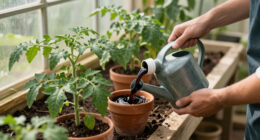
Plants inside a greenhouse drink more water, but too much humidity invites diseases like mold or mildew. Drip irrigation systems and timers keep watering consistent, while good airflow reduces excess moisture. For example, a gardener uses automated drip lines on timers, ensuring her seedlings stay moist but not soggy.
Too humid? Introduce fans or open vents to circulate air. Think of it like a sauna—without proper ventilation, sickness spreads fast.
Monitoring humidity levels and adjusting ventilation keeps plants healthy and prevents fungal issues.
Durability and maintenance: How long will your greenhouse last?
A sturdy greenhouse is an investment. Look for wind and snow-load ratings, quality materials, and easy-to-replace parts. Metal frames with reinforced joints tend to last decades; plastic covers might need replacements every 3-5 years. Regular cleaning, inspection for rust or cracks, and prompt repairs extend lifespan.
Imagine a gardener replacing a torn plastic cover after a harsh winter. Proper maintenance keeps the structure functioning and plants thriving for years.
Always check warranty terms and parts availability before buying.
Market trends: What’s new in greenhouse kits?
Innovation is booming. Modern kits feature stronger, multiwall polycarbonate panels with UV coatings, diffused glazing for even light, and automated vents that open without electricity—using heat-sensitive mechanisms. Smart controllers connect to apps for real-time climate monitoring and irrigation control.
Modular designs allow you to add sections as your garden grows. Some kits incorporate solar-powered fans or rainwater collection systems. In recent years, energy-efficient insulation and passive solar designs have gained popularity, especially for eco-conscious growers.
For example, a small urban gardener installs a kit with automated vents and app controls, making plant care almost effortless.
Why a greenhouse kit could be your game-changer
A greenhouse kit offers a shortcut to year-round gardening. It’s a ready-made shelter, reducing setup time and ensuring a controlled environment. With careful choice—size, materials, location—you can grow earlier, extend harvests, and protect delicate plants from weather swings.
Think of it as giving your garden a climate suit—keeping it comfortable no matter what the weather does outside. The right setup can turn a modest backyard into a vegetable paradise or a tropical jungle for orchids.
Investing in a good kit is investing in more predictable, abundant harvests—and fewer garden surprises.
Conclusion
Investing in the right garden greenhouse kit transforms your gardening game. It’s about creating a space where plants flourish regardless of outside weather. Focus on your site, your plants, and your climate—then pick a kit that matches those needs.
With good setup and regular care, your greenhouse becomes a year-round oasis, bursting with fresh vegetables, herbs, or exotic orchids. Think of it as planting a seed of control—watering, nurturing, and harvesting success, no matter the season.
Fall Picks
fall essentials
As an affiliate, we earn on qualifying purchases.