
TL;DR
A peach tree can be grown from a viable pit, but the seed generally needs a period of cold, moist conditions before it germinates. Plan for roughly three to four months of refrigeration, then plant carefully; the seedling’s fruit, size and time to bearing are not predictable.
Gardeners can start a peach tree from a viable pit by giving its seed about three to four months of cold, moist conditions, then planting it in a draining container or suitable outdoor site. The method can produce a seedling, but its future fruit quality, tree size and timing of harvest are uncertain because a seed-grown tree does not reliably reproduce the peach variety it came from.

Get garden gear delivered free with Prime
- Fast, free delivery on millions of items
- Prime Video, Amazon Music and more included
- Member-only deals all year
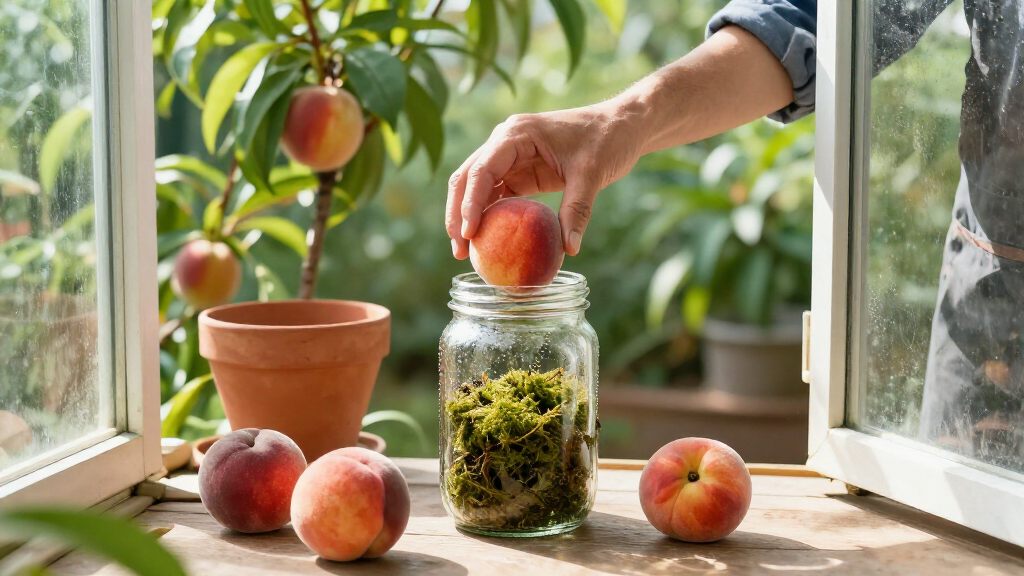
The hard shell inside a peach is the pit; the seed, or kernel, is inside it. Begin with a fully ripe peach, remove and wash away the flesh, and let the pit dry briefly so it is easier to handle. Cracking the pit to remove the kernel is optional: doing so may make the seed easier to work with, but careless cracking can damage it. The seed should not be eaten.
For refrigerator stratification, place a cleaned intact pit or kernel in a labeled bag with barely moist sand, vermiculite or another clean medium. The material should be damp but not dripping; small holes can allow ventilation. Keep the bag refrigerated at roughly 35–40°F, away from the freezer, and check it regularly for drying, mold or a root beginning to emerge. Plant promptly if a healthy root appears.
Published guidance gives planning ranges rather than a fixed deadline. Iowa State lists 98–105 days for peaches, while University of Georgia guidance gives 90–130 days for several peach rootstocks. Once a seed has a root, handle it gently and plant with the root pointing down in a deep container with drainage. Guidance commonly places peach seeds about 1½–2 inches below the surface. Keep the potting mix moist, not waterlogged, and provide strong light after a shoot appears.
Grow a Peach Tree From a Pit
A viable peach seed may sprout after cold, moist stratification. The resulting tree’s fruit, size and time to bearing are uncertain.
Prepare the seed
The pit is the hard shell; the seed, or kernel, is inside.
Remove and wash away the peach flesh, then let the pit dry briefly.
Cracking to remove the kernel is optional and can damage the seed if done carelessly. Do not eat the seed.
Place the pit or kernel in a labeled bag with barely moist sand, vermiculite or another clean medium. Refrigerate and check for drying, mold or root growth.
Plant when a root appears
Handle the root gently and plant promptly in a draining container.
A seedling is an experiment
Growing from a pit can be a low-cost way to learn how seeds develop, but it does not reliably reproduce the parent peach.
- Fruit quality and inherited traits can differ.
- Tree size and time to bearing are uncertain.
- Germination and fruiting are not guaranteed.
- Offers more predictable variety and rootstock traits.
- Performance still depends on the site and care.
What Seed-Grown Peaches Can Offer
Starting a tree from a pit is a relatively accessible way to learn how seeds break dormancy and develop, and it can be a low-cost gardening experiment. The trade-off is that a seedling is not a dependable way to get the same fruit as the peach that supplied the pit. Its inherited traits can differ, and the tree’s eventual size and bearing time are also uncertain.
For someone choosing a tree primarily for a known variety or selected rootstock, a grafted nursery tree offers more predictable traits than a seedling, though its performance still depends on site and care. That distinction helps gardeners decide whether they want an experiment or a more planned route to fruit. A seedling may begin bearing in roughly three to five years under favorable conditions, but it may take longer and fruiting is not guaranteed.
Products Worth Considering
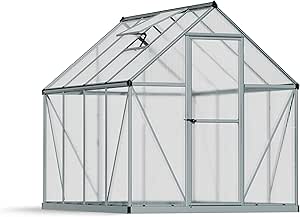
Palram Canopia Mythos 6' x 8' Polycarbonate Greenhouse, Silver

EGO Power+ 12-Inch Cordless Electric Snow Shovel with 56V 2.5Ah Battery and Charger

Orbit B-hyve XR 16-Zone Indoor/Outdoor Smart Sprinkler Controller
As an affiliate, we earn on qualifying purchases.
From Winter Chilling to Planting
Cold stratification imitates the winter conditions that many peach seeds need before growth begins. The refrigerator approach gives gardeners a way to provide that cold period when they are not sowing pits outdoors through a suitable winter. The cited chilling ranges differ, so the stated duration is a guide rather than a promise that every seed will sprout on schedule.
Refrigerator treatment addresses seed dormancy; it does not establish whether the mature tree will suit a particular climate. Peach trees themselves have winter-chill needs that vary with genetics. Once a seedling is ready to move outside, wait until freezing weather has passed and harden it off gradually over about a week, increasing its exposure to outdoor sun and wind. Choose full sun and well-drained soil, and allow room for a potentially large tree.
What a Pit Cannot Predict
A successfully chilled seed may still fail to germinate; viability and handling matter, and no specific pit is guaranteed to produce a seedling. Even a healthy seedling may not yield fruit like the parent peach. Fruit quality, tree size and time to bearing depend on genetics and growing conditions, among other factors.
It is also unclear from the guidance whether an individual seedling will meet the winter-chill requirements of a particular location. The three-to-five-year bearing estimate applies under favorable conditions and should not be treated as a promise. The precise outcome for any tree remains unknown until it grows and, if it reaches maturity, produces fruit.
Planting and Watching Growth
After planting, keep the growing medium evenly moist without leaving the pot in standing water. Give new shoots strong light. Before setting an indoor-grown plant outdoors, increase its exposure to sun and wind gradually over about a week, then transplant after freezing weather has passed. Preserve the root system during the move, keep the original soil line near ground level, and water thoroughly.
As the seedling develops, monitor moisture below the soil surface and inspect leaves and stems for problems. The next milestones are root and shoot growth, successful establishment outdoors, and eventual maturity. Each depends on the seed and its growing conditions; neither germination nor a future crop can be guaranteed.
Key Questions
Can you grow a peach tree from a peach pit?
Yes. A pit contains a seed that may grow into a tree if it is viable and receives suitable conditions, including cold, moist stratification for many peach seeds.
How long should a peach seed be cold-stratified?
Plan for roughly three to four months. The guidance cited gives ranges of 98–105 days and 90–130 days for several peach rootstocks; individual seeds may vary.
Do I need to crack the pit?
No. You can chill an intact pit or remove the kernel first. Cracking is optional and can damage the seed if done carelessly.
Will a seed-grown tree produce the same peaches?
Not necessarily. Fruit from a seedling may differ from the peach that supplied the pit, and its quality cannot be promised.
How soon might a peach tree grown from seed bear fruit?
Some may begin bearing in about three to five years under favorable conditions, but a seed-grown tree can take longer, and fruiting is not guaranteed.
Source: groworganic.com