TL;DR
Horticulturist Justin Hancock says many houseplants receive less light than their owners assume, and low-light effects can take time to show. Slow growth, leggy stems and a lack of flowers may be clues; window direction, obstructions and seasonal changes affect the light a plant receives.
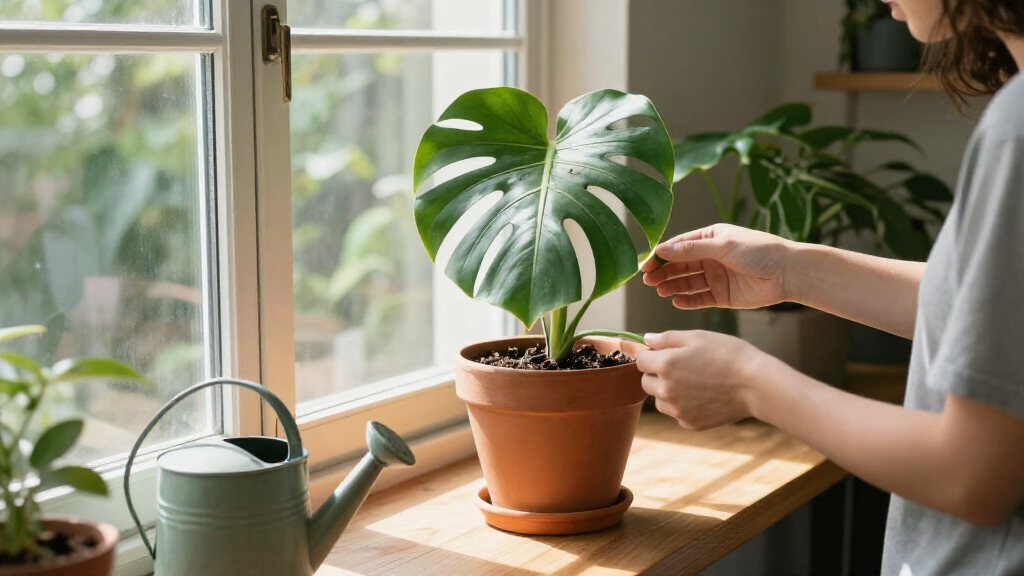
A Country Living report on houseplant care says slow growth, stretched stems and a failure to bloom can indicate that a plant is receiving too little light—a problem that may develop gradually rather than causing sudden wilting. Horticulturist Justin Hancock recommends checking conditions where a plant sits, since window direction, distance, obstructions and the season all affect the light reaching it.

Get garden gear delivered free with Prime
- Fast, free delivery on millions of items
- Prime Video, Amazon Music and more included
- Member-only deals all year
Hancock, Costa Farms’ director of research and development and horticultural content, says light supports every aspect of plant growth and that many indoor plants probably receive less than they would prefer. Low light may be difficult to identify because its effects do not appear overnight. A plant can look stable while growing slowly, making changes easy to miss unless its development is observed over time.
Among the signs described in the report are a plant that grows so slowly it rarely needs repotting, a flowering plant that does not bloom, and long spaces between leaves. Those elongated gaps, called internodes, can mean a plant is stretching toward light. These are clues rather than a definitive diagnosis: the report does not say that any one symptom proves insufficient light, and plant condition can be affected by other factors.
Light varies within a room and over the day. In the Northern Hemisphere, north-facing windows generally provide the least light; east-facing windows tend to receive morning sun, west-facing ones afternoon sun, and south-facing windows more light through the day. Window size, curtains or screens, nearby buildings and trees, roof overhangs, and location also change the amount and intensity of light that gets indoors.
Spotting Light Stress Before Growth Stalls
Checking light can help plant owners decide whether a location is suitable before treating slow or stretched growth as a watering problem. The report’s main practical point is that a plant may not show an immediate, dramatic decline when light is inadequate. Comparing its growth over time and checking the actual spot where it sits can give owners more useful information than relying on a general impression that a room seems bright.
Seasonal changes matter, too. In fall and winter, shorter days and less intense sunlight can reduce the light available to indoor plants, while cloudy weather adds to the change. A spot that supported growth in summer may not provide the same conditions year-round. Recognizing that difference can help owners adjust a plant’s position or consider supplemental lighting, rather than assuming its needs have remained constant.
Better light assessment also helps make care decisions more specific. A plant label’s “low light” description, Hancock says, refers to a minimum level the plant can tolerate—not necessarily the conditions in which it will thrive. Readers should treat such labels as guidance about tolerance, not a promise that a dim corner is ideal.
Products Worth Considering

EGO Power+ SNT2122 21-Inch Single-Stage Snow Blower with Two 4.0Ah Batteries and 320W Charger

Greenworks 48V Cordless 3-in-1 Leaf Blower, Vacuum and Mulcher with Two 6.0Ah Batteries

Greenworks 80V Cordless Leaf Blower with 2.5 Ah Battery and Charger
As an affiliate, we earn on qualifying purchases.
Window Direction and Seasonal Light
The report distinguishes direct light, where sunlight reaches a plant without filtering, from indirect light, which is softened by a curtain or by distance from the window. A plant moved into stronger sun may need time to adjust. Hancock advises increasing its exposure gradually—starting with about an hour a day, then adding time—because an abrupt change can cause sunscald.
One simple check is the shadow test: place an object where the plant would go and look at its shadow at different times. No visible shadow suggests low light, a faint shadow suggests medium light, and a sharply defined, high-contrast shadow suggests bright light, according to Hancock. A light meter or an app can provide a reading in foot-candles, but a single reading records only that moment. It may not represent the full day, so the report advises comparing readings with a plant-specific light chart.
The article’s advice is based on the report’s account of Hancock’s horticultural guidance. It does not provide controlled test results or a single light target that applies to every houseplant; requirements differ by plant.
““Light fuels every aspect of plant growth, so it’s the most important thing to get right.””
— Justin Hancock, Costa Farms director of research and development and horticultural content
What a Light Check Cannot Show
The report does not set out universal light thresholds for houseplants or identify a specific plant with a confirmed light problem. Its signs—slow growth, long internodes and no blooms—are indicators to investigate, not proof on their own. A shadow test is also a rough visual guide, and a meter or app measures conditions at one point in time rather than capturing how light changes over the day.
Actual light levels depend on the room and the plant’s position, as well as the season and local conditions. The source does not say how quickly a plant should improve after a move or how much supplemental light is appropriate for each species. Those details remain plant-specific and are not established by the report.
Check the Plant’s Spot Over Time
Owners can begin by observing growth and testing the light at the plant’s current location at different times of day. If the spot appears dim, the report suggests moving the plant to an area with more natural light while accounting for direct sun and adjusting exposure gradually. A light meter reading can be compared with guidance for the plant’s species, but should not be treated as a full-day measurement.
For rooms with little natural light, Hancock points to LED grow lights as another option, noting that current designs are available without the intense pink or blue-white appearance associated with some older products. The report gives no particular product recommendation or schedule. Plant owners will need to follow the guidance for their plant and monitor how it responds to any change in light.
Key Questions
What are common signs that a houseplant may need more light?
Slow growth, long spaces between leaves and a flowering plant that does not bloom can be signs of insufficient light, according to horticulturist Justin Hancock. They are clues, not a definitive diagnosis.
Does “low light” on a plant tag mean the plant prefers a dark room?
No. Hancock says “low light” generally describes the minimum light a plant can tolerate, not necessarily the conditions in which it will grow best.
How can I check light in a room without a meter?
Try the shadow test: place an object where the plant would sit and observe its shadow at different times. No shadow suggests low light; a faint shadow suggests medium light; a sharp, dark-edged shadow suggests bright light.
Can I move a plant straight into direct sun?
Hancock advises increasing sun exposure gradually, starting with about an hour a day and adding time. A sudden move into intense direct sunlight can cause sunscald.
Will a light meter tell me how much light a plant gets all day?
No. A meter or app records light at one point in time. Readings at different times, along with plant-specific guidance, give a fuller picture of changing conditions.
Source: countryliving.com