
TL;DR

Get garden gear delivered free with Prime
- Fast, free delivery on millions of items
- Prime Video, Amazon Music and more included
- Member-only deals all year
A Gardening Know How report identifies seven plants that may benefit from pruning before winter: peonies, hostas, bearded irises, daylilies, summer-fruiting raspberries, grapevines and cold-hardy lavender. November is a common window, not a universal deadline; local weather and plant condition determine timing, and green foliage should generally remain until it dies back.
Gardening Know How’s November pruning guide names seven plants to consider trimming before winter: peonies, hostas, bearded irises, daylilies, summer-fruiting raspberries, grapevines and cold-hardy lavender. The report says November is a typical time for several of these jobs, but not a fixed deadline: local climate, current weather and plant condition should guide when to prune.
For the four herbaceous perennials on the list, the report advises waiting until foliage has begun to die back rather than cutting healthy leaves while they are green. Remove peony foliage once it has yellowed or browned, or sooner if it appears diseased. Hostas should be cut back after their leaves die, while bearded iris fans can be shortened to four to six inches in fall. Daylily leaves can be cut to a few inches above the ground once they are ready; in warmer regions, that may be as late as December.
Raspberry and grape pruning require different decisions. Summer-fruiting raspberries produce on canes that are two years old, so the report recommends cutting down the older canes that fruited this year while preserving the newer green canes for next year’s crop. Those younger canes can be tied to supports to limit wind damage. Grapevines should be pruned while dormant, but before hard freezes make the wood brittle. Remove dead, damaged or poorly placed growth while keeping healthy young vines and the main trunk and arms.
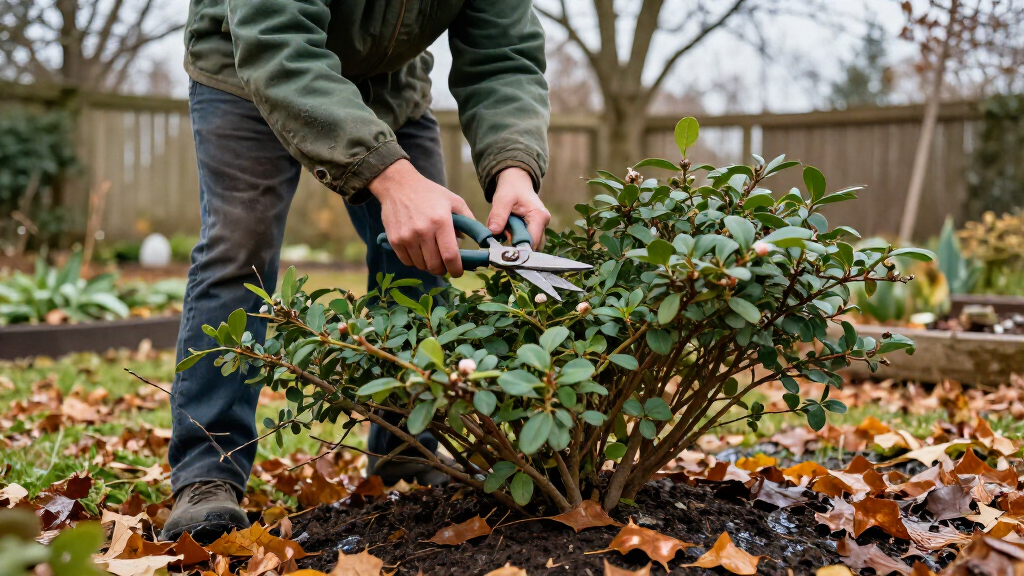
For cold-hardy lavender, including English lavender, the guide suggests trimming by about a third before severe freezing weather. It warns against cutting into perennial crowns and recommends leaving a couple of inches of stem above them. The report also advises using sharp, clean tools, disinfecting blades between plants, and putting diseased plant material in the garbage rather than compost.
Protecting Spring Growth and Fruit
Late-fall pruning can affect both plant health and next season’s growth. Removing peony leaves that have died or become diseased may reduce the chance of fungal spores overwintering in the foliage, according to the report. Clearing dead perennial leaves can also make spring bed cleanup easier and may limit places where pests and diseases persist.
The stakes are different for fruiting plants: cutting the wrong raspberry canes can remove wood that would bear next year’s berries. Likewise, pruning grapevines too early or too late can create problems, while leaving excess material on cold-hardy lavender may contribute to snow and ice collecting around the plant. The guide’s central point is that a calendar date alone cannot determine the right cut.
Products Worth Considering

Greenworks 40V 12-Inch Cordless Chainsaw with 2.0Ah Battery and Charger

Traeger Woodridge Pro Wood Pellet Grill and Smoker, 970 sq. in., WiFIRE

Greenworks 80V Cordless Electric Leaf Blower, 700 CFM, with 2.5 Ah Battery and Charger
As an affiliate, we earn on qualifying purchases.
Why November Timing Varies
November brings shorter days and cooling temperatures in many areas, but plants do not enter dormancy on the same schedule everywhere. The source says deciduous shrubs should be pruned after they are dormant, since pruning beforehand may prompt vulnerable new growth. Local weather this year, as well as the gardener’s climate, affects when that point arrives.
The seven plants in the guide are not all pruned for the same reason or in the same way. Some are cut back after seasonal foliage dies; raspberry canes are selected by age and whether they fruited; grapevines are pruned during dormancy; and lavender is shaped ahead of freezing conditions. The article also notes that some plants are better left until the next season, although the supplied material does not identify those plants.
“Exact timing for these tasks depends on your location, weather, and the plant.”
— Gardening Know How
Local Conditions Set the Cutoff
The guide does not establish a single date that works across regions, and it does not provide location-specific forecasts or pruning calendars. It says warmer-climate gardeners may need to wait longer for peonies, daylilies and other plants to die back. For grapevines and lavender, the timing also depends on when dormancy or hard freezing conditions arrive.
The supplied report excerpt ends as it begins a section on plants not to prune in November, without naming them. Its seven examples should not be read as a complete list of suitable fall pruning jobs. Gardeners should also check whether a plant is diseased before deciding how to dispose of cuttings and avoid damaging crowns when cutting back perennials.
Check Plants Before Making Cuts
Before pruning, gardeners should check foliage and stems, assess local temperatures and confirm which raspberry canes fruited this year. Wait for healthy perennial leaves to die back, and schedule grapevine work for dormancy before severe freezes make the canes brittle. Use sharp, clean tools and disinfect blades between plants; wear suitable protective equipment, such as gloves and eye protection, while working with pruning tools.
Because the source does not provide a region-by-region schedule or name the plants to leave untouched in November, the next step is to consult local horticultural guidance for the plants and conditions in a particular garden. The practical deadline is set by plant readiness and the approaching weather, not the month alone.
Key Questions
Which seven plants does the November pruning guide list?
It lists peonies, hostas, bearded irises, daylilies, summer-fruiting raspberries, grapevines and cold-hardy lavender. The report says the right timing varies by plant and location.
Should I cut back hostas and irises while their leaves are green?
No. The guide recommends keeping healthy green foliage in place so plants can collect energy. Cut hostas back after their leaves die, and shorten bearded iris fans in fall to four to six inches.
Which raspberry canes should be removed?
For summer-fruiting raspberries, remove the older, woodier canes that fruited this year. Preserve the newer green canes because they are needed for next year’s berries; tie them to a support if needed.
Is November the right time to prune in every region?
No. The source says timing depends on local climate, weather and plant condition. In warmer areas, some plants may not be ready until later, while other tasks need to be completed before hard freezes.
How should I handle diseased pruning material?
Gardening Know How advises putting diseased plant material in the garbage rather than the compost pile. It also recommends cleaning and disinfecting tools between plants to reduce the risk of spreading disease.
Source: gardeningknowhow.com