TL;DR

Get garden gear delivered free with Prime
- Fast, free delivery on millions of items
- Prime Video, Amazon Music and more included
- Member-only deals all year
A Homes and Gardens report recommends three November tasks to help hostas weather winter: remove dead leaves and nearby debris, apply a thin layer of mulch without covering the crown, and shelter potted plants. It also advises against fertilizing until new growth appears in spring.
A Homes and Gardens report advises hosta growers to use November for three winter-preparation tasks: clear away dead foliage and surrounding debris, apply a thin layer of mulch, and protect plants growing in pots. The guidance is intended to reduce winter exposure and leave plants better placed to regrow in spring, when hostas typically emerge from dormancy.
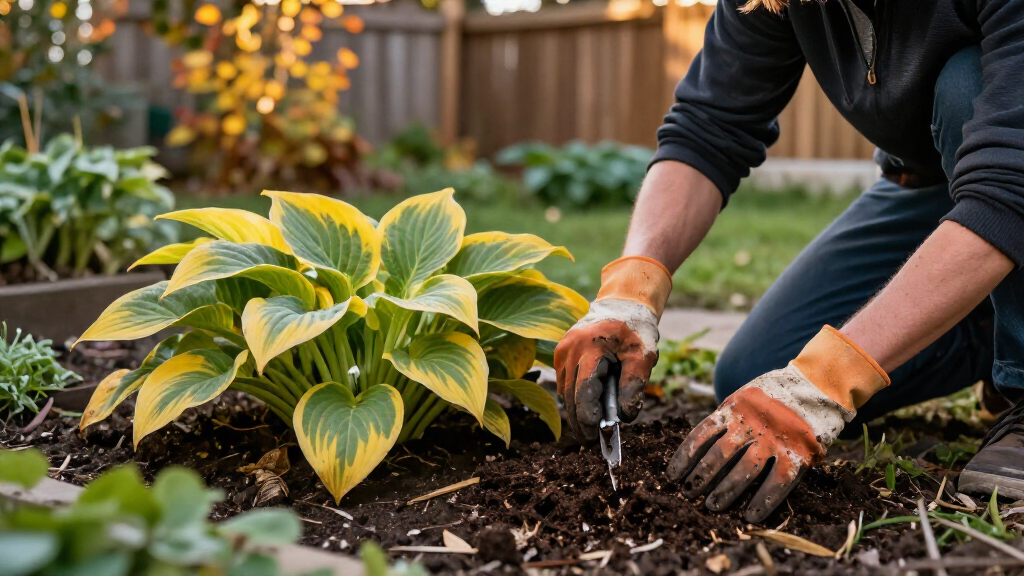
The report recommends removing dead or yellow leaves from garden beds and containers, along with nearby leaf litter. It says old foliage and debris can provide shelter for slugs and snails and may harbor disease organisms. Clearing the material can remove some places where pests shelter or lay eggs, though it cannot eliminate slugs and snails from a garden. Leaves that do not pull away easily can be cut at ground level with sharp pruners; gardening gloves are recommended because old foliage may be slimy after frost.
After removing old growth, gardeners can spread a thin layer of compost, wood chips or bark mulch over the soil. The report says mulch can help moderate soil temperature, retain moisture and reduce the risk of frost heave, in which repeated freezing and thawing lifts plants from the ground. It cautions against piling mulch over the hosta’s crown, where trapped moisture could contribute to rot. Recently planted or divided hostas may be more vulnerable because their root systems are less established.
Container-grown hostas need extra shelter because their roots have less insulation than plants in the ground. The report suggests grouping pots in a sheltered spot, such as against a wall or under eaves, or using an unheated greenhouse, cold frame or porch. Pots can also be wrapped, and raising them on pot feet can help drainage. Hostas should remain dormant and sheltered, rather than being brought into a heated home. The report also advises waiting until new growth begins in spring before applying fertilizer.
Winter Protection for Hosta Roots
These steps address different risks during the dormant season. Clearing leaf litter removes some potential hiding places for slugs and snails and gets decaying material away from the plant. Mulch can help limit soil temperature swings and moisture loss, while avoiding the crown reduces the chance of keeping that area too wet. For container plants, shelter and drainage matter because a pot exposes roots more directly to cold and can hold excess water.
The advice is practical for gardeners looking to protect existing plants and newly divided clumps, but it does not guarantee larger growth next year. Hostas’ spring performance depends on conditions beyond these November tasks, including the plant’s health, weather and growing environment. The report describes preparation intended to help plants return in good condition, not a guaranteed increase in size.
Products Worth Considering

Orbit B-hyve XR 16-Zone Indoor/Outdoor Smart Sprinkler Timer

14 Pcs Polycarbonate Greenhouse Panels, 6' x 2' x 0.24'' Twin-Wall Panels, Polycarbonate Sheet for All Weather Outdoor Garden and Greenhouse
Orbit B-hyve XR 8-Zone Indoor/Outdoor Smart Sprinkler Controller
As an affiliate, we earn on qualifying purchases.
Why November Care Differs
Hostas are cold-hardy perennials that die back in autumn and regrow in spring. The report says many hostas can withstand conditions down to U.S. hardiness zone 3, while emphasizing that the greatest need for extra protection is among newly planted plants and those growing in containers. Fall-divided plants are also identified as more susceptible to frost heave.
Because the plants are entering dormancy, the report distinguishes winter preparation from active-season feeding. It recommends removing spent foliage and adding mulch now, but postponing fertilizer until new growth emerges. That timing is presented as a way to supply nutrients as the plant begins developing foliage again, rather than during the dormant period.
“The key hosta care tasks to remember for this month are removing old leaves and debris, mulching, and protecting potted plants.”
— Homes and Gardens report
Limits of the Winter Advice
The report does not provide controlled test results showing how much these tasks affect hosta survival, size or foliage in the following year. Its recommendations are gardening guidance, not a guarantee that plants will return bigger or stronger. The degree of protection needed can also vary with local winter conditions, container size, drainage and whether plants were recently planted or divided.
Clearing debris may reduce shelter for some pests, but the report does not claim it will remove all slugs or snails. It also does not specify a mulch depth beyond recommending a thin layer, so gardeners should avoid burying the crown and follow guidance suited to their plants and local conditions.
Spring Growth and Feeding
Hostas are expected to remain dormant through winter and begin producing new growth in spring. Gardeners can then reassess the plants, watch for emerging leaves and apply fertilizer once growth starts, as the report recommends. Until then, the immediate tasks are to clear fallen material, keep mulch away from the crown and check that sheltered pots can drain.
Key Questions
What should I do to hostas in November?
Remove dead leaves and nearby debris, add a thin layer of mulch without covering the crown, and give container-grown plants a sheltered, well-drained place to spend winter.
Should I fertilize hostas in November?
No. The Homes and Gardens report advises waiting until new growth appears in spring before feeding hostas.
Should potted hostas be brought indoors?
The report says hostas should not be moved into a heated home. It recommends an unheated greenhouse, cold frame or porch, or a sheltered outdoor location where pots remain protected but the plants can stay dormant.
Can mulch cause hostas to rot?
Mulch can help protect soil, but piling it over the crown may trap moisture and encourage rot. Keep the crown clear and avoid leaving pots in waterlogged conditions.
Will these steps make hostas grow bigger next year?
The report presents the tasks as ways to reduce winter and spring risks and support healthy regrowth. It does not guarantee larger plants; growth also depends on local conditions and the plant’s overall health.
Source: homesandgardens.com