
TL;DR
A gardening guide dated Nov. 20, 2026, says to start African marigold seeds indoors about eight weeks before outdoor planting, or sow directly once frost danger has passed and soil is about 65°F. Sun, well-drained soil and careful watering support growth, but timing and results depend on local conditions and variety.
A gardening guide published Nov. 20, 2026, says gardeners can start African marigold seeds indoors about eight weeks before outdoor planting, then transplant after frost danger passes. For direct sowing, it recommends waiting until the soil reaches about 65°F, a timing distinction that can help protect seedlings from cold and support successful growth.

Get garden gear delivered free with Prime
- Fast, free delivery on millions of items
- Prime Video, Amazon Music and more included
- Member-only deals all year
The guide identifies African marigolds as Tagetes erecta, annual flowering plants native to Mexico and Central America despite their common name. Their height varies by cultivar: compact selections suit smaller spaces, while taller plants can reach 3 to 4 feet and are often used in borders or for cut flowers. French marigolds, by comparison, are generally shorter, often around 6 to 12 inches.
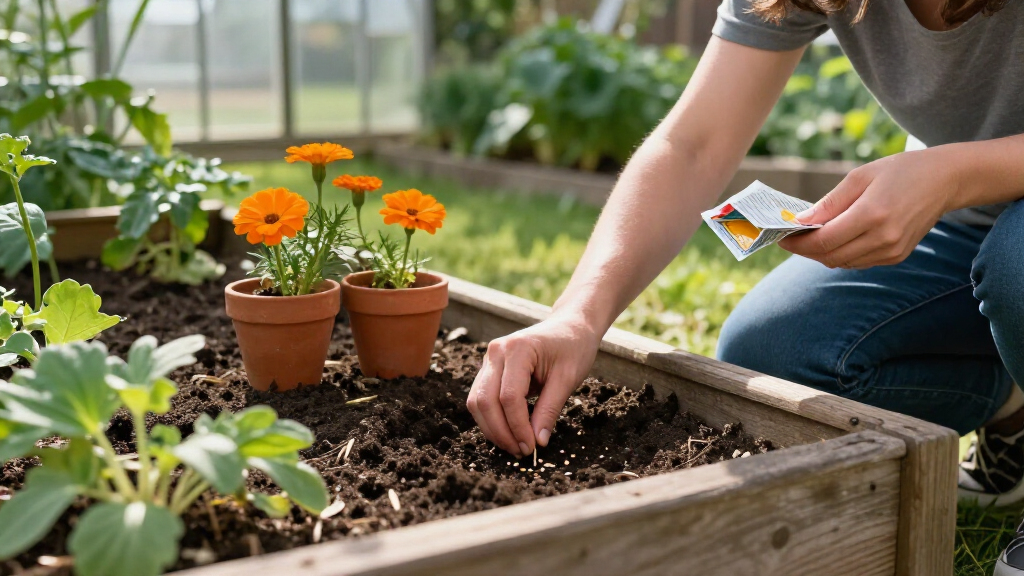
For indoor sowing, the guide recommends clean containers filled with moist seed-starting mix. Sow seeds about ¼ inch deep, unless the seed packet gives different directions, and water gently. Keep the mix moist but not soaked. Once seedlings emerge, provide strong light, thin crowded starts and label varieties. Under warm conditions, many seeds germinate in five to eight days, though temperature and seed quality affect the timing.
Before moving seedlings outside, gradually expose them to outdoor conditions over about a week, while protecting them from wind and cold. Plant them at the depth they were growing indoors, follow packet spacing, and choose a sunny site with well-drained soil. The guide advises against heavy feeding: too much nitrogen can encourage leaves at the expense of flowers. Water near the soil, check moisture before watering again, remove faded blooms and stake tall stems if needed.
When to plant marigold seeds and grow them well
Start indoors ahead of outdoor planting or sow directly in warm soil after frost danger passes. Local weather and variety shape the results.
Timing Protects Young Marigolds
Planting by local frost conditions matters because African marigolds are warm-season annuals. Starting seeds indoors can give gardeners a head start, but moving young plants out while cold conditions remain can put them at risk. Direct sowing waits for both the end of frost danger and warmer soil, rather than relying on a single calendar date.
The guide’s advice also sets practical expectations: cultivar affects mature size, and weather, temperature and seed quality affect germination and flowering. Gardeners planning borders, containers or bouquets can use the variety’s expected height and spacing to avoid overcrowding. These steps offer guidance, not a guarantee of identical results in every garden.
Marigolds are sometimes promoted as pest deterrents in vegetable gardens, but the guide cautions that they do not repel every pest. Gardeners should leave adequate space for both crops and identify a pest problem before choosing any treatment.
Products Worth Considering

Rachio 3 Smart Sprinkler Controller, 16-Zone

Garvee 6x10ft Walk-in Greenhouse with Polycarbonate Panels and Aluminum Frame

Husqvarna 435i 16-Inch Battery Chainsaw with 7.5 Ah Battery and Charger
As an affiliate, we earn on qualifying purchases.
African and French Marigolds
The guide distinguishes African marigolds from French marigolds by their botanical names and typical size. African marigolds are Tagetes erecta and can grow tall, while French marigolds are Tagetes patula and are often better suited to edging and smaller containers. Actual size varies, so the seed packet or plant label is the best source for a particular cultivar’s expected height and spacing.
The guide gives two ways to start African marigolds: sow indoors ahead of outdoor planting, or sow directly in warm soil after frost danger has passed. It also notes that hardiness-zone information does not provide a local spring planting date. Gardeners should check their local last frost date and current forecast instead.
Local Dates and Results Vary
The guide gives general timing rather than a planting date for any specific location. A gardener’s last frost date, current forecast and soil temperature determine when outdoor planting is appropriate. It does not provide location-specific forecasts or establish one date that works across climates.
Other outcomes also vary. The guide says germination speed depends on warmth and seed quality, and plant height depends on cultivar. It does not give a single spacing measurement for all varieties, so packet directions should take precedence. Bloom duration and performance likewise depend on growing conditions.
Check Frost and Seed Packets
Gardeners preparing to sow should check their local last frost date and forecast, then decide whether to start seeds indoors or wait for warm soil for direct sowing. For transplants, allow about a week to acclimate seedlings outdoors and protect them from cold and wind.
After planting, follow the variety’s label for spacing, monitor soil moisture and inspect leaves for problems such as spider mites during hot, dry weather. Remove faded flowers as they appear, and check plants regularly through the growing season. The guide does not announce a further update or a fixed planting calendar; local conditions will determine the next suitable planting window.
Key Questions
When should I plant African marigold seeds?
Start seeds indoors about eight weeks before outdoor planting, or within the broader four-to-eight-week range given in the guide’s FAQ. Transplant after frost danger passes. For direct sowing, wait until frost danger has passed and soil is about 65°F. Check local conditions rather than relying on a universal date.
How deep should I sow the seeds?
Sow seeds about ¼ inch deep in moist seed-starting mix, unless the packet directions say otherwise. Keep the mix moist without soaking it, and provide strong light after seedlings emerge.
Do African marigolds come back every year?
No. African marigolds are annuals and generally complete their life cycle in one growing season. Seeds from mature flowers may fall and germinate in favorable conditions, but that does not make the original plants perennial.
Can African marigolds grow in pots?
Yes. Use a container with drainage and enough room for the roots. Compact varieties can be easier to manage in smaller pots, and container soil may need more frequent moisture checks in hot weather.
Do marigolds keep pests away from vegetables?
The guide cautions that marigolds do not repel every pest. Leave enough room for both plants and identify any pest problem before selecting a treatment.
Source: groworganic.com