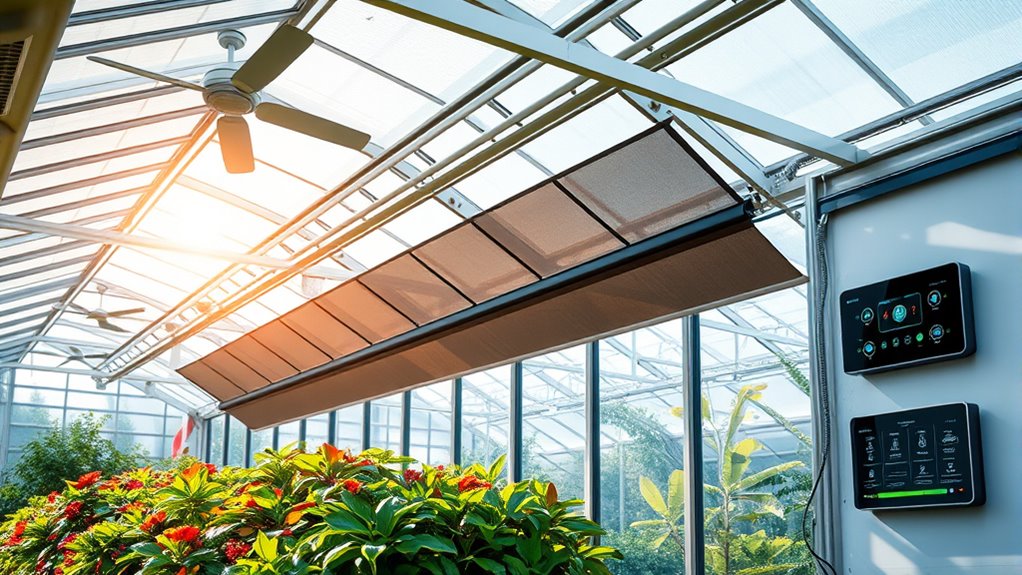

Adding fans, shades, and automation to your greenhouse helps you maintain ideal climate conditions effortlessly. Fans improve airflow, prevent hot spots, and reduce mold, while shades control sunlight and temperature. Automation systems manage ventilation, watering, and lighting remotely, saving you time and energy. These upgrades create a stable microclimate, promote healthier plants, and boost productivity. Keep exploring to discover how these enhancements can transform your greenhouse environment even further.
Key Takeaways
- Fans improve airflow, prevent hot spots, and maintain consistent temperatures for healthier plant growth.
- Shades help control light intensity, temperature, and prevent overheating inside the greenhouse.
- Automated systems adjust ventilation, shading, and watering based on real-time sensors for optimal environment control.
- Digital controls enable remote monitoring and scheduling, enhancing efficiency and reducing manual effort.
- Proper add-ons increase crop yields, reduce disease risk, and create a stable climate tailored to plant needs.

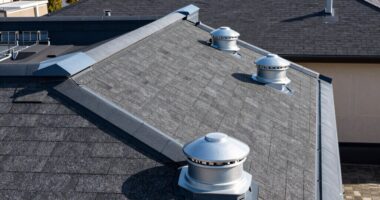
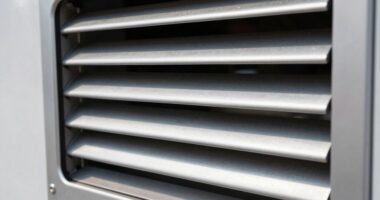
Are you looking to maximize your greenhouse’s potential? If so, adding the right accessories can make a significant difference in your plant health and overall efficiency. One of the most effective upgrades is installing proper ventilation systems. Ventilation is essential for maintaining ideal temperature and humidity levels, preventing mold, and ensuring fresh air circulation. By choosing the right fans and exhaust systems, you can keep the environment within a comfortable range, no matter how hot or humid it gets outside. Automated ventilation systems take the guesswork out of climate control, adjusting airflow based on real-time temperature and humidity sensors. This means you don’t have to constantly monitor conditions manually, freeing up your time and reducing the risk of human error. Proper airflow also helps prevent hot spots and stagnation, which can stress plants and inhibit growth.
Alongside ventilation, incorporating automated watering systems can greatly boost your greenhouse’s productivity. These systems deliver precise amounts of water directly to your plants on a scheduled basis or in response to soil moisture levels. Automated watering reduces water waste and ensures your plants receive consistent hydration, which is crucial for healthy growth. It also minimizes the labor involved in manual watering, allowing you to focus on other aspects of greenhouse management. With automation, you can set up watering zones tailored to different plant needs, avoiding overwatering or underwatering. This not only promotes healthier plants but also reduces the risk of disease caused by excess moisture or inconsistent watering schedules.
Integrating Gold IRA Rollovers into your overall financial planning can help protect your investments from market volatility, ensuring your gardening pursuits are supported by a secure financial foundation. Together, ventilation systems and automated watering create a more controllable environment, making your greenhouse more efficient and easier to manage. Automated systems can be integrated with digital controls, giving you remote access to monitor and adjust conditions from anywhere. For example, you can set your ventilation to kick in during the hottest parts of the day or schedule watering times during cooler periods, optimizing energy and water use. These add-ons also help create a stable microclimate that encourages robust plant growth, faster flowering, and higher yields.
Investing in these greenhouse add-ons might seem like a cost upfront, but the benefits quickly outweigh the expense. Better climate control reduces plant stress, lowers disease risk, and results in healthier, more productive crops. Plus, automation minimizes manual labor, saving you time and effort. Whether you’re a hobby grower or running a commercial operation, integrating ventilation systems and automated watering into your setup will enhance your greenhouse’s performance, making your gardening efforts more successful and enjoyable.
Frequently Asked Questions
What Are the Best Fan Types for Small Greenhouses?
For small greenhouses, oscillating fans or clip-on fans work best because they provide effective ventilation strategies without taking up much space. You should place fans near the ceiling or high on the sides to promote good airflow and prevent hotspots. Proper fan placement guarantees even temperature distribution, reducing humidity and mold risks. These fan types are easy to install and adjust, making them ideal for maintaining suitable growing conditions in small setups.
How Do Automatic Shades Improve Plant Growth?
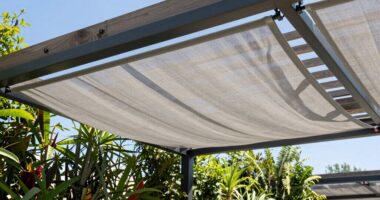
Automatic shades dramatically boost plant growth by controlling light reflection and blocking harsh rays. You’ll see your plants thrive as shade material diffuses sunlight evenly, preventing scorching and sunburn. This precise light management keeps temperatures stable, reduces stress, and promotes healthy development. With automatic shades, you can effortlessly optimize light levels, ensuring your plants get exactly what they need—no more, no less—making your greenhouse a perfect environment for robust growth.
Can Automation Systems Be Integrated With Existing Greenhouse Setups?
Yes, automation systems can be integrated with your existing greenhouse systems. You’ll want to assess your current setup and choose compatible automation solutions. Many systems offer seamless automation integration, allowing you to control fans, shades, and climate settings remotely. By upgrading gradually, you can enhance efficiency and plant health without overhauling your entire setup. Just confirm the new automation features are compatible with your existing equipment for smooth integration.
What Maintenance Is Required for Greenhouse Fans and Shades?
You’ll need to regularly clean and inspect your greenhouse fans, including ventilation filters, to guarantee ideal airflow and prevent dust buildup. Check the shade material’s durability and replace it if it shows signs of wear or tearing. Lubricate moving parts as needed and monitor the shading system’s operation to maintain proper light control. Routine maintenance keeps your fans and shades functioning efficiently, protecting your plants and extending their lifespan.
Are There Energy-Efficient Options for Greenhouse Climate Control?
Think of sustainable options for climate control as the compass guiding your greenhouse to harmony. You can choose energy-saving technologies like LED fans, automated shades, and smart thermostats to cut down power use. These innovations not only lower your energy bills but also reduce environmental impact. By embracing these options, you’re planting seeds for a greener future, making your setup more efficient and eco-friendly every step of the way.
Conclusion
With the right greenhouse add-ons, you’ll markedly boost your garden’s growth and glow. Fans, shades, and automation work together to create a comfortable, controlled climate, making your setup smarter and more sustainable. Don’t delay—dive into device details, discover delightful designs, and develop your dream domain. By blending basic basics with brilliant boosts, you’ll build a beautiful, balanced haven that thrives season after season. Grow great greens with genuine gusto—get started today!