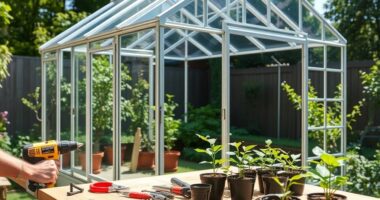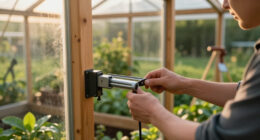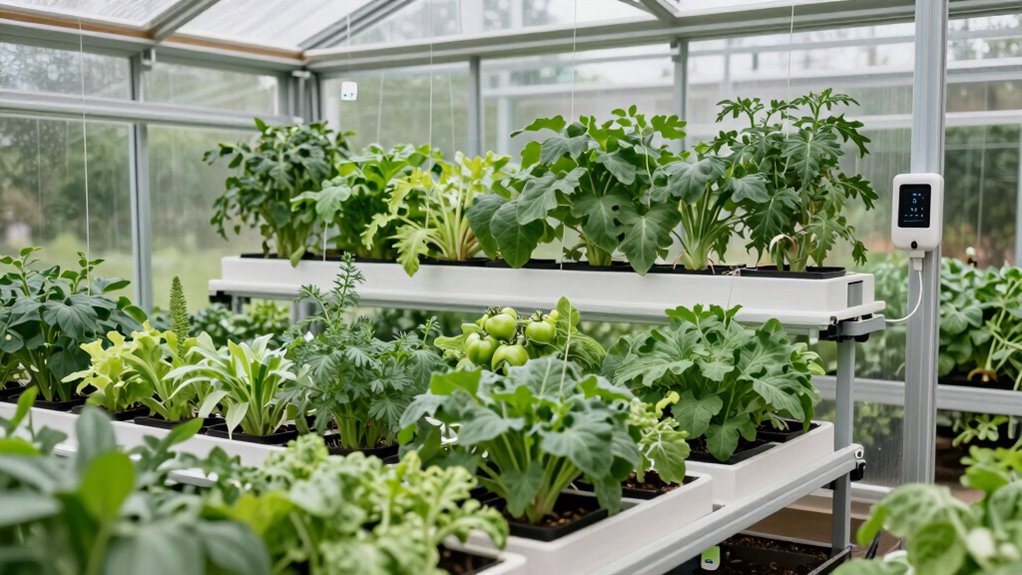
To think about automation in your home greenhouse, focus on integrating systems that work together smoothly. Use automated watering with moisture sensors to keep plants healthy without manual effort. Control temperature and humidity with smart devices that adapt to conditions. Incorporate pest detection to catch problems early and reduce chemical use. Connect everything through a central app or panel, allowing you to monitor and adjust settings remotely. Keep exploring how these systems combine for a thriving, low-maintenance environment.

Get garden gear delivered free — and shop member deals
- Fast, free delivery on millions of items
- Access to Prime Big Deal Days deals on October 6–7
- Prime Video, Amazon Music and more included
Key Takeaways
- Prioritize integrating automated systems for watering, climate control, and pest management to optimize plant health and reduce manual effort.
- Use sensors and data analytics to enable real-time monitoring and adaptive adjustments for environmental stability.
- Design automation to be scalable and customizable based on specific plant needs and greenhouse size.
- Ensure seamless connectivity through centralized control panels or apps for remote management and troubleshooting.
- Incorporate ecological principles to enhance biodiversity and resilience within the automated greenhouse ecosystem.
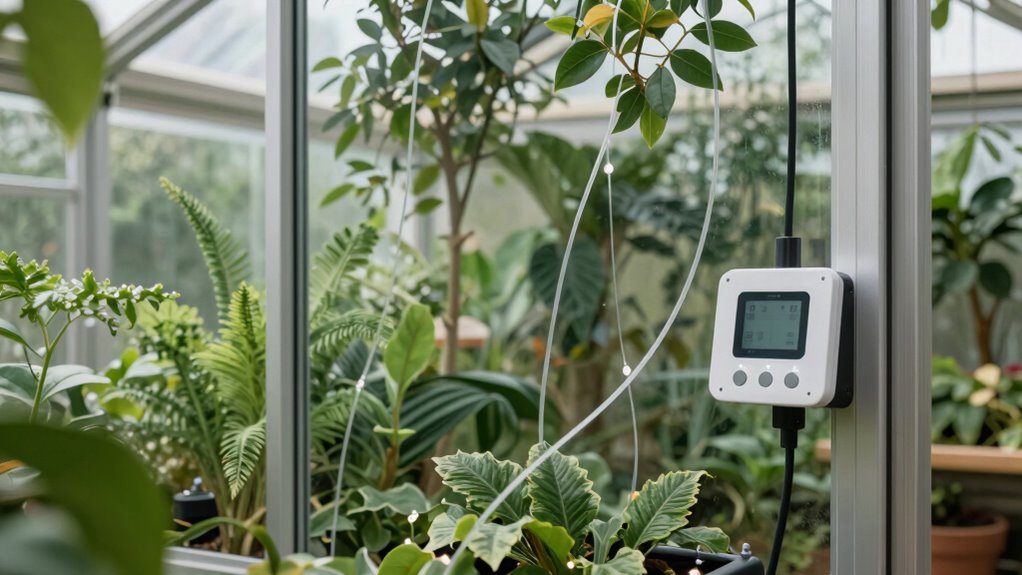
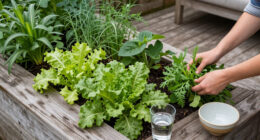
Automating your home greenhouse can considerably streamline plant care and guarantee ideal growing conditions. When you set up automation, you’re not just making life easier—you’re creating an environment where your plants can thrive with minimal effort. One essential aspect of automation is managing plant watering. Automated watering systems, such as drip irrigation or self-regulating sprinklers, allow you to deliver the right amount of water at the right times without constant manual intervention. These systems can be programmed to water early in the morning or late in the evening, minimizing water loss through evaporation and ensuring your plants stay consistently hydrated. You also avoid the risk of overwatering or underwatering, which can cause stress or disease. With sensors that monitor soil moisture levels, your system adjusts watering schedules dynamically, giving your plants exactly what they need and preventing waste. Incorporating biodiversity principles into your greenhouse setup can further enhance plant health and resilience by promoting a balanced ecosystem. Implementing automated environmental controls such as temperature and humidity regulators can optimize conditions for various plant species, reducing the need for manual adjustments. Additionally, integrating smart sensors can provide real-time data to fine-tune environmental parameters for optimal growth. Recognizing the importance of data-driven decisions, you can refine your automation system over time to better support your plants’ evolving needs. Moreover, the use of machine learning algorithms can help predict future conditions and optimize system responses for even greater efficiency.
Pest control is another critical area where automation plays a transformative role. Instead of manually inspecting plants daily, you can use electronic pest detection systems that identify signs of pests early. These systems often include cameras, traps, or pheromone-based alerts that notify you immediately if pests are detected. Automated pest control solutions, such as UV light traps or targeted sprays, can operate without your direct involvement, reducing the need for chemical interventions and keeping your greenhouse eco-friendly. By integrating pest monitoring with your watering system, you can create a thorough environment that not only supplies water but also minimizes pest-related threats. This approach helps prevent infestations from spreading and keeps your plants healthy.
Thinking about automation as a holistic process helps you see its full potential. It’s not just about installing a few devices; it’s about creating a seamless system that manages water, pests, temperature, and humidity automatically. Modern systems often connect through apps or central control panels, giving you real-time data and control from anywhere. This connectivity means you can adjust settings on the fly, receive alerts, or troubleshoot issues without interrupting your daily routine. Automation also frees up your time, allowing you to focus on other aspects of gardening or simply enjoy watching your plants grow. By approaching automation as an integrated solution, you maximize efficiency and foster ideal growth conditions, making your home greenhouse more productive, sustainable, and enjoyable.
automatic greenhouse watering system
As an affiliate, we earn on qualifying purchases.
As an affiliate, we earn on qualifying purchases.
Frequently Asked Questions
How Much Does Home Greenhouse Automation Typically Cost?
Home greenhouse automation typically costs between $500 and $3,000, depending on your setup. For budget planning, consider a cost comparison of basic systems, which are more affordable, versus advanced automation with climate control and sensors. You should evaluate your needs carefully, balancing features and expenses. Investing in automation can save you time and improve plant health, but it’s essential to choose a system that fits your budget and gardening goals.
What Are the Most Reliable Automation Brands?
You should consider brands like Rachio, Netatmo, and EVOHOME for reliable automation. They excel in smart watering and climate control, ensuring your greenhouse stays ideal. These brands have proven track records for durability and user-friendly interfaces. Investing in their systems can simplify managing watering schedules, temperature, and humidity, giving you peace of mind. Always check reviews and compatibility with your setup to choose the best fit for your needs.
Can Automation Be Customized for Specific Plant Needs?
Automation acts like a tailored suit for your plants, fitting their unique needs perfectly. You can customize watering schedules and make plant-specific adjustments, ensuring each plant gets just what it needs to thrive. With adaptable systems, you’re in control, allowing you to fine-tune conditions for different species. This personalized approach boosts growth and health, transforming your greenhouse into a thriving, harmonious sanctuary where every plant blossoms exactly as it should.
How Secure Are Home Greenhouse Automation Systems?
Home greenhouse automation systems are generally secure, but you should stay vigilant. Security vulnerabilities can arise from weak passwords, outdated software, or unsecured Wi-Fi networks. Protect your data privacy by regularly updating your system, using strong, unique passwords, and enabling two-factor authentication if available. By taking these precautions, you minimize risks and keep your automation system safe from potential threats.
What Is the Average Lifespan of Greenhouse Automation Equipment?
Your greenhouse automation equipment can last about 5 to 10 years, depending on usage and maintenance. With proper plant sensor integration and regular upkeep, it might even stretch beyond a decade. Keep in mind, high-quality components boost energy efficiency and longevity. While it’s an investment, well-maintained gear guarantees your plants thrive, making your greenhouse a powerhouse of productivity and sustainability—truly a green thumb’s dream!
Conclusion
Think of automation in your home greenhouse as the steady hand guiding your plants to thrive. It’s like having a trusted assistant that works tirelessly behind the scenes, adjusting temperature, watering, and lighting so your plants stay happy and healthy. With automation, you can enjoy a lush, productive greenhouse without the constant manual effort. Embrace it, and watch your gardening efforts blossom just like a well-tended garden — effortlessly beautiful and rewarding.
Fall yard work Picks
leaf blowers
As an affiliate, we earn on qualifying purchases.