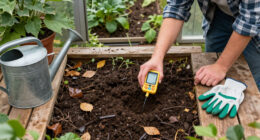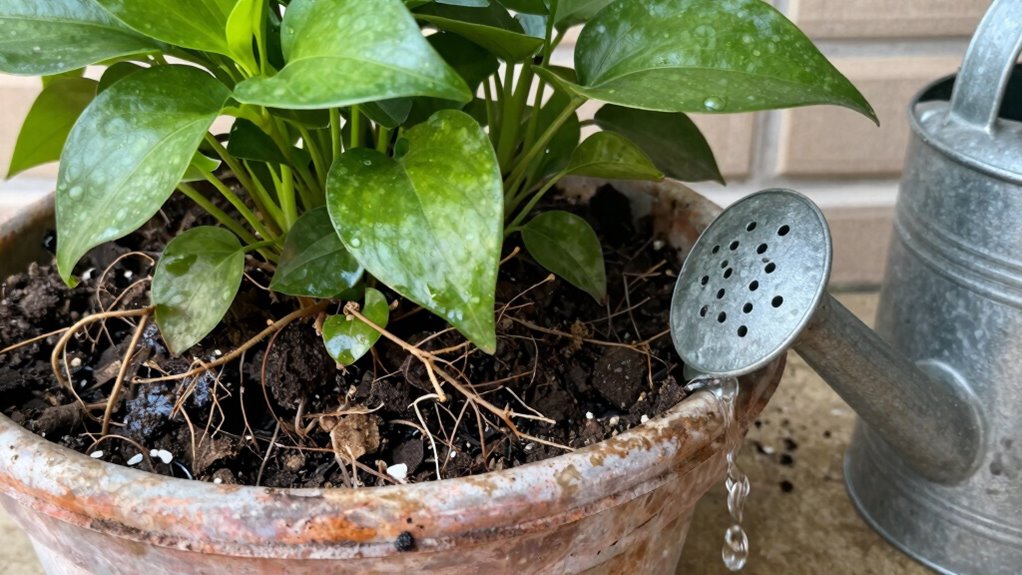

The main mistake that makes plant care harder is choosing the wrong soil or neglecting proper watering from the start. When you select unsuitable soil, it can cause drainage issues or nutrient deficiencies, while improper watering can lead to root rot or dehydration. Both errors create stress for your plants and make ongoing care more difficult. If you keep these pitfalls in mind, you’ll discover how small adjustments can greatly improve your plant’s health and success.

Get garden gear delivered free — and shop member deals
- Fast, free delivery on millions of items
- Access to Prime Big Deal Days deals on October 6–7
- Prime Video, Amazon Music and more included
Key Takeaways
- Neglecting proper soil selection leads to poor drainage or excess moisture, causing root problems and complicating plant care.
- Incorrect watering schedules, such as overwatering or underwatering, stress plants and increase maintenance difficulty.
- Using unsuitable soil for specific plant types hampers nutrient absorption and overall health.
- Failing to observe environmental factors results in improper watering adjustments, making care more challenging.
- Starting with a weak foundation—poor soil or improper watering—requires constant correction and complicates plant growth.
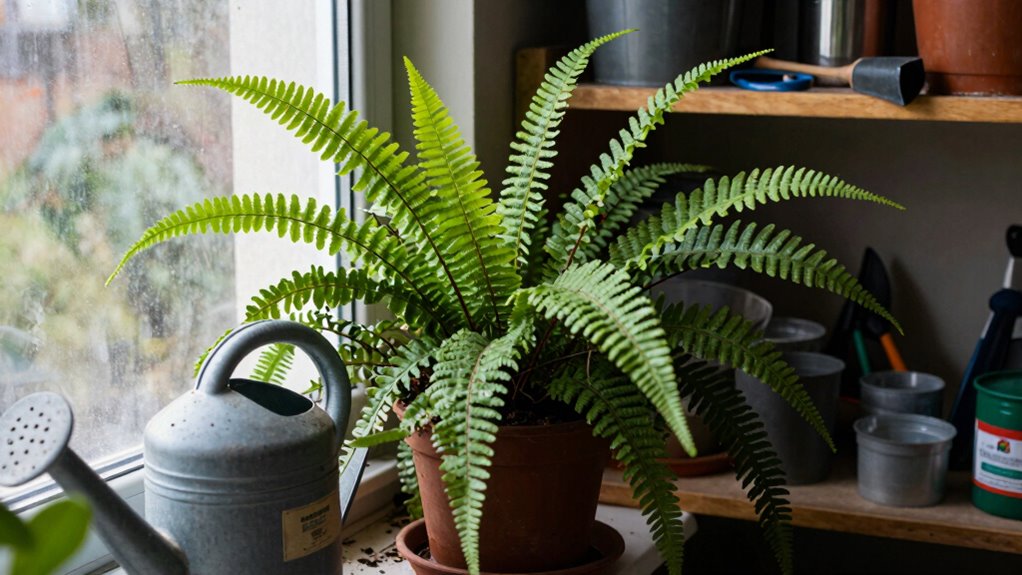
Have you ever wondered why your plants struggle despite your best efforts? One common mistake many plant owners make is neglecting the importance of a proper setup. It’s easy to focus on watering and fertilizing, but without a solid foundation, your plants won’t thrive. The two most overlooked aspects are your watering schedule and soil selection. These foundational choices can make or break your plant care routine, yet they’re often overlooked or misunderstood.
Your watering schedule is essential. Overwatering can drown roots and lead to rot, while underwatering causes dehydration and stunted growth. Instead of sticking to a vague routine, pay attention to your plant’s specific needs. Factors like plant species, size, and environment influence how often you should water. For example, succulents need infrequent, deep watering, whereas tropical plants prefer consistently moist soil. By establishing a consistent schedule based on your plant’s requirements, you prevent stress and promote healthier growth. Use your finger or a moisture meter to check soil moisture before watering — don’t rely solely on calendar dates. Adjust your schedule seasonally, too, since plants often need less water in winter and more during active growth periods. Proper soil moisture monitoring is key to maintaining healthy plants. Additionally, understanding the plant’s natural habitat can help you tailor your setup more precisely, since mimicking natural conditions often leads to better growth. Knowing how your plant’s environment in nature influences its needs can guide your care practices and improve your success rate. It’s also helpful to consider environmental factors, such as humidity and airflow, which impact plant health and watering needs.
Soil selection is equally essential. Many plant failures stem from using the wrong soil type, which affects drainage, aeration, and nutrient availability. If you choose soil that retains too much water or drains too quickly, you set your plant up for problems. For example, cacti and succulents thrive in sandy, well-draining soil, while ferns prefer rich, moisture-retentive mixes. Before planting, research your plant’s natural habitat and match the soil accordingly. Consider adding amendments like perlite or orchid bark to improve drainage or organic matter to boost nutrient content. The right soil creates a stable environment that supports healthy roots and overall plant vitality. Selecting appropriate soil from the start helps prevent common issues like root rot or nutrient deficiencies. Proper soil preparation and understanding your plant’s needs can significantly reduce the risk of transplant shock and long-term problems.
Starting with a proper setup means paying attention to these core elements from the beginning. It’s tempting to jump into watering routines or fertilizing, but if your soil isn’t suited or your watering schedule isn’t aligned with your plant’s needs, your efforts will fall short. Think of your plant’s environment as a carefully balanced system — one mistake in soil composition or watering timing can throw everything off. Taking the time to research and implement the correct setup gives your plants a strong foundation, making plant care less stressful and more successful. Remember that small adjustments can lead to big improvements, so stay observant and ready to tweak your approach as you learn what works best for your plants. Recognizing soil composition and adjusting accordingly can significantly improve your plant’s health and resilience.
As an affiliate, we earn on qualifying purchases.
Frequently Asked Questions
How Do I Identify if My Plant Is Suffering From the Setup Mistake?
You can tell if your plant is suffering from setup mistakes by observing its watering frequency and sunlight exposure. If leaves are yellowing or wilting despite regular watering, you might be watering too much or too little. Similarly, if the plant isn’t thriving, it may not be getting enough sunlight or is getting too much. Adjust these factors gradually, and watch your plant’s response to find the right balance.
Can I Fix the Setup Mistake Without Repotting My Plant?
You can often improve your plant’s health without repotting by adjusting your watering schedule and enhancing soil drainage. Let the top inch of soil dry out before watering again, and consider adding perlite or sand to improve drainage if needed. These simple tweaks help the plant recover and thrive, reducing stress for both of you. Remember, patience and consistent care are key to turning things around.
What Tools Are Best for Correcting Common Setup Errors?
To correct setup errors related to watering frequency and soil drainage, use a moisture meter to monitor soil moisture levels and adjust watering accordingly. A small trowel helps loosen compacted soil, improving drainage. If drainage is poor, add perlite or sand to the soil mix. These tools allow you to fix watering and drainage issues without repotting, ensuring your plant stays healthy and ready to thrive.
How Long Does It Take for Plants to Recover From Setup Mistakes?
Like a vintage radio, your plants need proper tuning to recover quickly. Typically, it takes a few weeks to a couple of months for them to bounce back from setup mistakes. Improving soil drainage and adjusting light requirements are key. Keep the soil moist but not soggy, and guarantee they get the right amount of sunlight. Patience is essential—plants need time to heal and thrive again.
Are Certain Plant Species More Affected by Setup Errors Than Others?
Yes, some plant species are more affected by setup errors due to their setup sensitivity. For example, tropical plants like ferns and orchids often require precise humidity, light, and watering conditions, making them more vulnerable to mistakes. On the other hand, succulents and cacti tend to be more forgiving. You should research each plant’s specific needs to avoid setup errors that could harm or slow their growth.
Conclusion
If you overlook the setup mistake, it’s like planting seeds in rocky soil—you’ll struggle to see your plants thrive. Fixing this early on clears the path for healthy growth, making plant care feel like a rewarding journey rather than a frustrating maze. Remember, a solid foundation is your best friend in gardening. When you get it right from the start, nurturing your plants becomes as natural as sunshine—bright, warm, and full of promise.
Fall Picks
fall essentials
As an affiliate, we earn on qualifying purchases.