TL;DR

Get garden gear delivered free — and shop member deals
- Fast, free delivery on millions of items
- Access to Prime Big Deal Days deals on October 6–7
- Prime Video, Amazon Music and more included
Researchers at the University of Florida’s Southeastern Coastal Center for Agricultural Health and Safety are studying whether self-management of pain and ergonomic modifications can reduce back pain among nursery and landscape workers. Early interviews confirm many workers continue working through pain, and preliminary findings show improvements in pain and work task difficulty.
Researchers at the University of Florida are studying whether pain self-management and ergonomic modifications can effectively address back pain in the horticulture industry, a condition so common among nursery and landscape workers that many treat it as an unavoidable part of the job. The study, led by faculty affiliated with the UF-based Southeastern Coastal Center for Agricultural Health and Safety (SCCAHS), has completed an initial interview phase with industry stakeholders and is reporting preliminary improvements in pain and work task difficulty, according to lead researcher Kim Dunleavy.
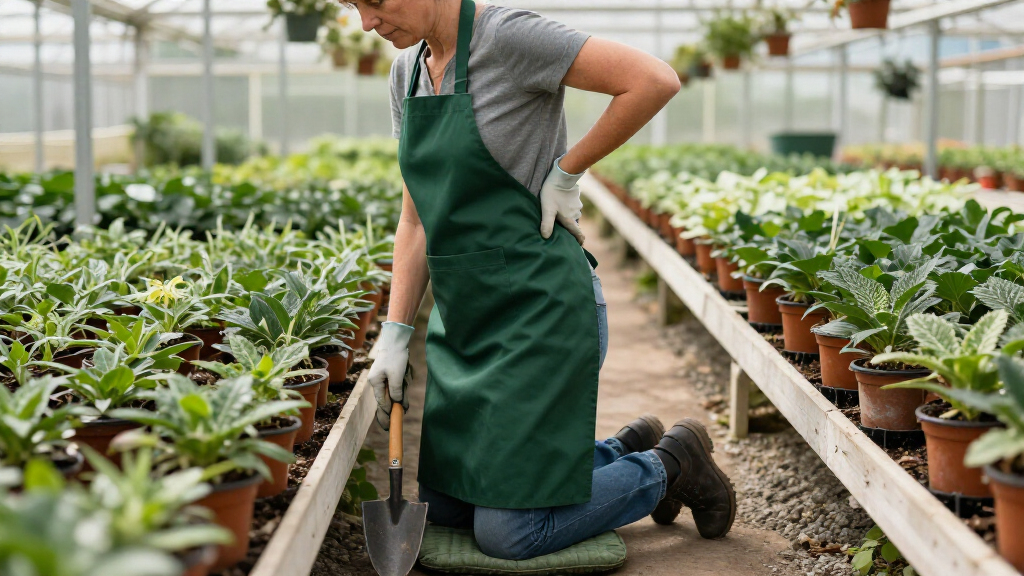
The research team includes faculty from UF’s College of Public Health and Health Professions (PHHP) and the Department of Family, Youth and Community Sciences (FYCS), according to a report published by Greenhouse Grower drawing on UF/IFAS material. In the study’s first phase, stakeholders from the nursery and landscape industry — including supervisors, workers, and insurance consultants — confirmed that many employees keep working despite significant pain rather than reporting injuries or stepping away from their duties.
Workers interviewed for the study described spending long hours lifting heavy plants, carrying materials, digging, and working in bent or awkward positions, all of which can accumulate into chronic strain over time. Interviewees also highlighted seasonal and weather-related variability in workloads, which researchers said requires practical solutions that work for both employees and employers rather than one-size-fits-all mandates.
Study participants said preventing back injuries would not require major changes in workplace practices, according to the report, but they identified a need for interventions tailored specifically to horticulture work. They called for greater workplace awareness about pain and more guidance on injury prevention — an area where formal training is often limited, Dunleavy said. Preliminary findings are described as encouraging, with reported improvements in work task difficulty and pain, though full study results have not yet been published.
Costs for Workers and Growers
Back pain in the horticulture workforce carries consequences beyond individual discomfort. Dunleavy, a clinical professor in UF’s Department of Physical Therapy, said the condition affects both workers and the businesses that employ them.
“Not only is back pain debilitating for workers who rely on their bodies for income, reduced productivity, losing experienced workers, and overall costs for injury have major consequences for companies,” Dunleavy said. She added that back pain can lead workers to rely on pain medications — including opioids, muscle relaxers, acetaminophen, and anti-inflammatories — which carry negative health side effects.
For an industry that depends on physical labor and faces challenges retaining experienced employees, the study’s emphasis on low-burden, tailored interventions could offer a practical path to reducing injury-related turnover, burnout, and long-term health costs. The researchers say the early results point to the value of educating workers about the risks of pain medication and introducing simple pain-management strategies before pain becomes a serious or long-term problem.
Why Workers Push Through Pain
The study emerges from a workplace culture, described by interviewees, in which back pain is normalized. According to the report, many nursery and landscape workers do not go home when pain strikes — they work through it, and the condition is so widespread that many view it as simply part of the job.
Interviews with workers and industry leaders found that the short-term benefits of working through pain can carry longer-term costs, including injuries, worker burnout, lost productivity, and difficulty retaining talented employees. The seasonal and weather-driven nature of horticulture work compounds the problem, since heavy workloads often coincide with peak planting and growing periods when taking time off is least feasible.
Dunleavy noted that study participants expressed appreciation for companies that made their participation possible and emphasized the importance of having options that let them keep working while reducing pain. The full write-up of the study is available in an article by Chris Vivian on the UF/IFAS website.
“Not only is back pain debilitating for workers who rely on their bodies for income, reduced productivity, losing experienced workers, and overall costs for injury have major consequences for companies.”
— Kim Dunleavy, clinical professor, UF Department of Physical Therapy and lead researcher
Questions the Study Hasn’t Answered Yet
The study is ongoing, and its findings to date are described only as preliminary. Several key points remain unconfirmed:
- The size and duration of the reported improvements in pain and work task difficulty have not been quantified in the public reporting, and peer-reviewed results have not been published.
- It is not yet clear which specific ergonomic modifications or self-management techniques produced the improvements, or how they were implemented across participating worksites.
- The number of workers and companies enrolled, and how representative the sample is of the broader nursery and landscape industry, has not been detailed.
- Whether the interventions remain effective over multiple work seasons — given the workload variability interviewees described — is unknown.
Next Phase for the Research Team
Researchers intend to build on the first-phase interviews and early intervention results by refining tailored strategies for the horticulture industry, including greater workplace awareness of pain and more formal guidance on injury prevention. The team’s stated priorities include educating workers on the risks of pain medication, promoting simple pain-management approaches, and embedding protective practices before pain becomes chronic. Readers seeking detail can consult the full article by Chris Vivian on the UF/IFAS website; further published results, the researchers suggest, will clarify how broadly these interventions can be adopted across the nursery and landscape sector.
Key Questions
What is the University of Florida back pain study investigating?
Researchers from UF’s Southeastern Coastal Center for Agricultural Health and Safety are testing whether self-management of pain and ergonomic modifications can effectively reduce back pain among nursery and landscape workers.
Why is back pain such a problem in horticulture work?
Workers in the study described long hours lifting heavy plants, carrying materials, digging, and working in bent or awkward positions. The physical demands, combined with seasonal workload peaks and limited formal training on injury prevention, make pain widespread and often untreated.
What did the first phase of the study find?
Interviews with supervisors, workers, and insurance consultants confirmed that many employees keep working through pain. Participants said preventing back injuries would not require major workplace changes, but called for industry-tailored interventions and better awareness of pain and injury prevention.
Are the results final?
No. The study is ongoing, and the reported improvements in pain and work task difficulty are preliminary according to lead researcher Kim Dunleavy. Full results have not yet been published.
How does back pain affect horticulture employers?
According to Dunleavy, back pain contributes to reduced productivity, the loss of experienced workers, and injury-related costs — consequences she described as major for companies in addition to the toll on workers themselves.
Source: rss
Fall yard work Picks
leaf blowers
As an affiliate, we earn on qualifying purchases.