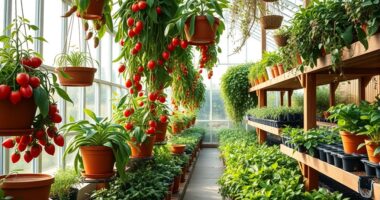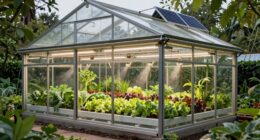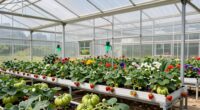
A good greenhouse climate means maintaining the right balance of humidity, temperature, and airflow to keep your plants healthy and vibrant. You want to prevent excessive moisture that can cause mold or fungal issues, while also avoiding dry air that stresses your plants. Proper ventilation and humidity control help reduce pests and disease, ensuring steady growth. By adjusting these conditions as needed, you’ll create an ideal environment. Keep exploring to discover how to perfect your greenhouse setup even further.
Listen free for 30 days with Audible
Thousands of audiobooks and originals — cancel anytime.
As an affiliate, we earn on qualifying purchases.
Key Takeaways
- Maintaining optimal humidity levels to promote healthy plant growth and prevent mold or disease.
- Ensuring proper ventilation to regulate temperature, humidity, and air quality inside the greenhouse.
- Regularly monitoring environmental conditions with hygrometers and adjusting humidifiers or vents accordingly.
- Balancing temperature and humidity to mimic ideal outdoor conditions for specific plants.
- Responding proactively to plant signals by adjusting airflow, moisture, and temperature controls for consistent growth.
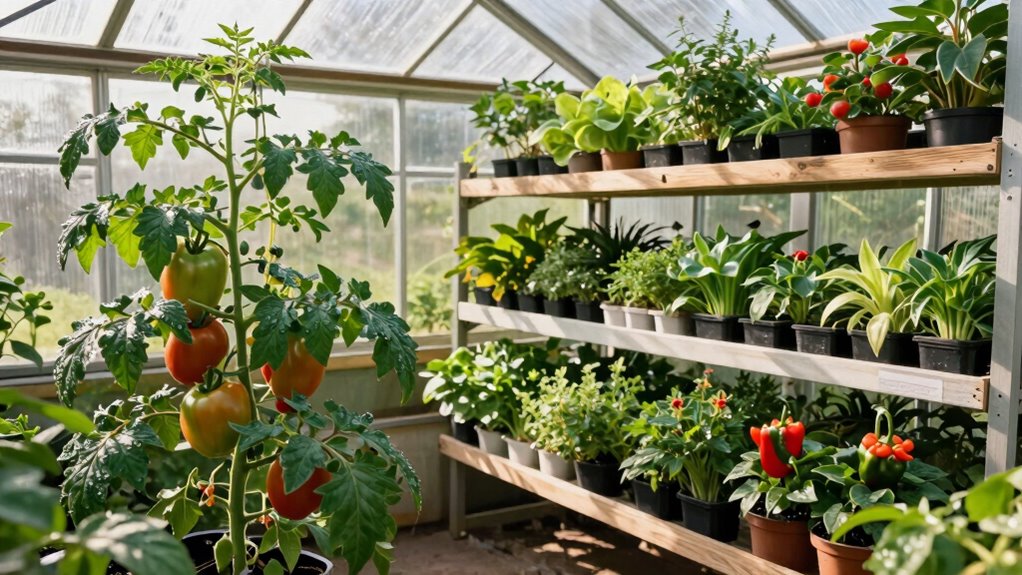
Creating the right greenhouse climate is essential for healthy plant growth and a thriving garden. When you understand how to manage plant humidity and ventilation control, you set the stage for optimal growing conditions. Humidity levels play a crucial role in how well your plants develop. Too much moisture creates a damp environment, which can lead to mold, mildew, and fungal diseases. On the other hand, if the air is too dry, your plants may struggle with water uptake and become stressed. Striking the right balance means monitoring humidity regularly and adjusting as needed. You can do this with simple tools like hygrometers and by using humidifiers or dehumidifiers to fine-tune the environment. Proper humidity control helps keep pests and diseases at bay, ensures better nutrient absorption, and promotes healthier, more vigorous growth. Maintaining a stable greenhouse climate is also about understanding the importance of greenhouse environment management, which encompasses both humidity and ventilation strategies. This involves not only controlling the environment but also understanding how different factors interact to influence plant health and productivity.
Ventilation control is equally vital in maintaining a good greenhouse climate. Without adequate airflow, heat and humidity can build up quickly, creating conditions that are harmful to your plants. Good ventilation removes excess heat on hot days, prevents stagnant air, and reduces humidity levels, making it easier to keep your greenhouse environment stable. You should prioritize natural ventilation by opening vents and windows when weather permits. Mechanical systems like exhaust fans and circulation fans also help maintain consistent airflow, especially during extreme weather or at night when natural ventilation might be limited. When these systems are properly managed, they contribute significantly to air circulation and overall plant health. Consistent airflow can also prevent the buildup of harmful gases and pests, further supporting your plants’ well-being. Additionally, effective ventilation can help in controlling greenhouse temperature, which is crucial for maintaining optimal growth conditions. Proper ventilation also plays a role in humidity regulation, ensuring that moisture levels stay within the desired range for your specific plants. With proper ventilation, you improve air quality, reduce the risk of disease, and help your plants breathe easier.
Balancing plant humidity and ventilation control might seem challenging at first, but it becomes second nature with practice. You’ll learn to observe your plants closely and notice signs of stress, such as wilting or mold, which indicate adjustments are needed. Keep a close eye on environmental conditions, and don’t hesitate to tweak your setup—adding more vents, adjusting humidifier settings, or increasing airflow as necessary. When you get these elements right, your greenhouse provides a stable environment that mimics ideal outdoor conditions, regardless of the weather outside. This way, your plants thrive, grow faster, and produce better yields.
In the end, creating a good greenhouse climate isn’t about perfect conditions all the time; it’s about being responsive and proactive. Your attention to plant humidity and ventilation control directly impacts how healthy your plants are and how well they grow. When you master these aspects, you’ll find that maintaining a thriving garden becomes less about battling the environment and more about working with it. Your greenhouse becomes a controlled sanctuary, where your plants can flourish no matter the season.

TempPro TP50 Digital Hygrometer Indoor Thermometer Room Thermometer
- Wellness Indicator: Air condition status with icons
- High Accuracy & Fast Updates: ±2-3%RH and ±1°F, updates every 10 seconds
- Record High & Low: Displays temperature and humidity extremes
As an affiliate, we earn on qualifying purchases.
As an affiliate, we earn on qualifying purchases.
Frequently Asked Questions
How Do I Measure and Monitor Greenhouse Climate Effectively?
To measure and monitor your greenhouse climate effectively, you should carefully choose sensor placement—ideally at plant level and in different zones. Use reliable sensors for temperature, humidity, and light. Regularly collect data and analyze trends to spot issues early. This helps you adjust ventilation, heating, or shading, creating a suitable environment. Consistent monitoring ensures you maintain a healthy, productive greenhouse with minimal guesswork.
What Are Common Signs of a Poor Greenhouse Climate?
Feeling like a medieval alchemist? That’s a sign your greenhouse climate might be poor. You’ll notice plant humidity levels are too high, causing mold or disease, and ventilation efficiency is lacking, leading to stuffy air and overheated conditions. Leaves may wilt or turn yellow, and pests thrive. These signs show your environment isn’t balanced, so you need to improve air circulation and regulate humidity to create a healthier space for your plants.
Can Climate Control Systems Save Energy and Reduce Costs?
Yes, climate control systems can save energy and reduce costs. By optimizing temperature, humidity, and ventilation, these systems improve energy efficiency, ensuring you’re not wasting power on unnecessary heating or cooling. Automated controls allow you to maintain ideal conditions with minimal effort, leading to significant cost savings over time. Investing in modern climate control technology helps you manage your greenhouse more sustainably while keeping your plants healthy and productive.
How Does Outdoor Weather Impact Greenhouse Climate Stability?
Outdoor weather variability greatly influences greenhouse climate stability. Sudden storms, scorching sun, or chilly winds can challenge your climate control efforts, causing fluctuations that stress plants. Factors like wind intensity, temperature swings, and humidity shifts directly impact your greenhouse environment. To maintain steady climate stability, you need vigilant ventilation, insulation, and monitoring systems, helping you shield your plants from unpredictable outdoor weather and keep conditions calm and consistent inside.
What Specific Plants Need the Most Precise Climate Control?
You need to control plant humidity and light regulation most precisely for delicate plants like orchids and seedlings. These plants thrive in specific humidity levels and require consistent light conditions to grow healthy. You should monitor humidity carefully and adjust ventilation or misting systems accordingly. Also, regulate light exposure using shades or supplemental lighting, ensuring your plants stay within their ideal climate range for perfect growth and flowering.
Conclusion
A good greenhouse climate isn’t just about temperature or humidity; it’s the heartbeat of your garden’s soul. When you nurture this balance, you’re tending to a delicate symphony of life, where each plant reflects your care and patience. Think of your greenhouse as a sanctuary—a tiny universe where growth and hope blossom together. Keep listening, adjusting, and loving your space, and watch your garden thrive, becoming a mirror of your dedication and the endless possibilities within.
Summer Picks
summer essentials
As an affiliate, we earn on qualifying purchases.