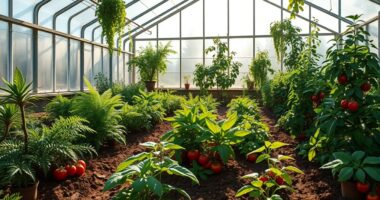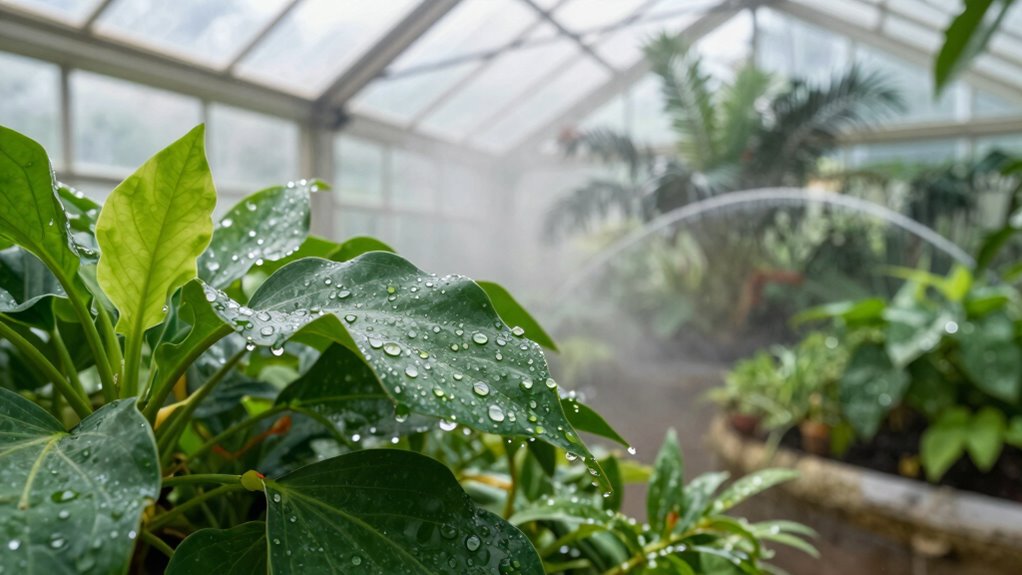

Greenhouse “sweating” happens when warm, humid air hits its dew point, causing moisture to condense on surfaces and plants. This typically occurs due to high humidity combined with temperature drops, poor ventilation, or cold building materials. To stop it, you need to control temperature and humidity using fans, dehumidifiers, and proper airflow. Managing these factors helps prevent excess moisture and keeps your greenhouse healthy—if you continue, you’ll learn effective strategies to keep the moisture at bay.
Key Takeaways
- Greenhouse sweating occurs when interior temperatures drop to the dew point, causing moisture to condense on surfaces.
- High humidity levels raise the dew point, increasing the likelihood of condensation and sweating inside the greenhouse.
- Rapid cooling from evaporative systems or poor ventilation can cause temperature drops near the dew point, leading to condensation.
- Monitoring humidity and temperature with tools like hygrometers and dew point meters helps anticipate and prevent sweating.
- Improving ventilation, controlling humidity, and using dehumidifiers or moisture absorbers effectively reduce condensation and sweating.
What Is the Dew Point and Why Does It Cause Greenhouse Sweating?
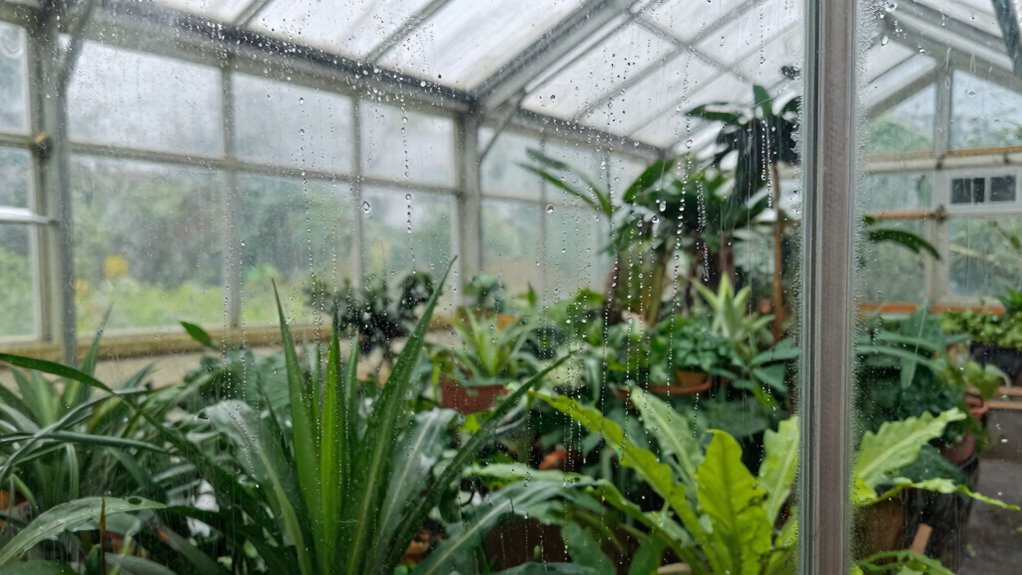
Have you ever noticed that your greenhouse feels damp or sweaty on certain days? That’s because of dew point science, which explains when moisture in the air condenses on surfaces. The dew point is the temperature at which air becomes saturated, and humidity dynamics push moisture from the air onto cooler surfaces. When your greenhouse’s interior temperature drops near this dew point, water vapor condenses into droplets, causing sweating. This process isn’t random; it’s driven by the balance of humidity levels and temperature changes inside your greenhouse. Understanding dew point science helps you predict when sweating might occur. Recognizing these humidity dynamics allows you to manage airflow and temperature better, reducing unwanted condensation and creating a healthier environment for your plants. Additionally, projector technology such as dynamic contrast ratios and color accuracy can be utilized to monitor conditions visually and enhance your control strategies.
How Do Temperature and Humidity Influence Dew Point Formation?
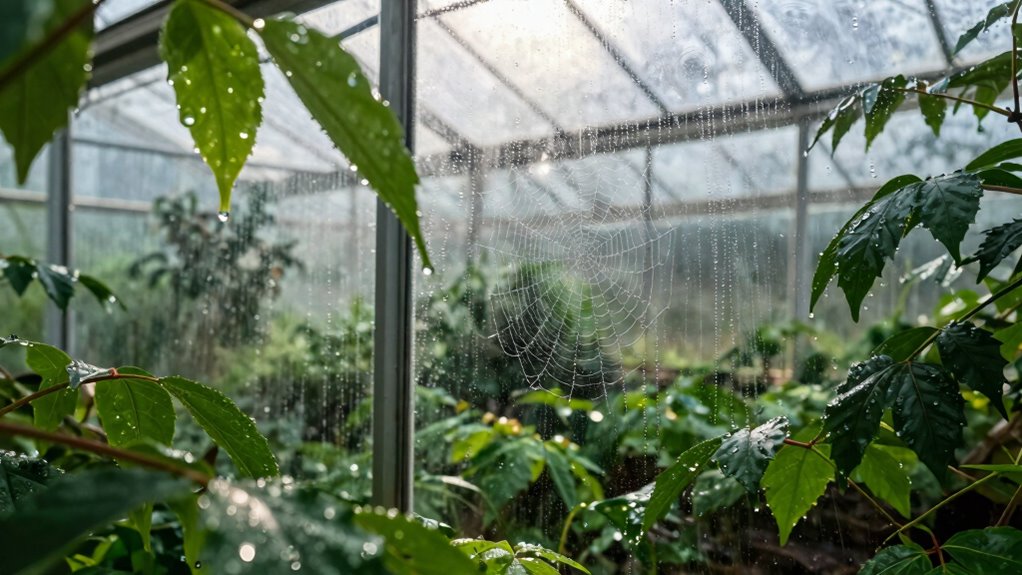
Temperature and humidity are the key factors that determine when dew point formation occurs. As your greenhouse warms or cools, and moisture levels fluctuate, the dew point shifts accordingly. Higher humidity raises the dew point, making condensation more likely, while lower humidity lowers it. Conversely, temperature changes influence evaporative cooling, which can cause surfaces to reach the dew point more quickly. Maintaining a proper moisture balance helps prevent unwanted sweating. For example, if the air becomes too humid, surfaces can cool to the dew point, leading to condensation. Conversely, controlling temperature fluctuations minimizes this risk. Keeping humidity steady and understanding how temperature impacts evaporative cooling are essential for preventing your greenhouse from sweating unnecessarily. Implementing precise climate control systems can further optimize conditions and reduce condensation issues.
Signs Your Greenhouse Is Sweating and Excess Moisture
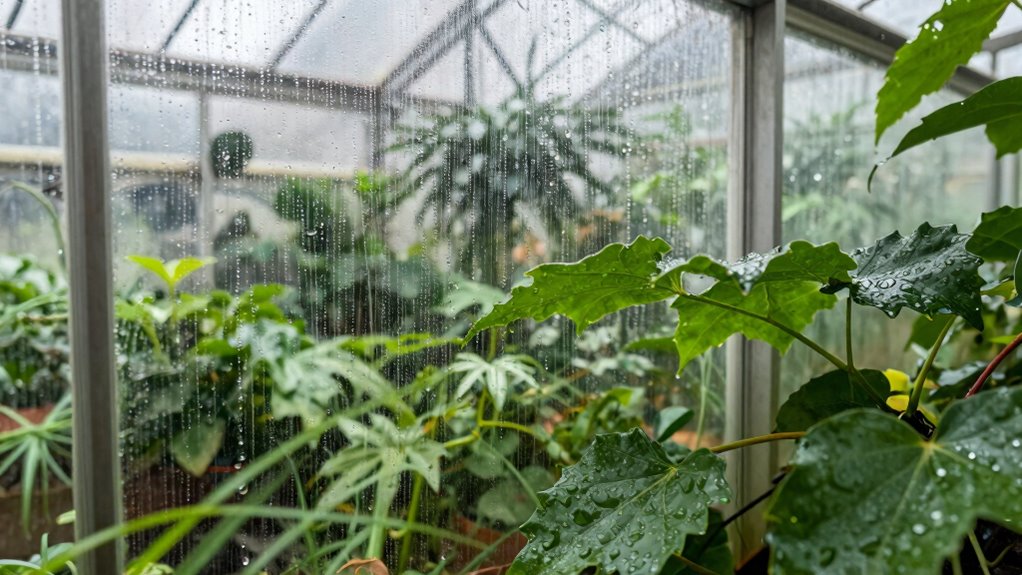
When your greenhouse starts to feel damp or appears misty, it’s a clear sign that excess moisture is present. You may notice water droplets forming on the plant air or settling on surfaces, indicating moisture buildup. If your plants look slightly droopy or your leaves have a shiny appearance, it’s often due to high humidity levels causing condensation. Persistent dampness can lead to mold or fungal issues if not addressed. You might also observe a musty smell, which signals too much moisture lingering in the air. These signs point to an imbalance in your greenhouse’s environment, with excess moisture trapping around your plants. Recognizing these indicators early helps you take steps to improve air circulation and reduce humidity, preventing further sweating and damage. Understanding the dew point is crucial for managing moisture levels and maintaining a healthy greenhouse atmosphere.
What Causes Dew Point-Related Condensation in Greenhouses?
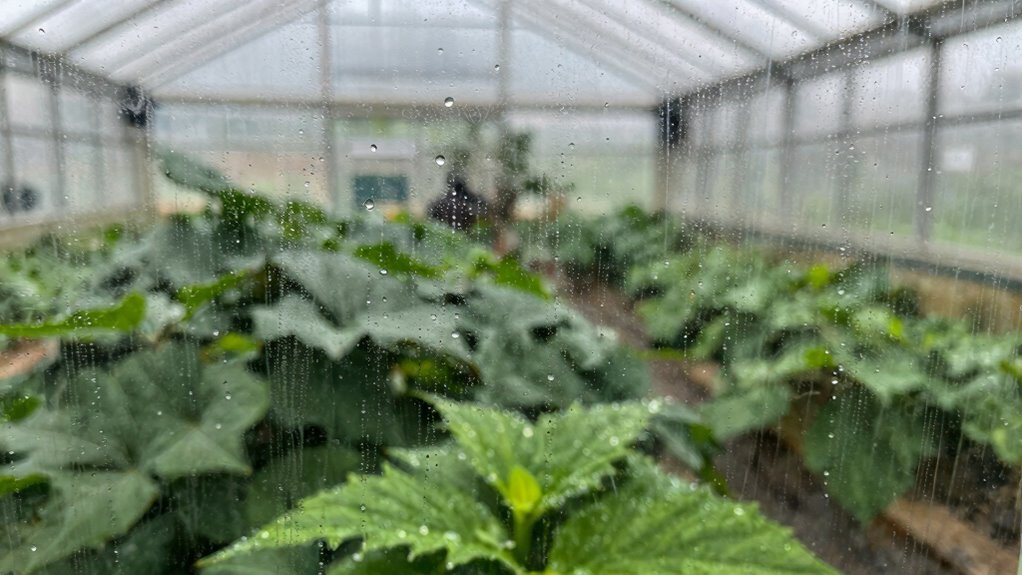
Dew point-related condensation occurs when the moisture in the air cools to its dew point temperature, causing water vapor to change into liquid droplets. Inside your greenhouse, this often happens due to temperature fluctuations and humidity levels. Evaporative cooling can lower air temperature rapidly, reaching dew point and triggering condensation. Thermal inertia, the ability of building materials to resist temperature changes, also influences this process, as slow-heating surfaces can encourage moisture accumulation. Factors contributing to condensation include:
- Rapid cooling from evaporative cooling systems
- High humidity levels trapped inside due to poor ventilation
- Building materials with high thermal inertia that retain coldness
- Inadequate ventilation to control humidity and temperature fluctuations
Understanding these causes helps you manage greenhouse conditions effectively to minimize unwanted dew point-related condensation.
How Dew Point and Condensation Affect Plant Health
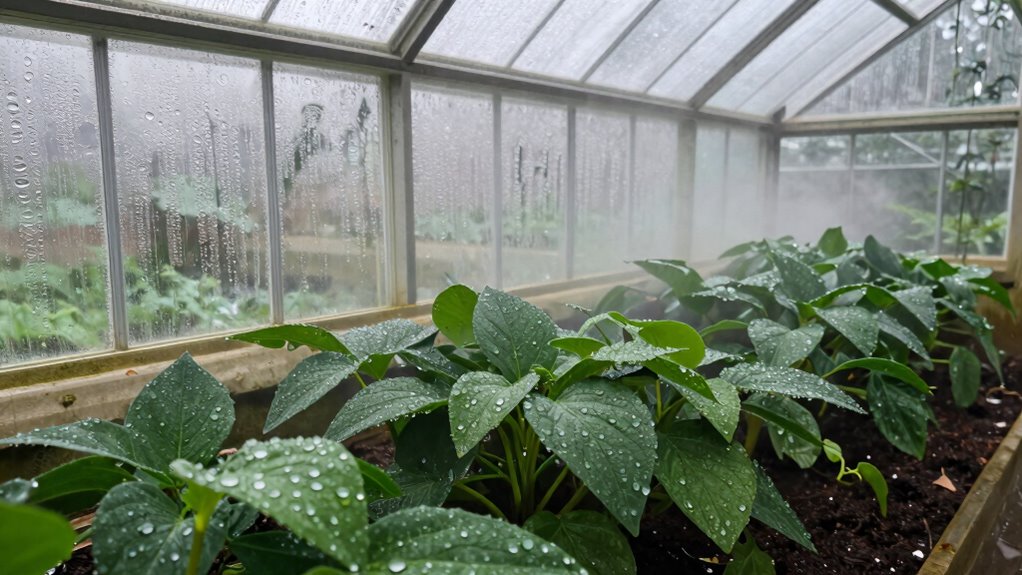
High humidity levels can increase the risk of mold and fungal growth on your plants, weakening their health. Managing condensation helps prevent water droplets from lingering on leaves, which can cause disease. Keeping an eye on dew point and controlling condensation are key to maintaining healthy, thriving plants. Understanding biography details about plant environments can help you optimize humidity levels effectively.
Effects of Humidity
Humidity levels substantially influence plant health by affecting how moisture interacts with their surfaces. When humidity is high, plants are more prone to dew formation and condensation, which can lead to diseases like mold or rot. Proper humidity control helps maintain ideal conditions and prevents excess moisture buildup. Dew point management is essential to avoid unwanted condensation that can damage leaves or roots.
Consider these factors:
- Excess humidity can promote fungal growth and weaken plants.
- Poor humidity control may cause stress, reducing growth and yield.
- Maintaining consistent humidity levels supports healthy transpiration and nutrient uptake.
Managing Condensation
Managing condensation is essential because when dew point temperatures are reached, moisture turns into liquid on plant surfaces, risking mold and disease. To prevent this, understanding dew point calculation helps you anticipate when condensation occurs. Evaporative cooling also plays a role; it naturally lowers temperatures, increasing the chance of reaching dew point. Here’s a quick guide:
| Dew Point Temperature | Effect on Plants |
|---|---|
| Above ambient | Less condensation |
| Equal or below | Increased risk of dew formation |
Additionally, controlling greenhouse humidity levels can significantly reduce the likelihood of excess condensation forming on your plants.
Effective Strategies to Prevent Greenhouse Sweating
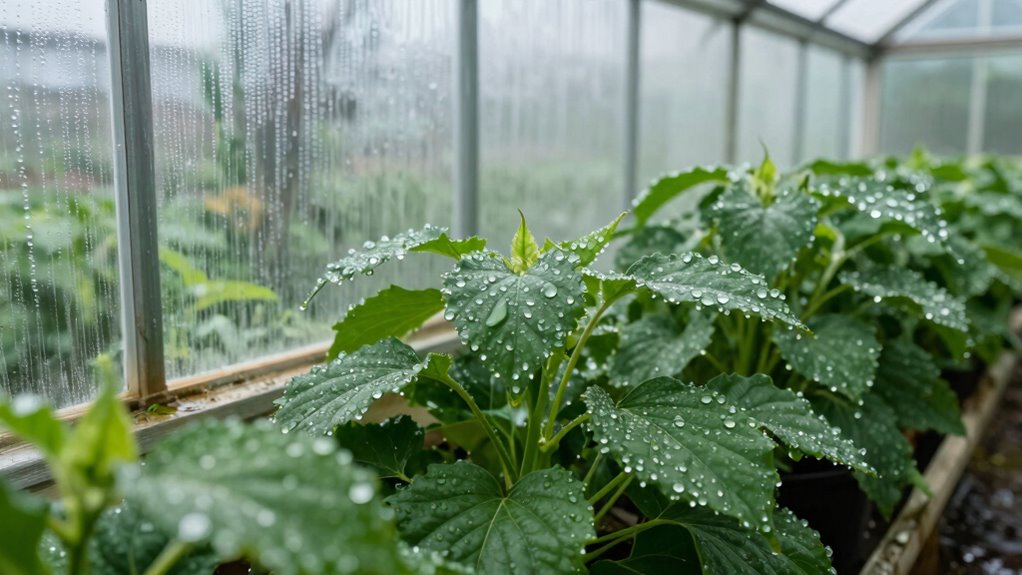
To prevent greenhouse sweating effectively, you need to control the conditions that cause moisture to condense on surfaces. Managing watering schedules is key; avoid overwatering, which increases soil moisture and releases excess humidity. Use proper ventilation to help exchange humid air with drier outside air, reducing dew formation. Additionally, monitor soil moisture regularly to maintain ideal levels, preventing excess moisture from contributing to condensation. Consider the following strategies:
- Adjust watering schedules to prevent overly wet soil
- Enhance ventilation and air circulation to reduce humidity buildup
- Use moisture-absorbing materials or dehumidifiers in high-humidity areas
Implementing these methods keeps the environment balanced, minimizing dew point issues and keeping your greenhouse dry and healthy.
Controlling Temperature and Humidity to Reduce Dew Point Issues
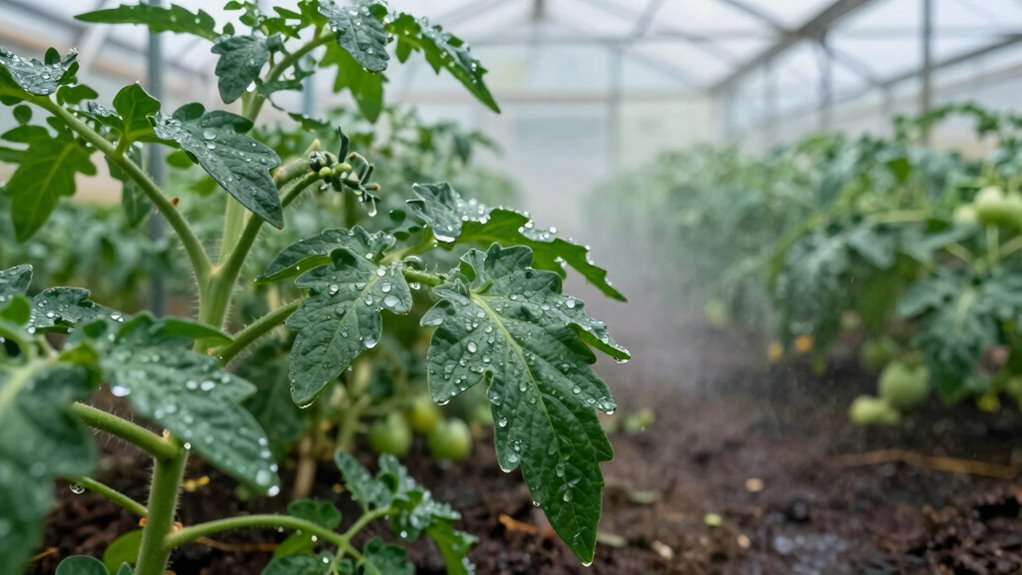
Controlling temperature and humidity is essential for reducing dew point issues in your greenhouse. When you maintain ideal levels, you prevent excessive condensation that can lead to plant stress and pest proliferation. Keep temperatures steady during the day and night to avoid sudden shifts that increase humidity. Use a hygrometer and thermometer to monitor conditions closely. Maintaining consistent conditions helps create a stable environment that minimizes condensation buildup, which is crucial for healthy plant growth.
Using Ventilation, Fans, and Dehumidifiers to Manage Moisture
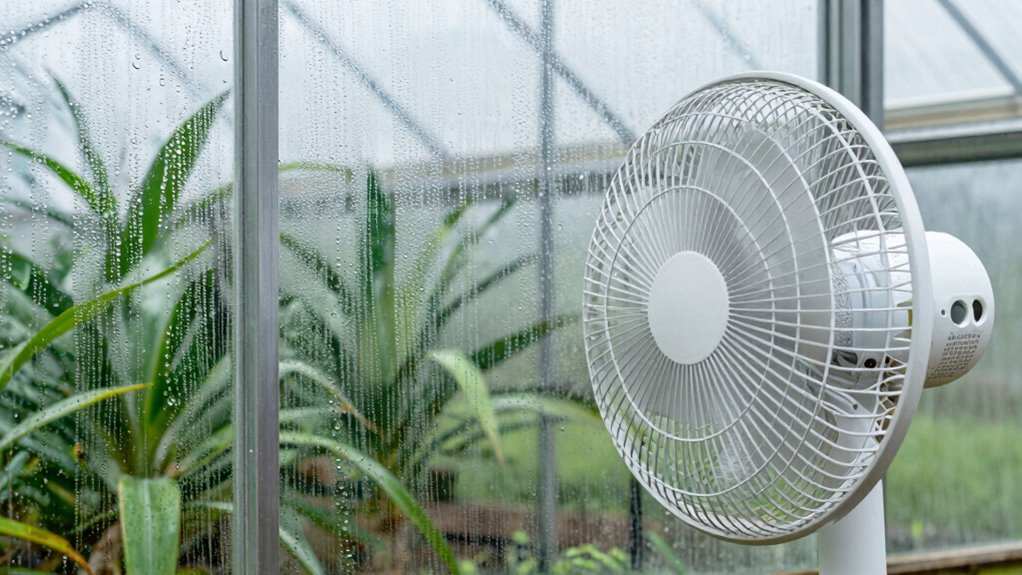
Using ventilation, fans, and dehumidifiers is essential for maintaining proper moisture levels in your greenhouse. They improve air circulation, helping to disperse excess humidity caused by plant transpiration. Proper airflow prevents dew point issues by reducing stagnant, moist air that encourages condensation. Fans can be strategically placed to create consistent air movement, while dehumidifiers actively remove excess moisture from the space. Consider these approaches:
- Install exhaust fans to vent humid air outside
- Use oscillating fans to promote uniform air circulation
- Incorporate dehumidifiers to continuously reduce humidity levels
- Incorporating innovative materials can also enhance the efficiency of moisture control systems.
These tools work together to control moisture, decrease the risk of dew formation, and keep your plants healthy. Regular use ensures a balanced environment, preventing the “sweating” that hampers plant growth and encourages disease.
Tools and Techniques for Monitoring Dew Point and Humidity

Effective moisture management in your greenhouse relies on accurate monitoring of dew point and humidity levels. To do this, you should use reliable tools like humidity sensors and dew point meters. Humidity sensors provide real-time data on moisture levels, helping you make quick adjustments. Dew point meters specifically measure the temperature at which moisture condenses, giving you insight into potential sweating issues. Here’s a quick comparison:
| Tool | Function |
|---|---|
| Humidity sensors | Measure current humidity levels |
| Dew point meters | Determine dew point temperature |
| Hygrometers | Track humidity over time |
| Psychrometers | Measure temperature and humidity |
| Data loggers | Record data for trend analysis |
Using these tools, you can precisely monitor conditions and prevent excess moisture buildup. Regularly checking dew point can help you anticipate condensation problems before they occur.
Troubleshooting Dew Point Problems : When to Call an Expert
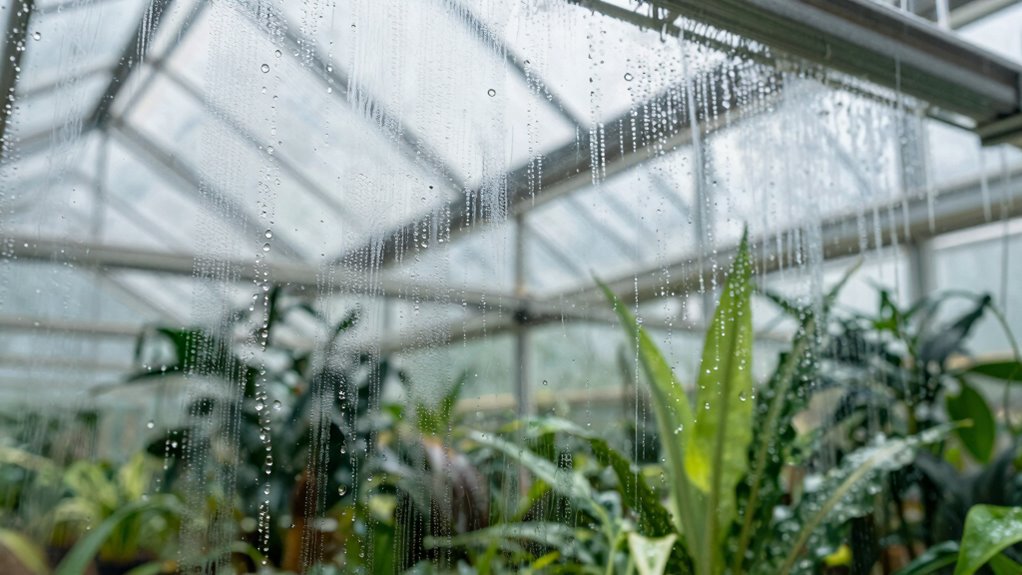
When dew point issues persist despite your monitoring efforts, it’s time to call in an expert. Persistent condensation can lead to disease outbreaks and pest infestations, making professional intervention necessary. An experienced specialist can assess your greenhouse’s ventilation, heating, and humidity controls to identify underlying problems. They can also recommend targeted solutions to prevent excessive moisture buildup, supporting disease prevention and pest control.
Persistent dew point issues require expert assessment to prevent disease and pests.
Consider calling an expert if you notice:
- Ongoing dampness despite adjustments
- Sudden increases in mold or fungal growth
- Frequent pest issues linked to excess humidity
An expert’s insights ensure your environment remains ideal, reducing risks of plant diseases and pest problems while improving overall plant health. Proper troubleshooting now saves you time, money, and crop loss later.
Frequently Asked Questions
Can Dew Point Issues Vary With Different Greenhouse Crop Types?
Yes, dew point issues can vary with different crop types because each plant has specific humidity and moisture needs. When you grow crops with high moisture requirements, you might notice more condensation if the humidity levels aren’t adjusted properly. Conversely, drought-tolerant plants may cause less dew formation. Understanding crop-specific humidity helps you control dew point efficiently, preventing excess sweating and maintaining ideal conditions for your greenhouse.
Are There Specific Climate Zones More Prone to Greenhouse Sweating?
Did you know that tropical and subtropical climate zones experience 30% more greenhouse sweating due to regional humidity patterns? You’re more vulnerable to sweating in these zones because high humidity levels increase dew point issues. Climate zone vulnerabilities mean that managing humidity and ventilation is essential. By understanding regional humidity patterns, you can implement targeted solutions to prevent condensation and keep your greenhouse environment stable.
How Often Should I Calibrate Humidity and Temperature Sensors?
You should calibrate your humidity and temperature sensors at least once every three to six months for peak sensor maintenance. Regular calibration guarantees accurate readings, helping you prevent issues like greenhouse sweating. Keep an eye on sensor performance, and if you notice inconsistent data, calibrate more frequently. Proper calibration frequency maintains reliable environmental control, so your plants thrive and you avoid unnecessary humidity problems.
Can Organic Methods Help Reduce Dew Point-Related Problems Naturally?
You can naturally minimize dew point issues with organic controls and pest management. By improving air circulation and using organic mulches, you help regulate humidity levels, reducing condensation. Incorporate beneficial insects or organic sprays to manage pests that might increase moisture buildup. These eco-friendly practices promote a healthier environment and help prevent excess condensation, so your greenhouse stays drier and healthier without relying on chemical solutions.
What Are the Long-Term Impacts of Persistent Condensation on Greenhouse Structures?
Persistent condensation can cause serious long-term impacts on your greenhouse structures, leading to structural corrosion and mold growth. Over time, moisture undermines metal supports and frames, risking costly damage or failure. Mold thrives in damp environments, damaging plants and compromising air quality. You need to address frequent condensation quickly to protect your greenhouse’s integrity and ensure a healthy environment for your plants.
Conclusion
Understanding the dew point helps you prevent excess moisture in your greenhouse, protecting your plants and reducing disease risk. Did you know that poorly managed humidity can lower plant growth rates by up to 25%? By monitoring temperature and humidity closely, using proper ventilation, and acting promptly on signs of sweating, you can create a healthier environment. Keep moisture levels in check, and your greenhouse will thrive with lush, healthy plants all year round.