TL;DR

Get garden gear delivered free with Prime
- Fast, free delivery on millions of items
- Prime Video, Amazon Music and more included
- Member-only deals all year
Greenhouse kits designed for beginners are easy to assemble, affordable, and built with durable materials. They help extend your growing season and boost plant health without overwhelming you. Choosing the right kit depends on space, goals, and future plans.
Imagine stepping into your own mini paradise, where lush greens, vibrant flowers, and fresh herbs thrive. It’s not just a dream—greenhouse kits for beginners turn that dream into reality, with simple, step-by-step setups anyone can manage. If you’ve ever hesitated because you thought gardening might be too complicated, this guide will show you how easy and rewarding it can be.
Whether you have a tiny balcony or a backyard, the right greenhouse kit can transform your space into a year-round garden. You’ll learn what makes a kit beginner-friendly, recent innovations that make setup easier, and how to pick the perfect fit for your goals. Let’s get growing!
Choose a size that matches your space and gardening goals—starting small builds confidence.
Polycarbonate panels combined with aluminum frames offer the best blend of safety, durability, and ease of maintenance.
Recent innovations like automatic vents and modular designs make setup and climate control much easier for beginners.
Expect to spend between $150 and $700 depending on size and features—balance budget with future plans.
Regular cleaning, ventilation, and quick repairs keep your greenhouse thriving year-round.
What Makes a Greenhouse Kit Perfect for Beginners?
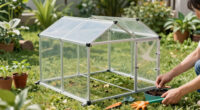
Beginner-friendly greenhouse kits are all about simplicity. They come with pre-cut parts, clear instructions, and minimal tools. For example, many kits include snap-together frames and panels that click into place—no fuss, no frustration.
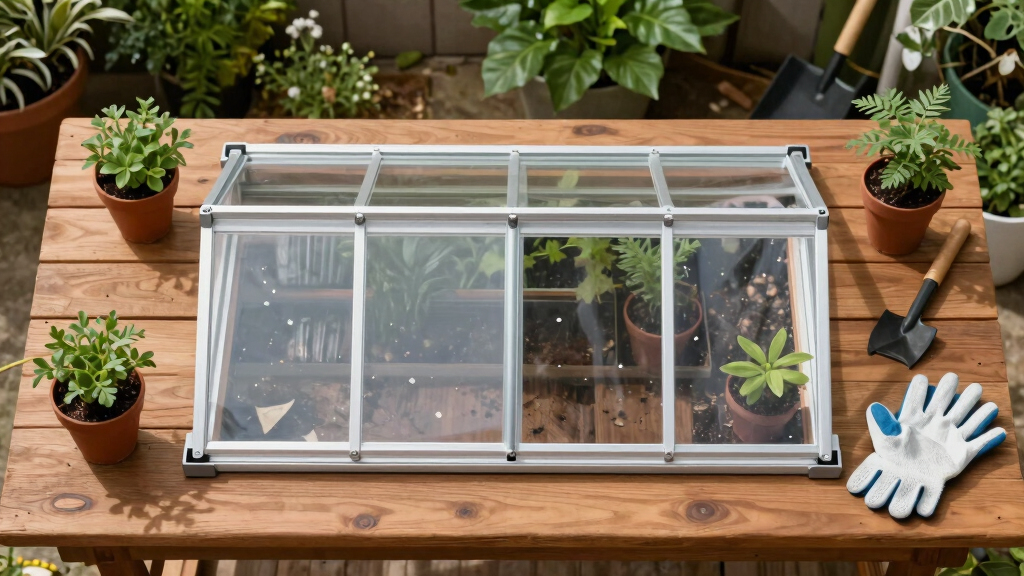
Size matters too. A small, manageable structure—say, 6×4 feet—fits easily on a patio or in a backyard corner. It’s big enough to grow a variety of plants but not so large that setup or maintenance becomes overwhelming.
Materials like impact-resistant polycarbonate panels outshine glass in safety and insulation. They’re lightweight, shatterproof, and handle weather swings better. Plus, many kits feature adjustable vents and windows, giving you control over temperature and humidity—crucial for healthy plants.
Expect these kits to be budget-friendly, with prices starting around $150 for basic models and climbing up as features expand. Durability and weather resistance are key—look for structures designed to endure your local climate. And, if you want to grow your garden over time, choose kits that are easily expandable or customizable with shelves, automatic vents, or even watering systems.
Understanding these features helps you weigh the tradeoffs between cost, durability, and expandability. For instance, opting for impact-resistant panels might slightly increase initial costs but significantly reduce repair expenses and safety concerns over time. Similarly, choosing a smaller size minimizes upfront investment but may limit your initial planting options. Recognizing these tradeoffs ensures you select a kit that aligns with your long-term gardening goals and budget, setting you up for success rather than frustration.
As an affiliate, we earn on qualifying purchases.
Latest Innovations Making Greenhouse Kits Easier for New Gardeners
Recent advances turn the daunting into doable. Many kits now feature lightweight, durable plastics and polycarbonate panels—up to 250% more impact-resistant than traditional glass, according to industry reports. These materials boost safety and longevity.
Modular and expandable designs let you start small and grow bigger. Imagine setting up a cozy 6×4 foot greenhouse now, then adding sections later as your confidence and plant list expand. This flexibility allows you to manage initial costs and learn gradually, reducing the risk of overcommitting or making costly mistakes early on.
Climate control gets smarter with integrated automatic vents, sensors, and even watering systems. For example, some kits include solar-powered fans that open vents when temperatures rise, maintaining a stable environment without manual fuss. These features help optimize plant growth, prevent overheating, and reduce manual labor—crucial benefits for beginners who may not yet be comfortable managing climate variables manually.
Eco-conscious options are on the rise, with sustainable materials and energy-efficient features. Additionally, manufacturers now provide online tutorials, assembly videos, and dedicated support—making setup a smooth process even if you’re new to DIY projects. These resources help demystify the assembly process, reduce errors, and boost confidence.
These innovations cut setup time and increase reliability, helping you focus on nurturing your green space instead of fixing equipment. They also reduce long-term costs by improving energy efficiency and durability, making your investment more sustainable and cost-effective over time.
How to Pick the Perfect Greenhouse Kit for Your Space and Goals
Choosing the right kit hinges on your available space and what you want to grow. For small patios or balconies, a compact tabletop or mini greenhouse works wonders. For bigger yards, a walk-in model offers more room and versatility.
Here’s a quick comparison to help you decide:
| Feature | Small/Portable (<60 sq ft) | Medium (60-120 sq ft) | Large (>120 sq ft) |
|---|---|---|---|
| Ideal for | Herbs, small vegetables, seedlings | Multiple plant varieties, beginner vegetables | Extended growing, tropical plants, small trees |
| Setup time | 1-2 hours | 3-4 hours | 1 day or more |
| Price range | $100-$300 | $400-$700 | $800-$1500 |
| Ease of expansion | Limited | Moderate | Yes, often modular |
Think about your space, your favorite plants, and how much time you want to spend maintaining your greenhouse. Starting small helps you learn the ropes without feeling overwhelmed.
Remember, most beginner kits are designed for quick setup—many in under a weekend. The key is to pick a size that fits your current space but leaves room for growth. This approach not only makes initial setup less daunting but also allows you to expand as your skills and confidence grow, preventing the need for costly replacements or major overhauls early on. It’s about balancing immediate needs with future ambitions, ensuring your gardening journey is both enjoyable and sustainable.
The Best Materials for Beginner Greenhouses: What Really Works
Materials matter. Polycarbonate panels top the list because they’re lightweight, impact-resistant, and insulate better than glass. Imagine your greenhouse surviving a hailstorm or accidental bump without cracking—that’s polycarbonate’s superpower. They also provide better UV protection, which helps extend the lifespan of your plants and reduces the need for frequent replacements.
Wood frames look charming but require more maintenance and are prone to rot if not treated properly. Properly treated wood can last many years, but it demands regular upkeep like sealing and checking for pests. Aluminum offers durability and rust resistance, making it a good choice for beginners who want longevity with less fuss. Aluminum frames are also lightweight, making assembly easier, but they can be more expensive than plastic options.
Vinyl and plastic frames are budget-friendly and easy to assemble but may not last as long in harsh weather. Think about your climate—if you get heavy snow or frequent storms, invest in sturdier materials like aluminum or treated wood. The choice of materials impacts not just durability but also how much maintenance you’ll need, so weigh these factors carefully based on your environment and long-term plans.
Ultimately, impact-resistant polycarbonate panels combined with aluminum or treated wood frames provide a balance of safety, durability, and affordability—perfect for beginners eager to grow for years. This combination offers a reliable foundation that minimizes repair costs and maximizes plant protection, ensuring your investment pays off over time.
Maintenance Tips: Keep Your Greenhouse Growing Strong
Maintaining your greenhouse isn’t complicated, but it’s essential. Regularly clean panels with a soft cloth and mild soap to keep sunlight shining through. This prevents dirt and algae buildup that can block light and hinder plant growth. Check seals and hinges monthly—small repairs like tightening screws or resealing leaks can prevent bigger issues like drafts or pest entry, which could compromise your plants’ health.
Ventilation is your best friend. Open vents and windows daily to prevent humidity buildup, which can lead to mold or plant diseases. If you have automated vents, make sure they’re working before the heavy growth season begins. Proper airflow helps regulate temperature and humidity, creating a stable environment that promotes healthy root and leaf development.
Monitor temperature and humidity with simple digital gauges—many kits come with built-in sensors. During hot days, use shade cloths or extra fans to keep temperatures in the ideal range (around 70-85°F for most vegetables). Consistent conditions reduce stress on plants and minimize pest and disease problems, saving you time and effort in the long run.
Regularly inspect for damage—cracks, loose screws, or broken hinges—and repair promptly. A well-maintained greenhouse keeps pests out and plants thriving. Think of it as your mini eco-system: a little upkeep ensures your plants stay healthy, productive, and pest-free, making gardening more enjoyable and less labor-intensive.
Frequently Asked Questions
Are greenhouse kits really easy for a complete beginner?
Yes, most beginner greenhouse kits are designed with simple assembly in mind. They often include pre-cut parts, clear step-by-step instructions, and minimal tools, making setup manageable even if you’ve never built anything like this before.
What’s the best size to start with if I have limited space?
A small, 6×4 foot greenhouse or tabletop model is ideal. It’s compact enough to fit on a patio or balcony, yet large enough to grow herbs, seedlings, and small vegetables while you learn the ropes.
Which materials should I prioritize for durability?
Impact-resistant polycarbonate panels paired with aluminum or treated wood frames offer the best mix of safety, longevity, and low maintenance. These materials withstand weather and accidental bumps better than glass or plastic alone.
How much should I expect to spend on my first greenhouse kit?
Prices vary from around $150 for basic, small models to over $1,000 for larger, feature-rich structures. Budget accordingly based on your space, plant ambitions, and desired features.
What regular maintenance do I need to do?
Routine cleaning of panels, checking seals and hinges, ensuring proper ventilation, and monitoring temperature and humidity are key. Quick repairs keep pests and weather damage at bay, ensuring your plants stay healthy.
Conclusion
Your first greenhouse isn’t about being perfect; it’s about making a space where plants can flourish and your confidence grows. Pick a kit that fits your space, budget, and ambition—then watch your gardening skills blossom.
Every plant you nurture in that little glass house is a step closer to a lush, sustainable oasis. So, grab a kit, follow the simple tips, and start growing—your green thumb awaits.
Fall yard work Picks
leaf blowers
As an affiliate, we earn on qualifying purchases.