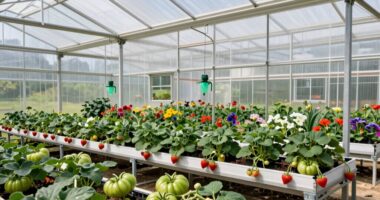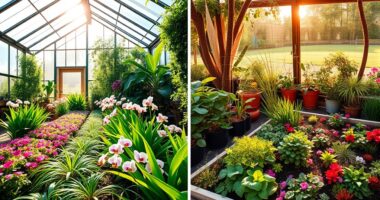

Observation is often overlooked but is your most powerful greenhouse skill. It helps you catch subtle signs of stress, pests, or disease early, so you can act before problems escalate. Regularly inspecting plants allows you to recognize patterns and deviations, leading to healthier growth and resource savings. Your eyes and intuition are vital in managing a thriving greenhouse. Keep paying attention—more insights await to help you become a true expert.
Listen free for 30 days with Audible
Thousands of audiobooks and originals — cancel anytime.
As an affiliate, we earn on qualifying purchases.
Key Takeaways
- Observation allows early detection of pests, diseases, and stress, preventing major crop damage.
- It enhances understanding of plant health, reducing reliance on technology alone.
- Developing keen observation skills leads to timely interventions and healthier plants.
- Recognizing subtle deviations helps optimize growing conditions and resource use.
- Observation fosters intuition and pattern recognition, vital for proactive greenhouse management.

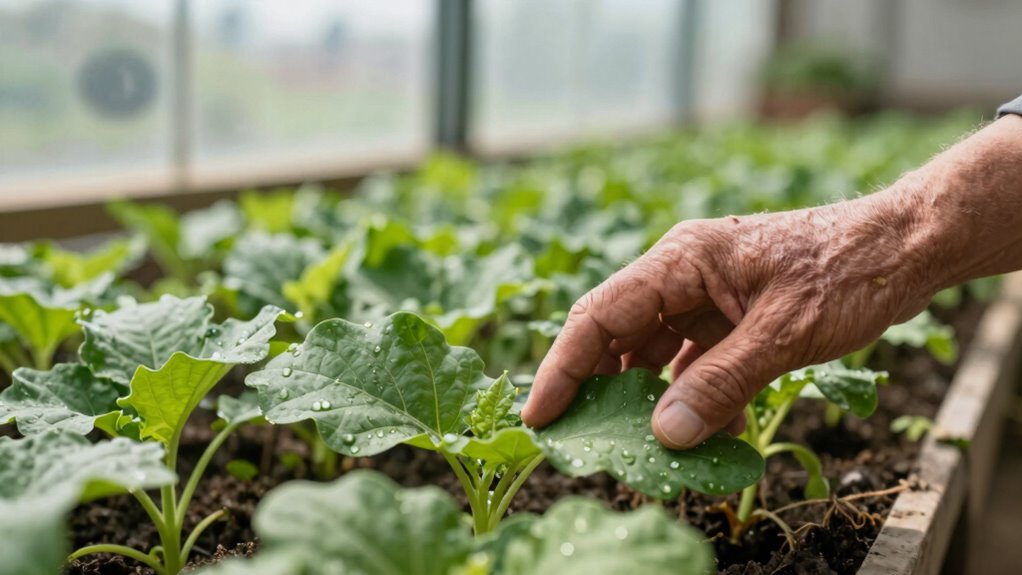
Observation is a fundamental skill for anyone working in a greenhouse, as it allows you to monitor plant health and growth effectively. When you pay close attention to your plants, you can catch signs of stress, disease, or pest infestation early on, preventing minor issues from escalating into major problems. Recognizing subtle changes in leaf color, texture, or growth patterns helps you maintain ideal conditions for your plants. This proactive approach is essential for effective plant health management. This skill isn’t flashy or highly technical, but it’s essential for successful greenhouse management.
Observation is key to healthy plants, catching issues early and maintaining optimal greenhouse conditions.
One of the most important aspects of observation is pest detection. Pests can silently damage plants, often before you notice any obvious symptoms. By regularly inspecting your plants, you develop an eye for early warning signs like tiny holes, sticky residues, or discolored patches. Catching pests early not only saves your crops but also reduces the need for harsh chemical treatments, promoting healthier, more sustainable growing conditions. Your ability to detect pests quickly hinges on your attentive observation, making it a key line of defense in pest management.
Plant health is closely tied to your observation skills. When you observe your plants daily, you notice deviations from their normal appearance. For example, wilting leaves, yellowing foliage, or stunted growth indicate underlying issues, whether from watering problems, nutrient deficiencies, or disease. Instead of reacting after the damage is done, your proactive monitoring allows you to adjust watering schedules, fertilization, or environmental conditions promptly. This ongoing vigilance keeps your plants vigorous and productive. Developing an understanding of plant physiology can also enhance your ability to interpret these signs accurately.
Many greenhouse operators overlook the power of simple observation, assuming that technological solutions or chemical interventions are the only way to address problems. However, your eyes and intuition are often your best tools. As you become more experienced, you’ll start noticing patterns and anomalies that others might miss. Over time, this sharp sense of observation becomes second nature, giving you an edge in maintaining healthy plants and preventing issues before they become visible crises. Recognizing the importance of biodiversity and the interconnectedness of your plants and environment can further enhance your observation skills and overall sustainability practices. Additionally, understanding how environmental factors influence plant health allows for more precise and effective observations.
Ultimately, observation is a skill that enhances every aspect of greenhouse work. It’s not just about noticing problems—it’s about understanding your plants and their needs at a glance. When you develop this skill, you gain confidence in your ability to manage your greenhouse efficiently. You’ll find yourself intervening at the right moments, reducing waste, and fostering healthier, more resilient plants. A keen attention to detail can make all the difference in a successful greenhouse operation. In a setting where attention to detail makes all the difference, observation truly is your most underrated, yet most powerful, greenhouse skill.
plant pest detection magnifying glass
As an affiliate, we earn on qualifying purchases.
As an affiliate, we earn on qualifying purchases.
Frequently Asked Questions
How Can I Improve My Observational Skills Effectively?
To improve your observational skills, start by paying close attention to plant behavior and environmental cues daily. Take notes on changes in leaf color, growth patterns, or moisture levels. Practice mindfulness, focusing fully on what you see and feel in the greenhouse. Over time, you’ll notice subtle shifts and patterns, helping you anticipate needs and respond effectively. Consistent, deliberate observation sharpens your skills and deepens your understanding of plant health.
What Tools Assist With Greenhouse Observation?
Imagine you’re monitoring plant health, and sensor integration detects a slight temperature drop. Using tools like digital sensors and data recording devices, you can spot subtle changes early. These tools help you track environmental conditions precisely, enabling proactive adjustments. By consistently recording data, you develop a clear picture of your greenhouse’s dynamics. This enhances your observational skills, ensuring healthier plants and more efficient management.
How Often Should I Observe My Plants?
You should observe your plants daily to monitor plant growth and catch pest detection early. Regular checks help you spot changes in color, leaf health, or growth patterns, enabling quick action. By observing often, you stay ahead of potential issues, ensuring your plants stay healthy and productive. Consistent observation also helps you understand your plants’ needs better, fostering a thriving greenhouse environment.
Can Observation Help Prevent Plant Diseases Early?
Yes, observation helps you catch plant diseases early by enabling pest detection and spotting nutrient deficiencies. When you regularly check your plants, you notice subtle changes like discoloration, spots, or wilting, which indicate problems before they spread. This proactive approach allows you to treat issues promptly, saving your plants and maintaining a healthy greenhouse environment. Consistent observation truly empowers you to prevent major health issues in your plants.
What Common Mistakes Hinder Good Observation?
You often overlook subtle signs of plant stress or pest detection because you rush or get distracted. You might assume everything looks fine or focus too much on routine tasks, missing early warning signs. Poor lighting, impatience, or multitasking hinder your ability to notice tiny changes. To improve, slow down, focus intently, and examine plants closely. Recognize that good observation is essential for catching issues early and keeping your greenhouse thriving.
Conclusion
You might be surprised to learn that skilled observation can boost your greenhouse yields by up to 30%. By paying close attention to your plants’ subtle changes, you catch problems early and make smarter decisions. Observation isn’t just a passive activity; it’s your most underrated tool for success. So next time you’re tending your greenhouse, trust your eyes—those small details can lead to big results. Master this skill, and watch your garden thrive!
Fall Picks
fall essentials
As an affiliate, we earn on qualifying purchases.