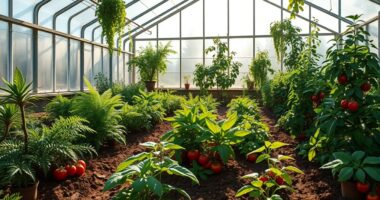
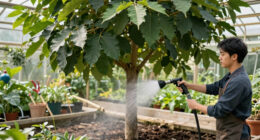
When your greenhouse works with you, you’ll notice thriving plants with strong growth, minimal pest damage, and beneficial insects active in the environment. Soil remains rich, healthy, and teeming with microbes, supporting plant resilience. Pest issues resolve quickly, and signs of overwatering or deficiencies are absent. The environment feels balanced and self-regulating, with organic practices naturally maintaining harmony. If you pay attention to these signs, you’ll see your greenhouse becoming a true partner in your gardening success.
Key Takeaways
- Plants exhibit steady growth, flowering, and fruiting without signs of stress or nutrient deficiencies.
- Pest damage is minimal, and beneficial insects are thriving, indicating natural pest control is effective.
- Soil remains rich, moist, well-drained, and teeming with beneficial microorganisms and earthworms.
- The environment requires minimal chemical intervention, relying on organic and natural pest and soil management strategies.
- The greenhouse maintains a balanced ecosystem with healthy plants, resilient soil, and proactive, integrated maintenance practices.

A well-functioning greenhouse should feel like an extension of your gardening efforts, seamlessly supporting healthy plant growth. When everything’s running smoothly, your plants thrive without constant intervention, and your efforts feel naturally integrated into the environment. One key indicator of this harmony is effective pest management; you notice fewer pests, and your plants aren’t constantly battling infestations. Instead, they grow strong and resilient, suggesting your greenhouse’s ecosystem is balanced. Maintaining soil health is equally crucial. You see rich, dark soil that retains moisture yet drains well, providing a perfect foundation for your plants. Healthy soil fosters vigorous growth and reduces disease susceptibility, so you’re not constantly fighting off issues caused by poor soil quality.
If your greenhouse is truly working with you, you’ll observe that pests are kept in check through natural means, such as beneficial insects or companion planting, rather than relying solely on chemical controls. You might notice fewer signs of pest damage, like chewed leaves or discolored stems, and your plants seem to recover faster when problems do occur. This is a sign that pest management strategies are integrated into your greenhouse’s ecosystem rather than fighting against it. Additionally, soil health remains stable and vibrant, with a good balance of organic matter, nutrients, and microbial activity. You may see earthworms or other beneficial organisms thriving in the soil, which indicates a healthy, self-sustaining environment. Recognizing the presence of soil microbes can be a helpful indicator of this balance.
You’ll also notice consistent plant growth, with no sudden declines or unusual stress signs. When your greenhouse is aligned with the natural rhythms of your plants, they grow with vigor, flowering and fruiting as expected. Your watering routines and nutrient applications feel more intuitive, and your plants respond positively, confirming that your efforts are supporting rather than hindering their development. You won’t see excessive wilting or signs of overwatering, thanks to well-maintained soil moisture levels, or signs of nutrient deficiencies because your soil is rich enough to sustain steady growth. Additionally, observing natural microbial activity in the soil can be a good indicator of a healthy, balanced environment. A balanced ecosystem also encourages beneficial microbial diversity, which further supports plant health and resilience.
If you’re paying close attention, you’ll realize that your greenhouse’s success isn’t just about the plants themselves but about creating a balanced, self-regulating environment. Your pest management is proactive rather than reactive, and your soil health is continually improving through composting, crop rotation, and organic amendments. Integrating soil health practices into your routine can help maintain this harmony over time. When these elements work together, your greenhouse becomes a true extension of your gardening goals—where everything functions harmoniously, and you’re rewarded with healthy, productive plants that seem to grow with minimal fuss.
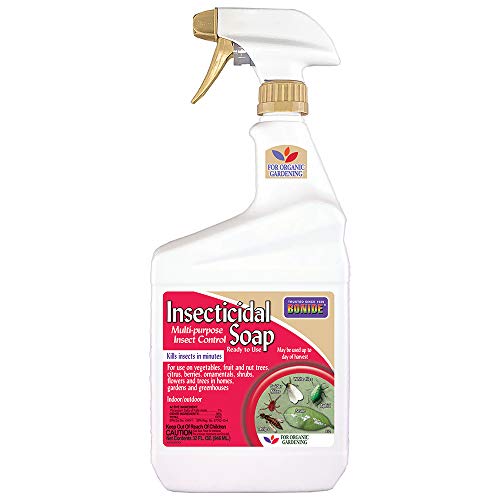
Bonide Insecticidal Soap, 32 oz Ready-to-Use Spray Multi-Purpose Insect Control for Organic Gardening Indoor and Outdoor
- Broad Spectrum Insect Control: Targets various pests including aphids and mites
- Suitable for Outdoor Gardens: Ideal for lawns, ornamentals, and greenhouses
- Kills on Contact and Ingestion: Effective through direct spray or leaf feeding
As an affiliate, we earn on qualifying purchases.
As an affiliate, we earn on qualifying purchases.
Frequently Asked Questions
How Often Should I Monitor Greenhouse Temperature and Humidity Levels?
You should monitor your greenhouse temperature and humidity levels at least twice daily, especially during extreme weather changes. Regular checks help you fine-tune your ventilation strategies and climate control systems, ensuring ideal growing conditions. Keep an eye on fluctuations and adjust vents or fans accordingly. Consistent monitoring prevents issues like mold or plant stress, helping your greenhouse work with you instead of against you.
What Are Signs of Poor Airflow in My Greenhouse?
Imagine your greenhouse as a living organism; poor airflow is like a blocked artery. If you notice stagnant air, lingering condensation, or uneven temperature zones, it’s a sign of insufficient air circulation. Your ventilation systems should actively promote fresh, moving air. When airflow is restricted, plants suffer, and problems like mold or pests increase. Keep your ventilation clear and functioning to guarantee your greenhouse breathes freely, supporting healthy growth.
How Can I Prevent Pests Without Harming Plants?
You can prevent pests naturally by encouraging beneficial insects like ladybugs and lacewings, which prey on common greenhouse pests. Avoid using chemical pesticides, as they can harm these helpful insects and your plants. Maintain good hygiene by removing dead plant material and weeds, and use companion planting to deter pests. Regularly inspect your plants for early signs of pests, and introduce beneficial insects to keep pest populations under control naturally.
What Soil Moisture Levels Indicate Optimal Watering?
You might think soil moisture levels are tricky, but with soil moisture sensors, it’s simple. Aim for 60-70% soil moisture for effective watering. This balance ensures your plants get enough water without overdoing it. Using these sensors helps you adjust your watering frequency precisely, preventing overwatering or drought stress. Trust the readings — they’re your best guide to maintaining healthy, thriving plants in your greenhouse.
How Do I Know if My Greenhouse Plants Are Nutrient-Deficient?
If your greenhouse plants show nutrient deficiency, you’ll notice specific plant symptoms like yellowing leaves, stunted growth, or poor fruit development. These signs indicate the plants aren’t getting enough essential nutrients. You can also test your soil or leaves for nutrient levels. Regularly monitor your plants’ appearance, and if you spot these symptoms, consider adjusting your fertilization routine to guarantee they receive the nutrients they need to thrive.
Conclusion
When your greenhouse feels like a trusted partner rather than a stubborn foe, you know you’ve struck a balance. It’s like a well-tuned symphony, where every instrument harmonizes perfectly. Your plants thrive, and you feel the satisfaction of working with nature instead of fighting against it. When you listen closely to its subtle signals, your greenhouse becomes a symbol of cooperation—a silent promise that together, you can nurture life and foster growth.