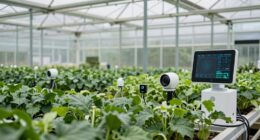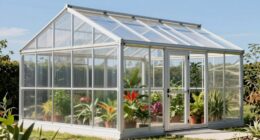
Choosing between starting seeds or buying seedlings depends on your goals and schedule. Starting your own seeds gives you more variety, control, and a rewarding hands-on experience, but it requires time, patience, and proper care. Buying seedlings saves you time and reduces uncertainty, making it ideal for busy schedules or limited space. Both options have benefits; keep exploring to find the best fit for your greenhouse and grow vibrant, healthy plants.
Key Takeaways
- Starting from seeds offers more plant variety and customization, while buying seedlings provides immediate, healthy plants for faster growth.
- Seeds require soil preparation, patience, and pest management, whereas seedlings save time and reduce germination uncertainties.
- Growing from seeds gives hands-on educational value and control over growth conditions; seedlings are ideal for limited schedules.
- Purchasing seedlings ensures healthy, established plants, minimizing early-stage failures common with seed germination.
- Consider space, budget, and desired control level to decide whether seed starting or seedling purchase best fits your greenhouse goals.
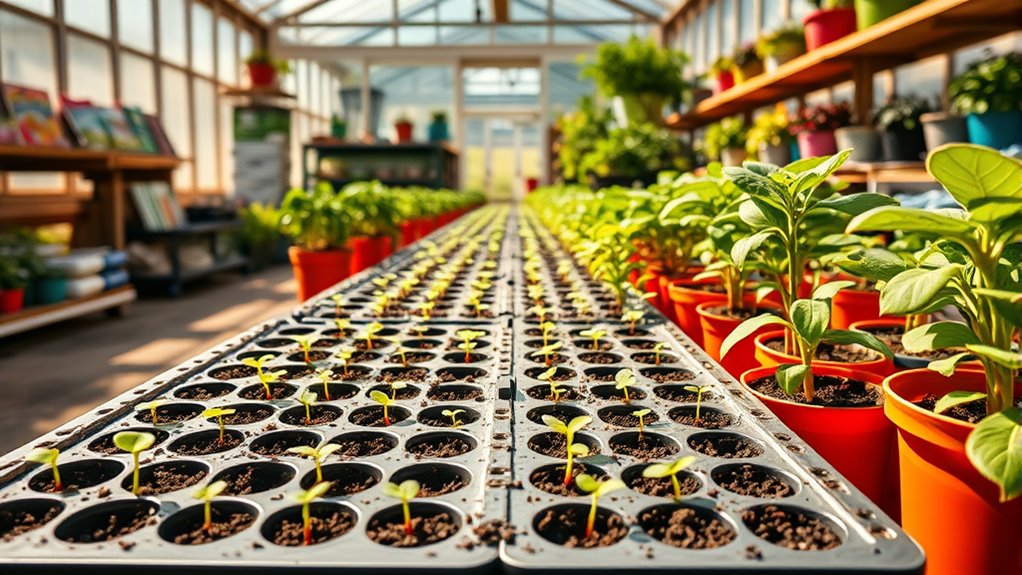
Deciding whether to start your garden from seeds or buy seedlings depends on your goals, experience, and available time. If you’re aiming for a more hands-on approach and enjoy nurturing plants from the very beginning, starting from seeds can be rewarding. It allows you to select from a broader variety of plants and often costs less initially. However, it requires patience, proper soil preparation, and attention to pest management early on. Before sowing, you need to prepare your soil carefully. Make certain it’s well-draining, rich in organic matter, and free of weeds and debris. Proper soil preparation gives your seedlings the best start and helps prevent diseases. Consistent watering and maintaining the right moisture levels are vital during germination and early growth stages. Also, keep an eye out for pests like aphids or fungal issues that can attack tender seedlings. Using organic pest management techniques, such as neem oil or insecticidal soap, can help protect your plants without harmful chemicals. Additionally, using a greenhouse environment can extend your growing season and improve germination success rates, especially for sensitive plants.
On the other hand, buying seedlings can save you time and reduce some of the uncertainties associated with seed starting. When you purchase healthy, established plants, you skip the delicate germination phase, which can be tricky for beginners. This approach is ideal if you have limited space or a busy schedule. With seedlings already in the ground, you can focus more on nurturing and pest management rather than soil prep and early care. Still, it’s essential to select healthy plants from reputable sources. Look for vibrant, sturdy stems and healthy leaves, and avoid any with signs of pests or disease. Once in your greenhouse, you’ll need to continue pest management diligently, inspecting regularly for pests or signs of stress. Mulching around your seedlings can help regulate soil moisture and prevent weeds, which compete with your plants for nutrients and water. Proper pest management remains vital regardless of whether you start from seeds or buy seedlings, as pests can quickly damage or destroy your crops if left unchecked.
Ultimately, your choice depends on how much time and effort you’re willing to invest initially. Starting from seeds offers a rewarding process and greater control over plant variety, but it demands more soil preparation and pest management vigilance. Buying seedlings simplifies the process, reduces initial time investments, and still allows you to enjoy a thriving greenhouse garden. Whichever route you choose, staying attentive to soil health and pest control will set your plants up for a productive season.
Frequently Asked Questions
Which Method Is More Cost-Effective Long-Term?
Starting seeds is more cost-effective long-term because it offers better cost savings and higher investment return. By growing your own seedlings, you reduce expenses associated with buying mature plants repeatedly. Although initial setup costs may be higher, you’ll save money over time as seedlings grow into healthy plants, maximizing your greenhouse’s productivity. This approach ultimately provides a greater return on your investment, making it the smarter financial choice for sustained greenhouse success.
How Do I Choose the Right Seeds or Seedlings?
Surprisingly, choosing the right seeds or seedlings isn’t rocket science, but it does require attention. You want seeds with high seed viability and strong germination rates to ensure healthy growth. Opt for reputable sources and check packet dates to avoid old or low-quality seeds. For seedlings, look for healthy, vigorous plants with good root systems. Trust your senses—healthy, lively plants are your best bet for a thriving greenhouse.
What Are the Best Crops for Starting From Seed?
The best crops for starting from seed include tomatoes, peppers, basil, and lettuce. These plants handle seedling transplantation well and develop strong roots early, reducing the risk of seedling diseases. Starting these crops from seed permits you to control conditions and guarantee healthy growth. Just keep your seedlings protected from diseases like damping-off, and provide adequate light and moisture to ensure robust plants ready for transplanting into your greenhouse.
How Much Space Do Seedlings Require Compared to Seeds?
Seedlings need more space than seeds because of their growth stage. Typically, you should follow recommended seedling spacing, usually about 2-4 inches apart, depending on the crop. When planting seeds, keep seed depth appropriate to each plant’s needs, often just a fraction of an inch deep. As seedlings grow, make certain they have enough room to develop strong roots and healthy stems, preventing overcrowding and promoting better growth.
What Are Common Mistakes When Starting Seeds Indoors?
Watch out for common mistakes when starting seeds indoors—they can sabotage your entire effort. Failing to maintain proper moisture levels can lead to seedling diseases or poor seed germination. Overwatering or letting soil stay too damp invites mold and fungi, while under-watering hampers growth. Keep humidity balanced, provide adequate light, and avoid overcrowding to guarantee healthy seedlings. Ignoring these details might mean starting over, risking your greenhouse’s success.
Conclusion
Ultimately, whether you start seeds or buy seedlings, your greenhouse is the canvas for your gardening masterpiece. Starting from seed gives you control and the thrill of growth, while buying seedlings offers speed and convenience. Think of it as choosing between planting a seed and tending a sprout—each path has its own charm. Whichever route you take, your greenhouse will flourish with patience and care, turning your gardening dreams into a vibrant reality.