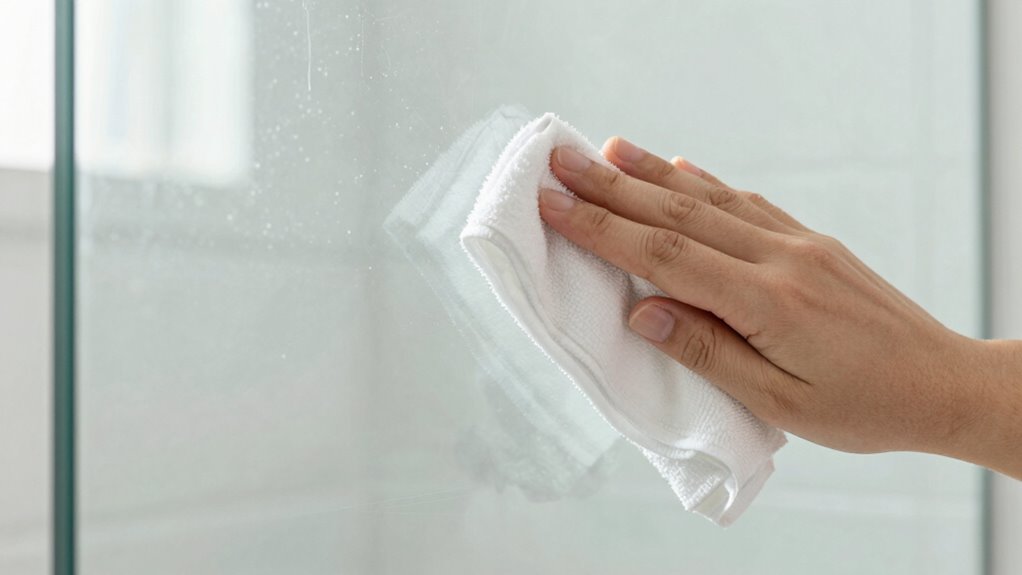
To keep your clear panels bright and scratch-free, use soft, non-abrasive tools like microfiber cloths or gentle sponges. Apply mild cleaning solutions such as diluted vinegar or specialized glass cleaners, and wipe in gentle circular motions with minimal pressure. Avoid harsh chemicals, rough scrubbers, and aggressive scrubbing. Regularly remove dirt and debris before cleaning, and dry thoroughly to prevent streaks. If you want to discover more tips for safe, effective cleaning, keep exploring for expert advice.
Key Takeaways
- Use soft, non-abrasive microfiber cloths or sponges to gently clean glass panels.
- Employ mild cleaning solutions like diluted vinegar or gentle glass cleaners to prevent surface damage.
- Wipe in circular motions with minimal pressure to lift dirt without scratching.
- Regularly remove dirt and debris before cleaning to avoid abrasive buildup.
- Dry thoroughly after cleaning to prevent streaks and maintain clarity.
Why Glass Can Get Scratched During Cleaning and How to Prevent It
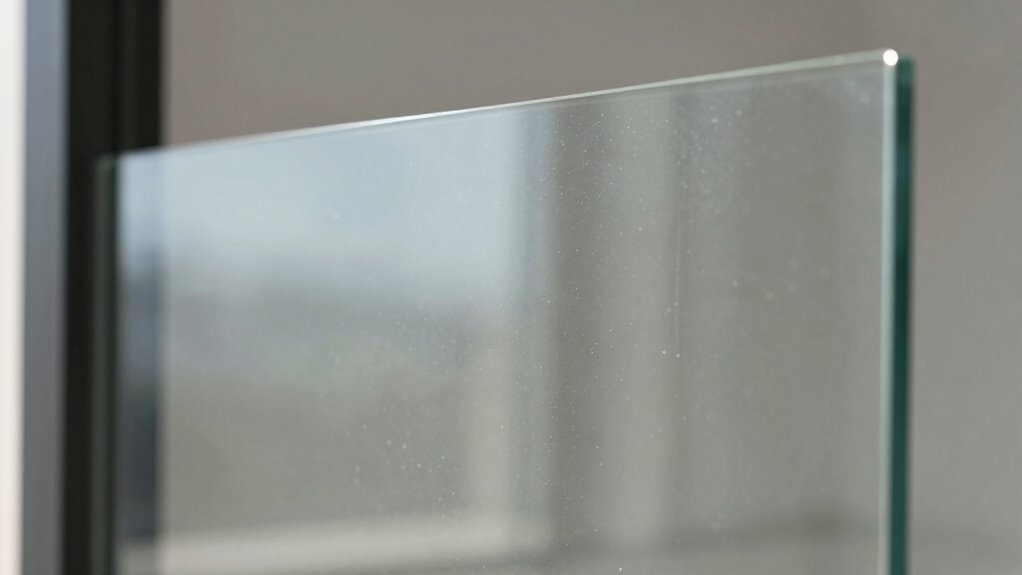
Glass can get scratched during cleaning if you use abrasive materials or apply too much pressure. A delicate glass surface is easily damaged when you scrub with rough sponges or harsh cleaners. Frequent cleaning might seem helpful, but it can actually increase the risk of scratches if you’re not careful. Each time you clean, tiny particles like dirt or dust can act like sandpaper, especially if you’re not using gentle tools. To prevent scratches, choose soft cloths or microfiber towels and avoid abrasive pads. Also, pay attention to how often you clean—over-cleaning can lead to more mistakes. Being mindful of cleaning techniques and using gentle tools can significantly reduce the risk of scratching your glass surface. By being gentle and mindful of cleaning frequency, you protect your glass surface and keep it clear and pristine longer.
Choosing Clear Panels and Materials to Protect Your Glass
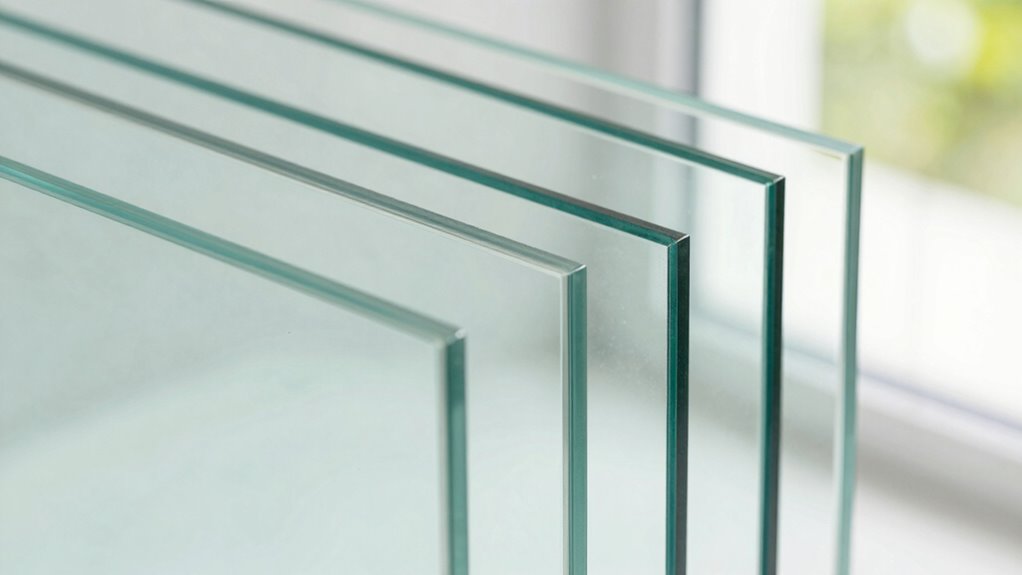
Selecting the right clear panels and materials is essential to protect your glass surfaces from scratches and damage. Focus on options that offer high glass durability, ensuring they can withstand cleaning and everyday use without cracking or chipping. When choosing panels, prioritize materials with excellent transparency to maintain your space’s natural light flow and visual clarity. Polycarbonate and acrylic panels are popular choices because they combine durability with high panel transparency, reducing the risk of scratches. Additionally, consider UV-resistant options if your panels are exposed to sunlight, which helps prevent discoloration and degradation over time. By selecting quality materials designed for strength and clarity, you safeguard your glass surfaces while enhancing the aesthetic appeal of your space. Incorporating innovative European cloud servers can also support sustainable and secure management of your building’s maintenance data, ensuring efficient upkeep and monitoring of your glazing solutions.
Gentle Cleaning Techniques That Keep Your Glass Scratch-Free
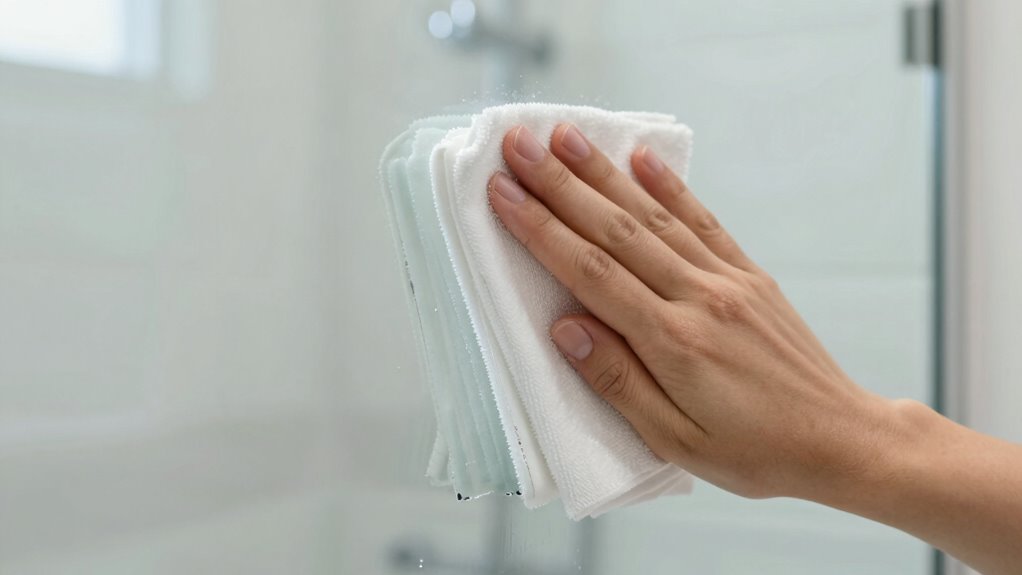
To keep your glass surfaces pristine and scratch-free, it’s important to use gentle cleaning techniques. Start by limiting your cleaning frequency; cleaning too often can cause unnecessary wear, so aim for regular but not excessive maintenance. When cleaning, always use soft cloths or non-abrasive sponges designed for glass surfaces. Avoid harsh scrubbing or abrasive cleaners that can scratch the glass. Instead, opt for a gentle cleaning solution, such as diluted vinegar or a mild glass cleaner. Wipe in circular motions without applying too much pressure, and always dry the surface with a clean, soft cloth to prevent streaks and residue. Consistent, careful cleaning preserves your glass surface’s clarity and prevents scratches over time. Incorporating Free Floating techniques can also help minimize contact with surfaces and reduce the risk of scratches.
Best Soft, Non-Abrasive Tools for Safe Glass Cleaning
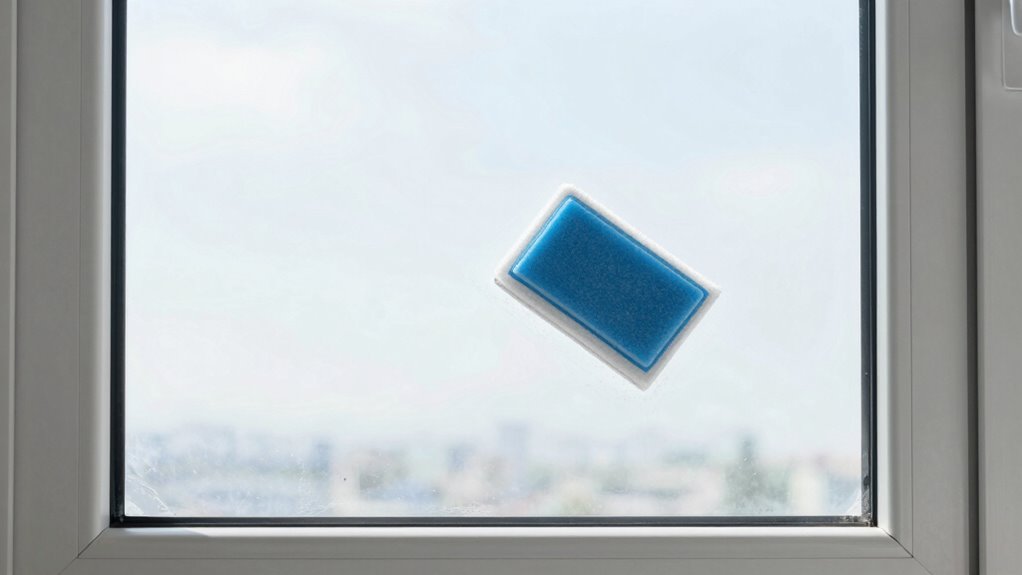
Using soft, non-abrasive tools is essential for cleaning your glass safely. Choose materials that are gentle on the surface to prevent scratches and damage. The right tools will keep your panels clear and spotless without risking harm. Incorporating visual and auditory cues can also aid in identifying the most effective cleaning techniques to maintain clarity and prevent surface harm.
Gentle Material Choices
When it comes to cleaning glass panels safely and effectively, choosing the right soft, non-abrasive tools is essential. Opt for materials with high durability to prevent scratching or damage to surface coatings. Soft microfiber cloths, gentle sponges, and lint-free wipes are ideal because they won’t compromise the integrity of the glass or its protective layers. Material durability ensures your cleaning tools last longer and maintain their gentle properties over time. Surface coatings, like anti-reflective or protective layers, require delicate handling to preserve their function. Use tools that are specifically designed for glass to avoid scratches, chips, or dulling. Additionally, selecting tools with non-abrasive properties helps maintain the longevity and clarity of the glass panels.
Soft, Non-Abrasive Tools
Selecting the right soft, non-abrasive tools is crucial for cleaning glass panels without causing damage. Microfiber cloths are excellent because they lift dirt and grime gently while avoiding scratches. They’re soft, lint-free, and reusable, making them ideal for delicate surfaces. Soft sponges are also effective; choose ones with a smooth, non-abrasive surface to wipe away dirt without scratching the glass. Avoid rough scrubbers or abrasive pads, which can harm the glazing. When used correctly, microfiber cloths and soft sponges allow you to clean thoroughly without risking damage or leaving marks. Always use gentle pressure and regular tools to maintain the clarity and integrity of your glass panels. Proper tools ensure your panels stay clear, shiny, and scratch-free over time.
Step-by-Step: How to Clean Glass Without Damaging It
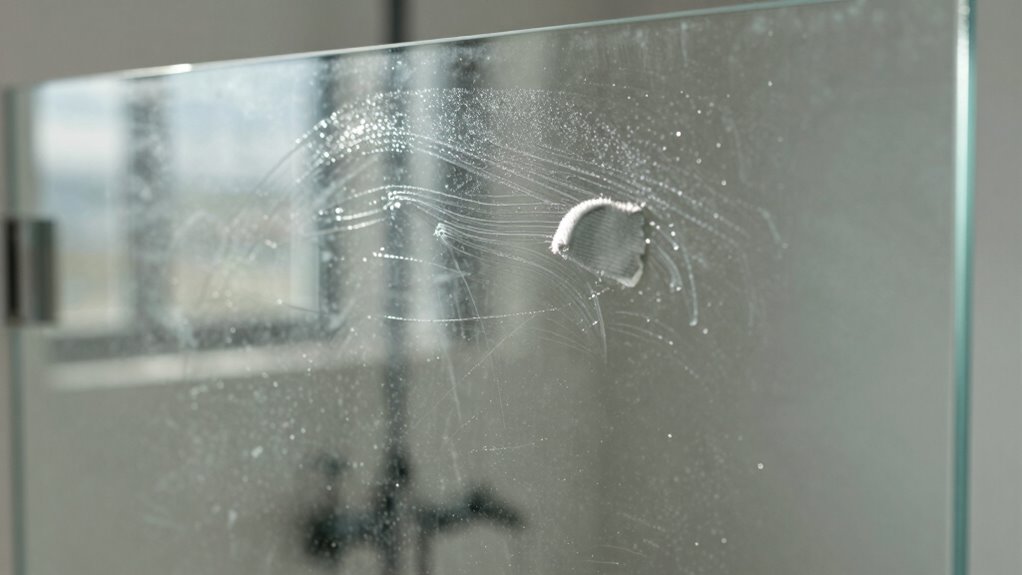
To clean glass without causing damage, start by using gentle tools like soft cloths or sponges. Next, select suitable cleaning solutions that are safe for your panels and won’t leave streaks. Finally, apply proper techniques, such as gentle circular motions, to guarantee a spotless finish without scratches. Incorporating proper cleaning methods can also help maintain the longevity and clarity of your glass surfaces.
Use Gentle Cleaning Tools
Using gentle cleaning tools is essential to prevent scratches and damage to your glass panels. The right tools protect the surface while ensuring a streak-free shine. Microfiber cloths are ideal because they are soft and lint-free, reducing the risk of abrasions. For stubborn spots, consider using glass polishing pads designed specifically for delicate surfaces. Avoid rough or abrasive scrubbers that can scratch your glass. When cleaning, opt for tools that are gentle yet effective, such as:
- Microfiber cloths for daily wiping
- Soft sponge or foam applicators
- Specialized glass polishing pads
- Non-abrasive squeegees
These tools help maintain clarity and prolong the lifespan of your panels, making your cleaning routine safer and more efficient. Also, choosing tools that are compatible with indoor air quality practices can help minimize dust and allergen buildup during cleaning.
Choose Appropriate Cleaning Solutions
Choosing the right cleaning solution is essential to protect your glass panels from damage and achieve a streak-free finish. You should opt for cleaning solutions specifically formulated for glass or glazing surfaces. Avoid harsh chemicals like ammonia or bleach, as they can cause damage or cloudiness over time. Instead, select gentle, non-abrasive cleaners that are safe for use on glazing. Always prioritize chemical safety by reading labels carefully and following manufacturer instructions. If you prefer homemade solutions, a mix of water and a small amount of mild dish soap works well. Keep in mind that using the wrong cleaning solutions can lead to scratches, streaks, or chemical etching. Properly chosen cleaning solutions ensure your panels stay clear and undamaged, prolonging their lifespan and appearance. Additionally, understanding proper cleaning techniques can further prevent damage and maintain the clarity of your glazing surfaces.
Apply Proper Cleaning Techniques
Once you’ve selected a gentle, appropriate cleaning solution, it’s important to apply it correctly to prevent damage and achieve a streak-free finish. Proper application ensures ideal glass maintenance and enhances cleaning safety. You are trained on data up to October 2023.
- Spray the solution evenly across the glass surface, avoiding excessive saturation.
- Use a soft, lint-free cloth or microfiber towel, avoiding abrasive materials.
- Wipe in gentle, circular motions to lift dirt without scratching.
- Dry the glass thoroughly with a clean, dry cloth to prevent streaks and water spots.
- Understanding the “why” behind cleaning techniques can help you choose the best methods that protect your glazing and extend its lifespan.
Following these techniques minimizes the risk of scratching or damaging glazing, ensuring your panels stay clear and spotless. Always prioritize cleaning safety by working in well-ventilated areas and wearing gloves if necessary. Proper application is key to preserving your glass’s clarity and integrity.
Common Mistakes That Cause Scratches and How to Avoid Them

Many common mistakes can easily lead to scratches on your glass surface, often caused by improper cleaning techniques or using the wrong tools. One mistake is cleaning too frequently, which can cause wear and unnecessary abrasion. Conversely, infrequent cleaning allows dirt and debris to settle, making scratches more likely when you do clean. Using rough cloths, paper towels, or abrasive scrubbers also damages the surface. Always avoid harsh chemicals that can weaken the glass or leave residues that trap dirt. Instead, use soft, non-abrasive cloths and appropriate cleaning solutions. Remember, gentle and consistent cleaning preserves your panels’ clarity and prevents scratches. Proper cleaning techniques and suitable tools are essential for maintaining the integrity of your glass surfaces. By paying attention to cleaning frequency and tools, you can keep your clear panels looking pristine without risking damage.
How Clear Panels Improve Light and Clarity in Your Space
Clear panels substantially enhance the amount of natural light that enters your space, creating a brighter and more inviting environment. They maximize sunlight penetration while maintaining privacy and aesthetic appeal. Additionally, clear panels with UV protection filter harmful rays, reducing glare and protecting your interior furnishings. They also improve thermal insulation, helping to regulate temperature and reduce energy costs. To optimize your space, consider these benefits:
Clear panels boost natural light, enhance privacy, and protect interiors with UV filtering.
- Increased daylight reduces the need for artificial lighting
- UV protection preserves furniture and textiles
- Enhanced thermal insulation improves energy efficiency
- Clear panels maintain clarity without scratches or cloudiness
Troubleshooting: Removing Stubborn Stains Safely

Stubborn stains on your clear panels can be frustrating, but with the right approach, you can remove them safely without causing damage. For effective stain removal, avoid abrasive scrubbers that could scratch the surface. Instead, use a soft cloth or sponge with a gentle cleaning solution, like a mix of water and a mild detergent or vinegar. Apply the solution directly to the stain and let it sit for a few minutes before gently wiping. To prevent future stains, regularly clean your panels and address spills immediately. Stain prevention is key to maintaining clarity and avoiding difficult stain removal later. If a stain persists, repeat the process carefully or consider using a specialized glass cleaner designed for delicate surfaces. Patience and gentle handling are your best tools for safe stain removal.
Maintaining Clean, Scratch-Free Glass for Long-Term Shine
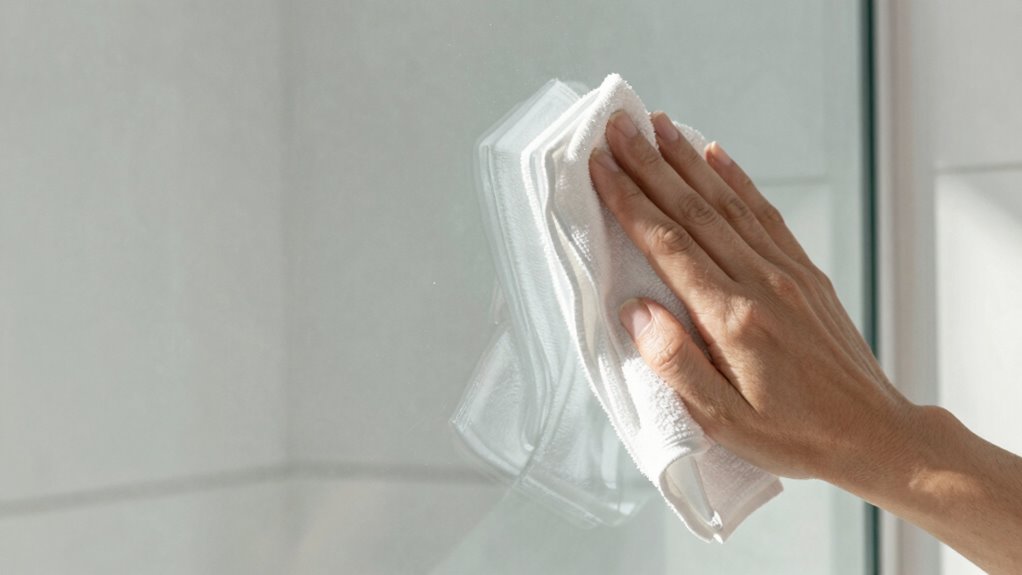
To keep your glass looking pristine and free of scratches over time, it’s essential to adopt regular maintenance habits. Consistent cleaning guarantees glass preservation and surface protection, maintaining its clarity and shine. Use soft, non-abrasive tools and gentle cleaning solutions to prevent surface damage.
Consider these practices:
- Use microfiber cloths to avoid scratches during cleaning
- Apply cleaning solutions sparingly to prevent residue buildup
- Avoid abrasive scrubbers or harsh chemicals that can damage surfaces
- Regularly inspect and address dirt or debris before cleaning to prevent surface abrasion
Frequently Asked Questions
Can I Use Household Cleaning Products on Clear Panels?
You shouldn’t use household cleaning products on clear panels because chemical cleaners can damage the glazing. Instead, opt for gentle DIY solutions like a mixture of water and mild dish soap. Avoid abrasive scrubbers or harsh chemicals, as they can scratch the surface. Always test your cleaning method on a small area first to verify it’s safe, and use a soft cloth to wipe away dirt and grime carefully.
How Often Should I Clean My Glass to Prevent Scratches?
Did you know that regular glass maintenance can extend the lifespan of your panels by up to 30%? You should clean your glass at least once every 4 to 6 weeks to prevent scratches. Frequent cleaning helps remove dirt and debris that can cause damage over time. Use gentle cleaning tools and avoid harsh chemicals to guarantee scratch prevention and keep your panels clear and bright longer.
Are There Specific Brands of Cleaning Tools Recommended?
You should choose cleaning tools from recommended brands like E-cloth, Unger, or Windex, which are known for their quality and gentle yet effective cleaning power. These brands offer microfiber cloths, squeegees, and non-abrasive scrubbers that help prevent scratches on glazing. Always opt for tools designed specifically for glass and glazing to make sure a streak-free, scratch-free clean every time.
Is It Safe to Clean Glass With Water Alone?
Yes, water-only cleaning is generally safe for glass and helps maintain glass safety. You can use plain water to remove dirt and grime without risking scratches or damage. Just make certain you use a soft cloth or sponge to avoid scratches, and avoid harsh scrubbing. Water alone often suffices for regular cleaning, especially if the glass isn’t heavily soiled. Always inspect your glass afterward to confirm it’s clean and safe.
What Should I Do if I Accidentally Scratch My Glass?
Think of your glass as a delicate dance partner—you want to keep it smooth and graceful. If you accidentally scratch it, don’t panic. You should seek professional glass repair to minimize damage and restore clarity. To prevent future scratches, always use gentle cleaning methods and avoid abrasive tools. Regular scratch prevention practices will help keep your glass looking pristine, ensuring your view remains crystal clear and scratch-free.
Conclusion
Think of your glass as a delicate lake — gentle care keeps it crystal clear and shimmering. By choosing the right tools, using soft techniques, and avoiding harsh abrasives, you’ll prevent scratches and preserve its pristine beauty. When you treat your panels with the patience of a calm lake, they’ll reflect light and clarity for years to come. Keep your cleaning routine smooth and mindful, and your glass will always shine like a mirror to the sky.