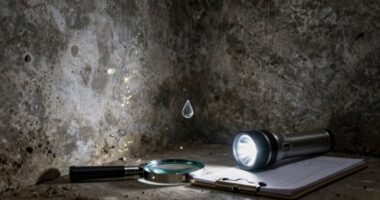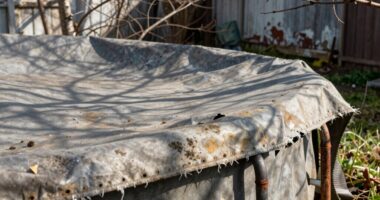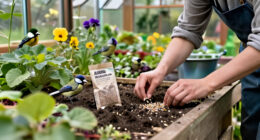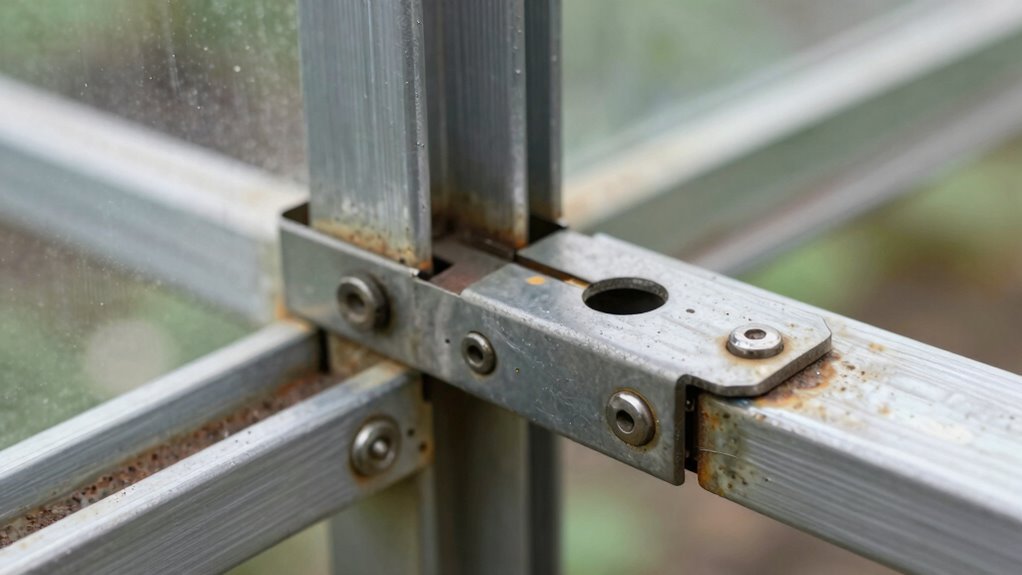

To spot wear in greenhouse hardware and moving parts quickly, regularly examine all components for unusual movement, noises, or looseness. Look closely for rust, corrosion, or deformation, especially around hinges, gears, and tracks. Check for pest activity, such as chewed wires or droppings, which can cause damage. Keep the area clean and remove debris to prevent hidden issues. If you continue, you’ll find more tips to maintain your equipment’s performance and longevity.

Get garden gear delivered free with Prime
- Fast, free delivery on millions of items
- Prime Video, Amazon Music and more included
- Member-only deals all year
Key Takeaways
- Conduct quick visual inspections for signs of rust, corrosion, or deformation on hardware components.
- Listen for unusual noises or movement indicating loose or worn moving parts.
- Check for soil erosion or structural shifts around hardware foundations.
- Look for pest indicators like chewed wires, nests, or droppings near hardware areas.
- Ensure lubrication is clean and intact, and verify hardware alignment during routine checks.
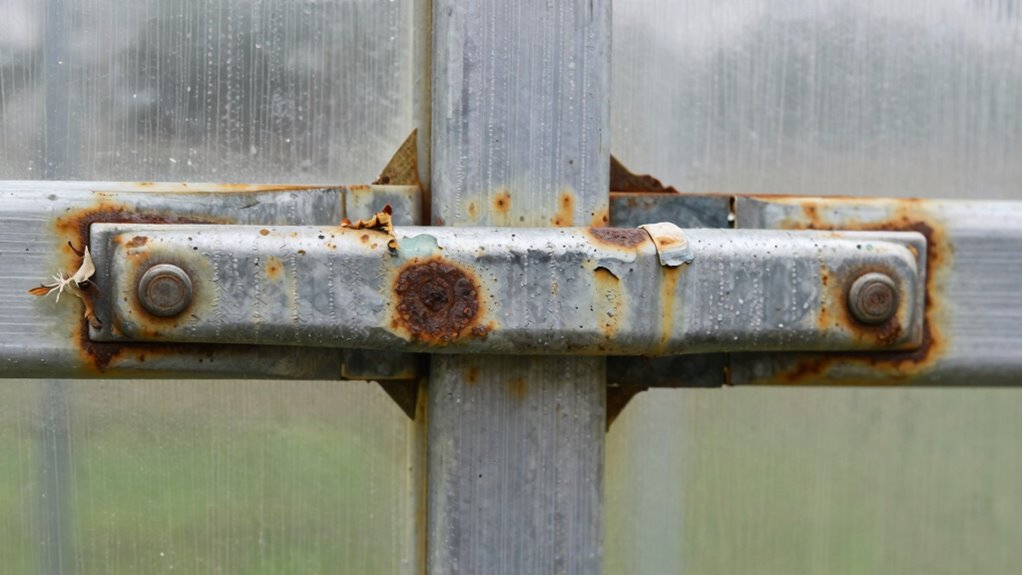
Regularly inspecting your greenhouse hardware and moving parts is vital to prevent costly breakdowns and guarantee smooth operation. When you stay vigilant, you can catch issues early before they escalate into major problems. One of the most common signs of wear is unusual movement or noise in the hardware, indicating that parts may be loosening or wearing down. Keep a close eye on hinges, gears, and tracks for signs of rust, corrosion, or deformation. These issues not only impair functionality but can also accelerate wear if left unchecked. Additionally, soil erosion around the foundation can destabilize structures, leading to misalignment of hardware and increased stress on moving parts. Addressing soil erosion promptly helps maintain structural integrity and reduces unnecessary strain on mechanical components.
Beyond physical damage, pest infestation is another essential threat to your greenhouse equipment. Pests can gnaw on wiring or rubber seals, causing hidden damage that compromises the hardware’s performance. Regularly inspecting for signs of pests—such as chewed wires, nests, or droppings—lets you act quickly before infestations worsen. Pest activity can also attract moisture and debris, which contribute to corrosion and accelerate wear. To prevent this, keep the greenhouse environment clean and sealed, and schedule routine pest control treatments. When inspecting, pay particular attention to areas where moving parts connect or are exposed to the elements, as pests can exploit small gaps or cracks.
A proactive approach involves routine lubrication of moving parts to reduce friction and wear. Proper lubrication minimizes the risk of parts seizing or wearing unevenly, which can lead to costly repairs or replacements. During inspections, look for signs of dried or flaking lubricant—these indicate it’s time for a fresh application. Also, check for any misalignment or looseness in hardware components, which can cause uneven stress and accelerate damage. If you notice any irregularities, tighten or replace parts immediately to prevent further wear. Additionally, understanding the importance of hardware maintenance can help you develop a comprehensive inspection schedule to ensure all components remain in optimal condition.
Finally, maintaining a clean environment is indispensable. Debris such as leaves, dirt, and plant matter can hide signs of wear and foster pest infestations. Regularly sweep and clean around moving parts and hardware to spot early signs of damage, corrosion, or pest activity. By integrating these quick, thorough inspections into your routine, you’ll stay ahead of costly breakdowns, extend the lifespan of your equipment, and keep your greenhouse running smoothly.
greenhouse hardware maintenance tools
As an affiliate, we earn on qualifying purchases.
As an affiliate, we earn on qualifying purchases.
Frequently Asked Questions
How Often Should I Inspect Greenhouse Hardware for Wear?
You should inspect your greenhouse hardware for wear at least once a month to guarantee ideal hardware durability. Regular inspections help you catch early signs of wear, like rust or loose fittings, before they cause bigger problems. If your greenhouse faces harsh weather or heavy usage, increase the inspection frequency to bi-weekly. Consistent checks keep your equipment working smoothly, extend its lifespan, and prevent costly repairs down the line.
What Tools Are Best for Detecting Hidden Wear?
Like a detective uncovering clues, you should use sensor technology along with visual inspection to detect hidden wear effectively. Sensors, such as ultrasonic or vibration detectors, reveal subtle changes before they become visible. Combine this with a keen eye for visual inspection to identify cracks, corrosion, or deformation. This dual approach helps you catch wear early, preventing costly failures and ensuring your greenhouse hardware stays in top shape.
Can Environmental Factors Accelerate Hardware Wear?
Yes, environmental factors can greatly accelerate hardware wear. Exposure to moisture, humidity, and temperature fluctuations leads to corrosion, especially if the hardware lacks proper corrosion resistance. Selecting materials with high corrosion resistance and suitable for your environment helps prevent rapid deterioration. Regular inspections and maintenance are essential, but choosing the right materials initially guarantees your greenhouse hardware withstands environmental stressors longer, reducing costly replacements and downtime.
How Do I Prioritize Parts for Maintenance or Replacement?
You should prioritize parts for maintenance or replacement based on their critical role and wear levels. Follow your maintenance schedules diligently, focusing on components showing early signs of wear. Use replacement strategies that address high-risk parts first, especially those essential for operation or safety. Regular inspections help identify which parts need immediate attention, ensuring your greenhouse runs smoothly and prevents costly downtime or failures.
Are There Preventive Measures to Extend Hardware Lifespan?
Yes, you can extend hardware lifespan by implementing preventive measures like regular lubrication techniques to reduce friction and prevent material corrosion. Keep moving parts well-lubricated and inspect hardware routinely for early signs of wear or corrosion. Using protective coatings or corrosion-resistant materials also helps. These proactive steps minimize wear, reduce breakdowns, and guarantee your greenhouse hardware remains in peak condition longer.
Conclusion
By regularly inspecting your greenhouse hardware and moving parts, you become a vigilant gardener tending to a delicate, living ecosystem. Think of wear as weeds quietly taking root—if you don’t spot them early, they can choke your plants’ growth. Stay proactive, catch issues before they spread, and your greenhouse will flourish like a well-tended garden. Remember, spotting wear early is the secret to keeping everything running smoothly and your plants thriving.
Fall Picks
fall essentials
As an affiliate, we earn on qualifying purchases.