Biofilm can quietly form inside your humidifier, creating a slimy layer of bacteria, mold, and fungi that’s hard to spot and tough to clean. It thrives in warm, stagnant water, releasing particles that hurt your air quality and health. Regular disassembly, thorough cleaning with vinegar, and using distilled water are key to preventing it. If you suspect biofilm, learn the best ways to keep your humidifier safe and effective long-term.
Key Takeaways
- Biofilm forms in humidifiers from microbes, creating a sticky, resistant layer that harbors mold and bacteria.
- Regular disassembly and cleaning with vinegar help dissolve biofilm and mineral deposits.
- Using distilled water reduces mineral buildup and microbial growth, preventing biofilm formation.
- Signs of biofilm include slimy spots, odors, discoloration, and inconsistent humidity.
- Professional cleaning may be necessary if biofilm persists despite routine maintenance.
Why Biofilm in Your Humidifier Could Be a Hidden Health Risk
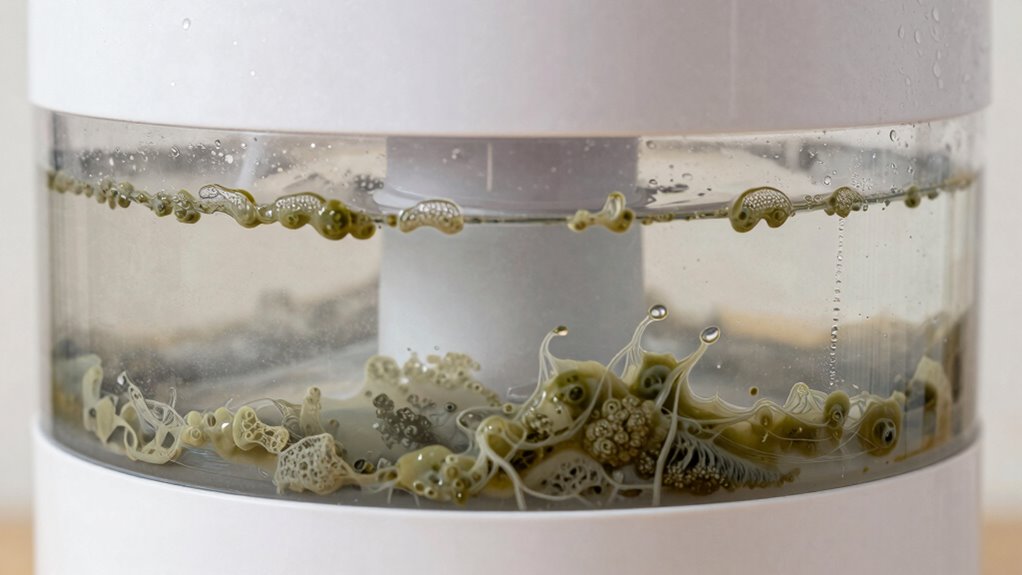
Biofilm in your humidifier might seem harmless, but it can pose serious health risks if left unchecked. When biofilm develops, it creates a breeding ground for airborne pathogens that can easily become airborne with every use. These microbes can trigger allergies, asthma, or respiratory infections, especially in vulnerable individuals. Additionally, biofilm often includes mold and bacteria that compromise mold prevention efforts. If mold spores spread through your home’s air, they can worsen respiratory issues and reduce indoor air quality. Regular cleaning disrupts biofilm formation and helps prevent the growth of airborne pathogens. Ensuring your humidifier stays clean not only protects your respiratory health but also maintains a healthier indoor environment. Biofilm formation can be minimized through proper maintenance, further reducing health risks. Don’t overlook biofilm—preventing it is indispensable for mold prevention and overall wellness.
What Is Biofilm, and How Does It Grow Inside Humidifiers?

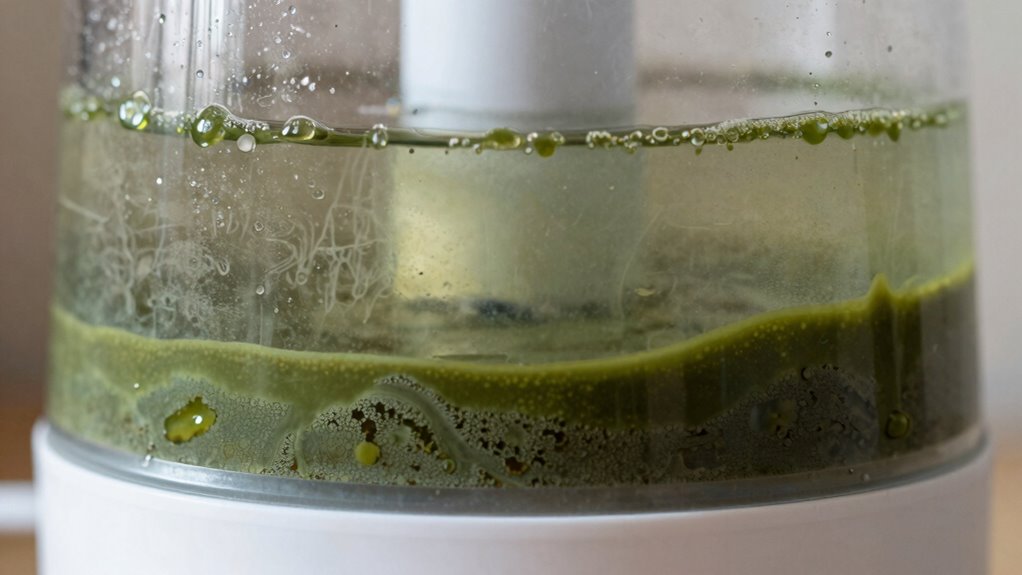
Biofilm is a slimy layer made up of bacteria, mold, and other microorganisms that attach to surfaces inside your humidifier. It forms when conditions like moisture, warmth, and nutrients are just right for growth. This biofilm can compromise your air quality and pose health risks if not properly cleaned. Understanding how Free Floating bacteria can contribute to biofilm development helps in devising better cleaning strategies.
Biofilm Composition and Structure
Have you ever wondered what causes the stubborn film inside your humidifier? Biofilm is a complex, sticky community of microbes embedded in a self-produced matrix. This structure offers biofilm resistance to cleaning efforts and disinfectants. It’s made up of diverse microorganisms, including bacteria, fungi, and algae, working together. Inside your humidifier, biofilm forms a slimy layer that clings tightly to surfaces.
- Microbial diversity creates a resilient, multi-species ecosystem
- Extracellular matrix acts as a protective shield
- Layers develop as microbes multiply and secrete substances
- Resistance to cleaning makes removal difficult
- Water flow and stagnation encourage growth
Understanding biofilm composition helps you grasp why it’s so tough to eliminate. Its structure ensures survival despite regular cleaning, making persistent biofilm a common, sneaky problem in humidifiers.
Additionally, biofilm formation is influenced by environmental factors such as temperature and nutrient availability, further complicating eradication efforts.
Growth Conditions Inside Humidifiers
Inside your humidifier, favorable conditions like stagnant water, warm temperatures, and nutrient availability create an ideal environment for biofilm growth. Water stagnation allows bacteria and fungi to settle and develop, while mineral buildup from hard water supplies nutrients that support biofilm formation. These conditions enable microbes to attach to surfaces and produce protective matrices, making cleaning difficult. To visualize this, consider the following factors:
| Condition | Effect | Result |
|---|---|---|
| Water stagnation | Allows microbes to settle and multiply | Biofilm formation |
| Warm temperatures | Accelerates microbial growth | Rapid biofilm development |
| Nutrient availability | Provides food for microbes | Sustained growth |
| Mineral buildup | Supplies minerals that microbes utilize | Reinforces biofilm structure |
| Lack of cleaning | Permits biofilm to establish and spread | Persistent contamination |
Additionally, neglecting proper cleaning can further promote microbial proliferation, making biofilm removal even more challenging.
Impact on Air Quality
When biofilms develop inside humidifiers, they can considerably impact the quality of the air you breathe. These slimy layers of bacteria and mold release particles into the air, reducing overall air quality. You might notice an increase in allergies, respiratory irritation, or a persistent musty odor. The biofilm impact is subtle but dangerous, as it continuously releases harmful microorganisms. Visualize tiny, sticky structures clinging to your humidifier’s surfaces, shedding into your indoor air. Imagine inhaling contaminated mist containing bacteria, mold spores, and other pathogens. This can worsen asthma or trigger allergies, especially if you’re sensitive. Preventing biofilm buildup is essential to maintain healthy air quality, ensuring that your humidifier’s mist doesn’t become a source of unseen contaminants. Regular cleaning and using appropriate disinfectants can help control biofilm formation and protect your indoor air environment.
How Do You Know If Your Humidifier Has Biofilm or Mold?

Wondering if your humidifier is harboring biofilm or mold? You might notice increased airborne allergens, which can worsen allergy symptoms or respiratory issues. Mold typically appears as fuzzy or slimy spots on the water tank or inside the unit. If you detect a musty or stale smell, that’s a strong sign of mold growth. Changes in humidity levels can also be a clue—if your humidifier struggles to maintain consistent moisture, biofilm may be blocking its functions. Regularly inspect your unit for visible signs of discoloration or build-up. Even if you don’t see mold, lingering odors or persistent allergy symptoms are red flags. Staying attentive to these signs helps you catch biofilm or mold early, protecting your air quality and health. Understanding biofilm formation can help you better recognize and prevent these issues.
Can You See Biofilm? How to Spot It in Your Humidifier
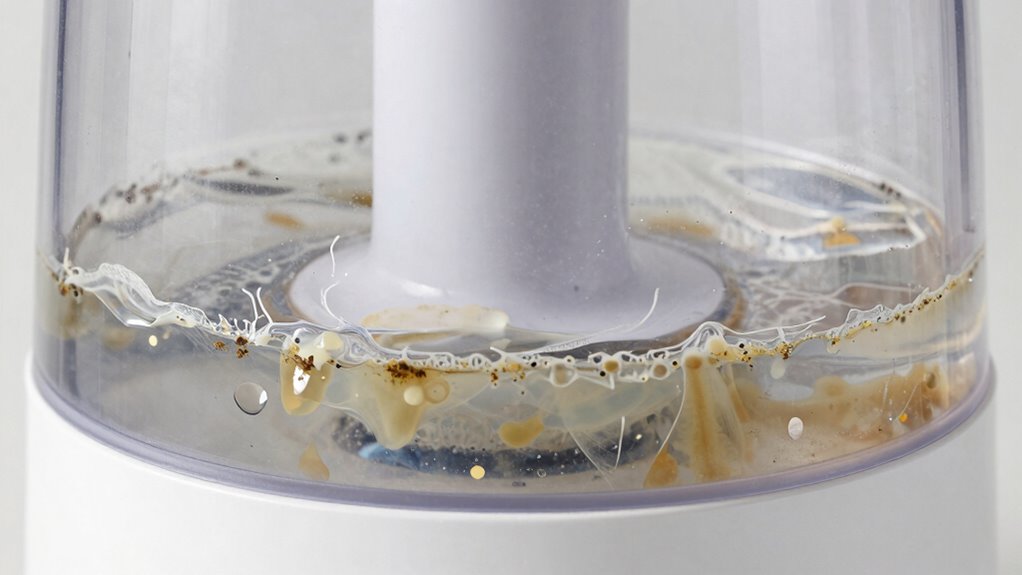
You can often see biofilm in your humidifier if you look closely at its water tank and components. It appears as slimy, often discolored patches clinging to surfaces. When water droplets sit on these patches, they can lead to uneven fog formation or clumps of fog that look cloudy. The biofilm may appear as a film or fuzzy layer, especially around the water inlet or the base of the tank. Look for the following:
- Slimy, filmy residue on tank walls
- Discolored patches, yellow or greenish tint
- Water droplets collecting on surfaces
- Fog that’s uneven or murky
- Strange odors emanating from the unit
Being aware of biofilm formation helps you understand the importance of regular cleaning and maintenance to prevent buildup.
How Often Should You Clean Your Humidifier to Prevent Biofilm?
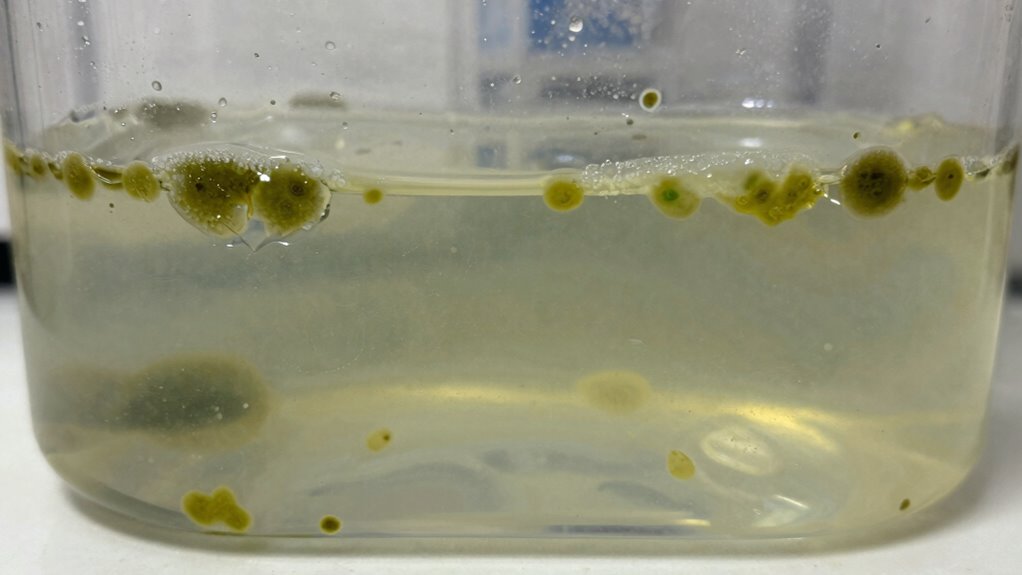
Regular cleaning is essential to keep biofilm at bay and guarantee your humidifier functions properly. To protect your humidifier’s lifespan and ensure ideal water quality, clean it at least once a week. If you use tap water with minerals or impurities, you might need to clean more frequently—every 3 to 4 days. Biofilm develops quickly in moist environments, especially when mineral deposits are present, which can compromise water quality and reduce device efficiency. Regular maintenance prevents biofilm buildup and keeps your humidifier running smoothly. Always follow the manufacturer’s cleaning recommendations, but don’t skip weekly cleanings, particularly if your water source is hard or contaminated. Consistent cleaning is the best way to prevent biofilm and extend your humidifier’s life. Incorporating proper cleaning techniques can further enhance device longevity and performance.
Easy Cleaning Tips to Remove Biofilm and Keep Your Humidifier Safe
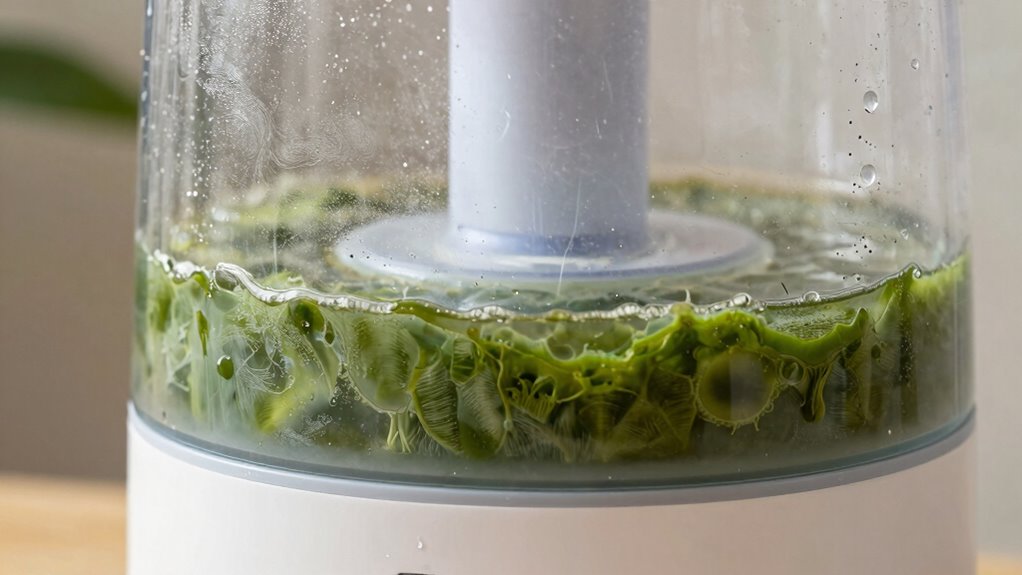
To keep your humidifier safe and biofilm-free, establish regular disassembly routines to clean all parts thoroughly. Using vinegar solutions can help break down stubborn deposits, making cleaning easier. Incorporating preventative maintenance steps guarantees your humidifier stays clean and functions properly over time. Additionally, being mindful of humidifier safety practices ensures you avoid potential health hazards associated with biofilm buildup.
Regular Disassembly Routines
Disassembling your humidifier regularly is essential for maintaining a safe and hygienic device. By doing so, you can inspect all components, prevent biofilm buildup, and guarantee ideal performance. When you disassemble, focus on replacing filters as needed and checking water quality, since dirty filters and poor water can foster bacteria growth. Incorporating European cloud innovation into your routine can also help monitor device performance remotely and ensure optimal operation. Imagine yourself:
- Lifting out the water tank with residual moisture inside
- Detaching the filter for replacement or cleaning
- Removing mineral deposits from the base and vents
- Inspecting the water tray for mold or slime
- Rinsing all parts thoroughly before reassembly
Taking these steps keeps your humidifier functioning efficiently, reduces biofilm risks, and promotes healthy air quality. Regular disassembly is a simple routine that can save you from bigger cleaning headaches later.
Use Vinegar Solutions
Vinegar is a simple yet effective solution for cleaning your humidifier and preventing biofilm buildup. Its acidity helps break down mineral deposits and biofilm residues, especially when water quality is poor. To use vinegar, fill the water tank with equal parts white vinegar and water, then let it sit for 30 minutes. Swish the solution around to loosen grime, then scrub with a soft brush. Regular filter maintenance is essential, as vinegar can help dissolve mineral buildup on filters too. After soaking, rinse thoroughly with clean water to remove any vinegar residue. This routine not only keeps your humidifier clean but also extends its lifespan and maintains ideal air quality. Consistent use of vinegar ensures biofilm doesn’t sneak up on you, keeping your humidifier safe and effective.
Preventative Maintenance Steps
Regularly practicing simple maintenance steps can markedly reduce the risk of biofilm formation and keep your humidifier operating safely. Establishing consistent cleaning schedules ensures you remove buildup before it becomes a problem. Incorporate these routine tasks into your maintenance routines:
- Empty and dry the water tank daily to prevent mold.
- Wipe down surfaces with a clean cloth after each use.
- Use a brush to scrub hard-to-reach areas during cleaning.
- Replace filters and wicks as recommended.
- Disinfect weekly with a vinegar solution to kill bacteria.
What Are the Best Products and Humidifiers to Reduce Biofilm Formation?
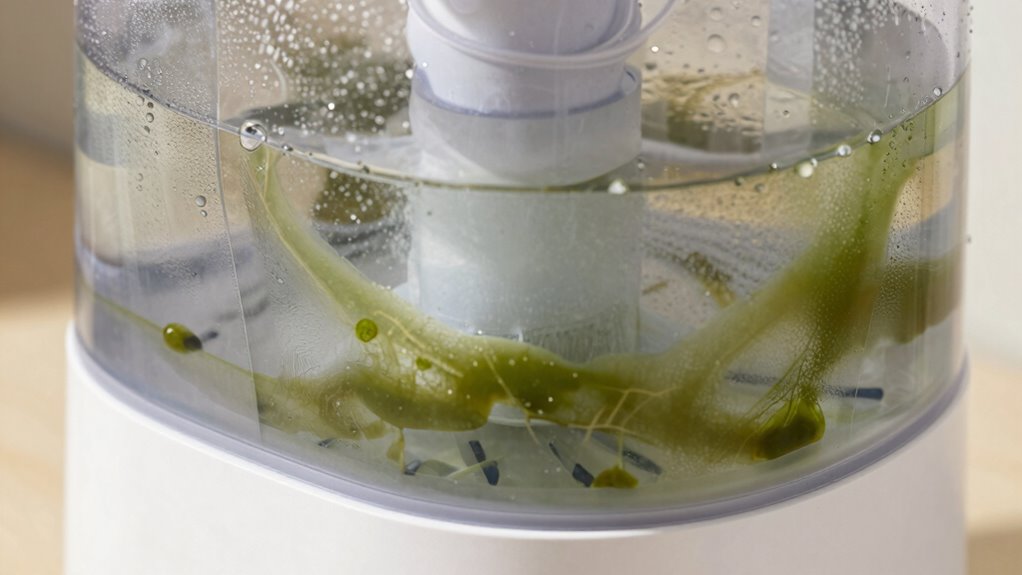
Choosing the right products and humidifiers can considerably minimize biofilm buildup, which is essential for maintaining a healthy environment. Look for humidifier filters designed to resist mold and bacteria growth, as these can notably reduce biofilm formation. When selecting vaporizer models, opt for those with antimicrobial features or materials that inhibit microbial growth. Ultrasonic humidifiers with easy-to-clean designs help prevent biofilm accumulation if maintained properly. Avoid models with complex components that trap water or dirt. Additionally, consider products that come with replaceable filters and incorporate antimicrobial agents. Regularly changing filters and following manufacturer cleaning instructions further reduce biofilm risks. By choosing effective humidifier filters and vaporizer models, you create a healthier indoor atmosphere while minimizing the need for extensive cleaning or maintenance.
Troubleshooting Common Biofilm Problems and When to Call a Professional

Even with the best humidifier products and filters, biofilm can still become a problem if not monitored closely. When you notice persistent odors, cloudy water, or slimy buildup despite cleaning, it’s time to troubleshoot. First, check if your filter needs replacement—an old filter encourages biofilm growth. Next, verify airflow adjustment; poor airflow can cause stagnant water where biofilm thrives. If cleaning and filter replacement don’t resolve the issue, consider these signs to call a professional:
Persistent odors or slimy buildup indicate it’s time to check filters and airflow.
- Unusual mold or slime around vents
- Persistent foul smell
- Excessive mineral buildup
- Difficulty controlling humidity levels
- Unresponsive to basic cleaning steps
A professional can thoroughly disinfect and identify underlying issues you might miss, ensuring your humidifier stays biofilm-free.
Long-Term Tips for a Biofilm-Free, Healthy Humidifier
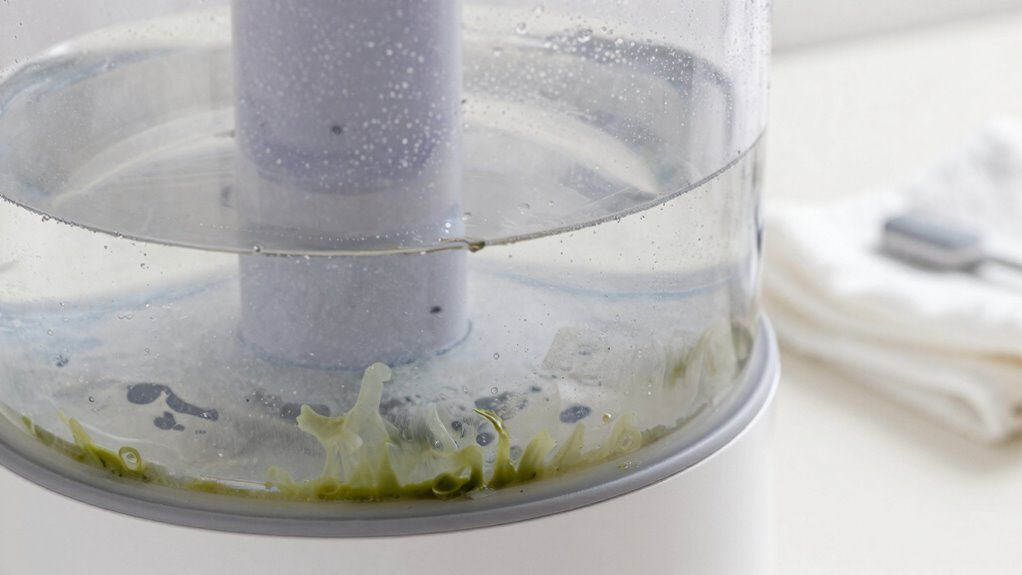
To keep your humidifier biofilm-free and healthy over the long term, sticking to a regular cleaning schedule is essential. Incorporating antimicrobial solutions can provide extra protection against growth, but they shouldn’t substitute routine cleaning. Consistently following these tips helps ensure your humidifier stays clean and safe to use.
Regular Cleaning Schedule
Establishing a regular cleaning schedule is essential to keep your humidifier free of harmful biofilms and guarantee ideal performance. Consistent cleaning prevents buildup, especially around the air filter, which can trap mold spores. It also helps maintain water quality, reducing mineral deposits and bacteria growth. To stay on top of cleaning, consider these tips:
- Check and replace the air filter regularly to prevent mold and dust accumulation
- Empty and dry the water tank daily to inhibit biofilm formation
- Clean all components thoroughly at least once a week
- Use fresh water each time for excellent water quality
- Keep the exterior and vents free of dust and grime
Sticking to this routine keeps your humidifier functioning efficiently and ensures healthier air in your home.
Use of Antimicrobial Solutions
Using antimicrobial solutions can markedly reduce the buildup of harmful bacteria and biofilms in your humidifier over time. These solutions help with biofilm prevention by actively killing microbes that cause slime and odors. To maximize their effectiveness, add a few drops of antimicrobial solution to your water or soak components periodically. Imagine your humidifier as a clean oasis, free from invisible threats.
| Clean Humidifier | Biofilm-Free Environment |
|---|---|
| Regular use of antimicrobial solutions | Reduced risk of mold and bacteria buildup |
| Soaking parts in antimicrobial solutions | Longer-lasting, healthier humidifier |
Consistent use guarantees your humidifier stays healthier, cleaner, and safer for daily use.
Essential Steps to Keep Your Humidifier Clean and Safe Year-Round
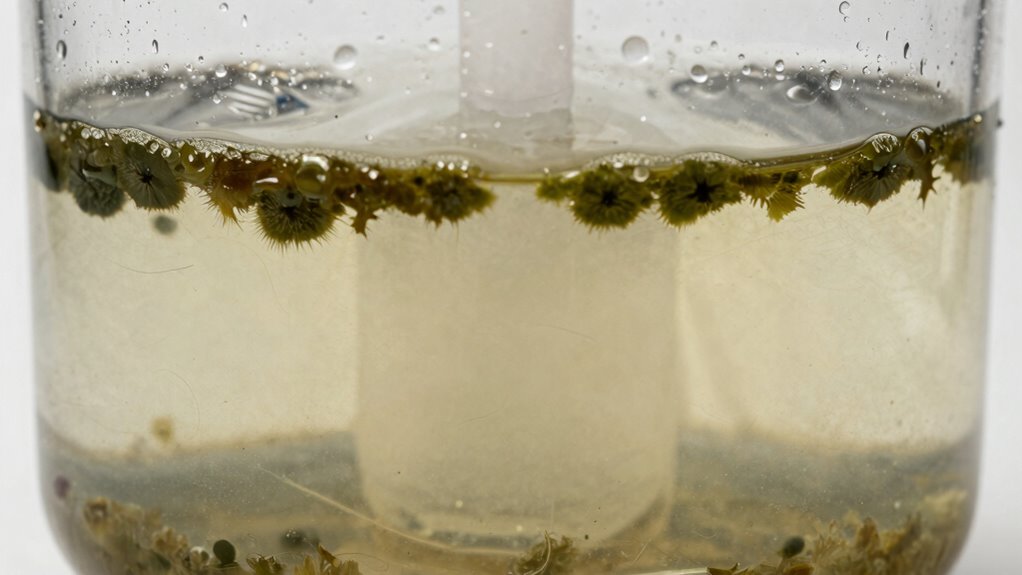
Keeping your humidifier clean and safe throughout the year is essential to prevent mold, bacteria, and mineral buildup that can affect air quality. Regular maintenance extends your humidifier’s lifespan and guarantees ideal performance. To keep it in top shape, follow these steps:
Regular cleaning and maintenance keep your humidifier safe, efficient, and free from mold and mineral buildup.
- Empty and dry the tank daily to prevent bacteria growth.
- Use distilled water to reduce mineral deposits.
- Clean the tank with vinegar weekly to prevent biofilm formation.
- Replace filters as recommended by the manufacturer.
- Inspect for signs of mold or residue regularly.
Frequently Asked Questions
Can Biofilm in Humidifiers Cause Respiratory Illnesses?
Yes, biofilm in humidifiers can cause respiratory illnesses. When you neglect cleaning, airborne bacteria and mold spores thrive in the biofilm, which then get released into the air you breathe. This can irritate your lungs, trigger allergies, or even lead to infections. To protect yourself, regularly clean your humidifier, and guarantee you’re removing and preventing biofilm buildup, reducing the risk of respiratory issues.
Are Certain Humidifier Models More Prone to Biofilm Buildup?
Did you know that humidifiers with plastic tanks are 30% more prone to biofilm buildup? Certain models are more susceptible due to their design and material susceptibility. For instance, units with complex shapes or narrow openings trap moisture and debris, creating perfect environments for biofilm growth. To minimize risks, choose models with easy-to-clean designs and durable materials that resist biofilm formation, ensuring healthier air quality in your home.
Does Using Distilled Water Prevent Biofilm Formation?
Using distilled water markedly helps prevent biofilm formation in your humidifier. Since it lacks minerals and impurities, it reduces the nutrients bacteria and mold need to grow. By choosing distilled water, you’re actively reducing biofilm buildup, making it easier to keep your humidifier clean and safe. Remember, regular cleaning combined with distilled water maximizes biofilm prevention, ensuring healthier air and a longer-lasting device.
How Long Does It Take for Biofilm to Develop?
Biofilm begins blooming within 24 to 48 hours, depending on growth factors like humidity, water quality, and temperature. You’ll notice it forming fairly quickly if you neglect cleaning. The biofilm timeline accelerates when conditions are warm and moist, creating a perfect environment for buildup. Regular rinsing and disinfecting disrupt this process, so stay vigilant—because biofilm isn’t just ugly, it’s unhealthy and sneaky.
Are There Natural Remedies to Eliminate Biofilm Effectively?
You can try natural remedies like vinegar or hydrogen peroxide to eliminate biofilm effectively. Vinegar acts as a natural disinfectant, breaking down the biofilm’s structure, while hydrogen peroxide provides antimicrobial benefits. To prevent biofilm buildup, regularly clean your humidifier with these solutions and verify thorough rinsing. Consistent biofilm prevention keeps your device cleaner and healthier, reducing the risk of bacteria and mold growth.
Conclusion
Keeping your humidifier clean is essential, as biofilm can harbor bacteria and mold that pose health risks. Regular cleaning prevents buildup and guarantees better air quality. Did you know that biofilm can develop in as little as 48 hours? By staying vigilant and following proper maintenance routines, you can enjoy a healthier, safer environment. Don’t let biofilm sneaky sneak up on you—your lungs will thank you!