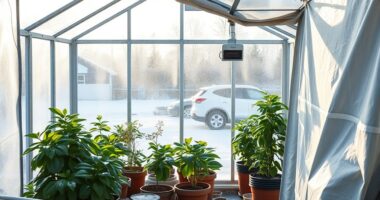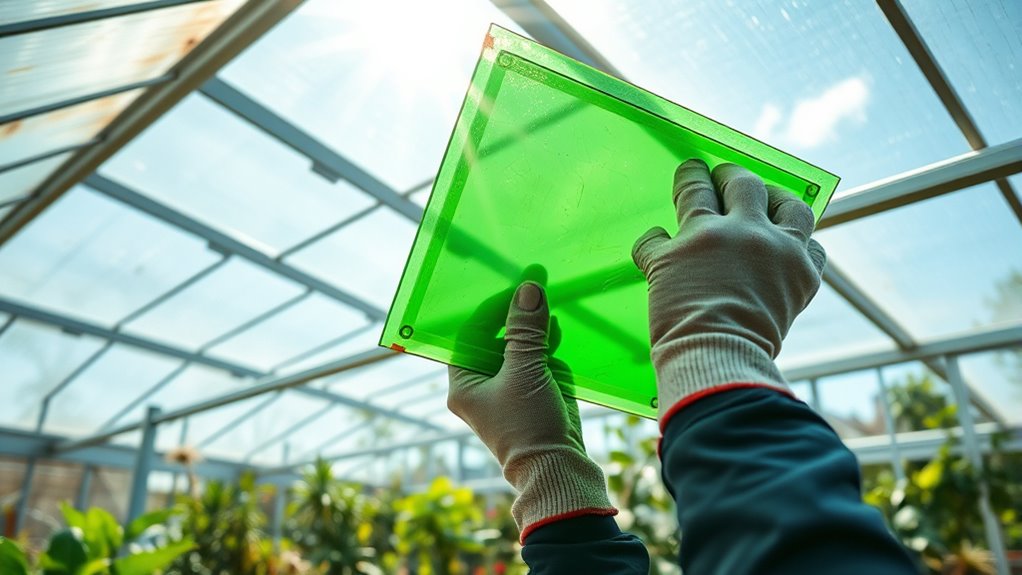
You should replace your greenhouse panels or plastic when you notice cracks, tears, fogginess, or discoloration that reduce light transmission and insulation. Regular inspections help identify deterioration early, guaranteeing your structure remains effective. Choose durable, climate-suitable materials and install them properly to ensure a tight seal. Keeping panels in good condition promotes healthier plant growth, better energy efficiency, and pest prevention. To learn more about the best timing and replacement methods, continue exploring your options.
Key Takeaways
- Regularly inspect panels for cracks, cloudiness, discoloration, or warping to determine if replacement is needed.
- Replace damaged panels promptly to restore insulation, light transmission, and pest barriers.
- Measure panels accurately and select high-quality materials suited for your climate for effective replacement.
- Follow proper installation procedures to ensure a tight seal, optimizing airflow, insulation, and light diffusion.
- Schedule replacements during off-peak seasons to minimize disruption and maximize greenhouse performance.
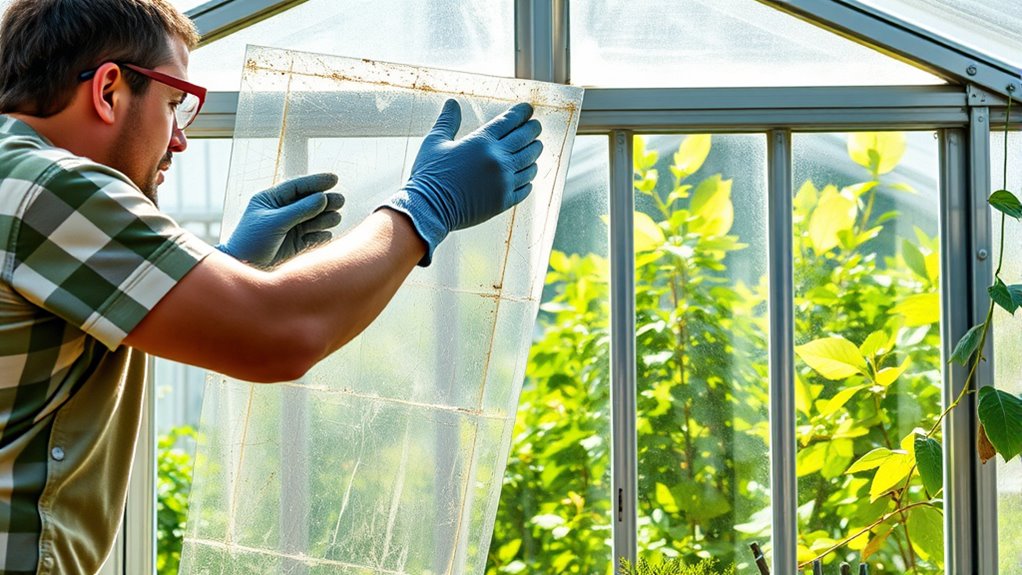
Are your greenhouse panels or plastic covering showing signs of wear or damage? If so, it’s time to contemplate replacing them to maintain a healthy growing environment. Damaged panels can lead to compromised insulation, reduced light transmission, and increased energy costs. Plus, they can pose risks for pests seeking entry, making pest prevention more difficult. Replacing your greenhouse coverings isn’t just about aesthetics; it’s a strategic move to improve ventilation optimization and keep your plants healthy.
Damaged greenhouse panels hinder insulation, light, and pest prevention—timely replacement ensures healthy, secure, and efficient growing conditions.
When you notice cracks, tears, or cloudiness in your panels, don’t delay. Damaged coverings can restrict airflow and reduce the effectiveness of natural ventilation, which is vital for controlling humidity and temperature. Proper ventilation optimization ensures that your plants get fresh air while excess moisture is vented out, reducing the risk of mold and fungal diseases. Fresh, intact panels help maintain consistent internal conditions, making it easier for you to regulate temperature and humidity levels. This stability not only promotes healthy plant growth but also discourages pests that thrive in damp, poorly ventilated environments.
Pest prevention is another key reason to replace worn or damaged panels. Cracks and holes can provide easy access points for insects and rodents, jeopardizing your crop health. When panels are compromised, pests can infiltrate more easily, making your pest control efforts more challenging and costly. Fresh, sturdy coverings act as a barrier, reducing entry points for unwanted visitors. Additionally, newer materials often have improved UV resistance and durability, extending the lifespan of your greenhouse and offering a better return on your investment. Incorporating high-quality materials can also enhance the overall performance of your greenhouse by promoting better light diffusion and longevity.
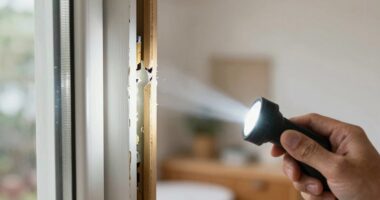
Deciding when to replace involves a careful inspection. Look for signs like discoloration, brittleness, or warping. If panels are foggy or cloudy, it’s a sign that they’re losing transparency, which diminishes light transmission essential for photosynthesis. Damaged panels also tend to be more prone to further deterioration, so replacing them proactively can save you money in the long run. The process is straightforward but requires proper planning. Measure your panels accurately and select high-quality replacement materials suited for your specific climate conditions. Installing new panels correctly ensures a tight seal, further enhancing pest prevention and ventilation.
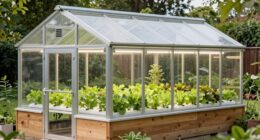
Ultimately, replacing your greenhouse panels or plastic covering is a strategic move to optimize airflow, reduce pest threats, and maintain ideal growing conditions. It’s an investment that pays off by promoting healthier plants, reducing energy costs, and making your greenhouse more secure and efficient. Regular inspections and timely replacements keep your greenhouse in top shape, helping your crops thrive season after season.
Frequently Asked Questions
Can I Replace Greenhouse Panels Myself Without Professional Help?
Yes, you can replace greenhouse panels yourself if you have some DIY installation experience. Make sure to follow safety precautions, such as wearing gloves and eye protection, to avoid injury. Gather the right tools and carefully follow step-by-step instructions for removing old panels and installing new ones. If you’re unsure or working with large or fragile panels, consider consulting a professional to guarantee a safe and proper replacement.
What Tools Are Needed to Replace Plastic Panels Effectively?
You’ll need a tools checklist to tackle the replacement process effectively. Grab a ladder, utility knife, screwdriver, and a tape measure to guarantee precise cuts and fit. A caulking gun can help seal edges, while gloves protect your hands. Having these tools ready streamlines the process, making replacing plastic panels manageable. Coincidentally, with a little effort, you’ll improve your greenhouse’s durability and keep your plants thriving.
How Long Does It Typically Take to Replace All Greenhouse Panels?
Replacing all greenhouse panels typically takes about one to three days, depending on the size of your greenhouse and the number of panels. Your installation timeline can be expedited if you prepare ahead and have the necessary tools ready. You’ll want to allocate enough time for careful removal and secure installation to ensure no leaks or damage. Keep in mind, larger or more complex structures may require additional time for a smooth panel replacement process.
Are There Eco-Friendly Options for Replacing Greenhouse Plastic?
Imagine giving your greenhouse a fresh, eco-friendly coat. You can choose biodegradable plastics that break down naturally, reducing waste. Recycling options are also available, allowing you to repurpose old panels instead of tossing them away. These greener choices help protect the environment while maintaining your greenhouse’s health. Switching to biodegradable plastics or recycling options creates a sustainable cycle, ensuring your gardening efforts nurture both your plants and the planet.
What Are the Signs Indicating It’s Time to Replace the Panels?
You’ll know it’s time to replace your greenhouse panels when you notice significant panel deterioration or UV damage. Cracks, warping, and cloudiness indicate the panels are losing their effectiveness. You might also see reduced light transmission or leaks, which can harm your plants. Don’t wait until they’re completely broken; proactive replacement ensures your greenhouse stays protected and maintains ideal growing conditions.
Conclusion
Remember, a well-maintained greenhouse is like a well-tended garden—thriving when given the right care. Replacing panels or plastic at the right time keeps your plants happy and your space efficient. Don’t wait until leaks or damage become major problems; address issues early, like catching a small crack before it spreads. With timely updates, you’ll keep your greenhouse shining bright, proving that a stitch in time really saves nine.