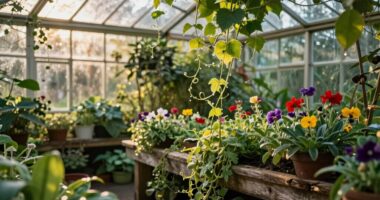
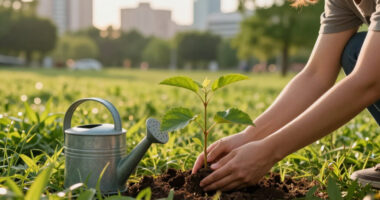
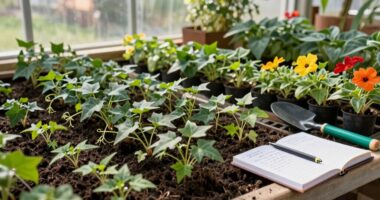
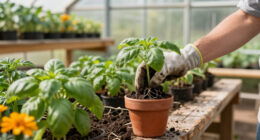
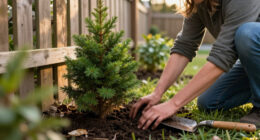
Starting small with community greenhouses is the best way to get everyone involved and build sustainable habits. Focus on simple projects like raised beds or a small plot, using recycled materials and water-saving systems. Invite neighbors and local groups to participate, making it easy to expand gradually. These modest efforts create a strong foundation for larger initiatives. Keep exploring different ideas, and you’ll find plenty of ways to grow your community’s green space effectively.

Get garden gear delivered free — and shop member deals
- Fast, free delivery on millions of items
- Access to Prime Big Deal Days deals on October 6–7
- Prime Video, Amazon Music and more included
Key Takeaways
- Initiate with small-scale projects like raised beds to encourage participation without large investments.
- Focus on simple, eco-friendly designs using recycled materials for easy implementation and sustainability.
- Engage the community early through workshops and collaborative gardening to build ownership and ongoing involvement.
- Incorporate basic sustainability practices such as rainwater harvesting and composting to maximize impact.
- Use small, manageable steps to expand gradually, fostering continuous learning and long-term growth.
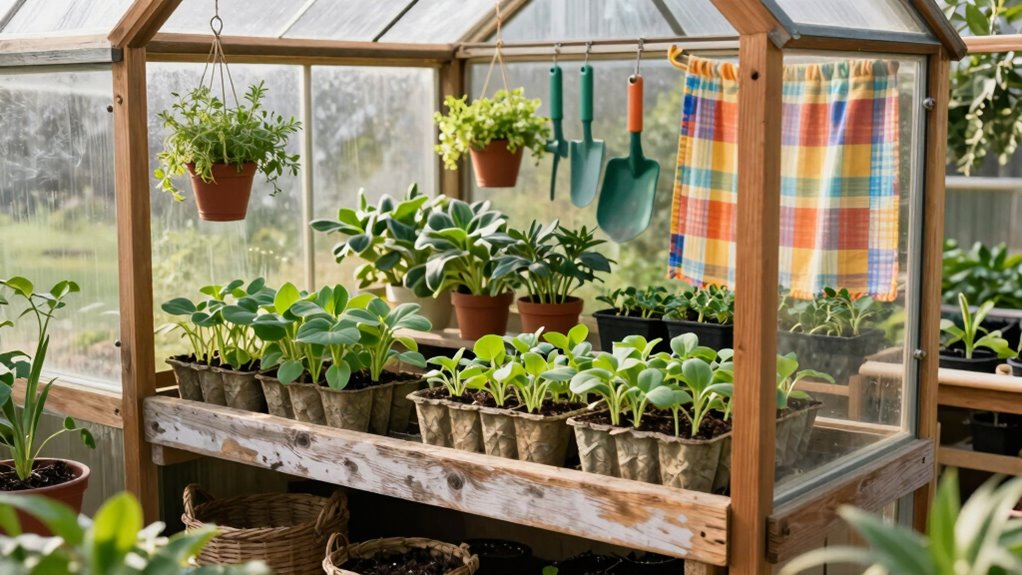
Have you ever wondered how communities can come together to foster sustainable growth and shared greenery? Starting small with a community greenhouse is a powerful way to do just that. You don’t need a massive structure or extensive funds to make a meaningful impact. Instead, focus on simple, achievable ideas that encourage participation and sustainability. One effective approach is to integrate urban farming into your greenhouse project. Urban farming promotes local food production, reduces food miles, and strengthens community bonds. By growing vegetables, herbs, and even small fruits, you’re providing fresh, healthy options for residents while demonstrating sustainable practices that everyone can learn from and replicate.
Starting small with urban farming fosters community, sustainability, and access to fresh, healthy foods.
When planning your community greenhouse, think about sustainability from the outset. Use eco-friendly materials like recycled wood or repurposed glass for the structure. Incorporate rainwater harvesting and composting to reduce environmental impact and teach residents about sustainable practices. These small steps make your greenhouse not just a space for growing plants, but a model for environmentally conscious living. Keep the design simple—perhaps a basic frame with clear panels that maximize sunlight—so you can focus resources on making it functional and accessible. Sustainable practices are essential to ensure the long-term success and positive impact of your project. Building awareness around eco-friendly methods can inspire broader community initiatives and foster a culture of environmental responsibility.
Encourage community involvement from the start. Invite neighbors, local schools, and community groups to help with setup and ongoing maintenance. Keep the scale manageable by starting with a small plot or a few raised beds inside the greenhouse. This way, you avoid feeling overwhelmed and ensure everyone can participate easily. As the community becomes more comfortable with the process, you can expand or add new features, but the foundation remains rooted in small, sustainable efforts. Additionally, establishing community engagement as a core value can enhance participation and foster a sense of ownership among residents. Creating opportunities for collaborative learning can further strengthen bonds and ensure the project’s longevity. Small projects like these can serve as meaningful stepping stones toward larger community-driven sustainability goals.
Another key idea is to focus on education and shared knowledge. Host workshops on urban farming techniques and sustainable practices that anyone can implement at home. These activities foster a sense of ownership and pride while spreading awareness about environmental responsibility. By starting small, you create a welcoming, inclusive space where everyone feels empowered to contribute. Over time, these modest beginnings can grow into a vibrant hub of urban farming activity and sustainable living. Creating a space for ongoing learning and collaboration ensures that the project remains adaptable and relevant to community needs.
Ultimately, the best community greenhouse ideas prioritize sustainability, practicality, and community engagement. Small, carefully planned projects can deliver big benefits—not just in producing food or beautifying the neighborhood, but in nurturing a culture of shared responsibility and environmental consciousness. When you start small, you set the stage for long-term, meaningful growth that everyone can be part of. Remember, community involvement and sustainable practices are the foundation for creating lasting change and a resilient green space.
Frequently Asked Questions
What Are the Initial Costs for Starting a Small Community Greenhouse?
Starting a small community greenhouse for urban farming costs around $1,000 to $5,000, depending on size and materials. You’ll need basic supplies like a sturdy frame, transparent cover, soil, seeds, and watering systems. Focusing on sustainable practices, such as recycled materials and energy-efficient setups, can reduce expenses. Keep initial costs manageable by starting small, and gradually expand as your community gains experience and support.
How Can I Involve Local Residents in Greenhouse Projects?
You can involve local residents in greenhouse projects by creating exciting urban gardening opportunities that spark their interest. Organize volunteer days where neighbors can pitch in, learn, and connect. Use social media to share progress and invite participation. Engage schools and community groups to foster a sense of ownership. This hands-on approach keeps residents invested, ensuring your greenhouse becomes a vibrant hub for shared growth and sustainability.
What Are the Best Beginner-Friendly Greenhouse Plants?
Start with beginner-friendly greenhouse plants like lettuce, herbs, radishes, and tomatoes. These are easy to grow and forgiving for newcomers. To keep your plants healthy, practice simple composting techniques to enrich your soil naturally. Also, stay vigilant with pest management by regularly inspecting plants and encouraging beneficial insects. This approach makes gardening manageable and enjoyable, helping you build confidence and success in your greenhouse endeavors.
How Do I Secure Funding or Grants for a Community Greenhouse?
You can secure funding for your community greenhouse by exploring various fundraising strategies like hosting events, applying for grants, or setting up online crowdfunding. To improve your chances, research grant opportunities specific to community projects and follow grant application tips—such as clearly outlining your project’s benefits, providing a detailed budget, and demonstrating community support. Persistence and a well-prepared proposal will increase your chances of obtaining the necessary support.
What Maintenance Is Required for Small Greenhouses Year-Round?
You need to regularly check and improve greenhouse ventilation to maintain proper airflow and temperature, especially during hot or humid months. Keep pest management in mind by inspecting plants frequently, removing weeds, and using natural deterrents to prevent infestations. Additionally, clean and disinfect tools, monitor for disease, and prune plants to guarantee healthy growth. Consistent maintenance like this keeps your greenhouse productive and sustainable year-round.
Conclusion
Remember, you don’t need a palace-sized estate to make a difference—sometimes, a humble seedling can spark a revolution. Start small, like planting a single tomato patch or repurposing an old shipping container, and watch your community flourish. Think of it as your own version of a Victorian greenhouse—an oasis of growth amid chaos. With patience and dedication, your modest efforts can bloom into a thriving haven for all.
Fall yard work Picks
leaf blowers
As an affiliate, we earn on qualifying purchases.