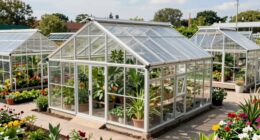
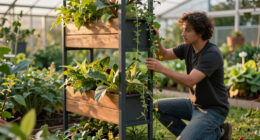
Community greenhouses are essential to urban farming because they give you a space to grow fresh produce, learn sustainable practices, and transform city areas into lush environments. They help you access local food, support biodiversity, and reduce dependence on distant supply chains. These greenhouses also foster neighborhood pride and encourage eco-friendly habits. Keep exploring how these initiatives are shaping the future of sustainable cities and what you can do to get involved.
Key Takeaways
- Community greenhouses support urban farming by providing accessible, controlled environments for year-round crop cultivation.
- They promote sustainable practices and innovative techniques to maximize limited urban space.
- Greenhouses foster local food production, reducing reliance on distant supply chains.
- They serve as educational hubs, raising environmental awareness and gardening skills among residents.
- Greenhouses enhance urban biodiversity and contribute to greener, healthier city ecosystems.

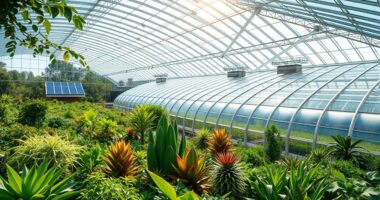
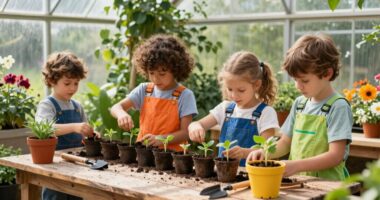
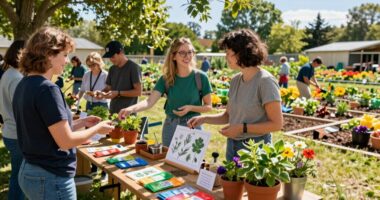
Community greenhouses play a pivotal role in supporting urban farming movements. Unlike traditional farms, these greenhouses are typically located within city limits, making fresh produce accessible to local residents. They act as hubs for education, where you can learn about sustainable farming practices, composting, and plant care. These greenhouses also extend growing seasons, allowing you to cultivate crops throughout the year despite the often harsher outdoor climate. By providing a controlled environment, they enable city dwellers—regardless of space constraints—to experiment with urban agriculture. Additionally, these greenhouses often utilize urban farming techniques, making efficient use of limited space and resources. The impact of community greenhouses and rooftop gardens goes beyond just growing food. They empower individuals to take part in local food production, reducing dependence on distant supply chains. They foster a sense of ownership and pride, as residents see the fruits of their labor bloom right in their neighborhoods. Additionally, these green spaces support biodiversity by providing habitats for pollinators like bees and butterflies, which are crucial for healthy ecosystems. In essence, urban agriculture through rooftop gardens and community greenhouses offers a practical, accessible way to make cities greener and more resilient. You can transform an empty rooftop into a lush garden or volunteer at a community greenhouse to contribute to this movement. These initiatives are changing the way urban residents interact with their environment, proving that even in dense cityscapes, nature can thrive—and you can be part of that positive change.

Backyard Discovery Willow 9' x 6' Cedar Wood and Polycarbonate Walk-in Greenhouse Kit with Exhaust Fan, Windows, Hose Hook-Ups, PowerPort, Staging Shelves for Year-Round Outdoor Gardening
- All-Weather Durability: Withstands heavy snow and high winds
- Industry-Leading Warranty: 5-year warranty included
- Enhanced Insulation: Polycarbonate panels improve heat retention
As an affiliate, we earn on qualifying purchases.
As an affiliate, we earn on qualifying purchases.
Frequently Asked Questions
How Do Community Greenhouses Impact Local Food Security?
Community greenhouses boost local food security by improving urban food access and providing fresh produce year-round. You benefit from sustainable greenhouse practices that reduce environmental impact and increase efficiency. These greenhouses foster community involvement, ensuring everyone has reliable access to healthy food. By supporting greenhouse sustainability, you help create resilient urban food systems that meet local needs, making fresh, nutritious food more available and strengthening community resilience.
What Are the Initial Costs Associated With Establishing a Community Greenhouse?
Building a community greenhouse is like planting a seed—costs start small but grow quickly. You’ll need to contemplate initial expenses like land, materials, and setup, which vary based on size and design. Conducting a thorough cost estimation helps. Funding sources such as grants, donations, or community fundraising can cover these costs. Be prepared for ongoing expenses too, but with careful planning, you can turn the vision into a flourishing reality.
How Do Greenhouses Adapt to Urban Environmental Challenges?
You can adapt greenhouses to urban environmental challenges by leveraging urban microclimates and rooftop insulation. Using reflective materials helps manage heat, while insulation guarantees consistent temperatures despite temperature fluctuations. Incorporate shading to protect plants from intense sunlight, and select materials resistant to pollution. These strategies help your community greenhouse thrive amidst city-specific challenges, making urban farming more sustainable and productive.
What Training Is Needed for Residents to Maintain Greenhouses Effectively?
You need training in sustainable farming practices and greenhouse maintenance to keep community greenhouses thriving. This includes understanding soil health, pest management, watering techniques, and climate control systems. By learning these skills, you’ll guarantee the greenhouse operates efficiently and produces healthy crops. Hands-on workshops, online courses, and mentorship programs can help you gain the knowledge needed to maintain greenhouses effectively and contribute to urban farming success.
How Can Community Greenhouses Promote Social Cohesion Among Residents?
You can foster social cohesion through community greenhouses by encouraging community engagement and shared responsibilities. When residents work together on planting and maintaining the greenhouse, they build relationships and trust, enhancing social integration. Hosting workshops and events further promotes interaction, making everyone feel valued and connected. These activities create a sense of ownership and pride, turning the greenhouse into a vibrant hub that strengthens community bonds effectively.
Conclusion
You might think urban farming is just a trend, but evidence shows it genuinely boosts local food security and community resilience. Community greenhouses prove that shared efforts can transform city spaces into productive, sustainable environments. By embracing these movements, you’re not just growing food—you’re fostering social connections and environmental health. The truth is, when communities invest in green initiatives, they create lasting change that benefits everyone, proving urban farming’s essential role in shaping resilient cities.