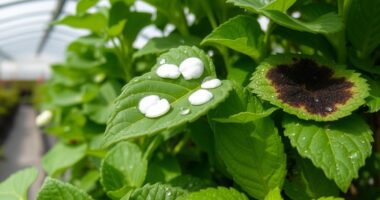
Gray mold (Botrytis) can sneak up on your plants through damp, humid conditions, developing fuzzy spots on leaves, stems, or fruits. To stop it before it spreads, keep humidity levels around 50-60%, improve airflow, and avoid overhead watering. Remove infected material promptly and use fungicides if needed. If you want to learn more about identifying, preventing, and managing this sneaky fungus, continue exploring tips to protect your plants effectively.
Key Takeaways
- Recognize early signs like fuzzy gray patches and water-soaked spots to catch gray mold before it spreads.
- Maintain proper airflow and reduce humidity levels to inhibit fungal growth and spore dispersal.
- Remove and destroy infected plant material promptly to prevent contagion.
- Avoid overhead watering and keep leaves dry to create less favorable conditions for mold development.
- Apply preventive fungicides and organic treatments, and monitor plants regularly for early detection.
What Is Gray Mold (Botrytis) and How Does It Sneak Up on Plants?
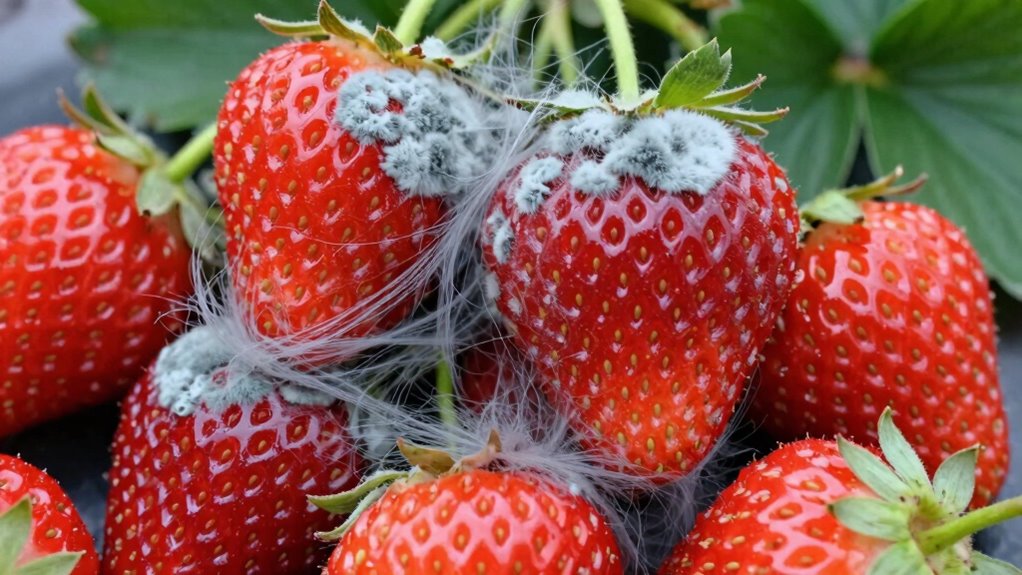
Have you ever noticed fuzzy gray spots on your plants’ leaves or stems? That’s a sign of gray mold, also known as Botrytis, a common plant disease caused by a fungal infection. This sneaky pathogen thrives in damp, humid conditions, often spreading unnoticed until it’s widespread. Gray mold appears as soft, fuzzy gray or brown patches that can quickly infect flowers, fruits, and foliage. It invades through wounds or weak spots, spreading rapidly if conditions are favorable. As a fungal infection, it produces spores that disperse easily, making it easy for the disease to jump from plant to plant. Recognizing gray mold early is essential, but understanding how it sneaks up on your plants helps you stay ahead and prevent larger outbreaks. Proper disease prevention practices, such as ensuring good air circulation and avoiding overhead watering, can significantly reduce the risk of infection.
How Can You Recognize the Early Signs of Gray Mold?
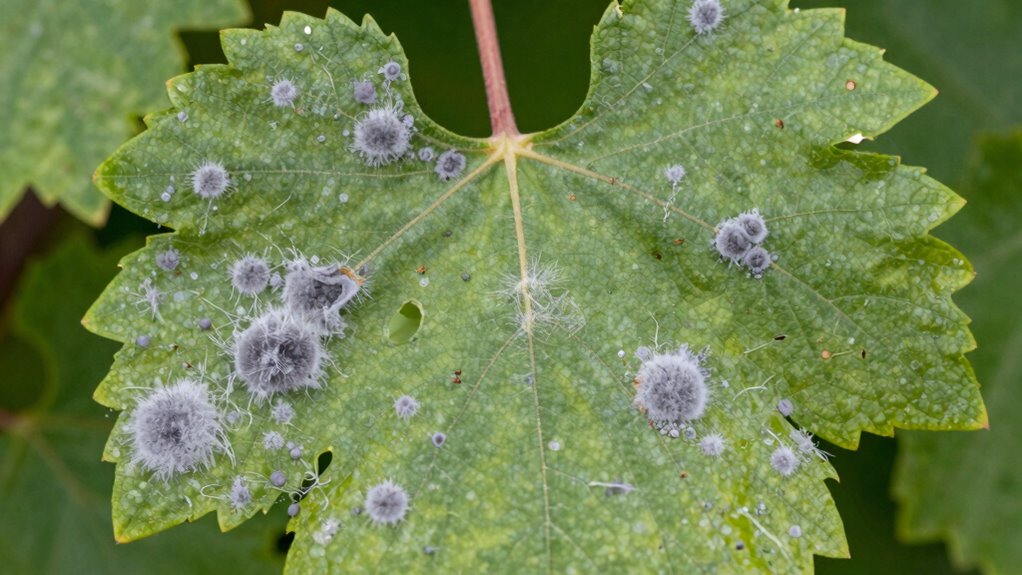
Detecting gray mold early can save your plants from extensive damage, so it’s important to know what to look for. The first sign of this plant disease is often fuzzy, grayish fungal growth on leaves, stems, or flowers. You might notice water-soaked spots that quickly turn soft and brown, with a velvety appearance as the fungal growth develops. Early on, these spots may be small, but they tend to spread rapidly, especially in humid conditions. Look for wilting or drooping plants, which can indicate underlying fungal infection. Keep an eye out for moldy patches that seem to appear overnight. Recognizing these early signs allows you to act quickly and prevent the fungus from spreading further. Proper airflow and color temperature adjustments can also help reduce humidity levels that favor mold growth.
Why Does Gray Mold Spread So Quickly?
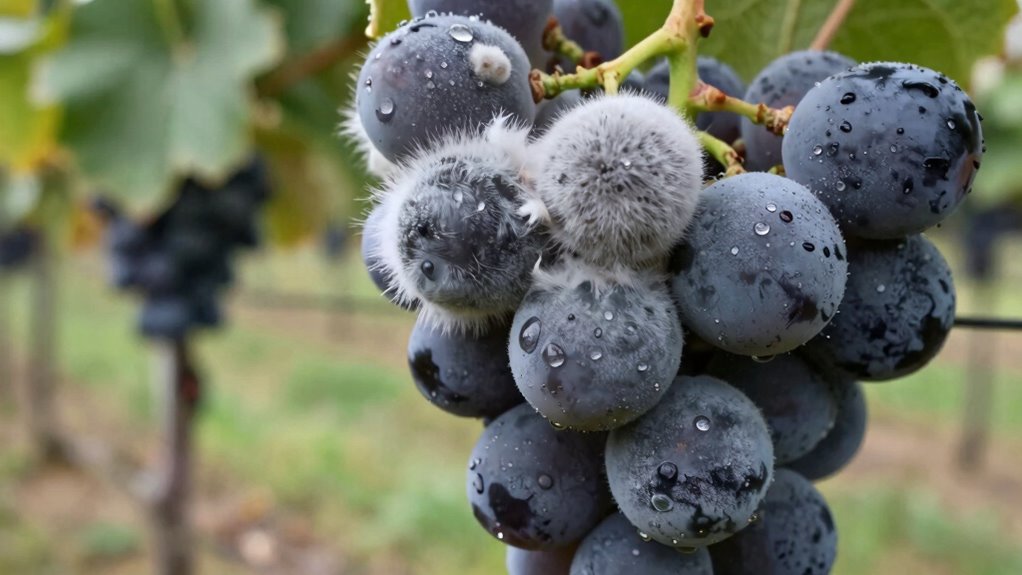
Gray mold spreads so rapidly because the fungal spores that cause it thrive in moist, humid environments. These spores can quickly infect nearby plants, making plant disease harder to control. The high humidity creates an ideal environment for mold growth and reproduction. To improve mold prevention, you need to understand what fuels its quick spread. Understanding the concept of haute couture can help explain how luxury craftsmanship and attention to detail contribute to the exclusivity and resilience of high-end fashion, much like how controlling environmental factors can prevent mold spread.
How Can You Prevent Gray Mold Before It Starts?

Preventing gray mold before it starts involves creating an environment that’s inhospitable to the fungus. Focus on good sanitation by removing dead or decaying plant material, which can harbor the plant disease. Guarantee proper airflow around your plants by spacing them adequately and pruning dense foliage. Water at the base of plants to keep leaves dry, since moisture promotes fungal growth. Use resistant plant varieties when possible. Keep humidity levels low, especially during cool, damp conditions. Regularly inspect plants for early signs of trouble and act quickly. Applying fungicides as a preventive measure can also help, but don’t rely solely on chemicals. Fungal prevention requires a proactive approach to minimize conditions that favor gray mold development. Incorporating energy-efficient cloud solutions can help manage environmental controls more sustainably, reducing excess humidity and temperature fluctuations that contribute to mold growth.
How Do You Create a Microclimate That Keeps Gray Mold Away?

Creating a microclimate that discourages gray mold involves managing the environmental factors around your plants. To do this effectively, focus on humidity control and airflow improvement. Keep humidity levels moderate—around 50-60%—to prevent excess moisture that fosters mold growth. Improve airflow by spacing plants adequately and pruning dense foliage, which allows air to circulate freely. Consider using fans or venting to increase air movement around your plants, reducing stagnant, damp spots. Additionally, avoid overhead watering, which can raise humidity and create wet surfaces that gray mold loves. Regularly inspect your plants for any signs of excess moisture or poor ventilation, and make adjustments as needed. These steps will help create a microclimate less hospitable to gray mold and promote healthier growth. Maintaining proper environmental conditions is essential for preventing mold from taking hold.
What Tools and Products Help Fight Gray Mold Effectively?

To effectively combat gray mold, you’ll want to use the right tools and products. Fungicides and sprays can provide a quick defense, while organic options offer eco-friendly alternatives. Additionally, maintaining proper sanitation helps prevent the spread and reduces the risk of future infections. Incorporating air purifiers into your environment can also help improve air quality and reduce the spread of mold spores.
Fungicides and Sprays
Using the right fungicides and sprays is essential for effectively fighting gray mold. Select products labeled for botrytis control, such as those containing chlorothalonil or boscalid. Additionally, consider integrating plant resistant varieties to reduce susceptibility. Biological controls, like beneficial fungi or bacteria, can help suppress the pathogen naturally. When applying sprays, ensure thorough coverage on all plant surfaces, especially in high-risk areas. Regularly rotate fungicides to prevent resistance buildup. Keep foliage dry and remove infected plant debris to enhance spray effectiveness. Combining chemical treatments with resistant varieties and biological controls creates a thorough defense. This integrated approach helps you stay ahead of gray mold, minimizing damage and protecting your plants more effectively.
Organic Treatment Options
Organic treatment options offer effective ways to combat gray mold without relying on synthetic chemicals. You can use companion planting to naturally reduce humidity and improve airflow, making your plants less hospitable to Botrytis. For example, planting herbs like basil or marigolds alongside susceptible crops can deter the mold’s spread. Soil amendments such as compost or organic fungicides strengthen plant health, helping them resist infection. These organic approaches focus on boosting plant vigor and creating a less favorable environment for gray mold. Regularly applying neem oil or potassium bicarbonate solutions can also help suppress existing infections. Additionally, understanding Gold IRA Markets can help gardeners invest in quality tools and products for their organic gardening needs. By combining these strategies, you enhance your garden’s resilience while maintaining an eco-friendly approach to disease management.
Proper Sanitation Practices
Maintaining proper sanitation is essential for preventing and controlling gray mold in your garden. Cleanliness reduces the chances of plant disease and promotes soil health. Use sharp pruning shears to remove infected plant material, then disinfect them with alcohol or bleach to prevent spread. Regularly clear fallen leaves and debris that harbor mold spores. Replace or sanitize pots and tools to avoid cross-contamination. Keep your workspace tidy to limit mold growth. Additionally, avoid overhead watering to keep foliage dry, which helps inhibit gray mold development. Good sanitation practices break the mold’s lifecycle, protecting healthy plants and maintaining soil health. Consistent cleanup and tool disinfection are pivotal steps in managing gray mold effectively.
How Do You Control and Treat Gray Mold Once It Appears?

Once gray mold appears on your plants, quick action is essential to contain the spread and minimize damage. Start by removing infected plant parts using proper pruning techniques, cutting well below the affected area to prevent spores from spreading. Dispose of the debris away from your garden. Improve air circulation around your plants to reduce humidity, which helps slow fungal growth. Consider introducing beneficial insects like predatory mites or certain nematodes that can help control other pests, boosting overall plant health and resilience. Applying fungicides labeled for gray mold can offer additional protection, but always follow the instructions carefully. Regularly monitor your plants for early signs of infection, and act promptly to keep the mold from spreading further. Ensuring proper environmental conditions, such as appropriate watering practices and adequate spacing, can also significantly reduce the risk of mold development environmental conditions.
How Can You Troubleshoot Gray Mold Problems in Different Types of Plants?
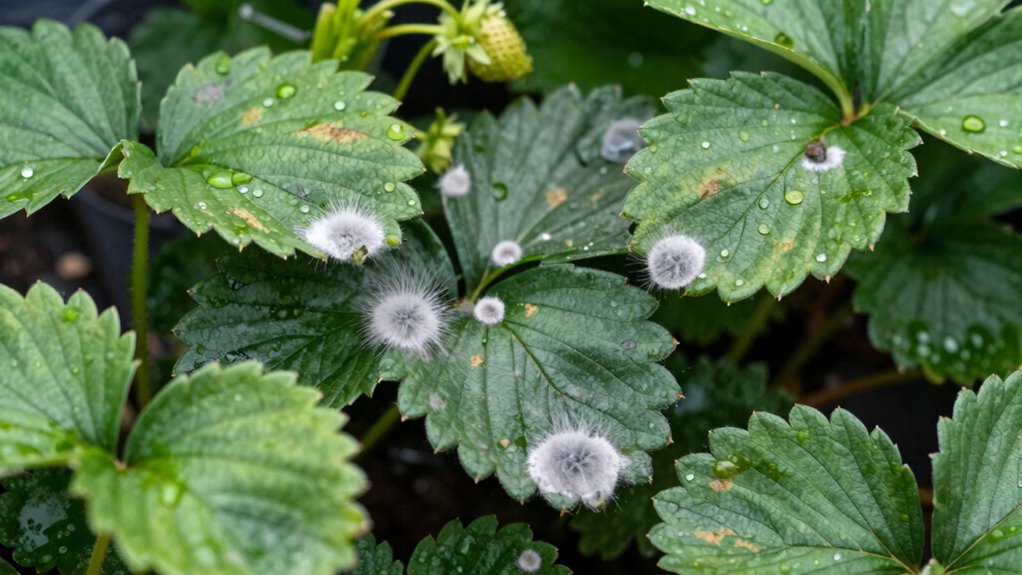
To troubleshoot gray mold effectively, you need to recognize which plants are most vulnerable, such as strawberries, roses, or vegetables. Then, you can adjust environmental conditions like humidity and airflow to make your plants less inviting to mold. Finally, applying targeted treatments helps control existing infections and prevent future problems. Incorporating sound therapy techniques can also be beneficial in enhancing plant resilience by promoting healthier growth environments.
Identify Affected Plant Types
Different plant types are susceptible to gray mold in varying ways, so identifying affected plants quickly can help you target your treatment effectively. Recognizing affected plant types based on their susceptibility allows you to prioritize and act early. For example, tender, soft-stemmed plants like strawberries and tomatoes are highly vulnerable, while woody plants like roses may show slower disease progression. Keep an eye out for common signs across affected plant types, such as fuzzy gray mold or rotting tissues.
- Soft fruits and vegetables (strawberries, grapes)
- Flowering plants (roses, pansies)
- Leafy greens (lettuce, spinach)
- Ornamental plants (begonias, impatiens)
Understanding plant susceptibility helps you tailor your approach and prevent the spread effectively.
Adjust Environment Conditions
Adjusting environmental conditions plays a vital role in managing gray mold across various plant types. To prevent its spread, focus on humidity control; keep humidity levels low, ideally between 40-60%, to inhibit mold growth. Proper airflow management is equally important—ensure good circulation around your plants to reduce moisture buildup. Use fans or spacing techniques to prevent stagnant air pockets that foster mold spores. Regularly monitor indoor and outdoor conditions, especially during wet or humid weather, and adjust watering schedules accordingly. For sensitive plants, consider using dehumidifiers or ventilation systems to maintain ideal conditions. Additionally, understanding indoor air quality and how it influences mold development can help you create a healthier environment for your plants. By controlling humidity and promoting airflow, you create an environment less conducive to gray mold development, giving your plants a healthier, mold-free life.
Apply Targeted Treatments
When gray mold appears on various plants, applying targeted treatments can effectively control and prevent further damage. To tackle this plant disease, identify the affected areas and use specific solutions. Here are some steps:
- Use fungicides formulated for botrytis to treat infected tissues.
- Remove and destroy moldy plant parts to reduce spores.
- Adjust watering practices to avoid excess moisture that promotes mold.
- Improve air circulation around plants to limit humidity buildup.
These measures help with mold prevention and ensure you’re addressing the problem directly. Tailoring treatments to your plant types ensures more effective control. Regularly monitoring your plants and acting quickly can stop gray mold from spreading and protect your garden’s health.
When Should You Call a Professional for Severe Gray Mold Infestations?

Severe gray mold infestations can quickly overwhelm your plants and require expert intervention. If you notice persistent or widespread fungal growth despite your efforts, it’s time to call a professional. Accurate fungus identification is vital to determine the severity and appropriate treatment. When gray mold has compromised the overall plant health, causing significant tissue decay or affecting multiple plants, DIY methods may no longer suffice. Professionals can assess the situation, diagnose the problem precisely, and implement advanced treatments to contain the outbreak. Ignoring severe infestations can lead to irreversible damage or the spread to nearby plants. If you’re uncertain about the extent of the infestation or if your current strategies aren’t controlling the problem, seeking expert help guarantees the health of your plants and prevents further loss.
Frequently Asked Questions
Can Gray Mold Affect Edible Parts of My Plants?
Yes, gray mold can affect the edible parts of your plants, especially if it infects flowers or fruit. To prevent this, pay attention to harvest timing so you pick crops before mold spreads. Practicing crop rotation helps reduce mold build-up in the soil. Keep plants healthy with good airflow and avoid overhead watering, which minimizes moisture that gray mold thrives on, protecting your edible harvest effectively.
Are Some Plant Varieties More Resistant to Gray Mold?
Yes, some plant varieties are more resistant to gray mold. You should look for resistant plant varieties or mold-resistant cultivars when choosing plants, as they have been bred to withstand the disease better. These resistant varieties can markedly reduce your chances of infection, especially in damp or humid conditions. Incorporating resistant cultivars into your garden helps you maintain healthier plants and minimizes the need for chemical treatments.
How Does Humidity Influence Gray Mold Development?
Imagine you’re in a Victorian garden, trying to keep the air just right. Humidity greatly influences gray mold development—high humidity and moisture levels create perfect conditions for it to thrive. To prevent this, practice humidity control by keeping indoor air dry and ensuring good air circulation. Lowering moisture levels disrupts the mold’s growth, helping your plants stay healthy and mold-free, even in the most humid of days.
Can Natural Remedies Effectively Eliminate Gray Mold?
Natural remedies can help manage gray mold, but they might not fully eliminate it. You can try DIY remedies like neem oil or a baking soda solution to slow its spread. However, for more effective control, combining these with chemical treatments is often necessary. Always start with natural options, but don’t hesitate to use approved fungicides if the mold persists or worsens, ensuring your plants stay healthy.
Is Gray Mold Contagious Between Different Plant Species?
Think of gray mold as a sneaky thief, crossing boundaries between plant species. Yes, it’s contagious, exploiting weaknesses in plant immunity. To prevent its spread, you should practice mold prevention techniques like proper spacing, removing infected debris, and avoiding overhead watering. Strengthening your plants’ immunity through good nutrition also helps. With vigilance and these steps, you can stop gray mold from jumping from one plant to another.
Conclusion
Stay vigilant because gray mold can appear when you least expect it, often sneaking in during humid, shady times. By recognizing early signs and maintaining proper airflow, you can stop it before it spreads. Remember, a little prevention goes a long way—just like catching those tiny spots before they turn into a full-blown problem. So stay proactive, keep an eye out, and your plants will thank you for it.