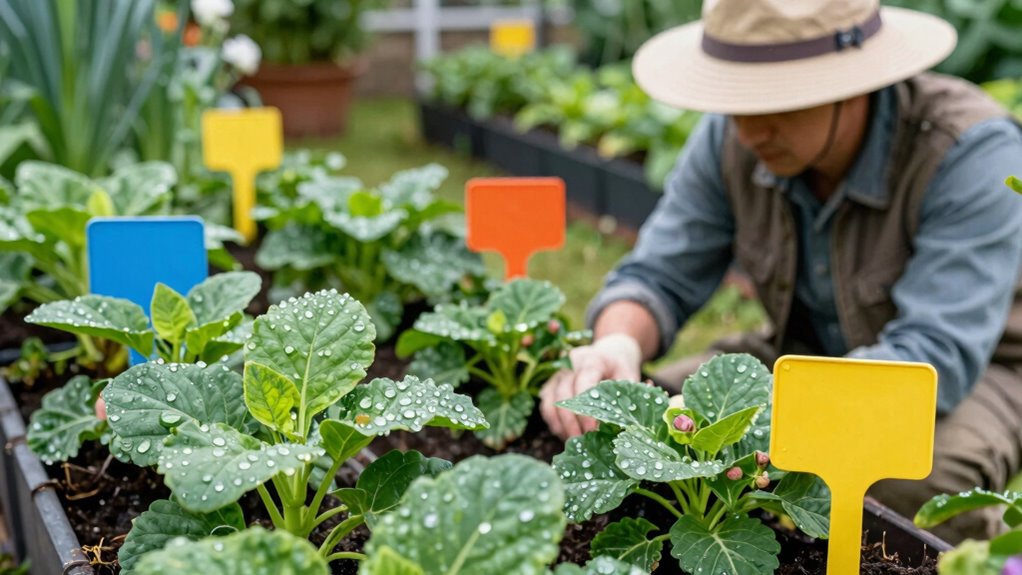

Adopting a proactive disease prevention mindset means taking early steps to keep your plants healthy. Focus on improving soil health by adding organic matter and supporting beneficial microorganisms. Practice crop rotation, select disease-resistant varieties, and guarantee proper spacing for good air circulation. Use organic controls and natural predators to manage pests before they become a problem. By making small, conscious decisions now, you’ll build a resilient garden that resists diseases and saves you time and effort—discover more ways to strengthen your garden further.

Get garden gear delivered free — and shop member deals
- Fast, free delivery on millions of items
- Access to Prime Big Deal Days deals on October 6–7
- Prime Video, Amazon Music and more included
Key Takeaways
- Adopt proactive monitoring and early intervention to catch issues before they escalate.
- Focus on building healthy soil and microbial diversity to naturally suppress diseases.
- Implement crop rotation, resistant varieties, and proper spacing to prevent pathogen buildup.
- Use organic and physical pest controls to maintain ecosystem balance and reduce chemical reliance.
- View gardening as an interconnected system, emphasizing prevention over reactive treatments.
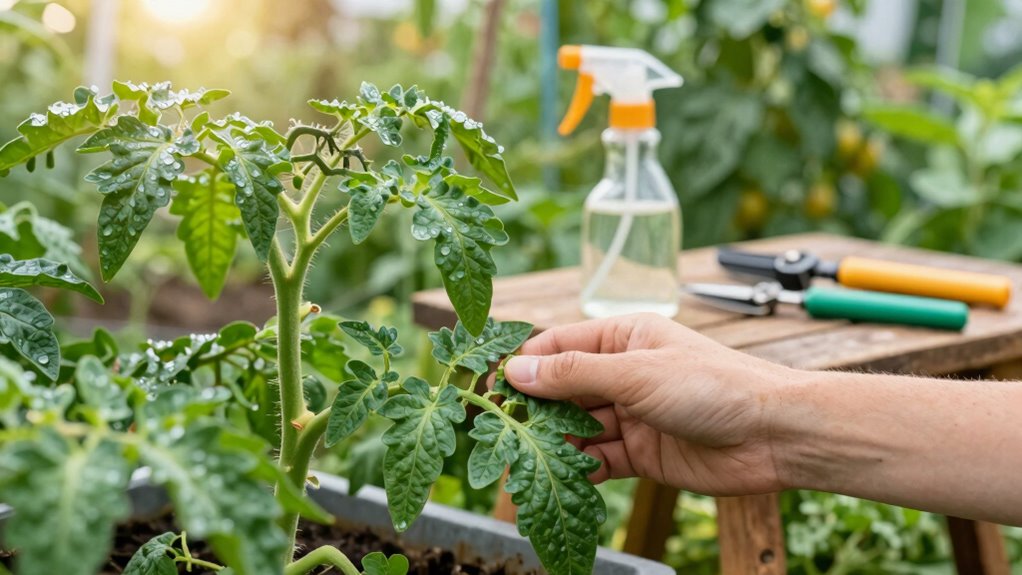
Have you ever wondered how shifting your mindset can keep you healthier? When it comes to plants, the same idea applies. Adopting a disease prevention mindset means you’re proactive rather than reactive, focusing on strategies that protect your plants before problems arise. It starts with understanding that healthy plants are less vulnerable to diseases, and that soil health plays an essential role in this. When your soil is rich in organic matter and balanced with the right nutrients, it creates a strong foundation for your plants. Healthy soil supports robust root systems, which in turn boost plant immunity. This approach minimizes the need for chemical interventions and reduces the risk of disease outbreaks. Recognizing the importance of soil health as a foundational element allows you to implement practices that naturally enhance plant resilience. Additionally, understanding the soil ecosystem and how beneficial microorganisms contribute to plant health can help you create a more resilient garden environment. Incorporating soil testing into your routine ensures that your soil remains balanced and healthy, further supporting disease prevention. Maintaining soil microbial diversity is also crucial, as a diverse microorganism population helps suppress harmful pathogens naturally. A thriving soil microbiome promotes a balanced ecosystem, which is key to sustainable plant health.
Healthy soil and proactive care build resilient plants, reducing disease risk and promoting sustainable gardening success.
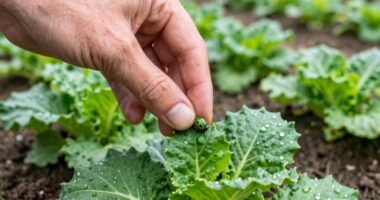
A key component of this mindset is effective pest management. Instead of waiting for pests to cause damage or relying solely on pesticides, you think ahead. You observe your plants regularly, identify potential pest issues early, and employ integrated pest management techniques. These include encouraging natural predators, using physical barriers, or applying organic controls that are less disruptive to the soil ecosystem. By maintaining a balanced environment, you prevent pest populations from exploding and causing disease transmission. This proactive stance not only saves you time but also preserves the health of your soil and plants long-term.
Thinking in terms of disease prevention also shifts your focus from treatment to avoidance. You might rotate crops to reduce soil-borne pathogens or choose resistant plant varieties. Proper spacing ensures good air circulation, which helps prevent fungal diseases. Mulching keeps the soil moist and suppresses weeds, reducing opportunities for pests and disease carriers. All these small, conscious decisions stem from a mindset that values prevention over cure. You realize that investing a little extra time in planning and maintenance now can save you hours of trouble later, not to mention the cost of treatments or replacements.
This mindset encourages you to see your garden or farm as an interconnected system. Soil health, pest management, plant selection, and cultural practices all work together to create a resilient environment. When you prioritize prevention, you’re less likely to face severe outbreaks that demand extensive effort and resources. Instead, you nurture a thriving ecosystem where plants can grow stronger and healthier, naturally resisting diseases. Ultimately, this approach transforms gardening from a constant battle into a sustainable, rewarding practice. It’s about cultivating patience, awareness, and proactive habits—tools that keep your plants healthier, your time saved, and your efforts more effective.
organic soil amendments for vegetable garden
As an affiliate, we earn on qualifying purchases.
As an affiliate, we earn on qualifying purchases.
Frequently Asked Questions
How Quickly Can Disease Prevention Measures Be Implemented?
You can implement disease prevention measures within hours or days, depending on the specific steps needed. Quick implementation speed is essential to stopping the spread of disease, so act promptly once you identify a threat. Start by inspecting plants, removing infected parts, applying preventive treatments, and adjusting environmental conditions. Staying proactive allows you to swiftly curb potential outbreaks, saving your plants and time in the process.
Are There Specific Tools Recommended for Early Detection?
Imagine catching a whisper of trouble before it roars; that’s the power of early disease detection. You should consider tools like handheld magnifiers for close inspection, portable disease detection kits for rapid testing, and digital cameras to document and monitor changes over time. These tool recommendations help you spot signs early—spotting issues before they spread—so you can act swiftly, protecting your plants and saving valuable time.
Can Disease Prevention Practices Reduce Pesticide Use?
Yes, adopting disease prevention practices can markedly reduce pesticide use. You can rely on organic methods, such as crop rotation and resistant varieties, to naturally deter diseases. Integrated pest management also plays a vital role by combining biological, cultural, and mechanical controls to minimize pesticide reliance. These strategies help you maintain healthy plants while protecting the environment, ultimately leading to fewer chemical applications and more sustainable gardening or farming.
How Often Should Plant Health Be Monitored?
You should monitor your plants at least once a week—more if they’re drama queens prone to disease. This keeps your plant resilience high and helps you spot issues early. Regular checks also improve nutrient management, preventing deficiencies that make plants vulnerable. Think of it as a health scan for your greenery, saving time and reducing pesticide use. Stay vigilant; your plants will thank you with lush, healthy growth.
What Are Common Mistakes in Disease Prevention?
Your common mistakes in disease prevention include neglecting to rotate crops, which can lead to fungal resistance, and overlooking nutrient imbalance, weakening plant defenses. You might also overuse chemical treatments, fostering resistant fungi. Regular monitoring helps catch issues early, but ignoring signs or applying treatments prematurely can worsen problems. To prevent diseases effectively, you need to balance nutrients, practice crop rotation, and use integrated pest management strategies rather than relying solely on chemicals.
Conclusion
By adopting a disease prevention mindset, you naturally stay ahead of problems, often catching issues before they fully develop—almost like a fortunate coincidence. When you prioritize proactive care, you save both plants and time, turning what seems like chance into a strategic advantage. It’s the subtle art of foresight that transforms everyday gardening into a more rewarding, stress-free experience. In the end, your vigilance becomes the unexpected key to thriving, healthy plants.
Fall yard work Picks
leaf blowers
As an affiliate, we earn on qualifying purchases.