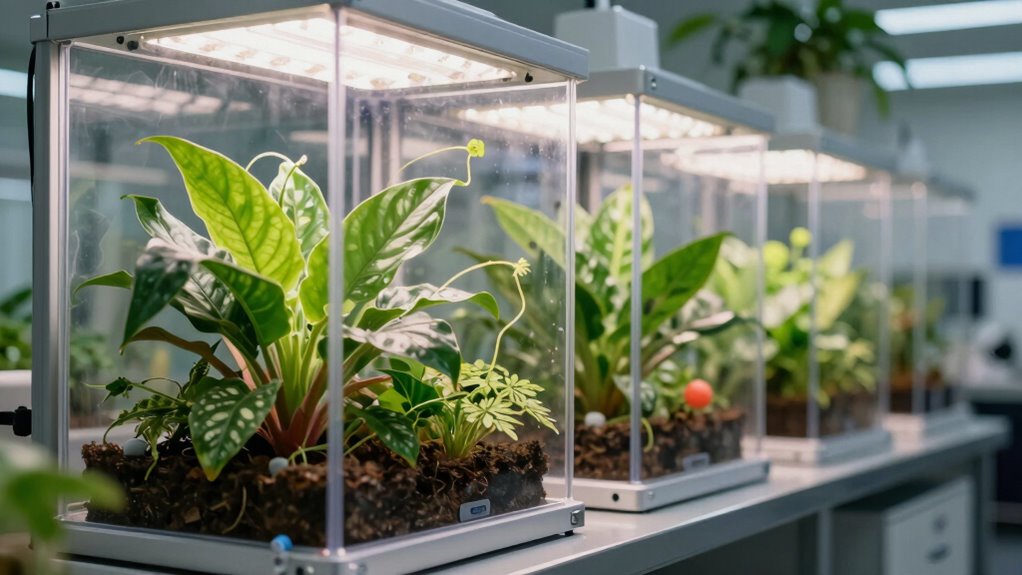

A strict quarantine protocol stops one new plant from risking entire ecosystems by thoroughly inspecting, certifying, and isolating imported plants before they’re released. You’ll need to monitor plants closely for pests, diseases, and invasive traits, using physical barriers and detailed records. If an invasive plant is found, it’s contained immediately to prevent spread. Effective quarantine procedures protect native species and biodiversity, ensuring only safe, well-assessed plants enter new environments. To learn more, discover how these steps work together to safeguard ecosystems.
Key Takeaways
- Conduct thorough inspections for pests, diseases, and invasive traits before allowing plant entry.
- Isolate new plants in dedicated quarantine zones to prevent cross-contamination with native species.
- Use advanced screening and testing to detect genetic modifications or climate-adaptive traits that may pose risks.
- Maintain detailed records of plant origins, health status, and quarantine progress for traceability.
- Enforce strict release criteria, ensuring plants are pest-free and stable before integration into the environment.
Why Do Invasive Plants Threaten Local Ecosystems?
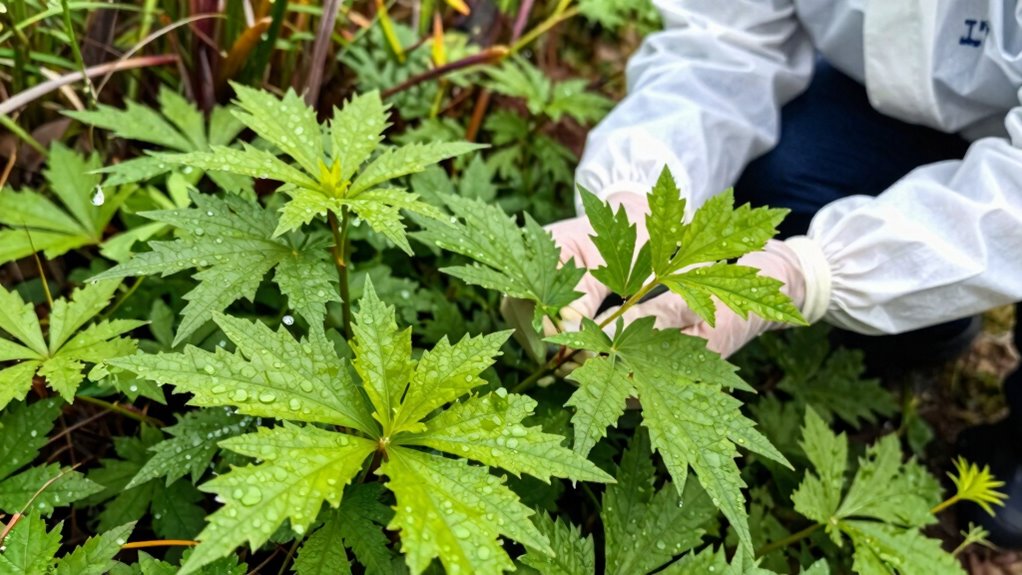
Invasive plants threaten local ecosystems because they often outcompete native species for resources like nutrients, light, and space. When these non-native plants dominate, they reduce the genetic diversity of the area, making the ecosystem more vulnerable to diseases and environmental changes. Native species, which have evolved to thrive in their specific environment, struggle to compete with these aggressive invaders. As a result, native populations decline, disrupting food chains and habitat stability. This loss of native plants can lead to decreased biodiversity and weaken the resilience of the ecosystem as a whole. Without intervention, invasive species continue to spread, further threatening the health and balance of local ecosystems. biodiversity plays a crucial role in maintaining ecosystem stability and resilience against such threats.
How Does Plant Quarantine Prevent Invasive Species?

Plant quarantine acts as a crucial barrier that prevents potentially invasive species from entering new environments. It screens imported plants for signs of genetic modification that could give them invasive advantages or allow them to adapt rapidly to local climates. By carefully inspecting and restricting plants that show signs of unauthorized genetic changes, quarantine helps prevent the spread of species capable of outcompeting native plants. Additionally, quarantine protocols monitor for traits that could enhance climate adaptation, such as drought tolerance or temperature resilience, which might make introductions more successful and disruptive. This proactive approach ensures that only plants meeting strict safety standards are allowed in, reducing the risk of invasive species establishing themselves and threatening local ecosystems. Incorporating advanced screening techniques into quarantine procedures further enhances the ability to detect subtle genetic modifications before they become a problem.
How Are Imported Plants Inspected and Certified?

When importing new plants, strict inspection and certification processes guarantee only safe and compliant specimens enter the country. You’ll find that officials examine plants thoroughly for pests and diseases, implementing pest control measures to prevent infestations. These inspections often occur within designated quarantine zones, where plants are monitored closely for any signs of trouble. Certified plants must meet specific health standards before they’re approved for release into the environment or retail. During inspection, authorities look for pests, pathogens, and signs of previous pest control issues. Only after passing these rigorous checks are plants certified as safe. This process helps prevent the introduction of invasive species and protects native ecosystems from potential threats posed by imported plants. Additionally, inspection protocols are regularly updated to adapt to emerging plant health threats and ensure the highest level of biosecurity.
What Happens When an Invasive Plant Is Found During Quarantine?
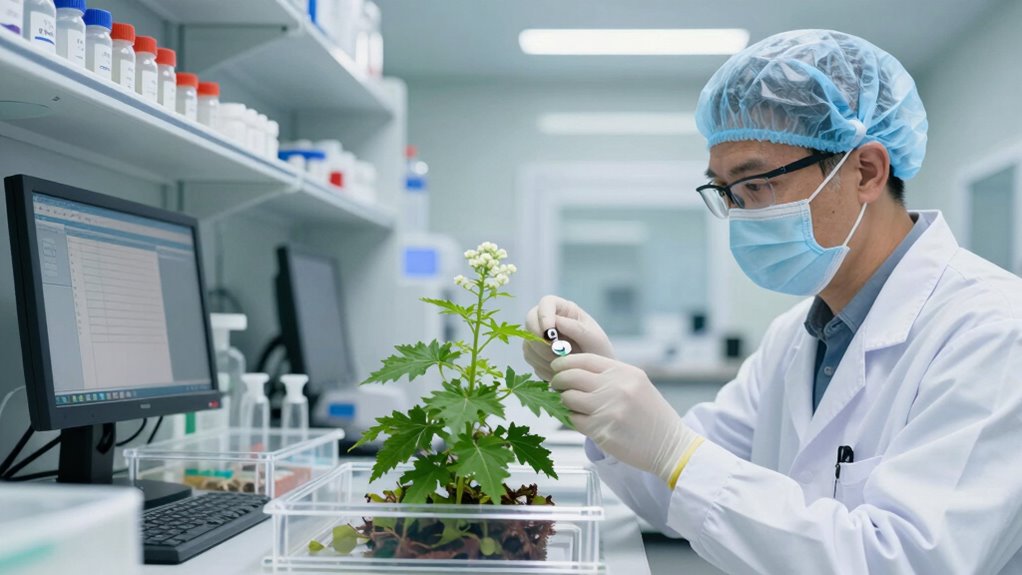
When an invasive plant is discovered during quarantine, immediate containment measures are put into action to prevent its spread. You’ll then move on to conduct a thorough risk assessment to determine potential threats to local ecosystems. Additionally, evaluating the plant’s growth rate and adaptability helps inform management decisions. Finally, clear quarantine release criteria guide whether the plant can be approved or if further actions are necessary.
Immediate Containment Measures
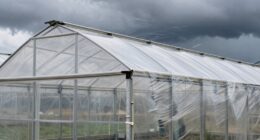
Discovering an invasive plant during quarantine triggers immediate action to prevent its spread. Your first step is to isolate the plant within designated quarantine zones, ensuring it doesn’t contact other plants or escape containment. Staff swiftly assess the plant’s health, checking for signs of invasive characteristics. Once confirmed, measures like physical barriers, such as double-layered plastic or containment bins, are implemented to contain any seeds or fragments. All equipment used is sterilized to prevent accidental transfer. If necessary, the plant is carefully removed and placed in secure storage for further analysis or destruction. These actions are essential to protect the integrity of the quarantine zones and safeguard plant health across the facility. Prompt containment minimizes the risk of invasive species establishing outside the quarantine area. Understanding invasive species is crucial for effective quarantine management and preventing ecological disruption.
Risk Assessment Procedures
Upon identifying an invasive plant during quarantine, a thorough risk assessment is initiated to determine its potential threat to the environment and existing plant populations. You analyze factors like reproductive capacity, spread rate, and ecological impact. This process guides risk management decisions and shapes quarantine policies. Additionally, understanding the plant’s classification as Free Floating can influence the assessment, as such plants can quickly spread across water surfaces, increasing their invasive potential. You consider potential effects on native species and ecosystem balance. You also assess if the plant could outcompete local flora or harbor pests. Risk assessment involves scientific tests and expert judgment to gauge severity. This step guarantees that only plants posing minimal threat are released, preventing invasive species from slipping through quarantine and causing widespread ecological damage.
Quarantine Release Criteria
What criteria determine whether an invasive plant can be safely released from quarantine? First, your team evaluates plant health to guarantee the specimen isn’t stressed or diseased, reducing the risk of spreading issues. Quarantine enforcement requires thorough inspection and testing to confirm no pests, pathogens,, or invasive traits remain. If the plant passes all assessments, it must demonstrate stable growth without signs of infestation or health decline. Any detected problems mean it stays under quarantine until resolved. The goal is to prevent the release of risky plants that could compromise native ecosystems. Only when quarantine enforcement confirms the plant’s health and safety can it be approved for release. This process ensures invasive species don’t slip through, protecting biodiversity and agriculture. Effective quarantine protocols are essential to maintain ecosystem integrity and prevent invasive species from establishing themselves.
How Nurseries and Importers Can Comply With Quarantine Rules
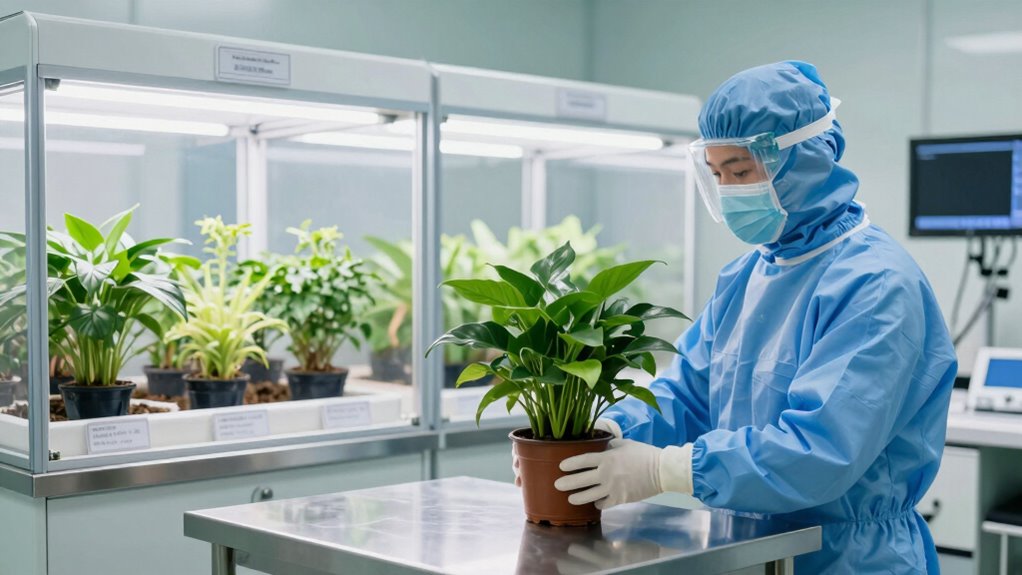
To comply with quarantine rules, you need to follow proper quarantine procedures and guarantee your staff are well-trained. Keep accurate documentation of all plant shipments and inspections to meet regulatory requirements. By implementing these steps, you can help prevent the spread of invasive species and maintain compliance efficiently. Regular training on auditory processing techniques can also enhance staff understanding of potential risks associated with plant imports.
Proper Quarantine Procedures
Proper quarantine procedures are essential for nurseries and importers to prevent the spread of pests and diseases. To guarantee success, you must establish clear quarantine zones that isolate new plants. During quarantine, observe plant adaptation behaviors, checking for signs of pests or pathogens. Keep plants in separate areas, away from existing stock, with dedicated tools and staff. Regularly inspect for symptoms like leaf discoloration or unusual growth. Use protective barriers to prevent cross-contamination, and control airflow to limit pest movement. Maintain detailed records of each plant’s origin and health status. Properly managing quarantine zones minimizes risk, ensuring only healthy plants enter your main collections, protecting your entire operation from a potential outbreak stemming from a single, infected plant. Additionally, understanding the history of pinball machines can inform how technological advancements have influenced modern game design, which can be relevant for entertainment-related plant displays or themed nursery setups.
Accurate Documentation Practices
Accurate documentation is essential for guaranteeing compliance with quarantine regulations and maintaining traceability of plant origins. You should implement clear plant labeling that includes species, origin, and arrival date to avoid confusion. Consistent record keeping helps track each plant’s journey through quarantine, making it easier to identify potential issues or outbreaks. Use standardized forms or digital systems to record relevant details immediately upon receipt and during treatment processes. Proper documentation minimizes errors and provides proof of compliance if inspections or audits occur. Regularly review and update your records to ensure accuracy. Additionally, maintaining detailed plant documentation enhances transparency and accountability throughout the quarantine process. By maintaining detailed, organized records and precise plant labeling, you simplify quarantine procedures and help prevent the spread of pests or diseases from a single plant.
Staff Training and Compliance
Effective staff training is essential for ensuring that nurseries and importers consistently follow quarantine rules. When employees understand the importance of compliance enforcement, they become proactive in spotting potential issues. Regular training sessions boost employee awareness about quarantine protocols, helping staff recognize risky plants and proper handling procedures. Visual aids, hands-on demonstrations, and clear checklists can make training more effective. To stay compliant, you should:
- Use real-world scenarios to illustrate quarantine breaches
- Reinforce the significance of accurate documentation
- Encourage open communication about suspicious plants
- Implement routine compliance audits
- Recognize staff who demonstrate diligent adherence
How Ongoing Monitoring and Research Improve Quarantine Effectiveness

Ongoing monitoring and research play a crucial role in enhancing quarantine protocols for plants. By tracking new threats, you can detect emerging pests and diseases early, preventing widespread damage. Research into the genetic diversity of plant species helps identify vulnerabilities and develop resistant varieties, strengthening quarantine measures. Regular monitoring also ensures that quarantine procedures adapt to changing conditions and threats. Additionally, ongoing public awareness campaigns educate stakeholders about risks and proper protocols, fostering compliance and vigilance. This continuous cycle of monitoring and research creates a feedback loop that refines quarantine strategies, making them more effective. Ultimately, your commitment to staying informed and responsive helps prevent a single invasive plant from causing ecological or economic havoc.
Frequently Asked Questions
What Specific Criteria Determine if a Plant Is Considered Invasive?
You determine if a plant is invasive based on its ability to spread rapidly, outcompete native species, and disrupt the ecological balance. If it shows aggressive growth, reduces native biodiversity, and alters habitats, it’s considered invasive. You also look at whether it establishes easily in new areas without natural predators. These criteria help you identify plants that threaten native ecosystems and require management to protect ecological health.
How Long Does the Quarantine Process Typically Take?
You’ll find the quarantine process usually lasts about 30 to 60 days, depending on the plant’s risk assessment. Remarkably, some high-risk plants can be quarantined for up to six months to ensure they’re safe. This quarantine duration allows experts to thoroughly monitor for pests or diseases. By following this protocol, you help prevent invasive species from establishing themselves, protecting local ecosystems from potential harm.
Are There Penalties for Non-Compliance With Quarantine Protocols?
Yes, there are compliance penalties if you ignore quarantine enforcement. Non-compliance can lead to fines, quarantine violations, or even legal actions. Authorities take strict measures to ensure everyone follows protocols because one unquarantined plant can cause serious ecological issues. It’s essential you adhere to quarantine rules to avoid penalties, protect the environment, and support efforts to control invasive species. Remember, following quarantine enforcement safeguards everyone’s interests.
Can Quarantine Measures Prevent All Invasive Species From Entering?
Early detection and rapid response greatly improve your chances of preventing invasive species from entering, but they can’t guarantee complete success. For example, if an invasive insect slips past quarantine, swift action can contain it before it spreads. However, some species might still sneak through despite strict measures. So, while quarantine measures substantially reduce risks, they can’t prevent all invasions, emphasizing the need for constant vigilance.
How Does Climate Change Impact Quarantine Effectiveness?
Climate change impacts quarantine effectiveness by raising invasive thresholds, making it harder to identify new threats early. You must adapt your climate strategies to account for shifting conditions, which can allow invasive species to establish more easily. By continuously updating quarantine protocols with climate adaptation in mind, you improve your chances of catching invasive species before they spread, ensuring your quarantine efforts stay effective despite changing environmental factors.
Conclusion
Think of quarantine as your first line of defense, a vigilant gatekeeper that keeps invasive plants from sneaking into your local ecosystem like a Trojan horse. By catching that one new plant before it spreads chaos, you’re protecting the delicate balance of nature’s intricate tapestry. Stay vigilant, follow the rules, and remember—your careful watch keeps the garden thriving, ensuring that one tiny plant doesn’t grow into a wild, uncontrollable storm.