Your biggest mistake with powdery mildew is often poor garden hygiene and ignoring environmental factors like proper airflow and humidity. Overwatering, overcrowding plants, and not removing debris trap moisture and create perfect conditions for the fungus to thrive. By managing these issues and monitoring your plants carefully, you can prevent outbreaks. Keep going to discover simple tips and strategies to protect your garden and keep powdery mildew at bay.
Key Takeaways
- Overwatering and late-day watering increase humidity, creating ideal conditions for powdery mildew growth.
- Poor plant spacing and lack of airflow trap moisture, promoting fungal development.
- Neglecting garden sanitation allows debris and diseased material to serve as spore sources.
- Maintaining high humidity levels above 60% fosters favorable environments for powdery mildew.
- Ignoring early signs and failing to implement preventive measures lead to rapid disease spread.

Grower's Ally Fungicide Spray for Plants – Ready-to-Use Indoor Outdoor Plant Fungicide Treatment for Powdery Mildew, Alternaria Blight, Rot, Fungus – OMRI Listed, Trusted by Cultivators – 24 Oz
MAXIMIZE YIELDS – This outdoor and indoor plant fungicide kills and prevents common plant pathogens, including powdery mildew,…
As an affiliate, we earn on qualifying purchases.
As an affiliate, we earn on qualifying purchases.
What Is Powdery Mildew and Why Is It So Common?
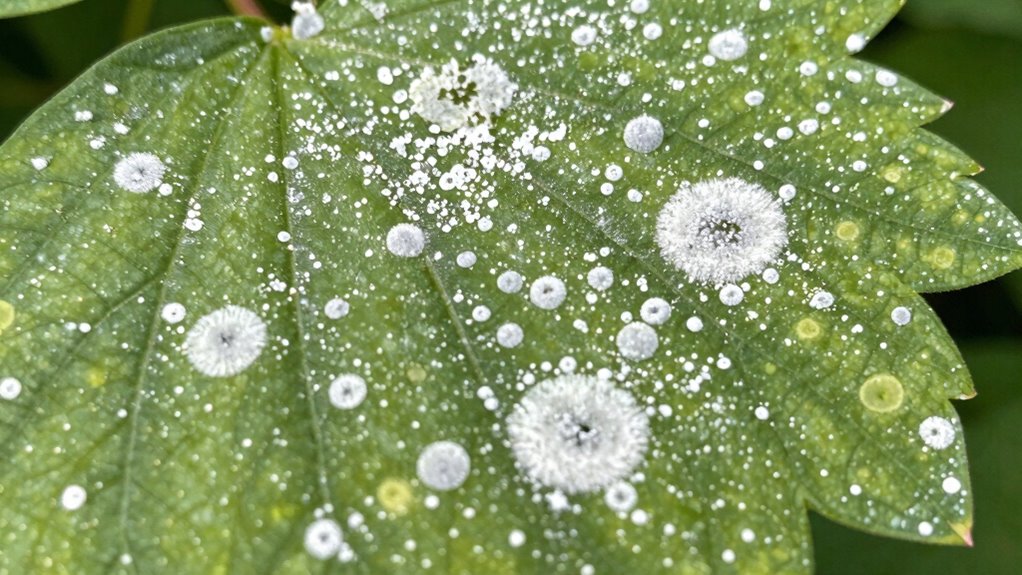
Have you ever wondered why powdery mildew seems to appear so easily on plants? The answer lies in fungal pathogens, which are responsible for this widespread disease. Powdery mildew is a fungal disease that infects a wide range of plants, thriving in conditions with high humidity and moderate temperatures. Your plants’ susceptibility plays a significant role; some species are more prone to infection due to their genetic makeup or environmental stressors. The fungi produce white, powdery spores on leaves, stems, and buds, disrupting photosynthesis and weakening the plant over time. Because these pathogens can infect many plant types and flourish under common garden conditions, powdery mildew remains one of the most common plant diseases gardeners face. Understanding this helps you manage and prevent its spread better. high humidity creates an ideal environment for fungal growth, making it even more important to monitor environmental conditions to prevent outbreaks. Additionally, selecting resistant plant varieties can significantly reduce the risk of infection.

6 Pack Mini Hygrometer Indoor Humidity Meter, Small Digital Thermometer Humidity Gauge Meter, Indoor Thermometer Hygrometer Monitor Fahrenheit (℉) for Thermostat Reptile Tank, Mason Jars
2-in-1 Thermometer & Hygrometer Meter: Equipped with a high-precision sensor, this temperature and humidity meter provides accurate readings,…
As an affiliate, we earn on qualifying purchases.
As an affiliate, we earn on qualifying purchases.
How Does Powdery Mildew Spread in Your Garden?
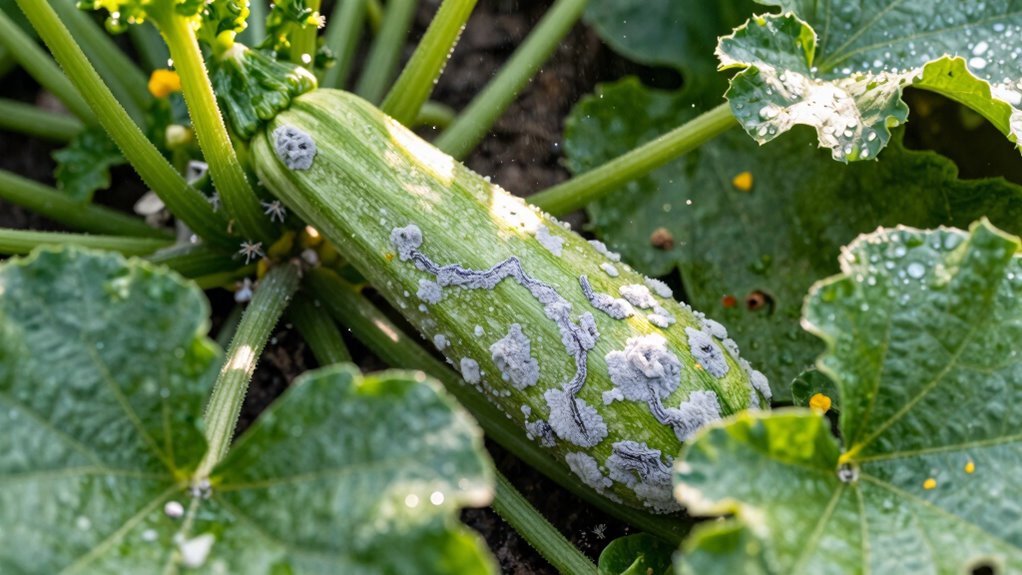
Powdery mildew spreads rapidly across your garden through airborne spores that land on susceptible plant surfaces. These spores are easily carried by the wind, especially when plant leaves are close together. Poor garden hygiene, such as leftover debris and diseased plant material, provides a breeding ground for spores to thrive. To slow its spread, maintain proper plant spacing, ensuring good air circulation around each plant. This reduces humidity and dampness that favor mold development. Regularly prune crowded or dense foliage, and remove fallen leaves or plant debris promptly. Additionally, implementing preventive measures such as fungicide treatments can further inhibit the growth of powdery mildew. Staying updated on plant disease management techniques helps in early detection and control. Being aware of plant pathogen transmission can help you take more targeted steps to prevent outbreaks. Proper garden sanitation practices are essential to eliminate sources of spores and prevent re-infection. By improving garden hygiene and keeping plants well-spaced, you make it harder for powdery mildew to take hold and spread throughout your garden.

BioAdvanced 3-in-1 Insect, Disease, and Plant Mite Control Spray – Insecticide, Fungicide & Miticide – Ready-to-Use – Prevents Pests and Diseases – Up to 14 Days Protection – 24 fl oz Bottle
3-IN-1 PLANT CARE: 3-In-1 Insect, Disease & Plant Mite Control provides insect control, disease control, and plant mite…
As an affiliate, we earn on qualifying purchases.
As an affiliate, we earn on qualifying purchases.
The Key Mistake That Fuels Powdery Mildew
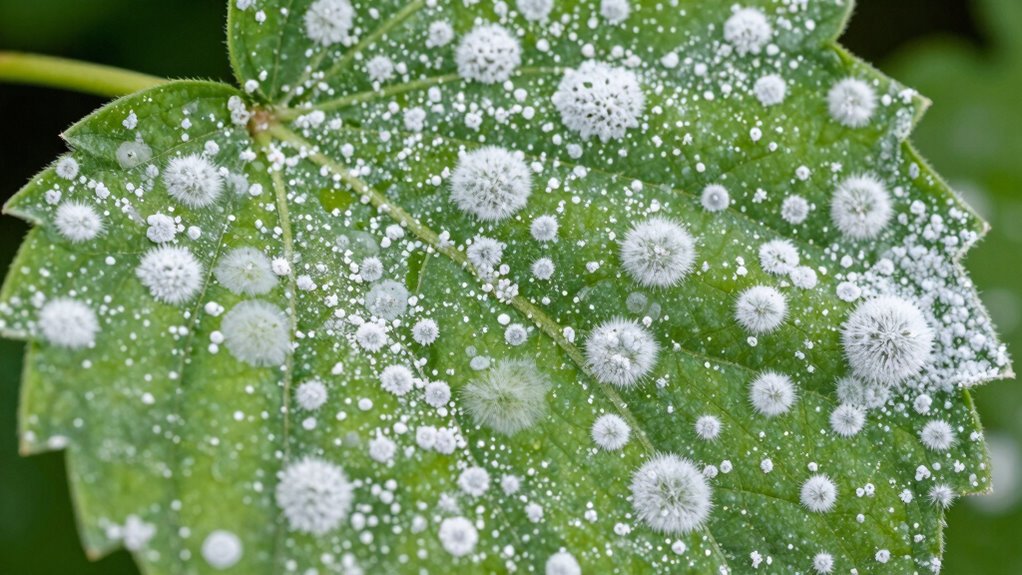
The biggest mistake you can make is ignoring proper airflow around your plants. When airflow is restricted, moisture stays trapped, creating perfect conditions for powdery mildew to thrive. By addressing these issues, you can substantially reduce the risk of infection. Incorporating supportive plant structures can help improve air circulation and prevent moisture buildup. Additionally, maintaining appropriate humidity levels is crucial, as high humidity encourages fungal growth. Ensuring your garden has good ventilation can further help prevent the development of powdery mildew. Improving garden layout to promote better air movement is also an effective strategy to combat fungal issues, especially by considering plant spacing to avoid overcrowding.
Overlooking Proper Airflow
Many gardeners overlook proper airflow, but this mistake considerably fuels powdery mildew growth. Without good airflow, humidity control suffers, creating a perfect environment for the fungus to thrive. To improve airflow, consider these key steps:
- Use pruning techniques to open up dense foliage, allowing air to circulate freely.
- Space plants adequately to prevent overcrowding and promote better ventilation.
- Regularly trim dead or crossing branches that block airflow and trap moisture.
Excessive Moisture Levels
Excess moisture creates an ideal environment for powdery mildew to develop and spread. Your watering mistakes, such as overwatering or watering late in the day, increase humidity around your plants, encouraging fungal growth. Instead of frequent, heavy watering, focus on deep but infrequent watering early in the morning, giving leaves time to dry. Proper humidity control is essential; aim to keep humidity levels below 60%. Use good airflow and avoid overcrowding plants, which trap moisture. Mistakes like neglecting drainage or watering on rainy days also contribute to excessive moisture. By managing watering habits and controlling humidity, you reduce the conditions that powdery mildew needs to thrive, helping your plants stay healthy and resistant. Understanding indoor humidity can help you better maintain optimal conditions for plant health.

Abaodam Plastic Gardening Shrub Rake Soft Tooth Leaf Rake for Efficient Lawn Cleaning and Sanitation Lightweight and Garden Tool for Leaves and Grass Removal
Yard rakes for leaves heavy duty–this rake replacement is used for planting, digging, transplanting, weeding or cultivating,garden rake…
As an affiliate, we earn on qualifying purchases.
As an affiliate, we earn on qualifying purchases.
Easy Prevention Tips to Keep Powdery Mildew Away
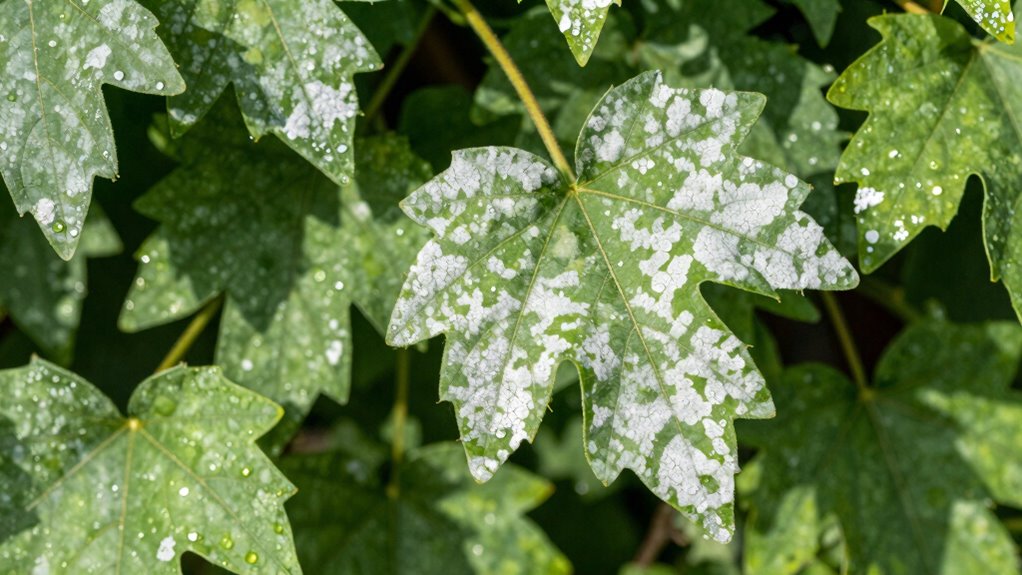
Good air circulation helps prevent powdery mildew from settling on your plants. Make sure to space your plants properly and prune to improve airflow. Additionally, regularly inspecting your plants allows you to catch any early signs before the infection spreads. Incorporating air purifiers into your home or greenhouse environment can further enhance air quality and reduce the chances of mold growth. Proper ventilation is also crucial in maintaining a healthy growing environment and minimizing humidity levels that favor mildew development. Ensuring consistent climate control helps create an environment less conducive to mold spores thriving, further safeguarding your plants. Using essential oils with antifungal properties, such as tea tree or eucalyptus oil, can serve as natural remedies to help combat mold spores. Implementing smart home technology like climate sensors and automated ventilation systems can optimize environmental conditions and provide ongoing protection against powdery mildew.
Proper Air Circulation
Ensuring proper air circulation around your plants is one of the simplest yet most effective ways to prevent powdery mildew. Good garden ventilation helps keep humidity levels low and reduces the chances of fungal growth. To enhance airflow, consider these tips:
- Space plants adequately to avoid overcrowding.
- Prune dense foliage to improve airflow enhancement.
- Use fans or vents in enclosed spaces for better ventilation.
- Incorporate sustainable practices such as using native plants that require less maintenance and reduce environmental impact to further reduce disease risk. Promoting air circulation through natural strategies can also help control humidity and prevent fungal development, especially when combined with proper plant spacing.
Regular Disease Checks
Regularly inspecting your plants is one of the simplest ways to catch powdery mildew early before it spreads. By staying vigilant, you can spot signs of infection and act quickly. Incorporate good garden sanitation by removing fallen leaves and debris, which can harbor spores. Maintaining plant diversity helps prevent the spread, as monocultures are more vulnerable to disease outbreaks. During your checks, look for the characteristic white powder on leaves, stems, or buds. Early detection allows you to isolate affected plants and apply targeted treatments, reducing the risk of widespread infection. Additionally, understanding plant ecosystems can help you identify potential vulnerabilities in your garden’s health. Implementing integrated pest management strategies can further strengthen your plants’ resistance and minimize disease risks. Regular monitoring keeps your garden healthier and minimizes the need for chemical interventions, ensuring your plants stay strong and resistant to powdery mildew. Being aware of environmental conditions such as humidity and airflow can also influence disease development and prevention efforts.
How to Spot and Treat Powdery Mildew Early
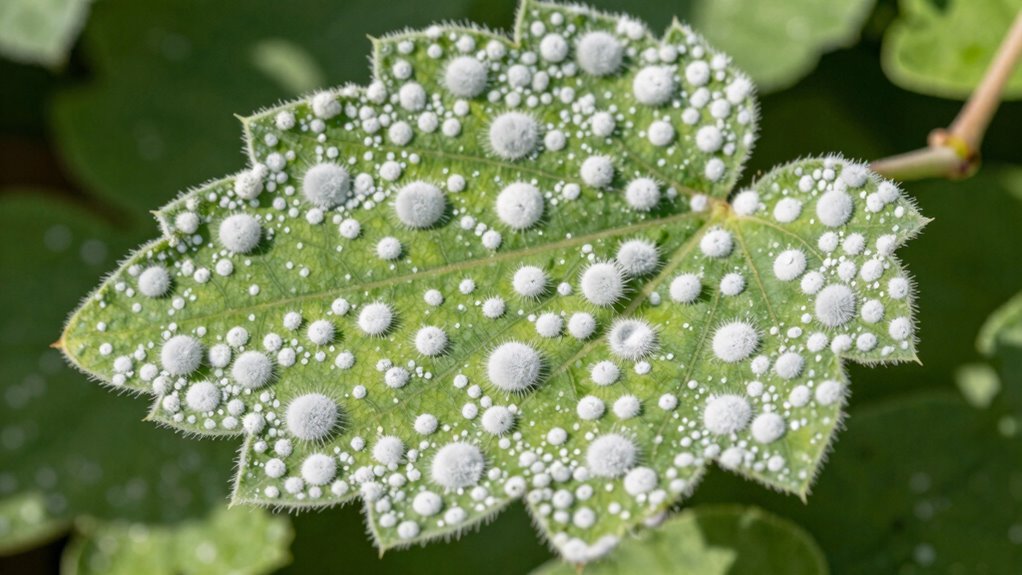
Powdery mildew can be spotted early by paying close attention to the leaves and stems of your plants. Look for white or gray powdery spots that spread quickly if left unchecked. To effectively identify fungus, check for signs that differentiate it from other issues, like powdery patches that don’t wash off easily. Early detection allows for prompt treatment, increasing your chances of saving your plants. Here are three ways to spot and treat powdery mildew early:
Spot powdery mildew early by inspecting leaves and stems for white or gray patches that don’t wash off easily.
- Inspect regularly for powdery patches, especially in humid conditions.
- Use fungus identification guides to distinguish it from other diseases.
- Apply organic treatments like neem oil or baking soda solutions as soon as you notice symptoms. Acting early is key to managing powdery mildew effectively.
Tips for Healthy, Resistant Plants
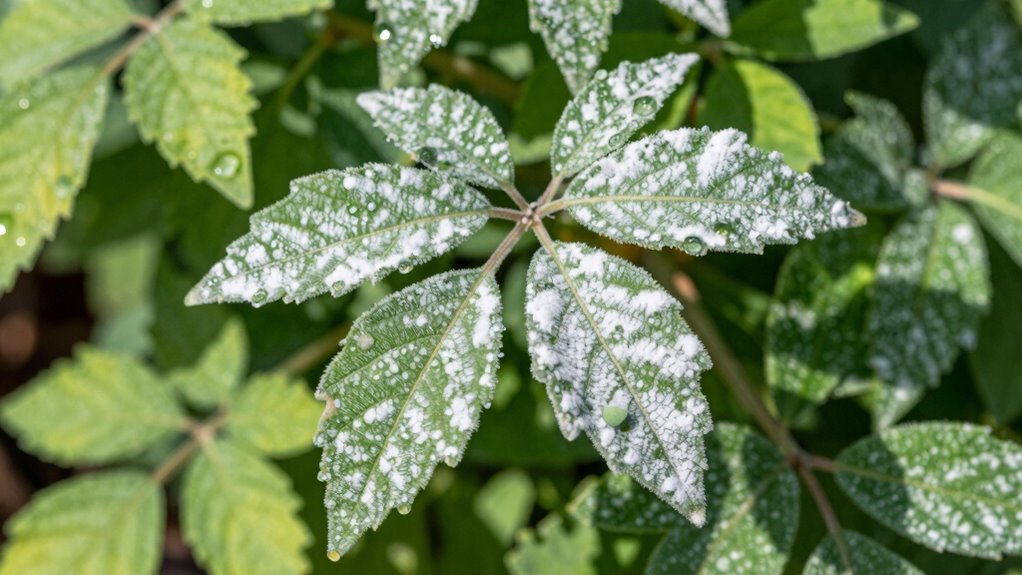
Maintaining healthy plants is your best defense against powdery mildew and other diseases. To do this, use proper pruning techniques to improve air circulation and reduce humidity around your plants. Removing overcrowded or dead foliage prevents disease buildup and promotes stronger growth. Additionally, focus on soil health by enriching it with organic matter and ensuring proper drainage. Healthy soil provides essential nutrients that help plants resist infections naturally. Avoid overwatering, which can weaken plants and create a perfect environment for mildew. Regularly inspect your plants and adjust pruning and watering habits as needed. By keeping your plants vigorous and well-cared-for, you’ll make it harder for powdery mildew to take hold and spread, ensuring a healthier, more resilient garden.
Frequently Asked Questions
Can Natural Remedies Effectively Treat Powdery Mildew?
Natural remedies like organic sprays can effectively treat powdery mildew when used correctly. You should combine these with preventative measures, such as proper spacing and removing infected leaves, to stop the spread. Regular application of organic sprays, like neem oil or potassium bicarbonate, helps control the fungus without chemicals. Consistency is key—by staying proactive, you can keep your plants healthy and free from powdery mildew naturally.
Are Some Plant Varieties Naturally Resistant to Powdery Mildew?
Some plant varieties have natural resistance to powdery mildew, making them less likely to develop the disease. You can choose resistant plant varieties to help prevent outbreaks and reduce reliance on chemical treatments. By selecting plants with natural resistance, you enhance your garden’s health and productivity. Look for resistant varieties when planning your garden, and you’ll enjoy a more resilient landscape that naturally fights off powdery mildew.
How Does Humidity Influence Powdery Mildew Development?
Did you know that high humidity levels, above 60%, markedly increase powdery mildew growth? You can prevent this by humidity control and moisture management, which keep leaf surfaces dry and inhibit fungal spread. By maintaining proper airflow and avoiding overhead watering, you reduce the risk. Managing humidity effectively is essential to keep your plants healthy and free from powdery mildew, especially during damp or humid weather.
What Are the Long-Term Impacts of Untreated Powdery Mildew?
If you ignore powdery mildew, it can lead to long-term issues like soil depletion and fruit deterioration. The disease weakens plants, reducing their ability to absorb nutrients, which depletes your soil over time. Additionally, infected fruits become moldy and unappetizing, compromising your harvest’s quality. Without treatment, the problem worsens, making your crops less productive and more prone to further diseases, ultimately threatening your garden’s health and your yield.
Is Over-Fertilizing Plants a Contributor to Powdery Mildew?
Over-fertilizing your plants can indeed contribute to powdery mildew. When you overdo soil nutrition, especially with nitrogen, it encourages lush, tender growth that pests and diseases like powdery mildew love. Proper fertilizer timing helps maintain balanced plant health, reducing vulnerability. Imagine your plants thriving with just the right nutrients—sturdy and resilient—rather than overgrown, weak, and susceptible to fungal attacks. Keep a steady, measured approach to fertilization for healthier, disease-resistant plants.
Conclusion
By avoiding that common mistake, you can keep your garden free of powdery mildew and your plants thriving like a well-tended castle garden. Stay vigilant, catch issues early, and give your plants the care they need—think of yourself as a knight defending your greenery from this sneaky foe. With a little effort, you’ll prevent the dreaded white coating from spreading, ensuring your garden remains vibrant and healthy, just like a scene from a timeless, enchanted fairy tale.