
Spending just two minutes on a quick pest check can help you catch problems early before they become costly. Grab a flashlight and a checklist, then focus on vulnerable areas like door frames, vents, and behind appliances. Look for droppings, gnaw marks, or damaged spots. By regularly inspecting these key spots, you can identify signs of pests early and take action. Keep going for tips to make this routine even more effective.

Get garden gear delivered free — and shop member deals
- Fast, free delivery on millions of items
- Access to Prime Big Deal Days deals on October 6–7
- Prime Video, Amazon Music and more included
Key Takeaways
- Focus on vulnerable areas like door frames, vents, and pipes for quick detection.
- Use a flashlight and mirror to inspect dark, hidden spots such as basements and behind appliances.
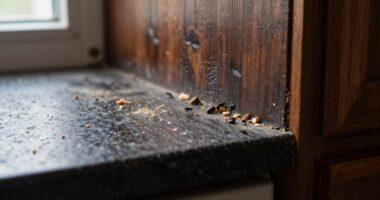
- Look for signs like droppings, gnaw marks, shed skins, and tiny holes indicating pest activity.
- Check entry points around windows, doors, and utility openings for gaps and cracks.
- Regularly perform brief inspections to catch early pest signs and prevent infestations.
As an affiliate, we earn on qualifying purchases.
Why a 2-Minute Pest Inspection Can Save You Time and Money

A quick, two-minute pest inspection can substantially reduce the risk of costly damage and infestations later on. This simple check allows you to catch early signs of pests before they become serious problems. Using integrated pest management principles, you focus on identifying pests and their entry points quickly, preventing larger infestations. Regular pest control strategies, like inspecting common hiding spots, help you stay ahead of potential issues. By dedicating just two minutes, you save time and money that would otherwise be spent on extensive treatments or repairs. Incorporating proper inspection techniques ensures your efforts are thorough and effective. This proactive approach keeps your home or business protected, ensuring pests don’t get a foothold. Consistent, short inspections make pest management more manageable and effective over the long term.
How to Prepare Quickly for Your Pest Check
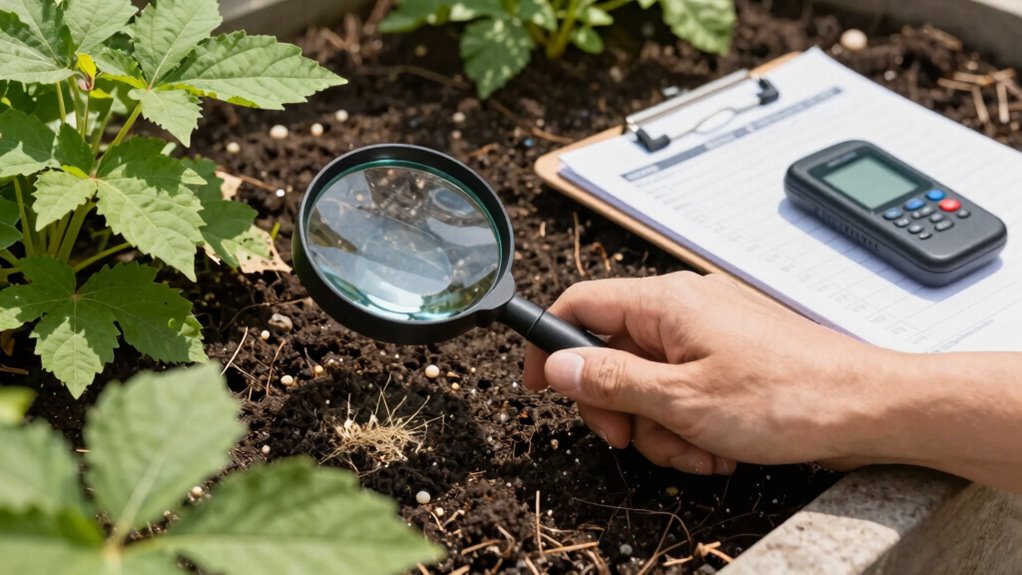
To prepare quickly for your pest check, start by gathering all necessary tools and supplies, such as a flashlight, a mirror, and a checklist of common pest entry points. Having a quick checklist guarantees you don’t forget key areas like door frames, vents, and pipes. Essential tools like a flashlight help you spot hidden signs of pests, while a mirror allows you to check tight spaces easily. Keep everything within reach so you can move efficiently through your home. Prioritize areas most vulnerable to pests, focusing your time where trouble is most likely to hide. Being organized and prepared saves you time and makes your pest check more effective. Using sizing and load‑planning tools tailored for pest inspections can help you identify potential problem spots quickly. With these simple steps, you’ll be ready for a quick, thorough inspection every time.
How to Conduct a Fast and Effective Home Pest Inspection
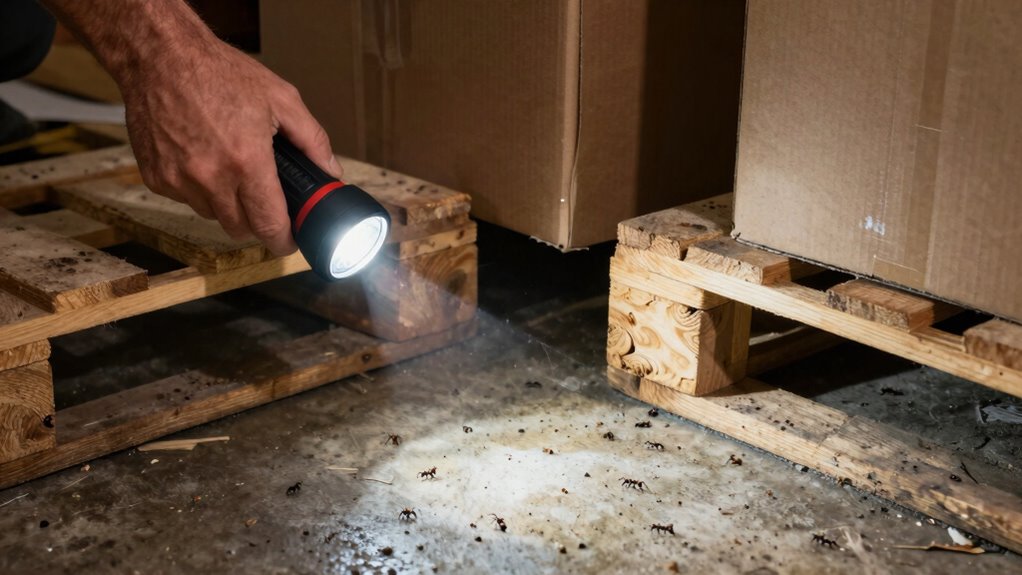
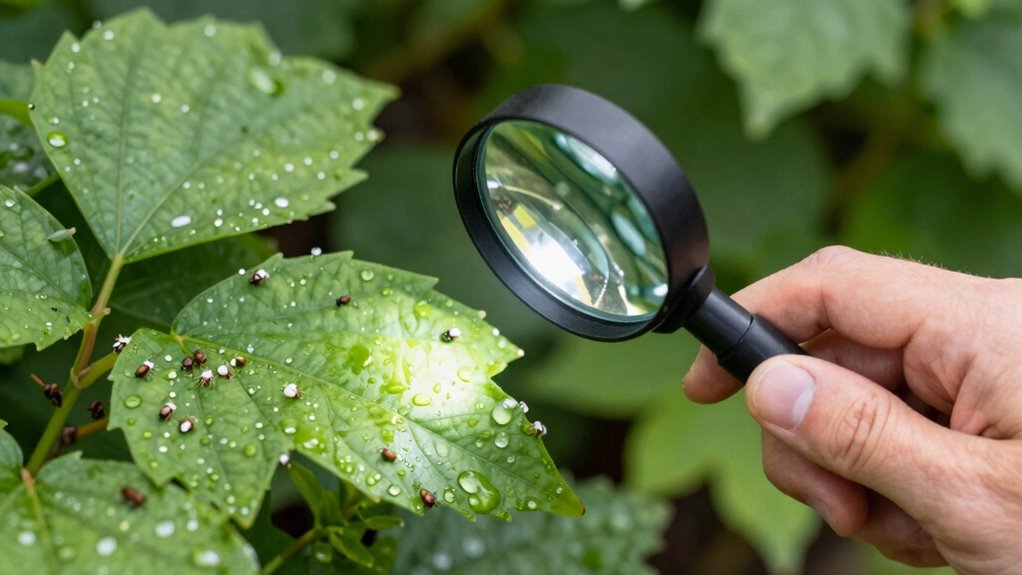
When conducting a fast and effective home pest inspection, focus on systematically covering the most vulnerable areas first. Use inspection tools like flashlights and magnifying glasses to spot signs of pests quickly. Start with dark, hidden spots such as basements, cabinets, and behind appliances. Look for pest identification clues like droppings, gnaw marks, or shed skins. Check entry points like gaps around windows and doors, as well as plumbing and utility openings. Don’t forget to examine food storage areas and trash bins. By prioritizing these zones, you’ll catch trouble early and minimize pest damage. Keep your inspection tools handy, stay organized, and move efficiently to maximize your two-minute routine. Staying alert to these key areas ensures a swift, thorough pest check. Regularly inspection schedules help maintain a pest-free home and catch issues before they escalate.
What Signs Indicate a Pest Problem in Your Home or Garden
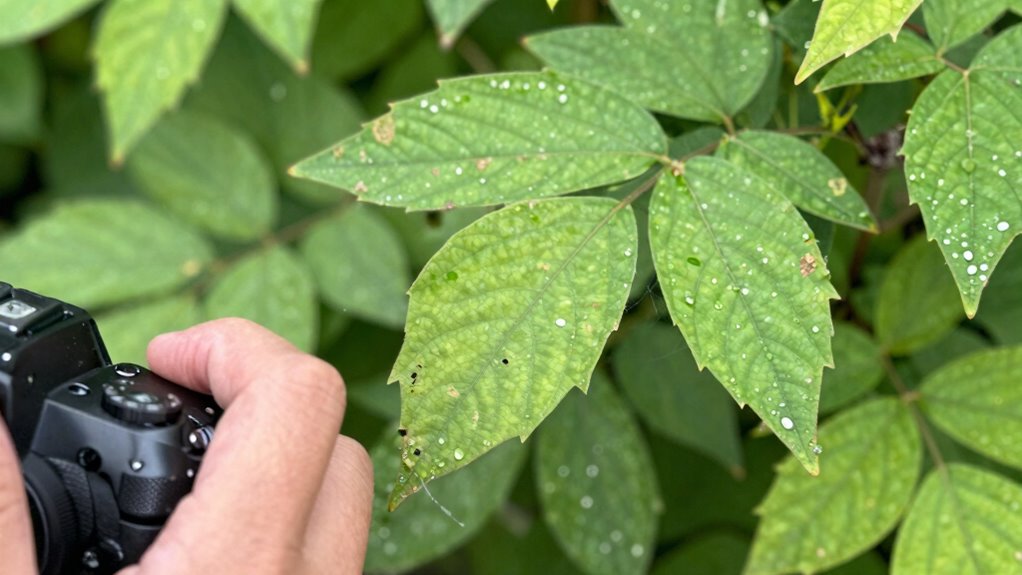
Detecting a pest problem early hinges on recognizing clear signs of infestation. Look for signs of infestation such as droppings, gnawed leaves, or damaged wood, which are common pest activity indicators. In the home, watch for shed skins, nests, or small holes in furniture or walls. In your garden, check for chewed plants, silken webs, or visible pests like aphids or beetles. Unusual sounds, musty odors, or buzzing can also signal pest presence. Being attentive to these signs helps you catch trouble early before it spreads. Regularly inspecting key areas ensures you notice pest activity indicators promptly, giving you a head start in managing pests effectively. Recognizing early warning signs allows for more effective intervention and minimizes the risk of extensive damage.
What to Do Next If You Spot Pest Signs

Once you notice signs of pests, it’s important to act quickly to prevent the problem from escalating. Start by identifying the pest type to choose the most effective pest treatment options. You can try DIY solutions like traps or natural repellents, but sometimes professional pest control is necessary. To strengthen your efforts, implement prevention strategies such as sealing cracks, removing debris, and maintaining cleanliness. Regular inspections help catch issues early. Consider the following steps:
Act quickly to identify pests, use DIY or professional treatments, and implement prevention strategies to protect your home.
- Remove food and water sources
- Seal entry points and cracks
- Use traps or baits
- Apply appropriate pest treatments
- Schedule professional inspections if needed
- Incorporate creative storytelling techniques to communicate pest prevention tips effectively
Taking swift action and applying targeted prevention strategies keeps pests at bay and protects your home or garden from further damage.
Frequently Asked Questions
Which Pests Are Most Common in Residential Homes?
You’ll often find pests like ants, cockroaches, silverfish, and bed bugs in residential homes. When doing a DIY inspection, focus on common hiding spots to spot signs early. Accurate pest identification helps determine the best treatment. Regularly check dark corners, kitchens, and bathrooms. Catching these pests early prevents infestations, saving you money and stress. Stay vigilant and act promptly if you notice any signs of trouble.
How Often Should I Perform This Quick Pest Check?
You should perform this quick pest check at least once a month, especially during peak seasonal pest patterns. Regular inspections help catch problems early and are simple enough to do with DIY inspection tips. During each check, look for signs of pests, such as droppings or damage, and focus on common trouble spots. Doing this consistently keeps your home protected and prevents minor issues from becoming major infestations.
Can This Routine Prevent Major Pest Infestations?
Yes, this routine can prevent major pest infestations by enabling early detection and pest prevention. While some might think it’s too brief to be effective, consistently performing these quick checks allows you to spot problems before they escalate. By catching pests early, you reduce the risk of widespread damage, saving time and money. Staying vigilant with this routine is a simple but powerful way to maintain a pest-free environment.
Are There Specific Tools or Products Recommended for Inspection?
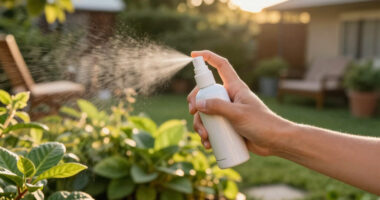
You should use essential inspection tools like a flashlight, magnifying glass, and a sticky trap to spot pests early. Pest detection products such as pheromone traps and monitoring sprays can also be highly effective. Keep these tools handy during your routine to quickly identify signs of trouble. Regular use guarantees you catch infestations early, preventing bigger problems later and maintaining a healthy environment for your plants or property.
What Are the Signs of Pests in Hard-To-See Areas?
You should look for signs of pests in hidden entry points like cracks, gaps, and vents, where they often sneak in. Check for droppings, shed skins, or damage on nearby surfaces. Moisture indicators, such as water stains or mold, can also signal pest activity since many pests thrive in damp areas. Keep an eye on these spots during your quick inspection to catch trouble early.
Conclusion
Remember, a quick 2-minute pest check can catch trouble early and save you time and money later. Stay vigilant and don’t wait until pests take over — “A stitch in time saves nine.” By regularly inspecting your home and garden, you’ll keep problems small and manageable. Stay proactive, trust your instincts, and act fast when you spot signs. A little effort now can prevent big headaches down the road.
Fall yard work Picks
leaf blowers
As an affiliate, we earn on qualifying purchases.