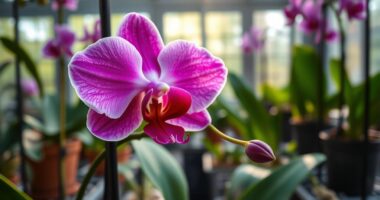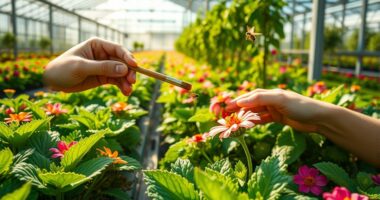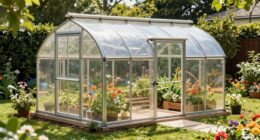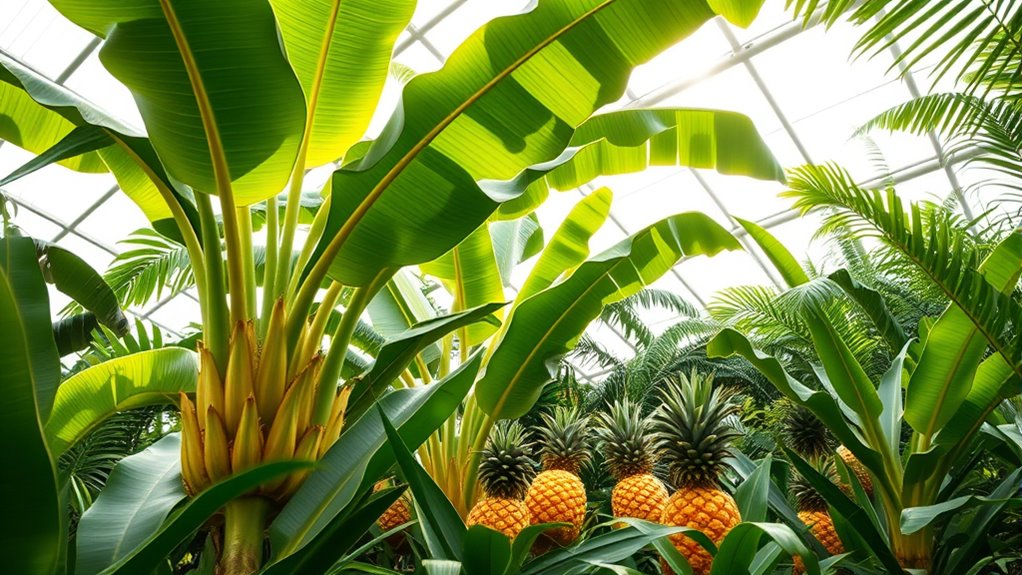

Growing exotic fruits like bananas and pineapples in a greenhouse lets you mimic tropical conditions, giving your plants ideal warmth, humidity, and airflow. Maintain temperatures between 75-85°F with high humidity, and guarantee proper watering and pest control. Choose resilient varieties and prune regularly to promote healthy growth. With careful environmental management, you’ll enjoy fresh, home-grown tropical fruits year-round—discover more tips and tricks that make it possible.
Key Takeaways
- Maintain optimal tropical conditions with consistent warmth (75-85°F) and humidity (60-80%) inside the greenhouse.
- Select resilient banana and pineapple varieties suited for controlled greenhouse environments.
- Use proper ventilation, regular watering, and balanced fertilization to promote healthy growth.
- Implement continuous pest management through inspections, organic controls, and cleanliness practices.
- Extend the growing season and improve fruit quality by mimicking tropical conditions year-round.
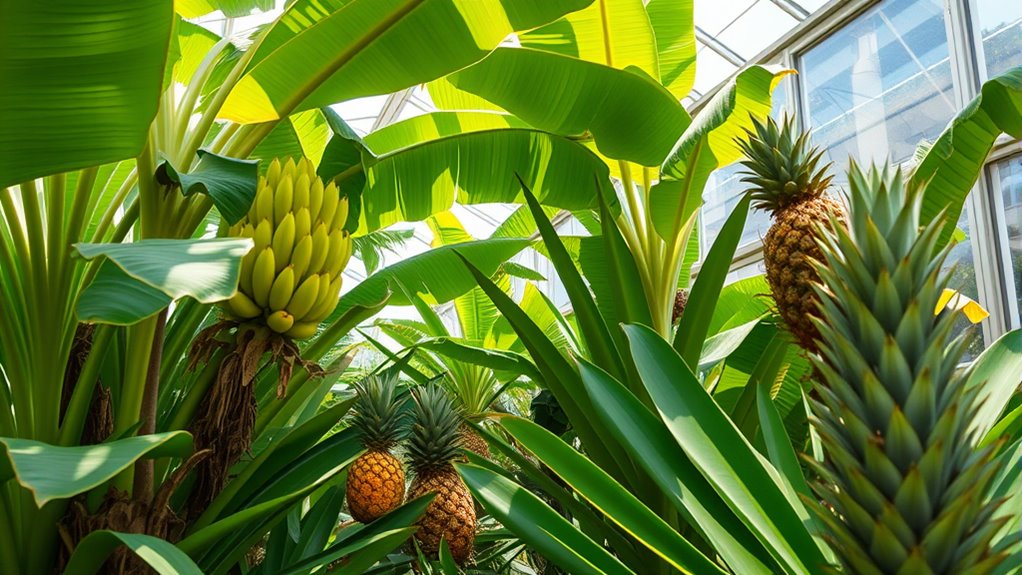
Have you ever wondered how to grow delicious exotic fruits in your own backyard? If so, you’re in luck. Many tropical fruits like bananas and pineapples thrive in warm, humid environments, but you don’t need a tropical climate to enjoy their flavors. With a greenhouse, you can create the ideal conditions for these fruits to flourish. One of the biggest challenges is managing pests, which can quickly damage your plants and ruin your harvest. Proper pest management is essential to keep your exotic fruits healthy and productive.
Create a tropical paradise at home by growing exotic fruits with proper care and pest management.
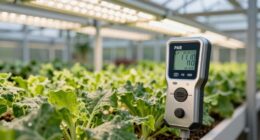
In a greenhouse setting, you control the environment, making it easier to maintain consistent temperatures and humidity levels suitable for tropical plants. This controlled environment is especially beneficial if you live in a region with colder winters or unpredictable weather. To optimize growth, ensure your greenhouse maintains temperatures between 75 and 85 degrees Fahrenheit during the day, with slightly cooler nights. Humidity should stay high, around 60-80%, mimicking tropical conditions. Adequate ventilation is key to preventing mold and pests, so install vents or fans to keep the air circulating.
Pest management starts with vigilance. Regularly inspect your plants for signs of trouble, such as discolored leaves, holes, or sticky residues. Common pests like aphids, mealybugs, or spider mites love warm, humid environments, so staying ahead of infestations is vital. Using organic methods like neem oil or insecticidal soap can help control pests without harming your plants or the environment. Introducing natural predators, such as ladybugs, can also keep pest populations in check. Keep your greenhouse clean and remove any fallen leaves or debris, which can harbor pests and diseases. Proper environmental control plays a crucial role in pest prevention and overall plant health.
It’s equally important to select resilient varieties of bananas and pineapples suited for greenhouse cultivation. Proper watering is essential—keep the soil consistently moist but not waterlogged. Fertilize regularly with a balanced fertilizer to support healthy growth and fruit development. As your plants mature, prune them to promote airflow and prevent disease. Remember, pest management isn’t a one-time effort but an ongoing process. Staying attentive and proactive will give your exotic fruits the best chance to grow big and tasty.
With diligent care, maintaining the right tropical climate in your greenhouse, and effective pest management, you can enjoy fresh, exotic fruits right from your backyard. Whether you’re harvesting bananas or pineapples, you’ll appreciate the effort it takes to create a mini-tropical paradise. The rewards are sweet, and the satisfaction of growing your own exotic fruits makes all the work worthwhile.
Frequently Asked Questions
What Is the Average Cost of Setting up a Greenhouse for Exotic Fruits?
The cost estimation for setting up a greenhouse for exotic fruits typically ranges from $5,000 to $20,000, depending on size and features. You should prioritize budget planning by considering materials, climate control, and automation systems. Smaller DIY setups cost less, while larger, commercial-grade greenhouses increase expenses. To stay within your budget, compare prices, select essential components, and plan for ongoing maintenance costs.
How Long Does It Take for Banana Plants to Produce Fruit Indoors?
Think of your banana plants as eager performers waiting for their cue. With proper indoor lighting and temperature control, they typically take 9 to 15 months to produce fruit. You nurture their growth like a gardener tending a delicate symphony, ensuring conditions stay ideal. Patience is key; under the right conditions, your indoor banana plants will reward your efforts with lush, fruit-bearing stalks that thrive in your greenhouse stage.
What Are Common Pests and Diseases Affecting Greenhouse-Grown Pineapples?
You’ll want to watch for common pests like mealybugs and scale insects, which can damage your pineapples, and diseases such as heart rot and fruit rot. To protect your plants, implement pest management strategies like introducing beneficial insects and regularly inspecting leaves. Combine these with disease prevention techniques like proper ventilation and avoiding overwatering to keep your greenhouse pineapple healthy and productive.
Can Exotic Fruits Be Grown Year-Round in a Greenhouse?
Yes, you can grow exotic fruits year-round in a greenhouse. Studies show controlled environments boost productivity, allowing continuous harvests. By implementing seasonal fruit rotation and advanced pollination techniques, you guarantee healthy yields regardless of outdoor seasons. Greenhouses provide the perfect setting to mimic tropical climates, giving you fresh exotic fruits anytime. With proper management, you’re enabled to enjoy a steady supply, making it a rewarding and sustainable venture.
What Are the Best Soil Types for Growing Exotic Fruits Indoors?
You should use well-draining, rich soil for growing exotic fruits indoors. Choose a loamy or sandy soil type, and add organic soil amendments like compost or peat moss to boost nutrients. Keep the pH balance between 5.5 and 6.5 for ideal growth. Regularly monitor and adjust soil conditions to guarantee your plants thrive, providing a healthy environment for your exotic fruits to flourish indoors.
Conclusion
Growing exotic fruits in a greenhouse proves you can bring a tropical paradise right to your doorstep. With patience and care, you turn your space into a lush haven filled with vibrant bananas, pineapples, and more. It’s not just about cultivating plants—it’s about creating a mini-escape from the ordinary, a slice of heaven that transforms your world. So keep nurturing those plants; soon, your greenhouse will be bursting with flavor and life, more dazzling than a rainforest in full bloom.