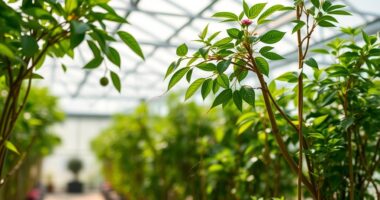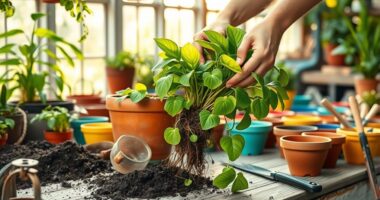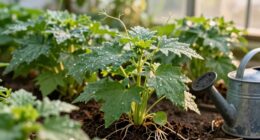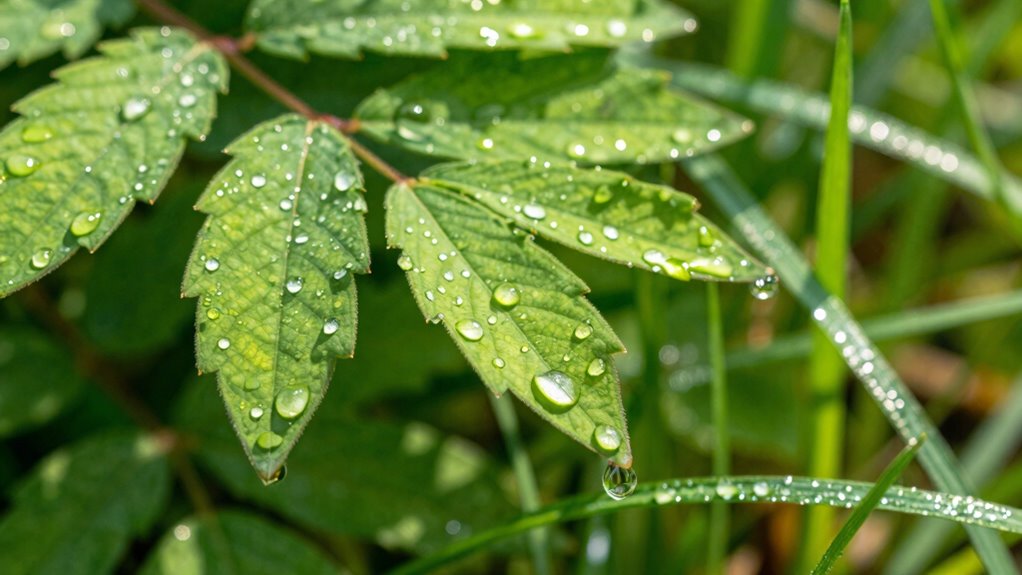

You’ll see that timing matters more than the amount you water because it directly impacts soil moisture and your plants’ health. Watering at the right time, like early mornings, allows water to soak in before heat causes evaporation, preventing stress and disease. Irregular or poorly timed watering can weaken roots and make plants more vulnerable. If you want to understand how to optimize watering for a healthy garden, there’s more to learn about the perfect schedule.
Open a free Amazon Business account
Business pricing, bulk buying and tax-exempt orders.
As an affiliate, we earn on qualifying purchases.
Key Takeaways
- Proper timing ensures soil absorbs moisture effectively, reducing waste and preventing overwatering or underwatering.
- Watering at optimal times minimizes evaporation, maximizing water use efficiency.
- Consistent timing helps maintain stable soil moisture levels, supporting healthy root development.
- Timing aligns watering with plant natural rhythms, enhancing their ability to absorb and utilize water.
- Correct timing prevents issues like root rot and dehydration, regardless of the amount of water applied.
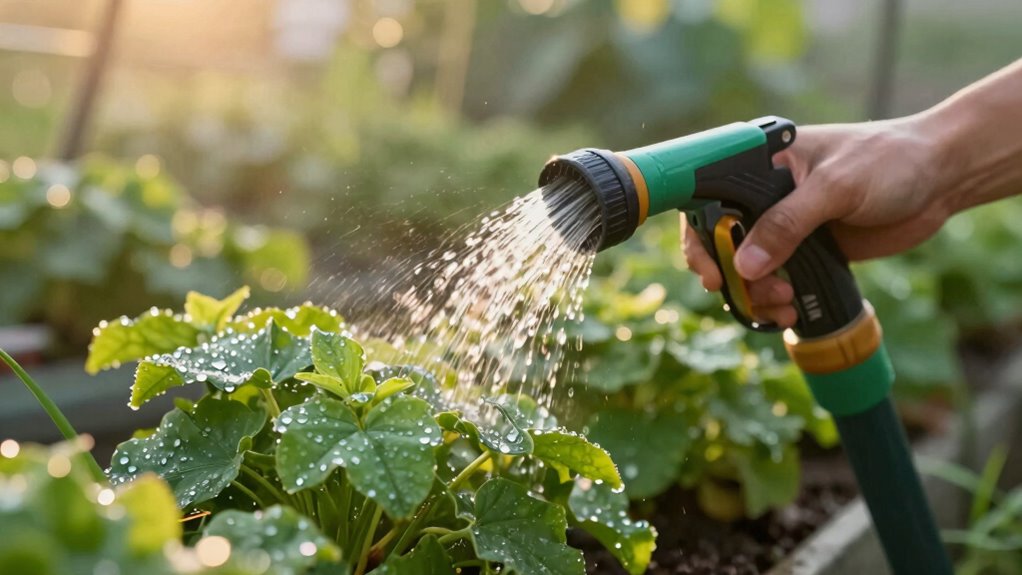
Have you ever wondered when the best time to water your plants is? The answer isn’t just about how much water you give them but when you do it. Timing plays a crucial role in maintaining healthy plants because it directly influences soil moisture levels and, ultimately, plant stress. When you water at the right moments, you ensure your plants have the moisture they need without overdoing it, preventing issues like root rot or dehydration.
Timing your watering is key to healthy, resilient plants and optimal soil moisture.
The key is understanding your plants’ natural rhythms and the environment around them. Early mornings are often ideal because they allow water to soak into the soil before the heat of the day causes rapid evaporation. When you water during the hottest part of the afternoon, you risk losing much of that moisture to the air, leaving your plants without the hydration they need. Conversely, watering late in the evening might seem convenient, but it can leave excess moisture on the leaves and soil surface overnight, creating a breeding ground for mold and diseases.
Pay attention to soil moisture levels to determine the right watering time. If the soil feels dry a couple of inches below the surface, it’s a clear sign that your plants need water. Regularly checking soil moisture helps you avoid overwatering, which can lead to plant stress by suffocating roots or promoting rot. Consistently moist soil is essential for healthy roots, but it’s equally important not to keep the soil constantly saturated. Striking a balance means watering when the soil begins to dry out but before your plants start showing signs of stress, such as wilting or yellowing leaves. Soil health is fundamental to understanding when and how to water effectively. Additionally, maintaining proper watering practices can support the overall resilience of your garden. It’s also helpful to consider climate conditions because they influence how quickly soil dries out and how often watering is needed.
Timing your watering also impacts plant stress significantly. When you water at optimal times, you help your plants develop stronger roots because they’re encouraged to seek water deeper in the soil rather than relying on surface moisture. This resilience makes your plants better equipped to handle drought conditions or heatwaves. Additionally, understanding plant biology can help you tailor your watering schedule to meet your plants’ specific needs. Conversely, irregular or poorly timed watering can cause stress, weakening the plant and making it more vulnerable to pests and diseases.
In essence, watering isn’t just about quantity; it’s about when you do it. Proper timing ensures soil moisture stays at optimal levels, reducing plant stress and promoting vigorous growth. By paying attention to your plants’ needs and the environment, you’ll give them the best chance to thrive, making your effort more effective and your garden healthier. Additionally, understanding the importance of biodiversity can help you create a more resilient garden ecosystem that supports sustainable living practices.
As an affiliate, we earn on qualifying purchases.
Frequently Asked Questions
How Do I Know the Best Time of Day to Water My Plants?
You should water your plants early in the morning for ideal plant hydration. This allows the soil moisture to soak in before the heat of the day, reducing evaporation. Watering at this time keeps the roots moist throughout the day and prevents disease. By timing your watering right, you guarantee your plants get consistent soil moisture, promoting healthy growth and resilience against drought stress.
Does Watering at Night Harm My Plants?
Watering at night can be a double-edged sword. While it saves you from daytime evaporation, it might leave your soil moisture levels too high overnight, creating a breeding ground for fungi and diseases. You don’t want to swing from one extreme to another. If you water in the evening, make certain your plants dry out before night’s end to keep them healthy and prevent problems caused by excess moisture.
How Does Weather Affect the Ideal Watering Schedule?
Weather considerably impacts your watering schedule because climate adaptation is key. When it’s hot and dry, you’ll need to increase watering frequency to prevent drought stress. Conversely, during cooler, humid conditions, reduce watering to avoid overwatering and root rot. Pay attention to rainfall and temperature changes, adjusting your schedule accordingly. This proactive approach helps your plants stay healthy, conserving water while meeting their specific needs based on the weather.
Can Overwatering Impact Plant Health More Than Underwatering?
Yes, overwatering can harm your plants more than underwatering because it reduces soil absorption and limits root oxygen. When soil stays too wet, roots can’t breathe, leading to root rot and weakened plant health. Conversely, underwatering stresses the plant but usually doesn’t cause immediate root damage. To keep your plants healthy, focus on watering just enough for the soil to absorb moisture without becoming soggy, ensuring proper oxygen flow to the roots.
Are There Specific Signs to Watch for Indicating It’s the Right Watering Time?
You can tell it’s time to water when the soil moisture feels dry to the touch, especially a few inches below the surface. Watch for signs of plant stress, like wilting or yellowing leaves, which indicate dehydration. When you notice these signs, it’s a clear signal that your plant needs water. Regularly checking soil moisture helps you avoid overwatering or underwatering, ensuring your plant stays healthy and thriving.
Conclusion
Remember, when it comes to watering, timing truly matters more than quantity. If you focus on watering early in the morning or late in the evening, your plants can absorb water more effectively, reducing waste and preventing disease. Don’t worry if you’re busy—just establishing a consistent schedule will make a big difference. So, trust the process, stay patient, and enjoy watching your plants thrive with just the right timing.
Baby shower & registry season Picks
baby registry must-haves
As an affiliate, we earn on qualifying purchases.