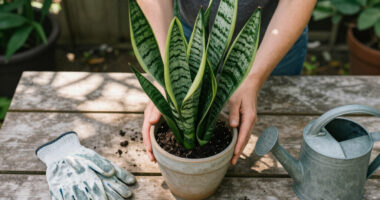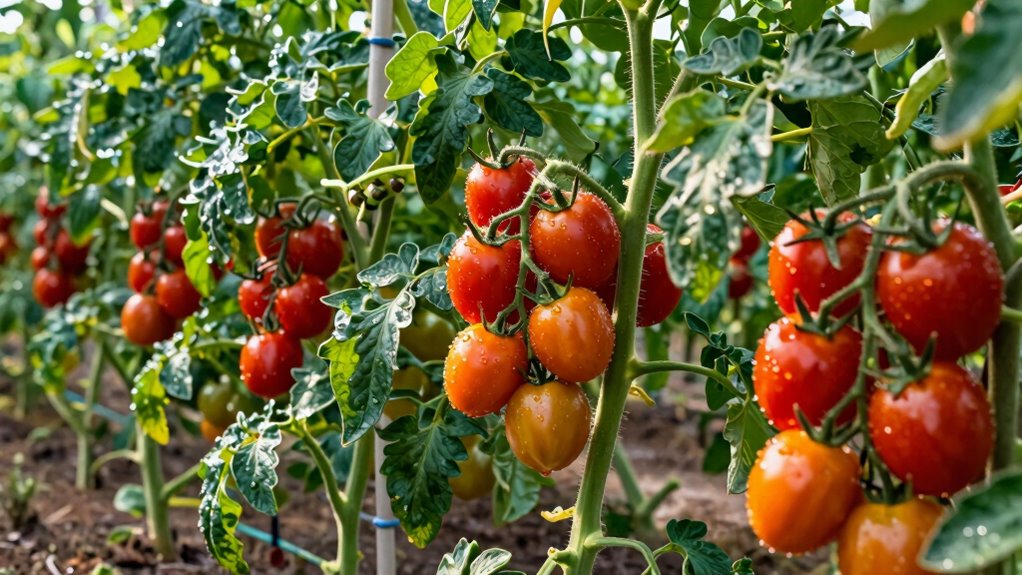

To boost your tomato yield without stressing your plants, adopt a balanced jungle pruning pattern. Focus on removing excess suckers and lower leaves to improve airflow and sunlight, while avoiding over-pruning. Keep your plants open but dense enough for healthy growth. This approach helps prevent disease, promotes larger fruit, and supports plant resilience. If you want to master the best pruning techniques, keep exploring how to optimize your tomato jungle for success.

Get garden gear delivered free with Prime
- Fast, free delivery on millions of items
- Prime Video, Amazon Music and more included
- Member-only deals all year
Key Takeaways
- Implement strategic topping and selective removal of suckers to create an open canopy, enhancing airflow and sunlight exposure.
- Regularly evaluate and adjust pruning timing to prevent over-pruning and reduce plant stress.
- Use clean, sharp tools for precise cuts, minimizing damage and supporting healthy recovery.
- Focus on removing dead, diseased, or overcrowded foliage to maintain plant balance without stressing the plant.
- Proper pruning promotes higher yields, healthier growth, and easier pest management by maintaining natural plant balance.
pruning shears for tomato plants
As an affiliate, we earn on qualifying purchases.
As an affiliate, we earn on qualifying purchases.
What Is the Tomato Jungle Pruning Method and How Does It Work?
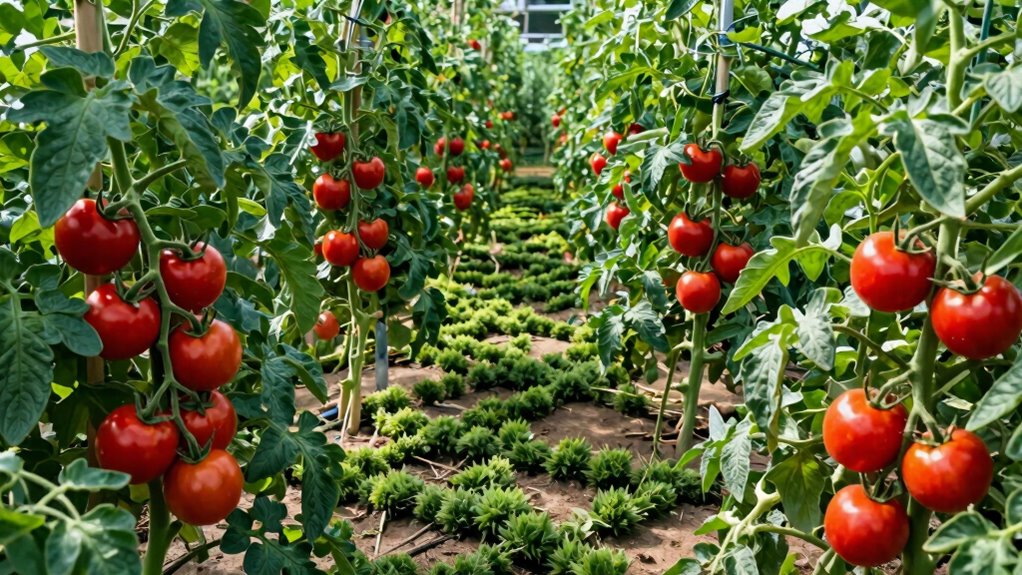
Have you ever wondered how the Tomato Jungle pruning method helps maximize your tomato plants’ growth? This technique involves strategic topping techniques to control the plant’s shape and encourage healthy development. You start by removing the excess suckers and lower leaves to create an open canopy, which improves air circulation and sunlight exposure. To do this efficiently, use the right pruning tools, like sharp scissors or pruning shears, to make clean cuts that minimize stress on the plant. The goal is to maintain a dense but manageable growth pattern, allowing the plant to focus energy on producing fruit rather than unnecessary foliage. By mastering these topping techniques and using proper pruning tools, you set the foundation for a thriving, productive Tomato Jungle.
Why Pruning Your Tomato Jungle Boosts Your Harvest and Plant Health
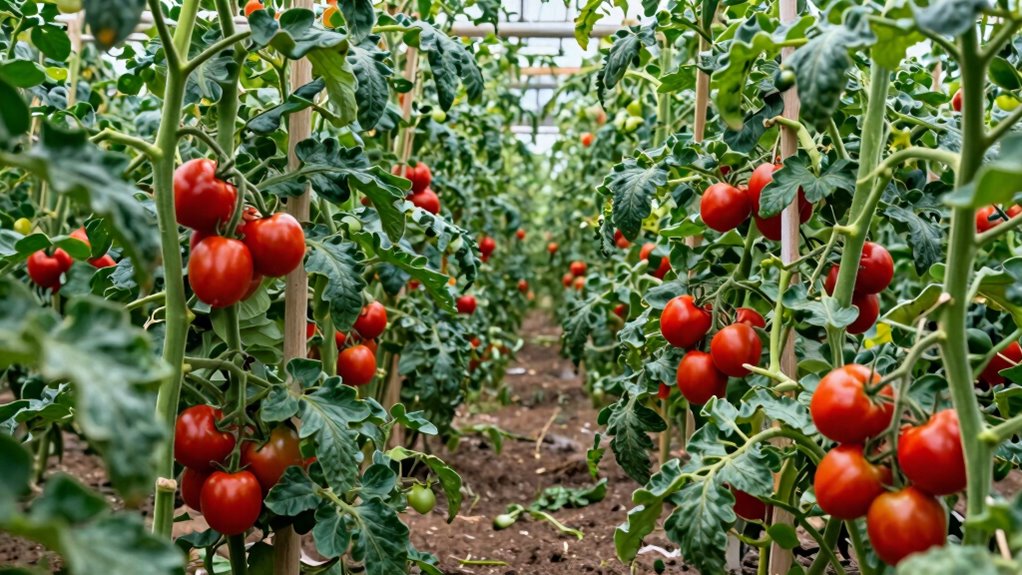
Pruning your Tomato Jungle doesn’t just shape the plant; it directly impacts your harvest and overall health. When you prune properly, you improve airflow and light penetration, which encourages healthy growth and bigger fruit. This practice also promotes calmer homes by reducing plant stress and maintaining a manageable garden space. This also supports companion planting strategies, as healthier plants are better at attracting beneficial insects and repelling pests naturally. Reduced foliage means fewer hiding spots for pests, simplifying pest control efforts. Plus, by removing unnecessary growth, you prevent diseases caused by excess moisture and poor air circulation. Overall, pruning helps your tomato plants stay vigorous, productive, and resilient against pests and diseases. A well-maintained Tomato Jungle results in a higher yield, healthier plants, and a more manageable gardening experience.
How to Prune Your Tomato Jungle Step by Step
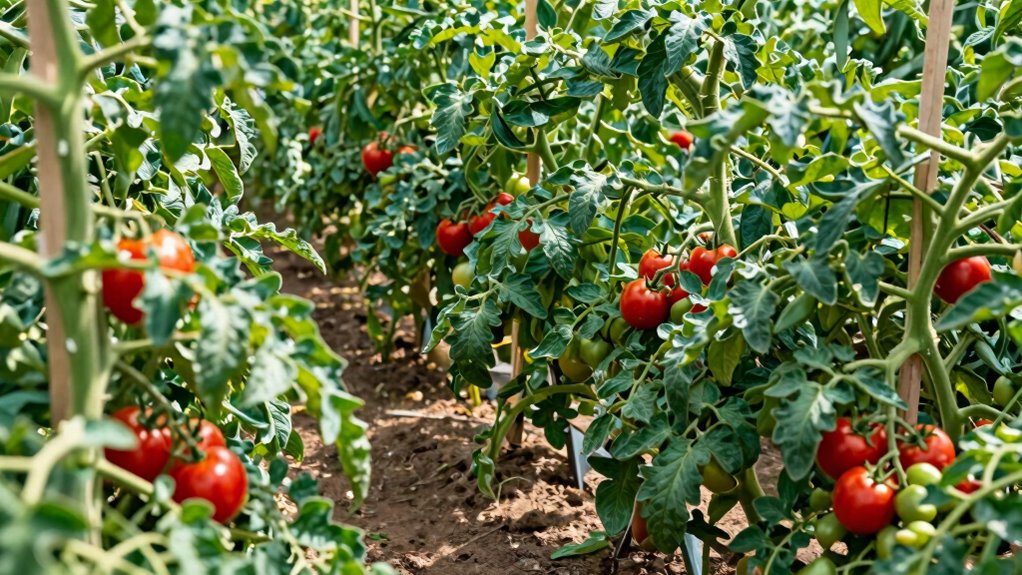
To effectively prune your Tomato Jungle, start by identifying the main stems and removing any suckers that grow between the main stem and leaf branches. This encourages better airflow and directs nutrients to the fruit rather than excess foliage. As you prune, consider companion planting—planting herbs like basil nearby can improve soil nutrition and deter pests. Use clean, sharp tools to make precise cuts, reducing plant stress. Keep in mind that healthy soil nutrition supports vigorous growth, so amend your soil regularly. Remove dead or yellowing leaves to prevent disease. Be gentle but firm, ensuring you don’t over-prune, which can stress the plant. Regular pruning using this step-by-step approach helps your tomato plants thrive, maximizing yield without causing unnecessary stress. Incorporating soil management techniques into your routine can further enhance plant health and productivity.
Tips to Keep Your Tomato Plants Healthy During Pruning
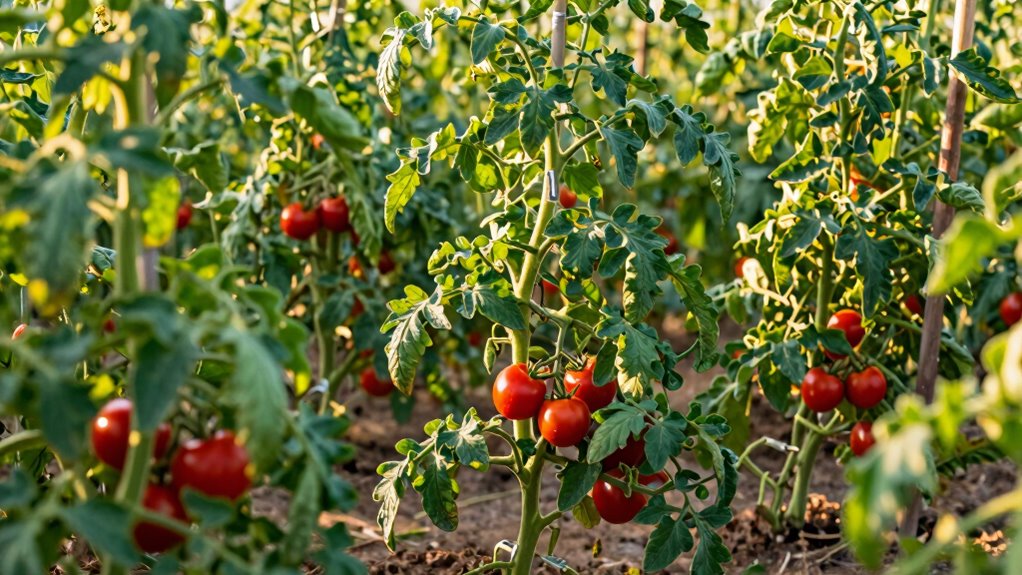
To keep your tomato plants healthy during pruning, always use clean, sharp tools to prevent disease. Avoid over-pruning, as removing too much can stress the plant and reduce fruit production. Pruning in the early morning helps minimize stress and allows your plants to recover quickly. Incorporating natural gardening practices can further support overall plant health and productivity.
Use Clean, Sharp Tools
Using clean, sharp tools is essential for keeping your tomato plants healthy during pruning. Dull or dirty tools can cause unnecessary stress and increase the risk of disease by damaging plant tissues. Sharp tools make precise cuts, reducing trauma to the plant and promoting quicker healing, which supports root health. Clean tools prevent pest transfer, lowering the chance of infestations that can weaken your plants. Always disinfect your tools before and after pruning with alcohol or a bleach solution to eliminate pathogens. Properly maintained tools ensure clean cuts, helping your tomato plants recover faster and stay vigorous. This simple step considerably boosts overall plant health, minimizing stress and preventing pests from gaining a foothold. Safe installation practices and sharp, clean tools are your first line of defense for thriving tomato plants.
Avoid Over-Pruning Excessively
While pruning is essential for healthy tomato plants, removing too many stems or foliage can do more harm than good. Over-pruning weakens the plant’s natural defenses, making it more vulnerable to pests and diseases. To keep your plants healthy, avoid excessive removal and focus on maintaining a balance. Incorporate companion planting with herbs like basil or marigolds to naturally repel pests, reducing the need for aggressive pruning aimed at pest control. Proper pruning encourages airflow and sunlight, but overdoing it can stress the plant and hinder fruit production. Always prune selectively, removing only dead or diseased foliage, and monitor your plants closely. This approach promotes a healthy, productive tomato jungle without stressing or weakening your plants. Additionally, understanding the spirituality and success signals associated with growth can inspire patience and positive intentions in your gardening journey.
Prune in Early Morning
Pruning your tomato plants early in the morning can considerably improve their health and recovery. During cooler morning hours, plants are less stressed, which helps them heal faster after pruning. This timing also allows you to observe natural pest activity, making it easier to spot pests and implement pest control measures promptly. Incorporate companion planting strategies by placing beneficial plants nearby, which can further deter pests and promote healthier growth. Pruning in the morning creates a less stressful environment, reducing the risk of infection or disease. Additionally, early pruning supports better airflow and sunlight exposure, encouraging strong, vigorous plants. Using modern gardening techniques, such as automated watering systems and smart pest monitors, can further optimize your pruning routine. Overall, morning pruning combined with companion planting and pest control creates an ideal routine for maintaining a thriving tomato jungle.
Common Mistakes to Avoid When Pruning Tomato Jungle Plants
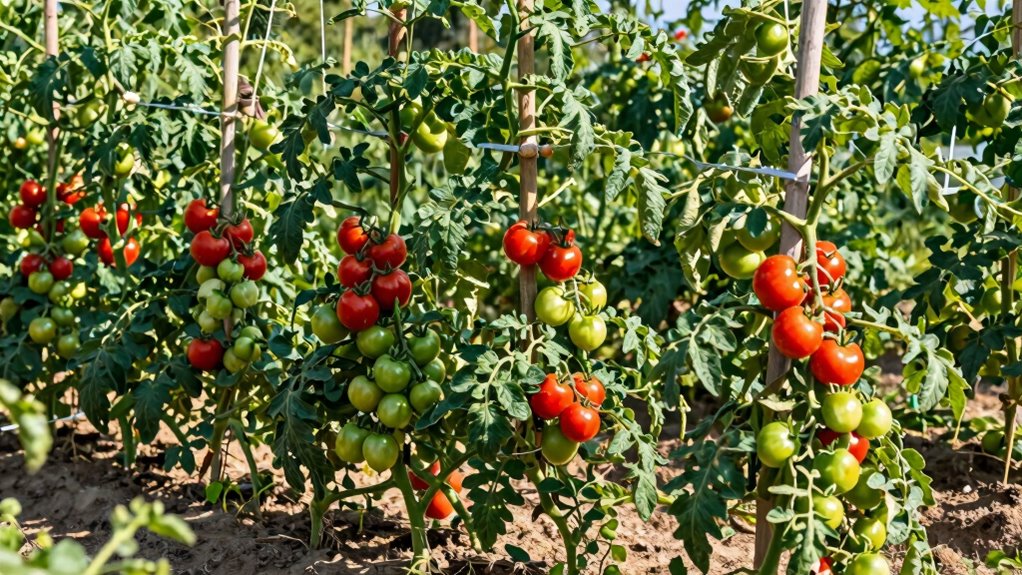
Avoid over-pruning your tomato jungle plants, as removing too many leaves can stress the plant and reduce fruit production. Keep an eye on maintaining a balanced canopy; ignoring this can lead to poor airflow and increased disease risk. Remember, pruning too aggressively or unevenly can weaken the plant and harm your harvest. Additionally, using energy-efficient cloud servers can optimize your gardening data management and support sustainable farming practices.
Over-Pruning Risks
Over-pruning tomato jungle plants can do more harm than good, as removing too many branches or leaves weakens the plant’s ability to produce energy and resist pests. If you prune too frequently, you increase plant stress, which hampers growth and fruit development. Maintaining the right pruning frequency is essential; overdoing it can expose the plant to sunburn and disease, making it vulnerable. Remember, healthy plants need their foliage to photosynthesize effectively. Avoid the temptation to prune excessively, especially during peak fruiting times. Instead, focus on selective removal of dead or crowded branches. Striking a balance prevents stress and encourages strong, productive growth. Proper pruning techniques help your tomato jungle thrive without compromising its resilience. Proper pruning ensures your plants stay healthy and productive, reducing the risk of damage from improper care.
Ignoring Plant Balance
Ignoring the natural balance of your tomato jungle can lead to uneven growth and weakened plants. When you neglect proper pruning, some branches become overcrowded, reducing airflow and increasing the risk of plant disease. Poor airflow creates a humid environment that fosters fungal issues and other problems. Additionally, imbalance can make your plants more vulnerable to pests, as dense foliage provides hiding spots and easy access for insects. Proper pruning helps maintain an even canopy, promoting healthy growth and easier pest control. Focus on removing excess growth without over-pruning, which can stress plants and reduce yield. By respecting the plant’s natural balance, you support stronger, healthier tomato plants that resist disease and pests more effectively. Understanding plant health factors can help you fine-tune your pruning approach for optimal results.
How Jungle Pruning Improves Airflow, Sunlight, and Fruit Production
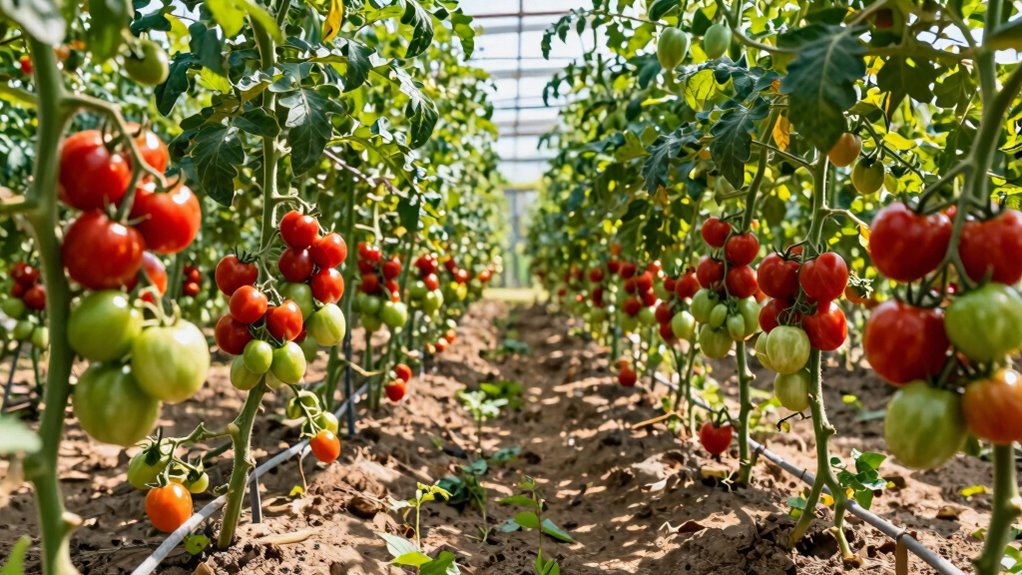
Pruning your jungle of tomato plants is essential because it considerably boosts airflow, sunlight exposure, and fruit production. When you remove excess foliage and lower dense growth, air circulates more freely, reducing the risk of plant disease and making it harder for pests to thrive. Increased sunlight reaches all parts of the plant, promoting even ripening and healthier growth. Better airflow and light also help keep leaves dry, decreasing the chances of fungal infections. Additionally, improved conditions encourage the plant to direct energy toward producing larger, sweeter fruits. Regular pruning simplifies pest management by making it easier to spot and eliminate pests early. Incorporating professional services can further optimize your pruning strategies for better yields. Overall, this selective pruning pattern creates a healthier environment, leading to higher yields without stressing your tomato plants.
Troubleshooting: Adjusting Your Pruning Technique for Better Results
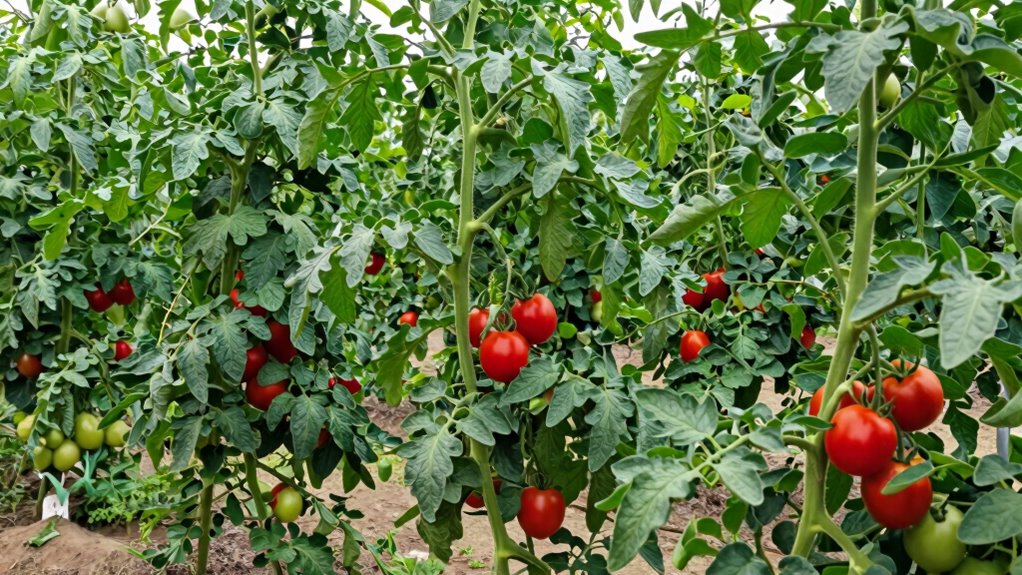
If your tomato plants aren’t responding well to your current pruning routine, it’s time to make some adjustments. First, evaluate your pruning timing—stop removing too many leaves or suckers too early, which can stress the plant and reduce fruit. Instead, prune gradually, focusing on removing dead or diseased foliage during the right growth stages. Proper pruning also helps with pest prevention by improving airflow and reducing hiding spots for pests. If you notice pests or disease signs, modify your technique to open up the plant more and prevent issues from spreading. Remember, consistent, moderate pruning combined with timely interventions keeps your plants healthy and productive, maximizing yield without stressing the plant. Fine-tuning your approach ensures better results in the long run.
Frequently Asked Questions
Can Jungle Pruning Be Used for Other Vegetable Plants?
Yes, jungle pruning can work for other vegetable plants, especially those benefiting from good airflow and space. You should consider companion planting to enhance pest control and plant health. By selectively pruning and managing plant density, you reduce pest hiding spots and promote stronger growth. Just remember, each vegetable has unique needs, so adapt your pruning pattern accordingly to optimize yield and keep pests at bay without stressing your plants.
How Often Should Jungle Pruning Be Performed During the Growing Season?
You should perform jungle pruning every 2 to 3 weeks during the growing season, adjusting based on plant growth and seasonal timing. Regular pruning encourages healthy development and maximizes yield without stressing your plants. Keep an eye on new growth, and prune when necessary to remove excess foliage or suckers. This consistent pruning frequency helps maintain a balanced, productive plant throughout the season, especially during peak growing times.
Is Jungle Pruning Suitable for Organic Tomato Gardening?
Jungle pruning is indeed suitable for organic tomato gardening, aligning with your goal of sustainable methods. This pruning pattern encourages healthy growth without stressing plants, making it compatible with organic practices. By selectively removing unnecessary foliage, you enhance airflow and sunlight exposure naturally, reducing the need for chemical interventions. It’s an effective, eco-friendly technique that boosts yield while maintaining the integrity of organic gardening principles.
What Tools Are Best for Jungle Pruning Tomato Plants?
You should use sharp pruning shears for clean cuts on tomato plants, especially when removing larger leaves or stems. Garden scissors work well for trimming smaller, delicate foliage and making precise cuts. Always guarantee your tools are clean to prevent disease transfer. Keep a pair of pruning shears handy for thicker stems and garden scissors for fine detailing. This approach keeps your plants healthy and encourages better airflow.
Does Jungle Pruning Affect the Taste of the Tomatoes?
Did you know that proper pruning can increase tomato flavor by up to 20%? Jungle pruning doesn’t negatively impact the taste of your tomatoes if done correctly. In fact, it often enhances flavor by improving air circulation and sunlight exposure. The pruning impact is mainly on plant health and yield, not the fruit’s taste. So, you can prune confidently, knowing it won’t compromise your delicious tomatoes’ flavor.
Conclusion
By mastering the tomato jungle pruning method, you’ll find your plants healthier and your harvest bountiful. It’s funny how a simple pattern can make such a difference—just like how clearing clutter helps your mind, pruning clears space for better growth. With patience and practice, you’ll enjoy more sun, better airflow, and sweeter tomatoes. Turns out, a little pruning not only boosts your garden’s yield but also makes gardening more enjoyable—who knew?
Fall Picks
fall essentials
As an affiliate, we earn on qualifying purchases.